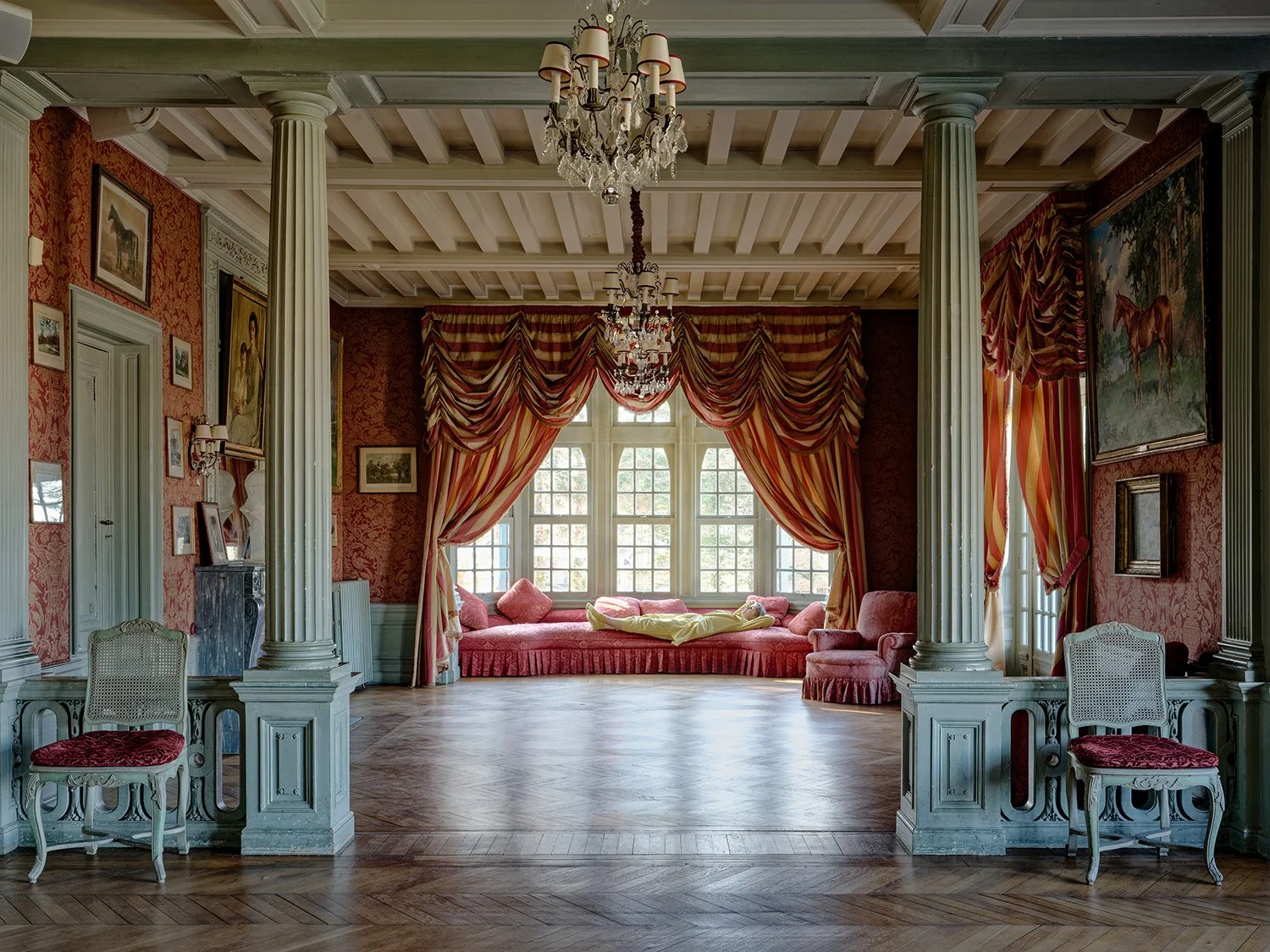
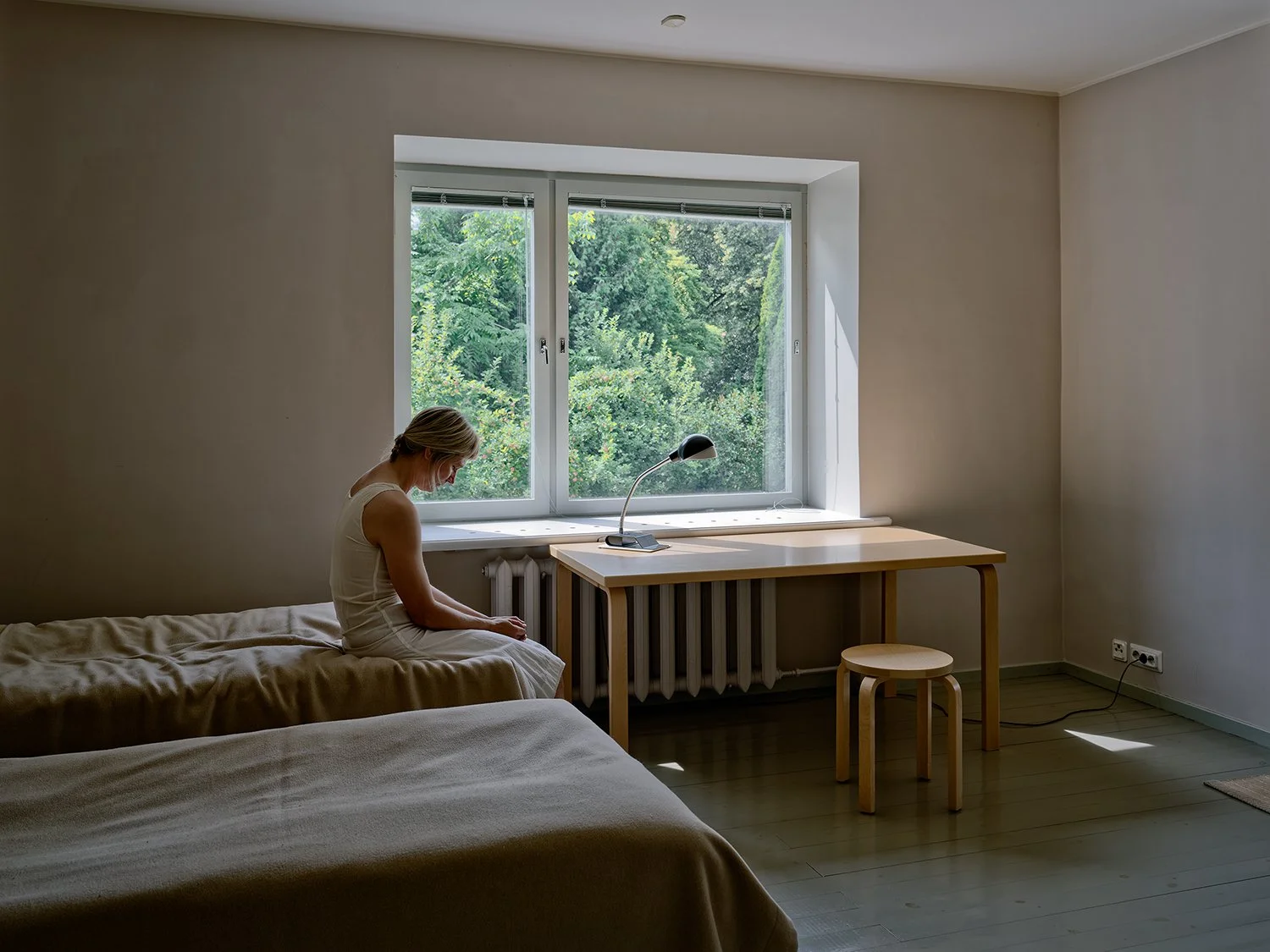
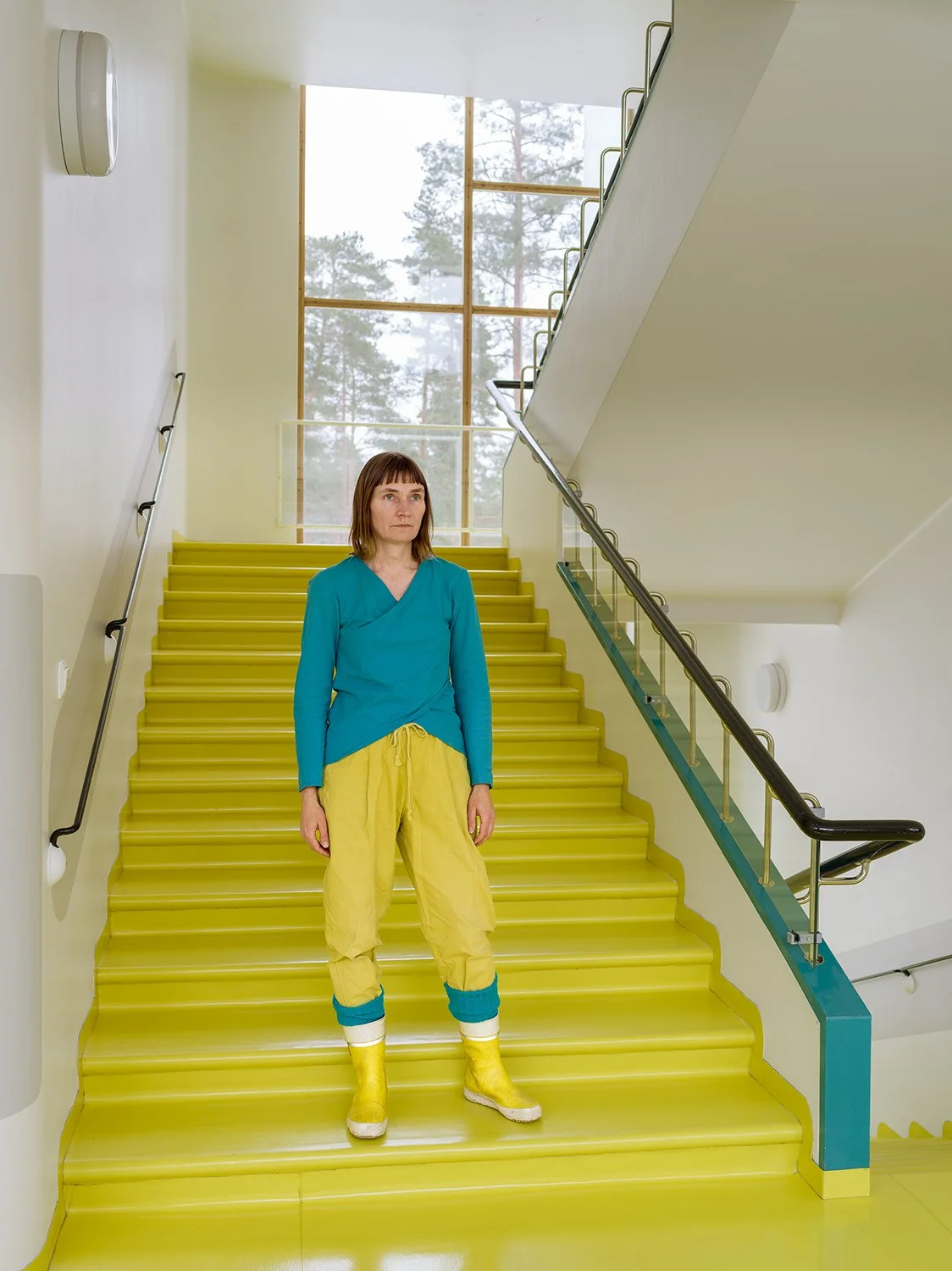
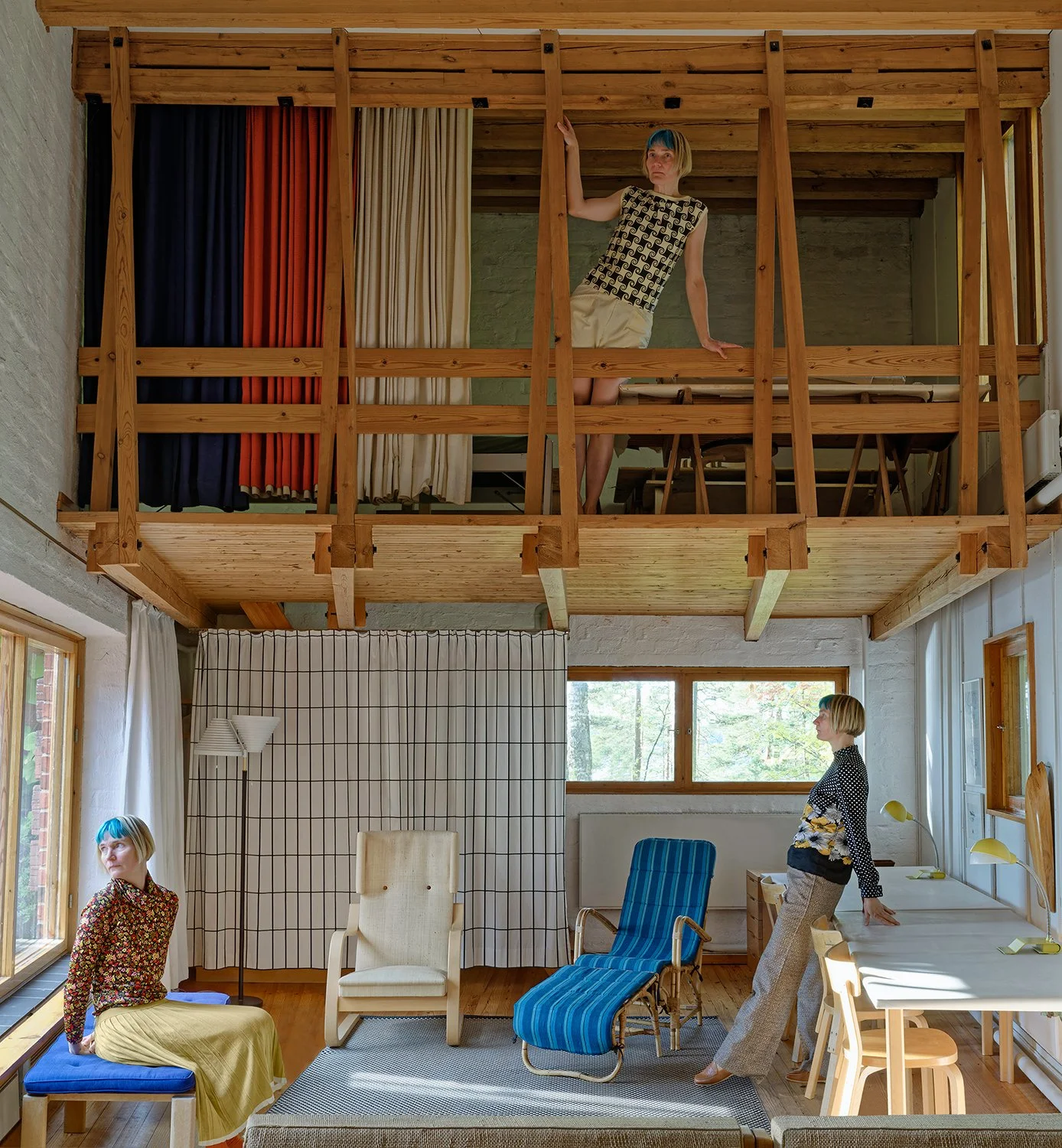
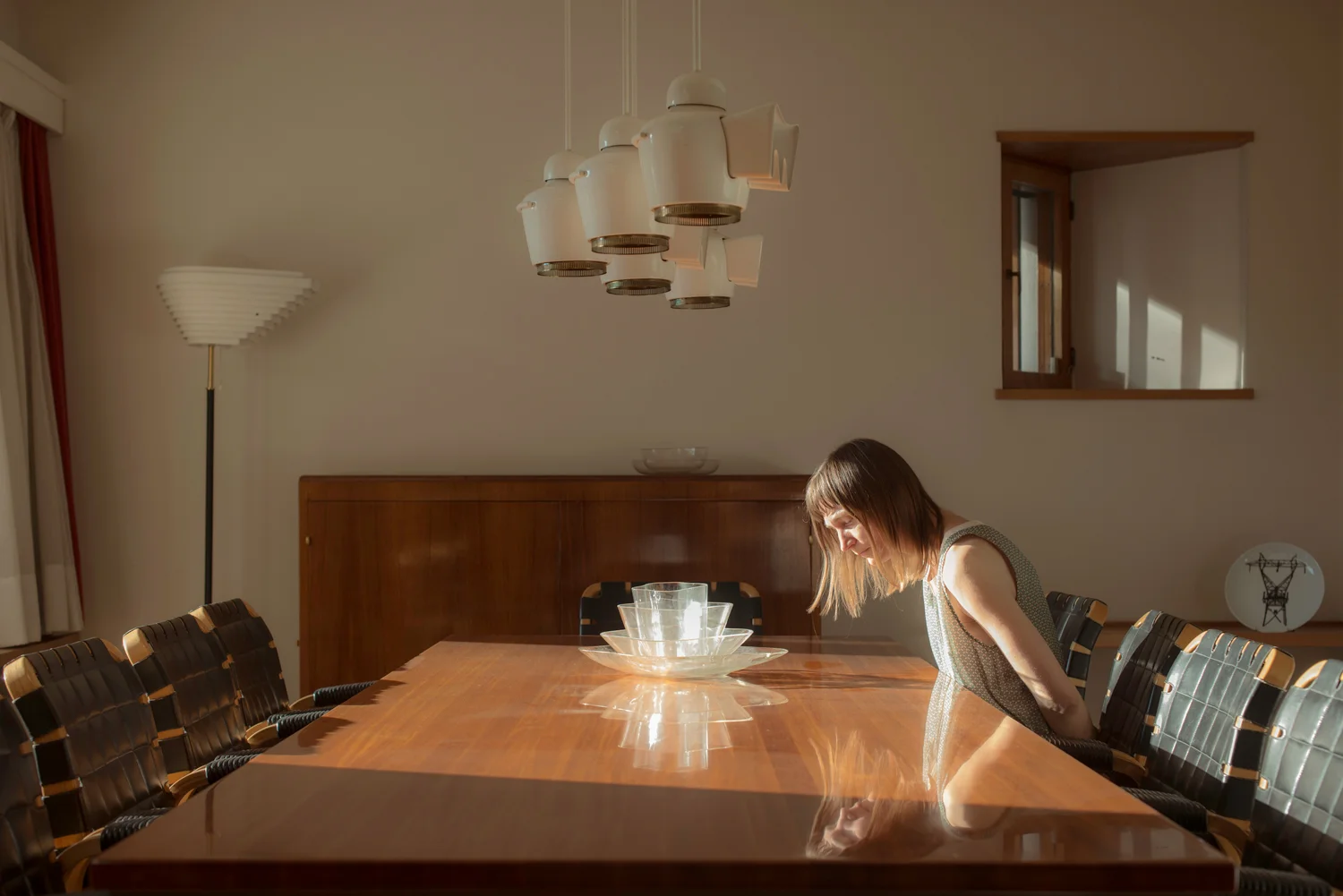
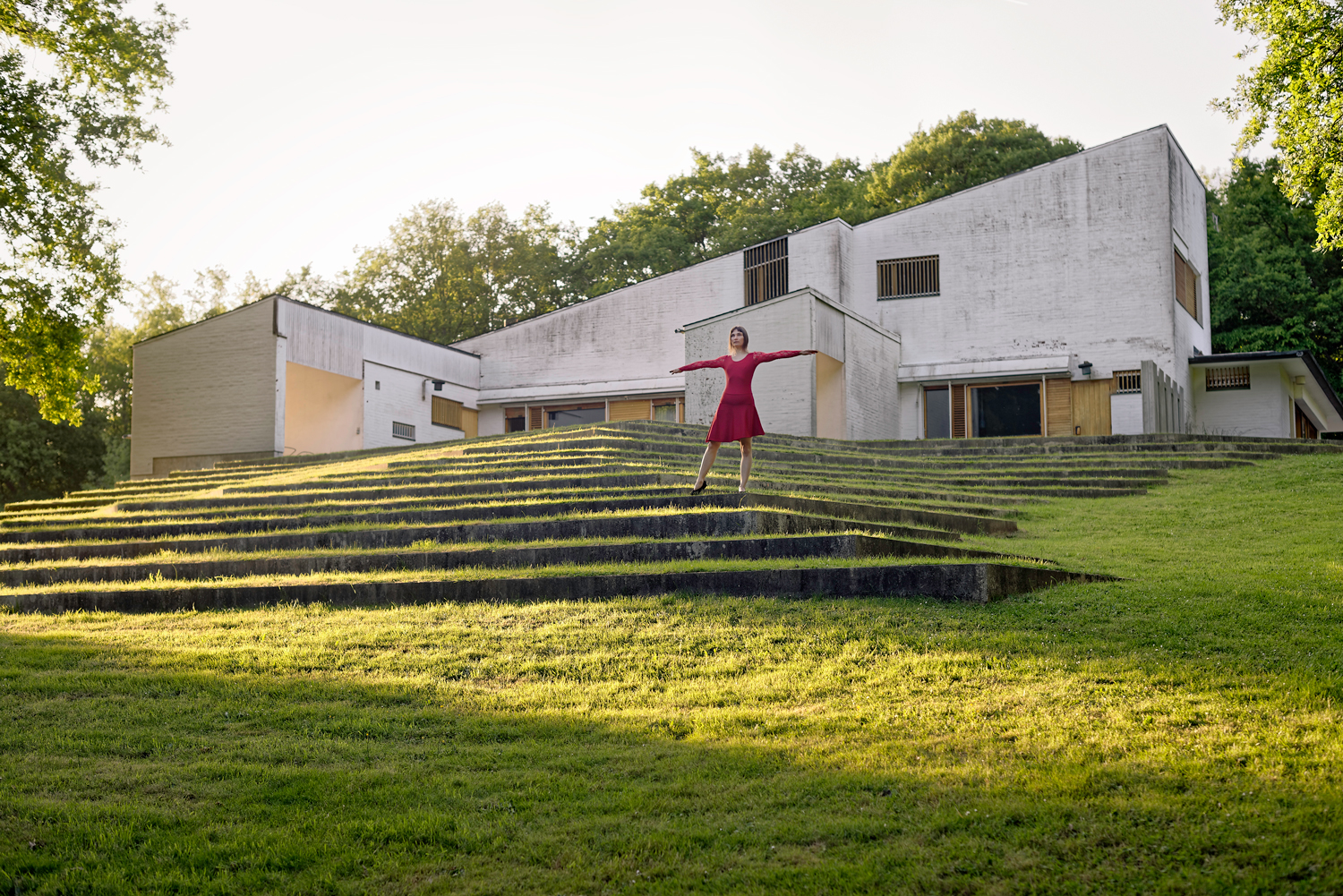
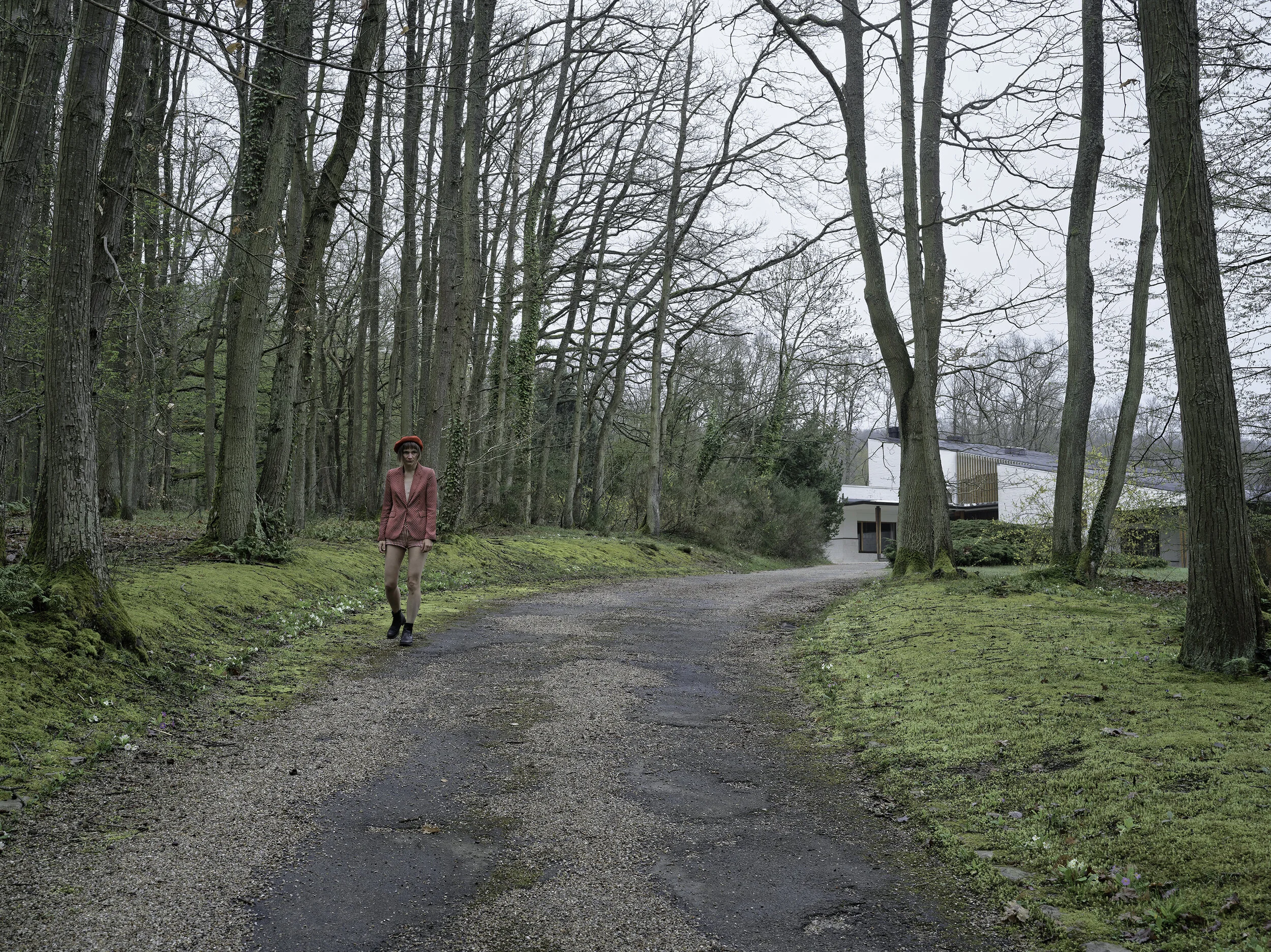
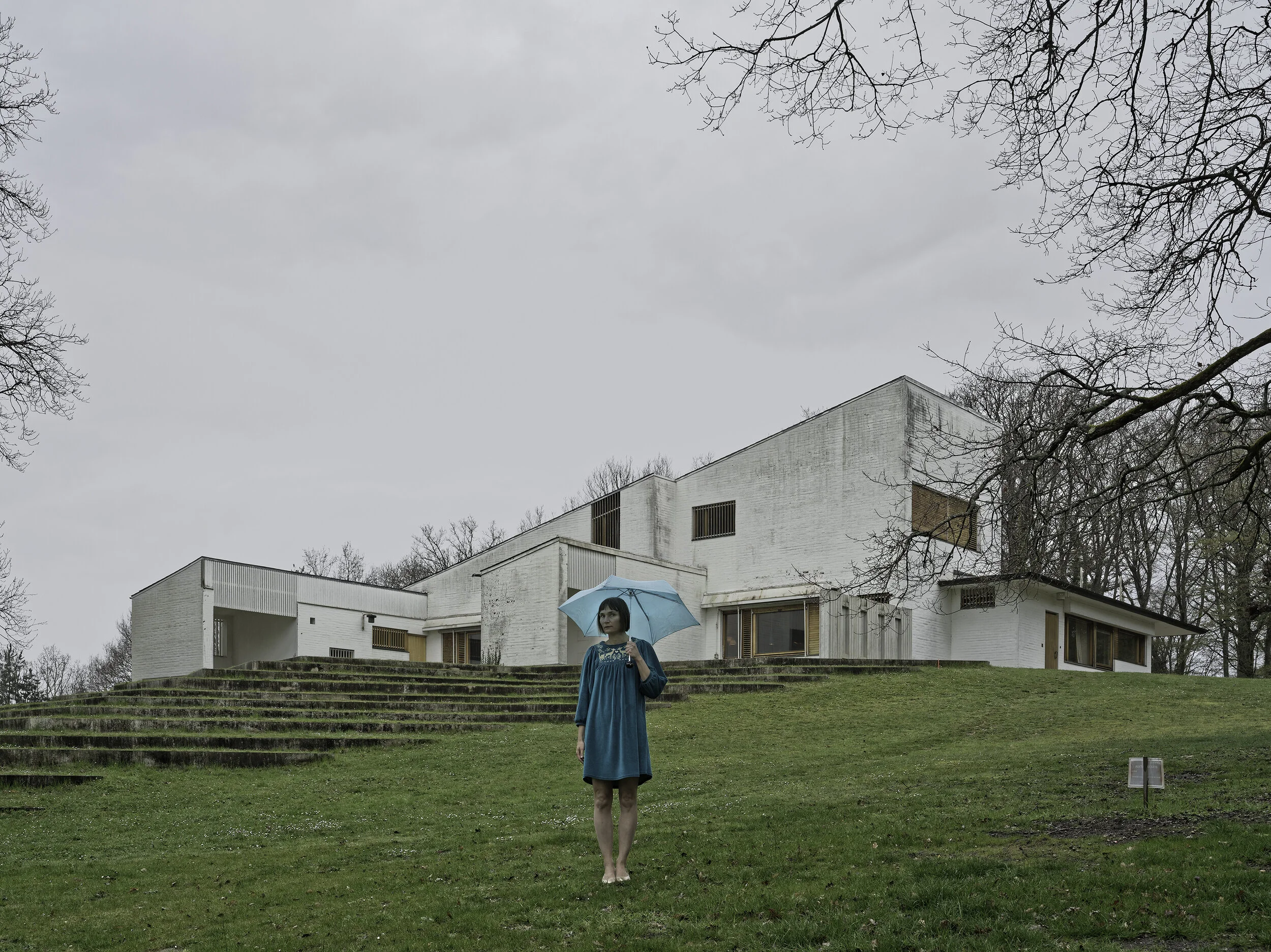
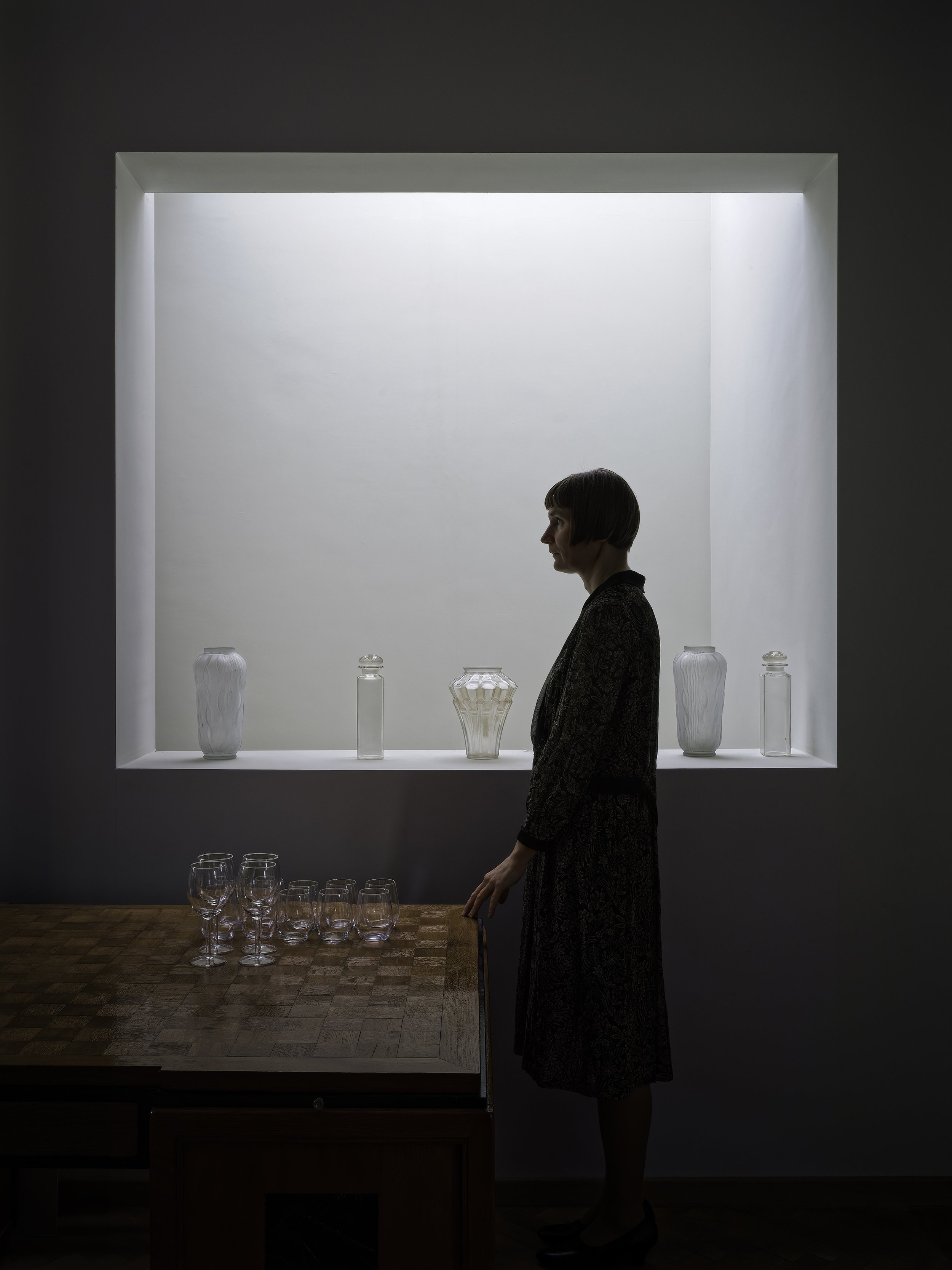
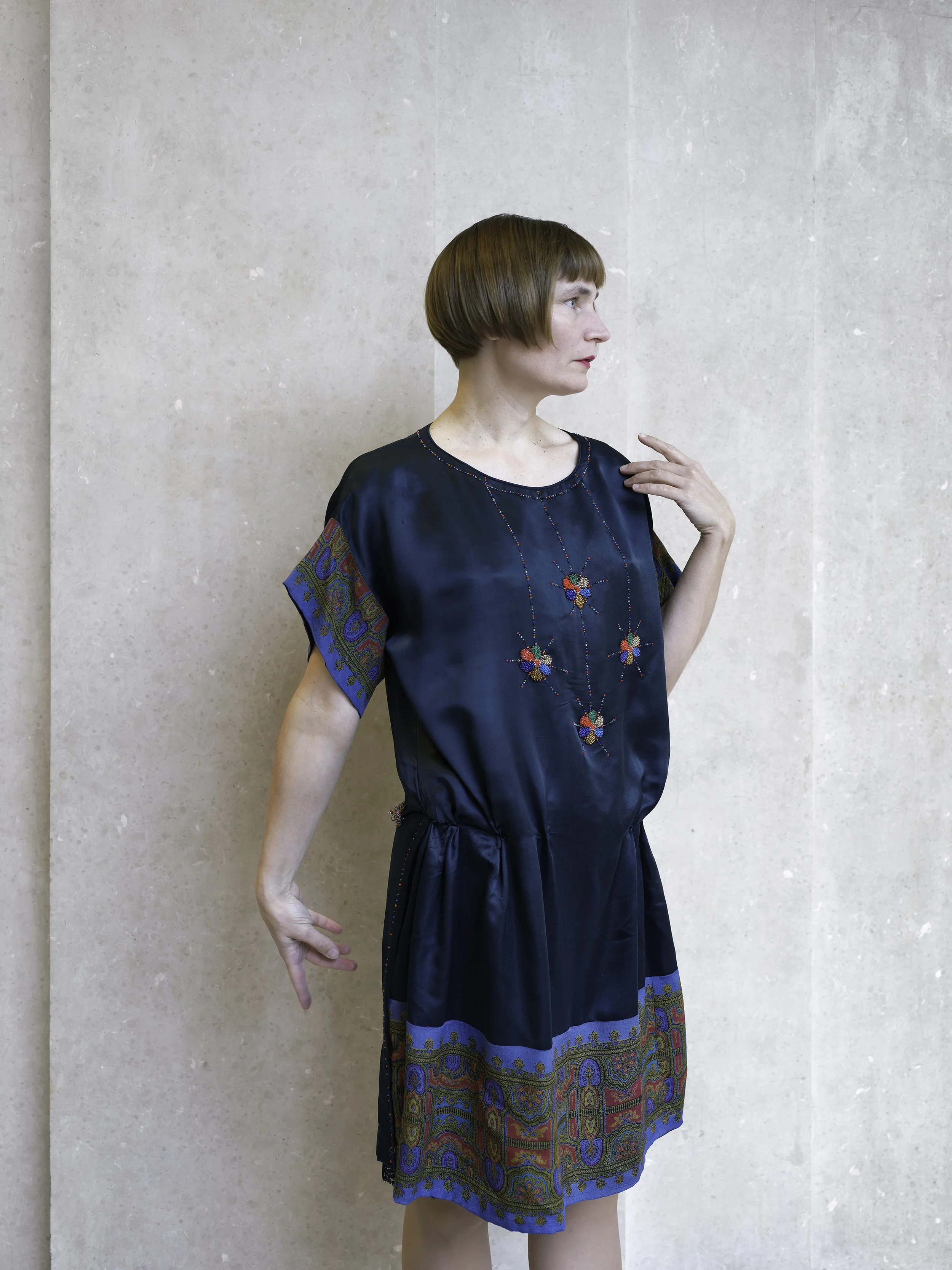
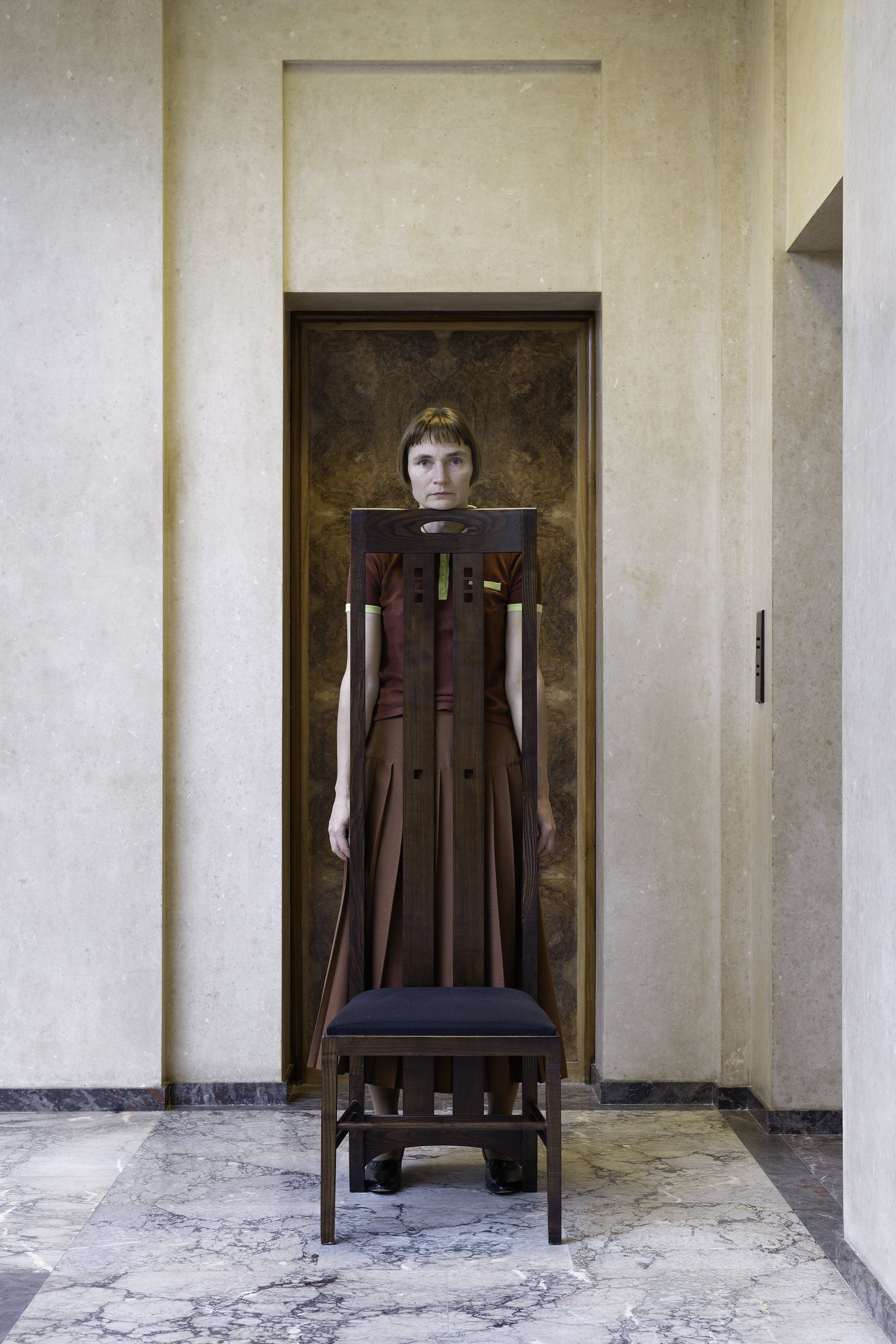
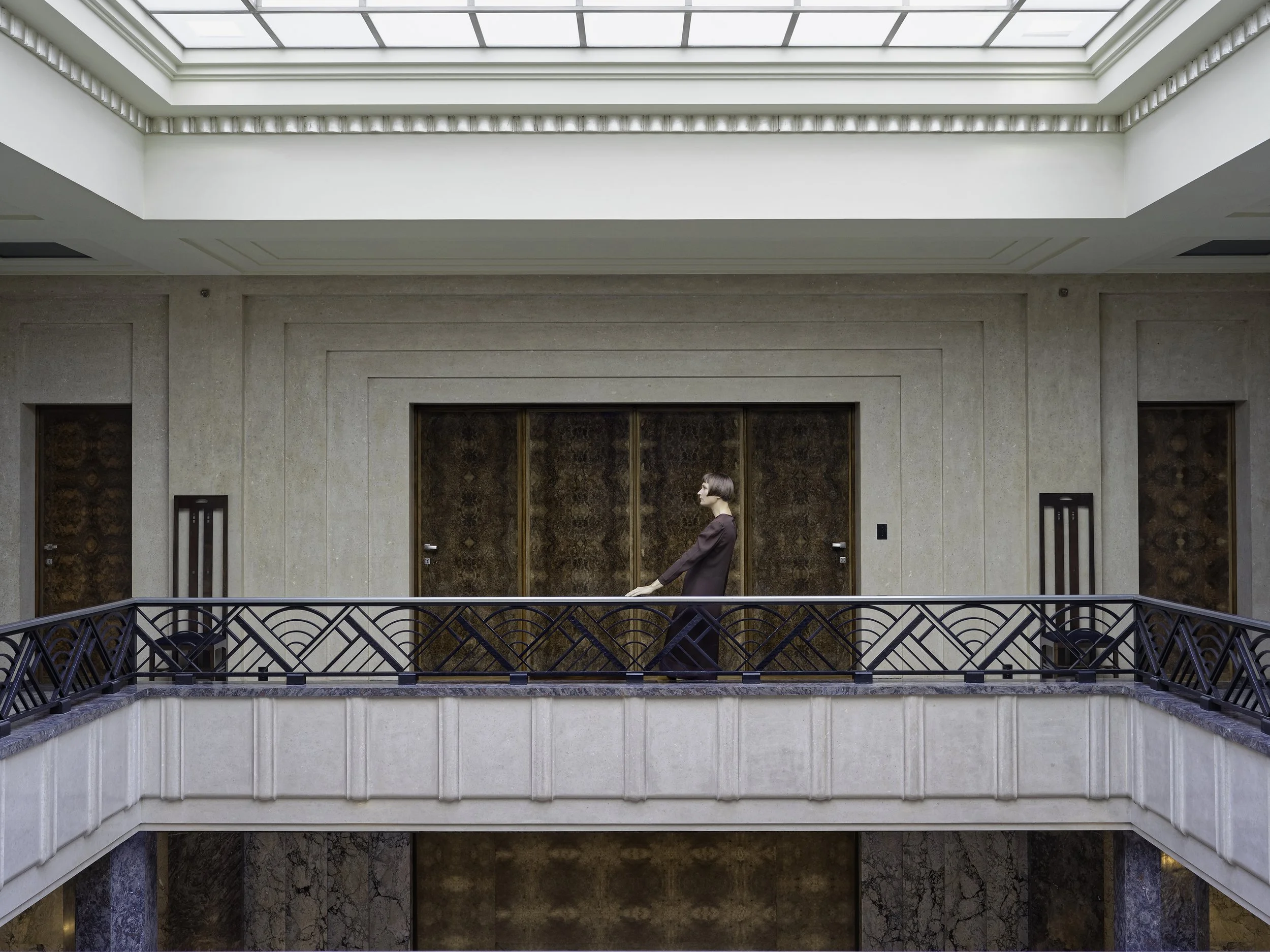
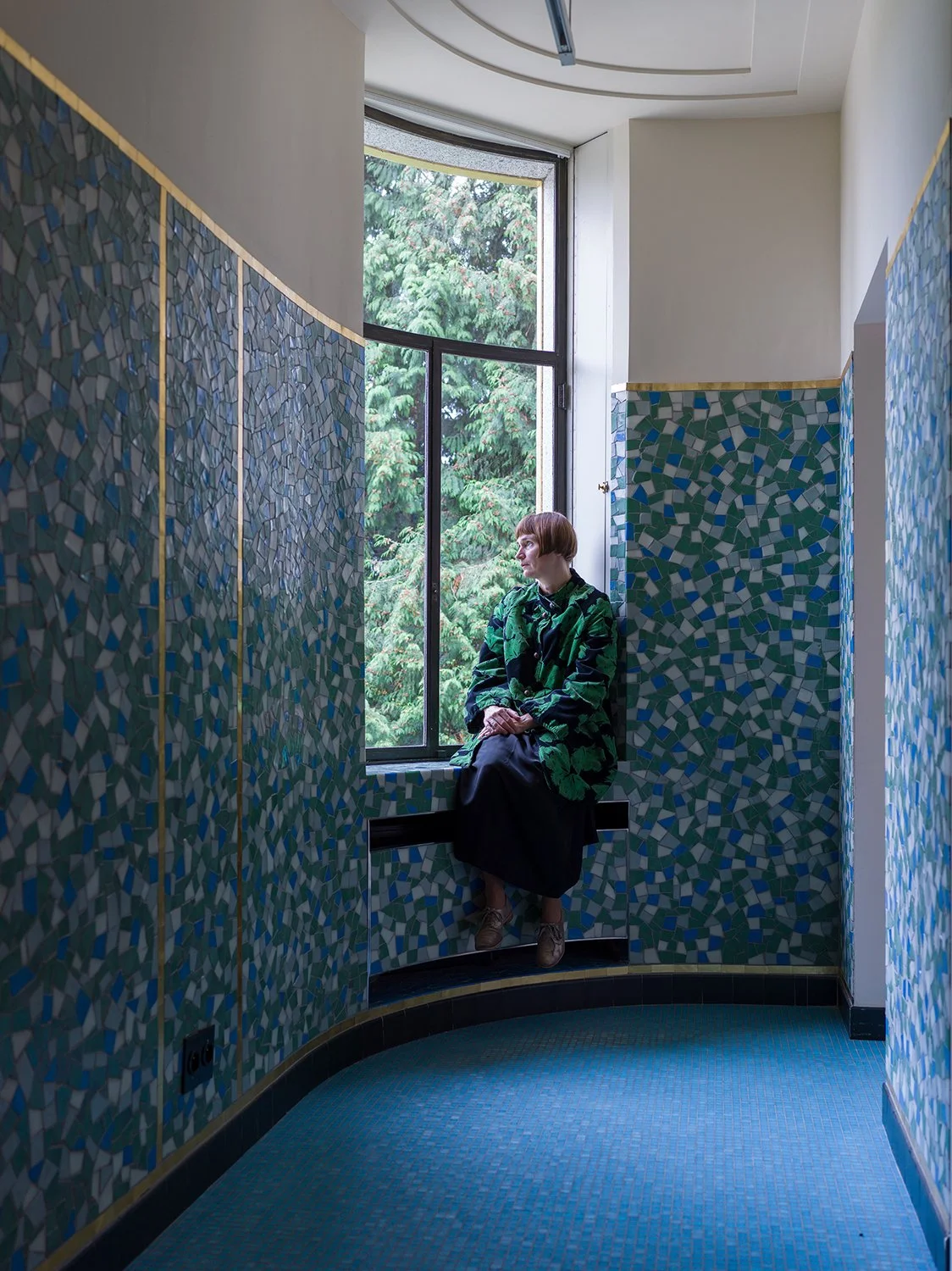
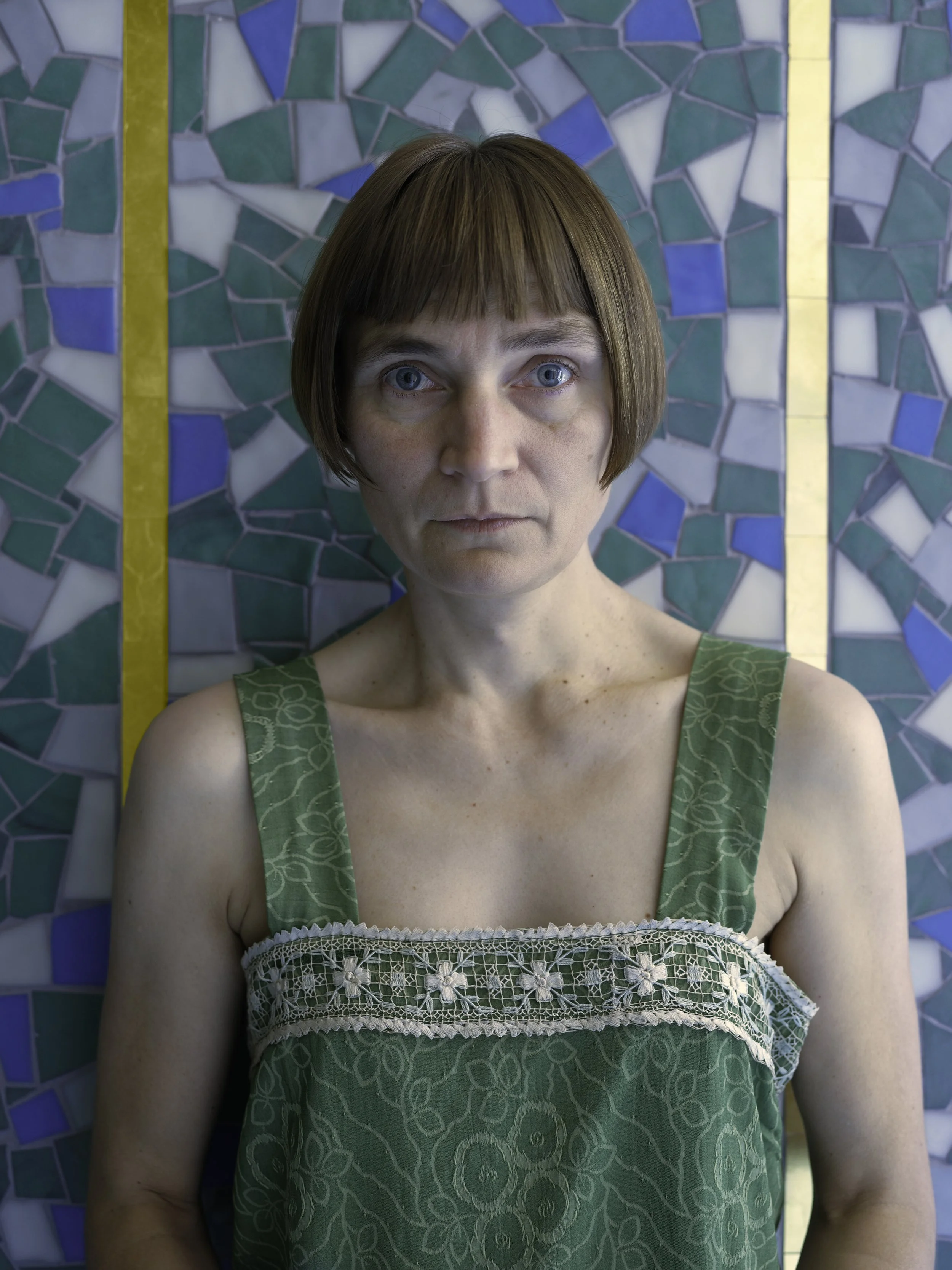
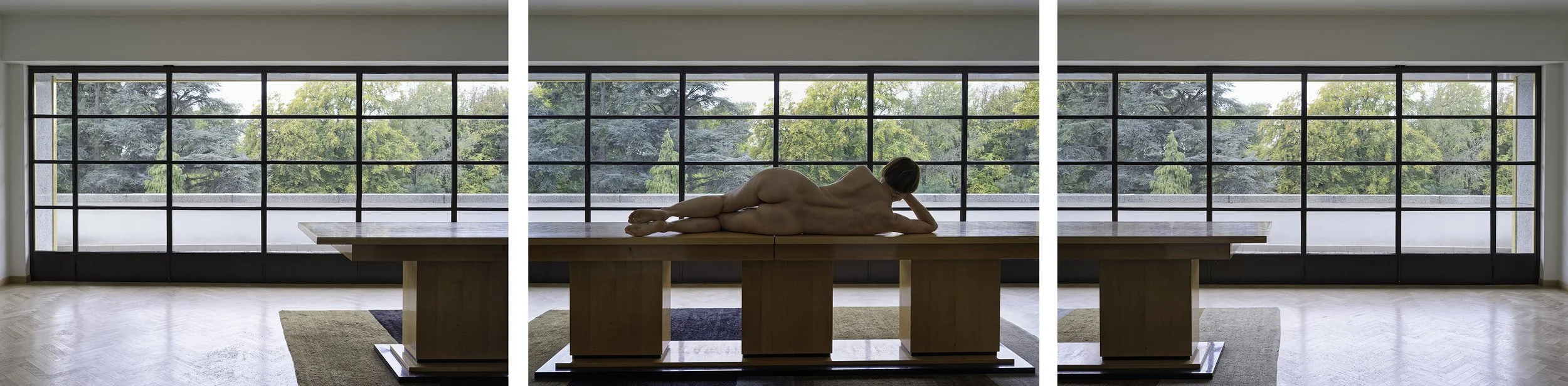
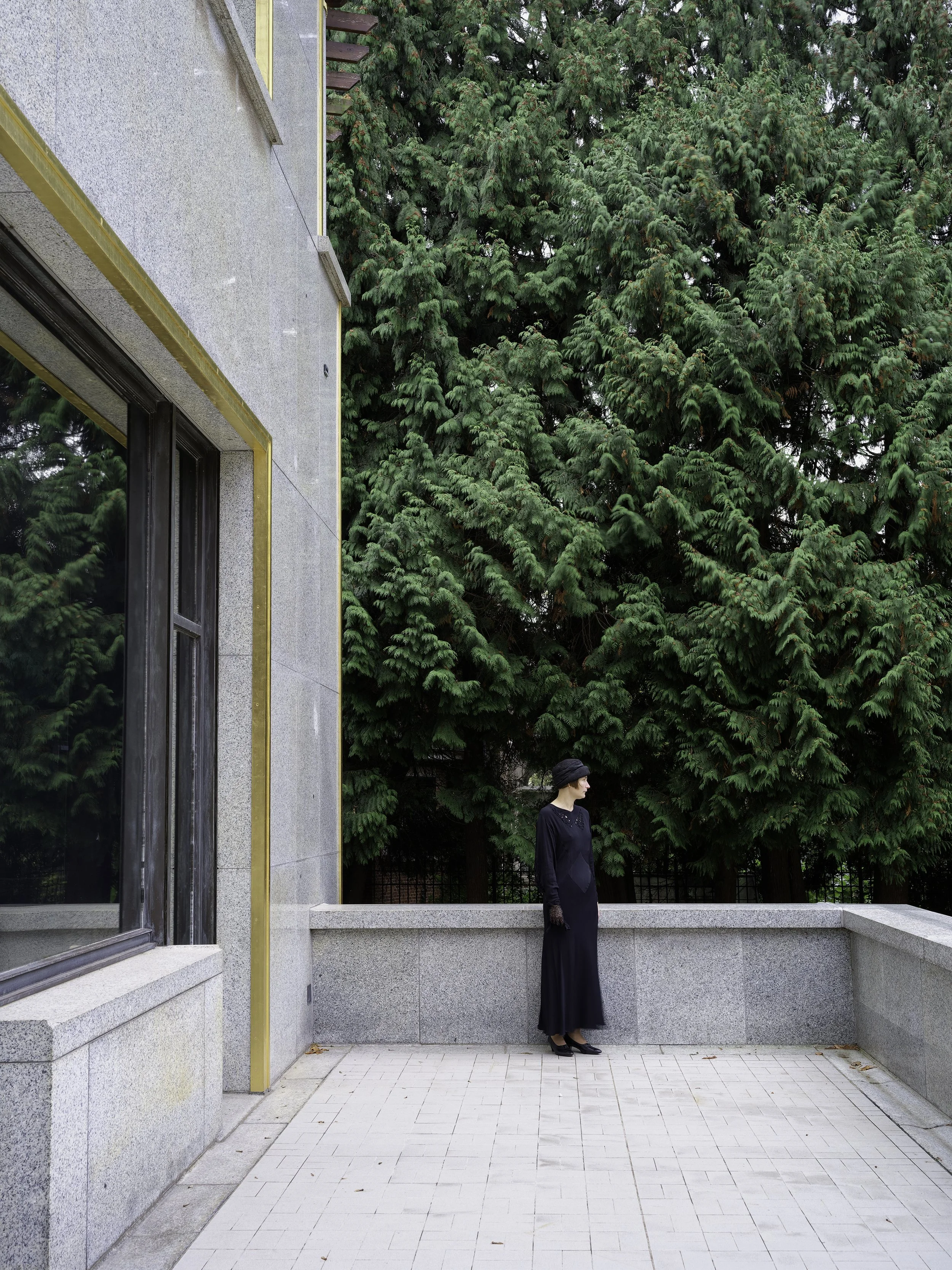
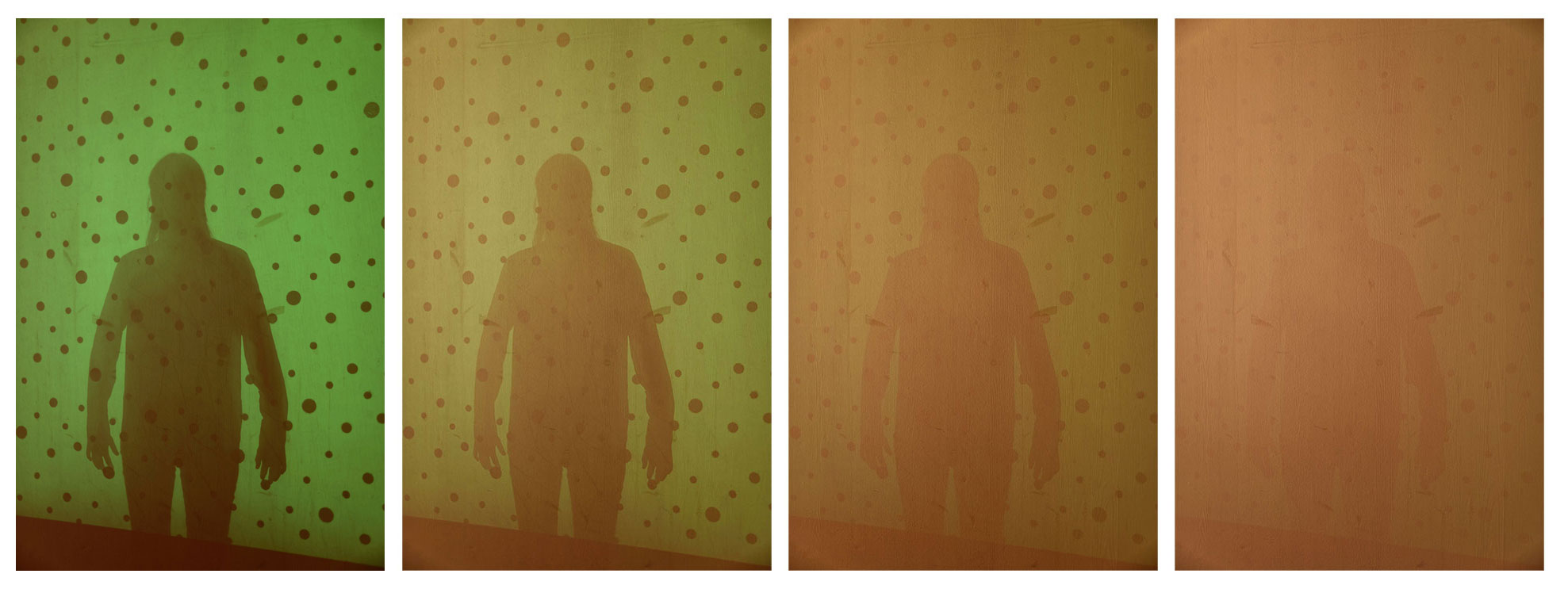
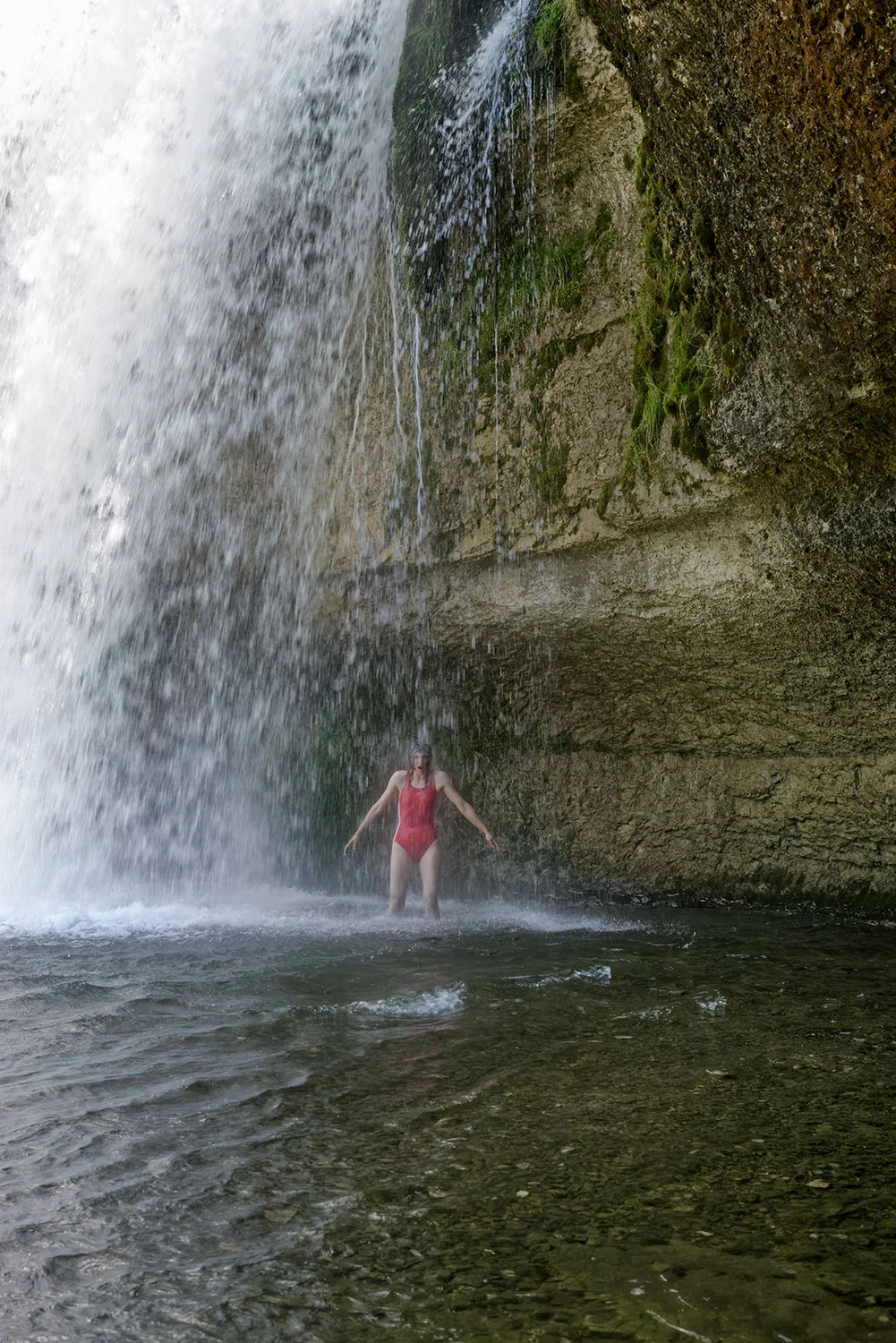
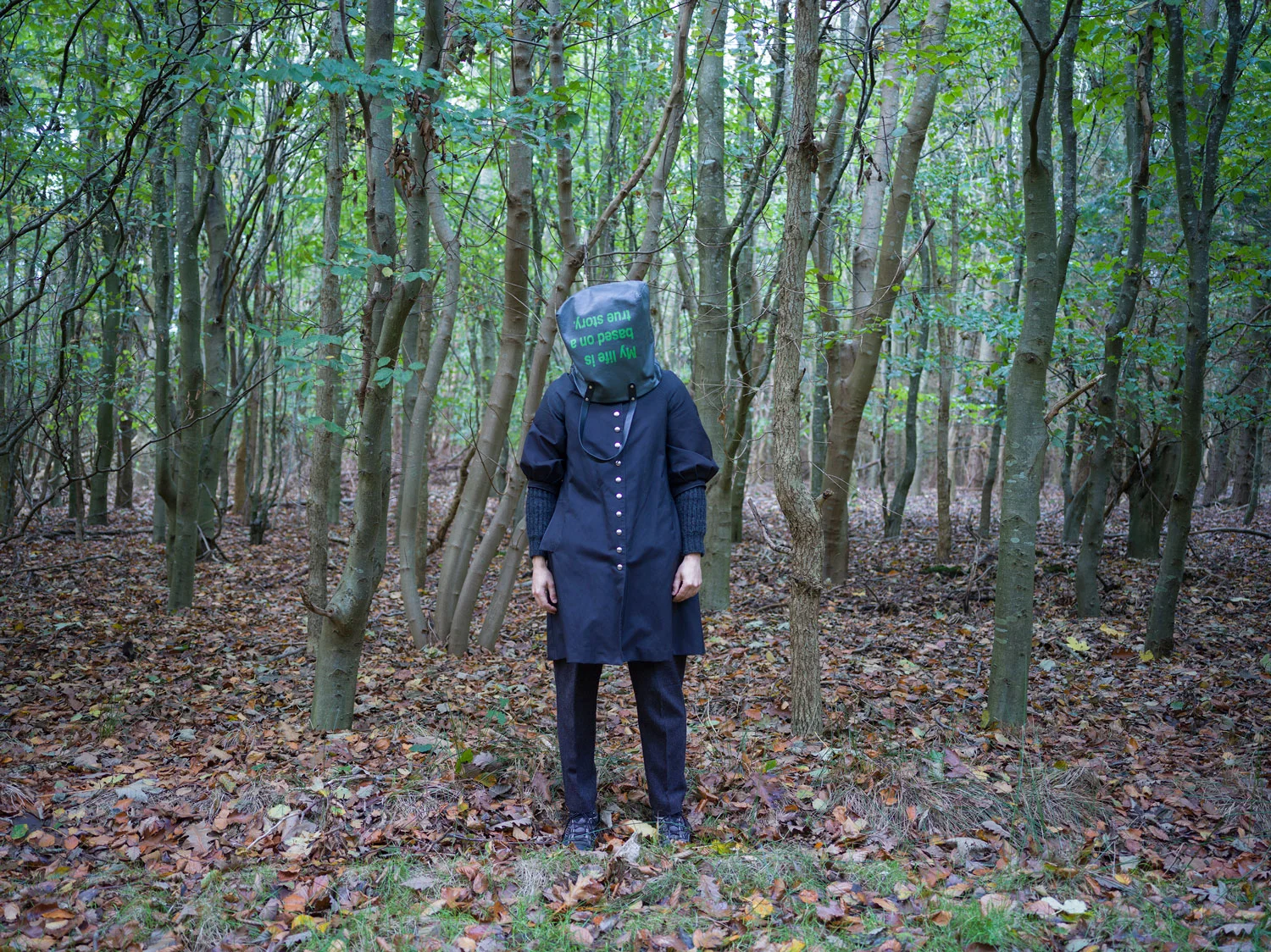
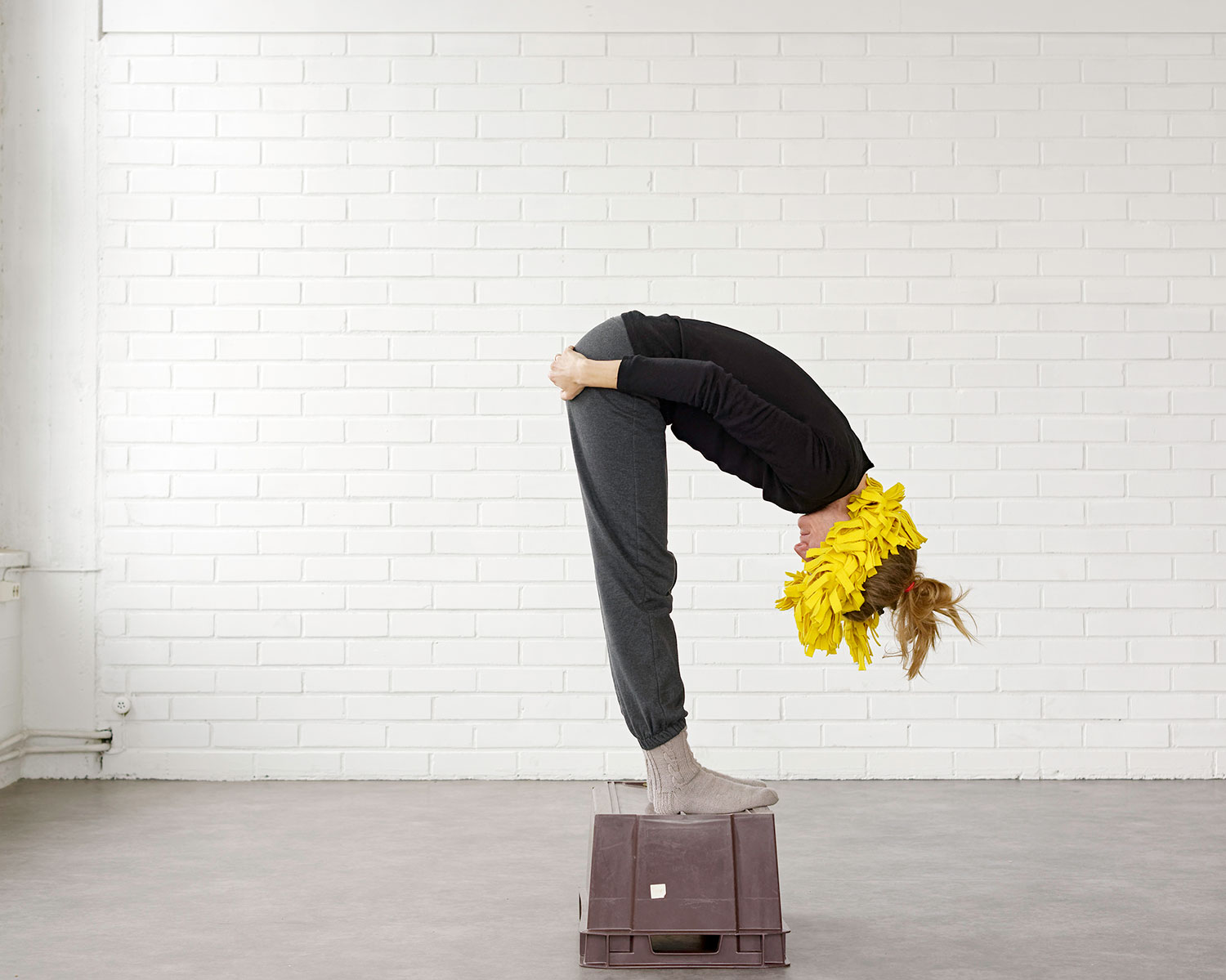
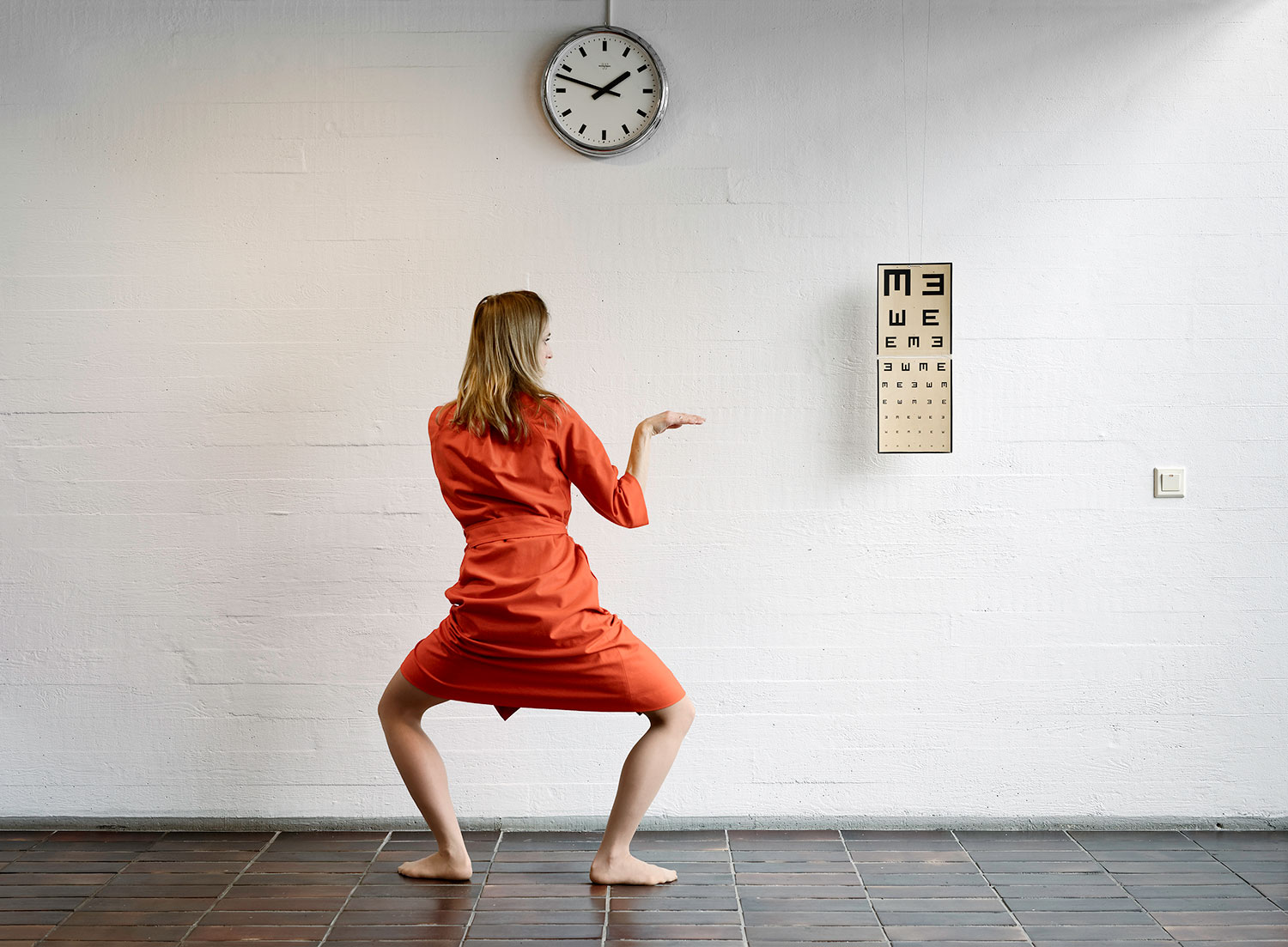
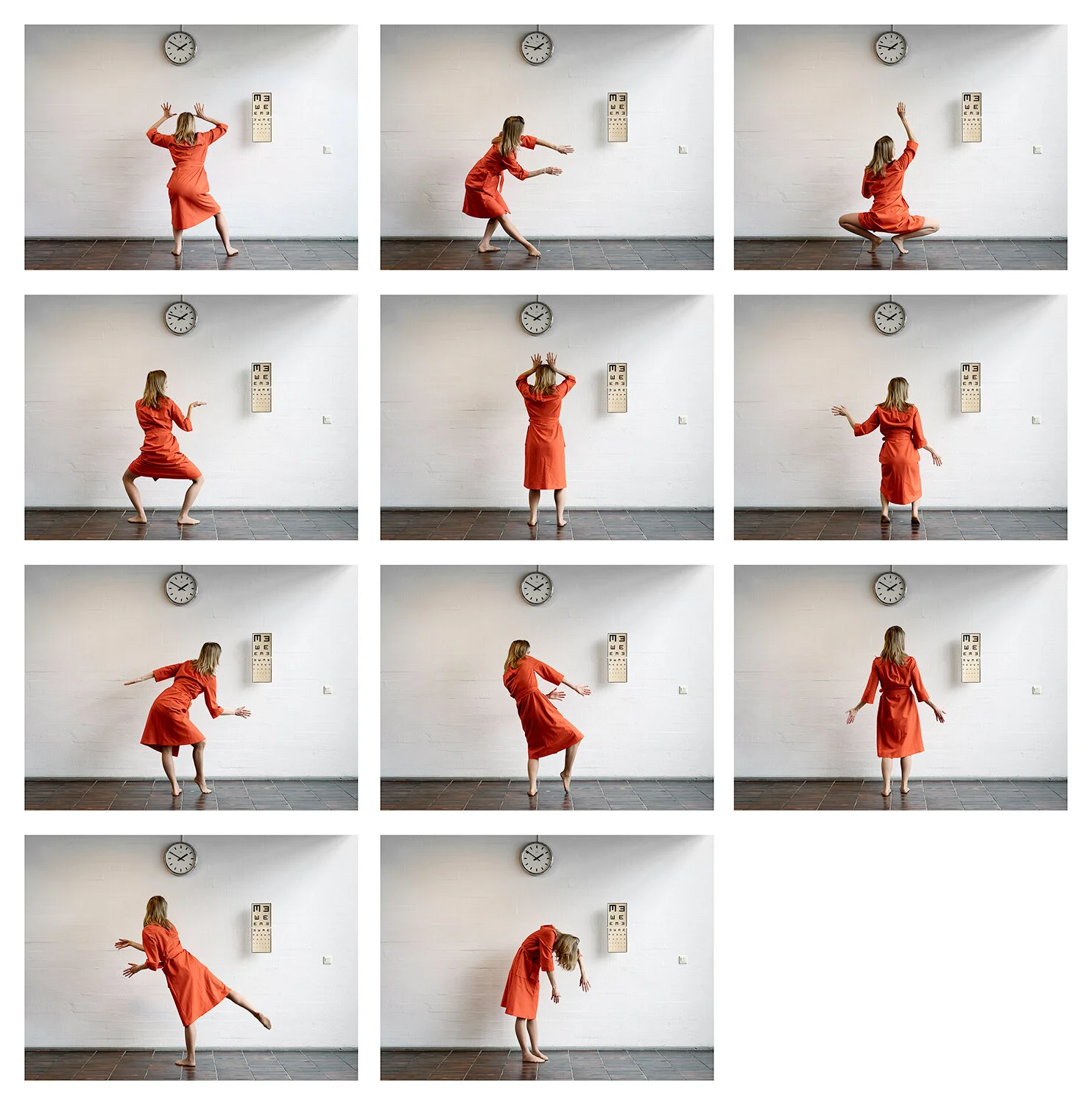
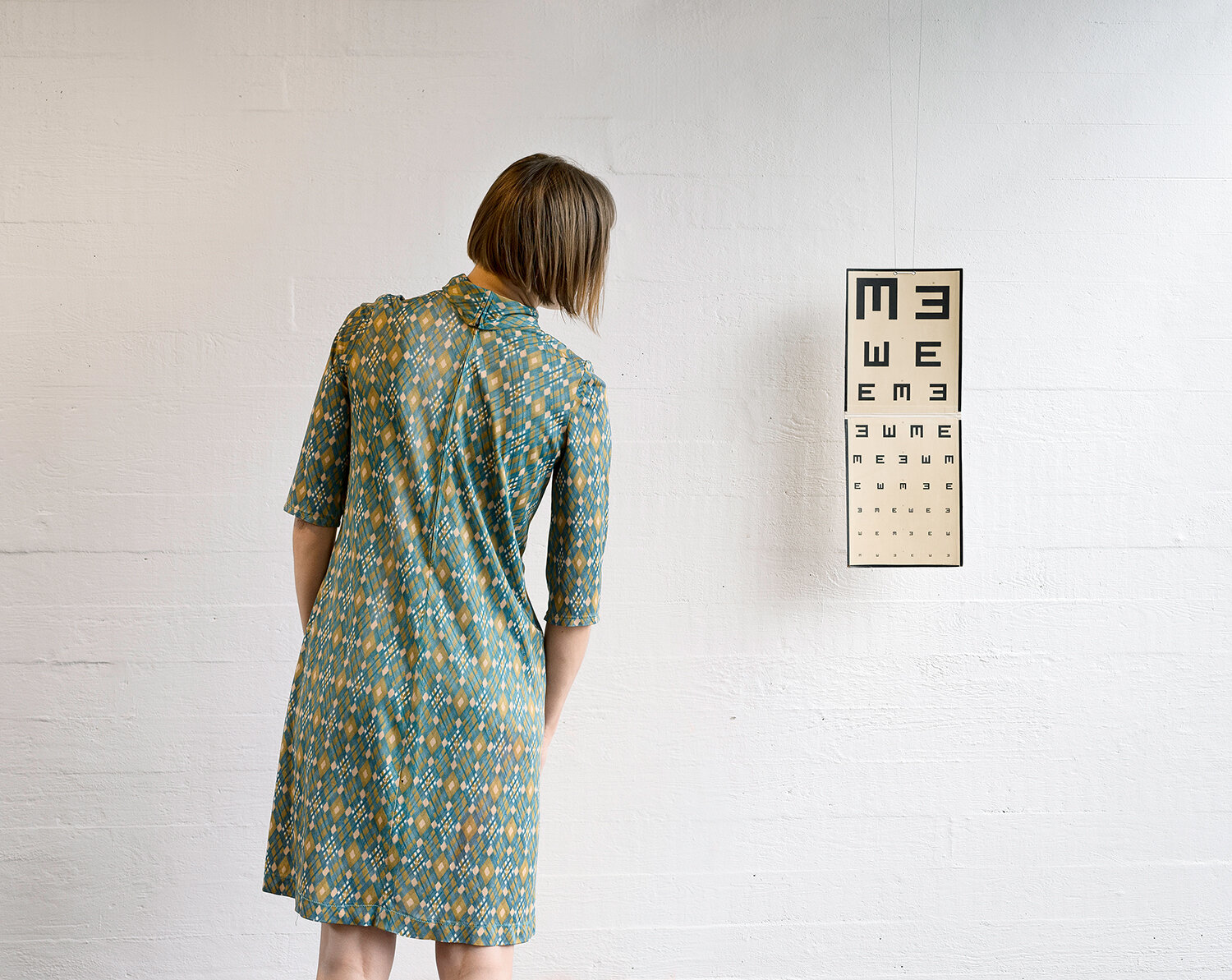
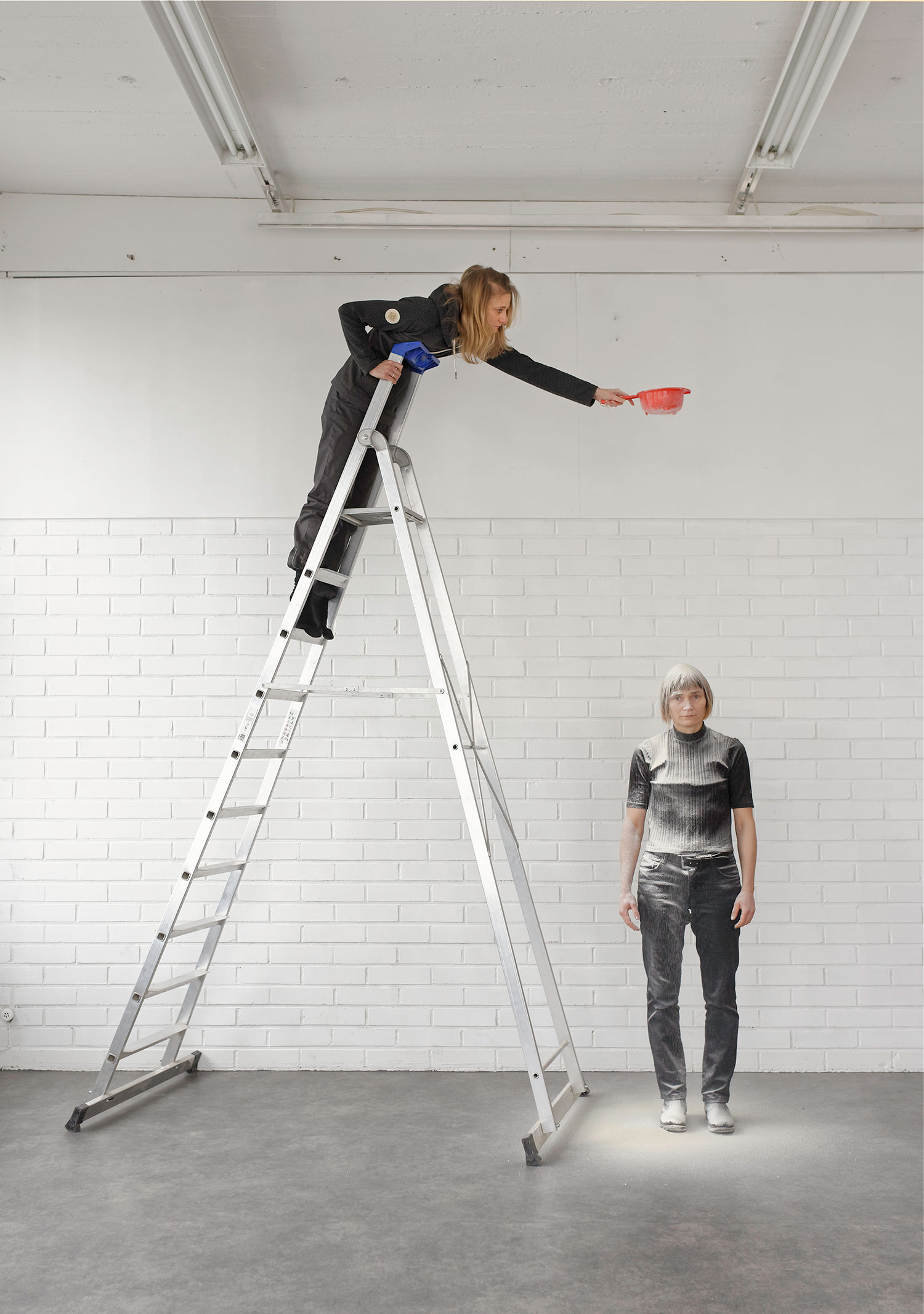
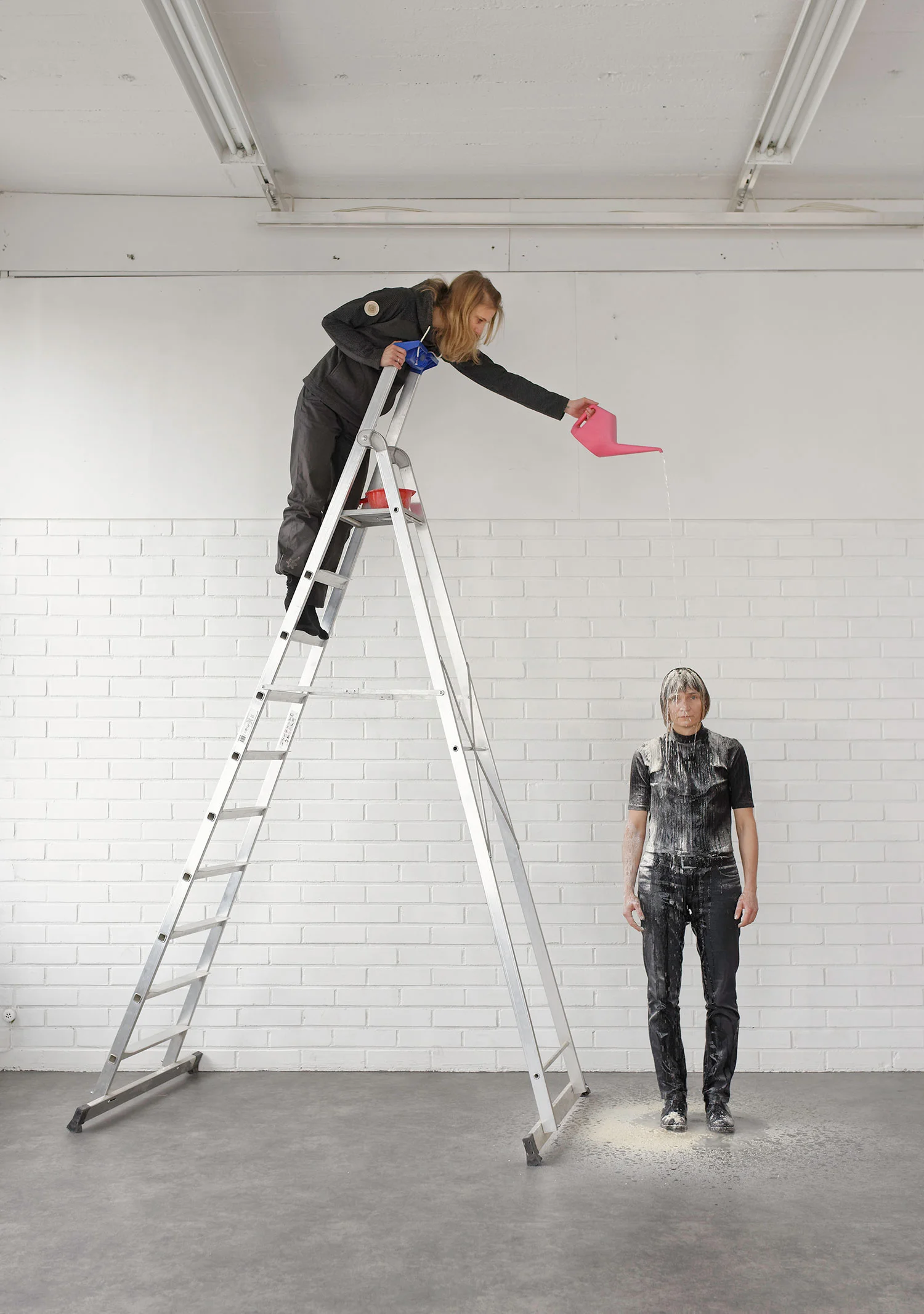
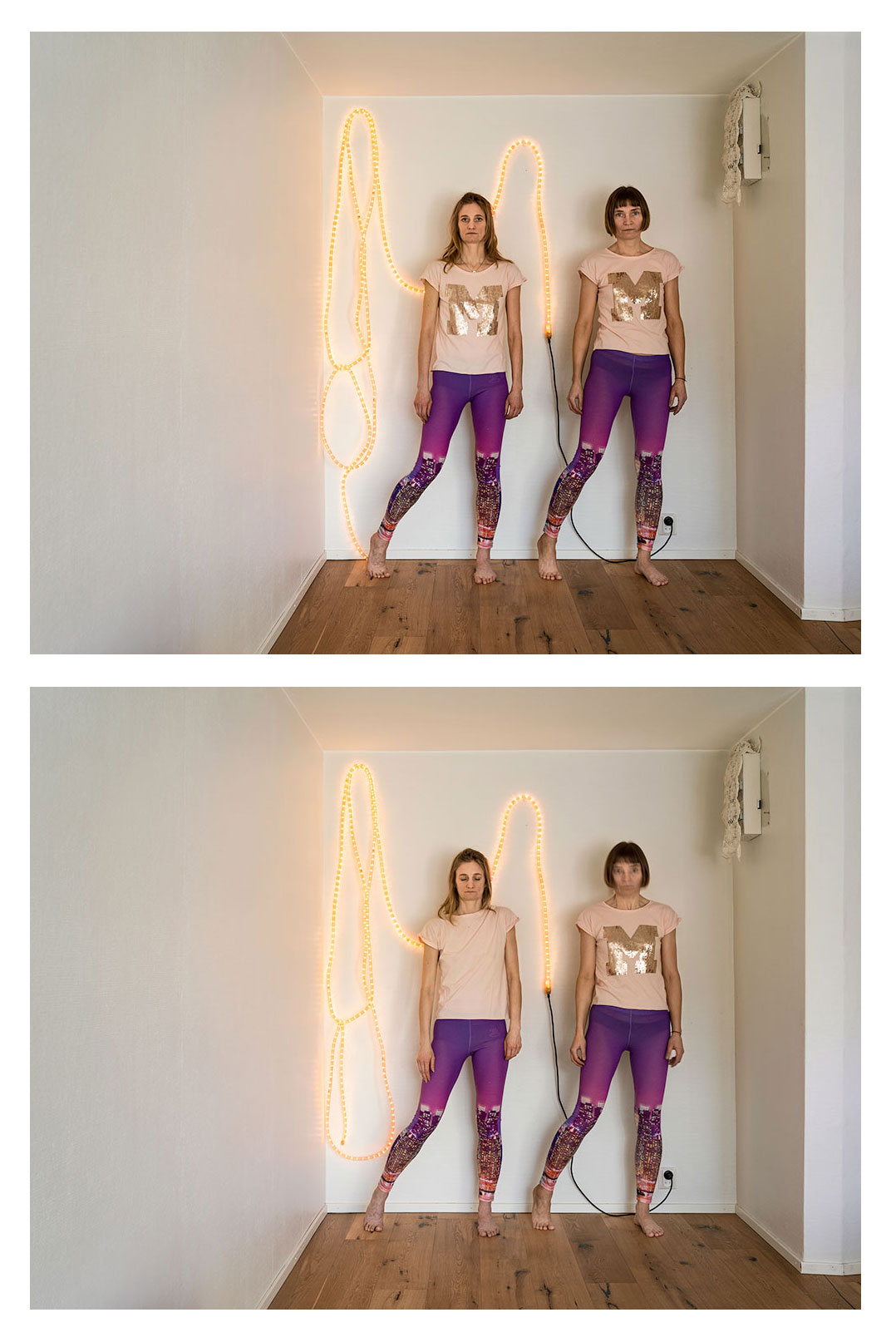
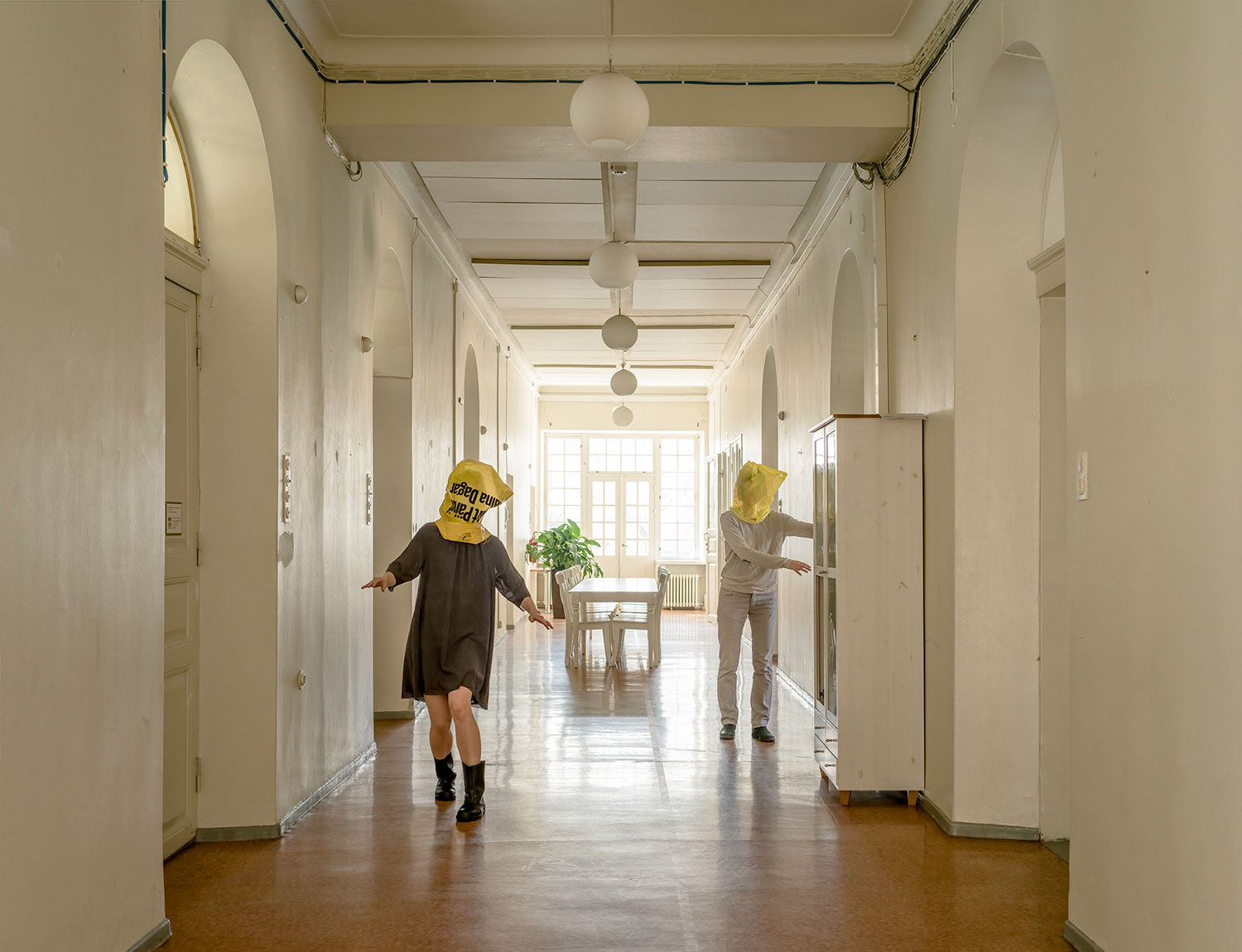
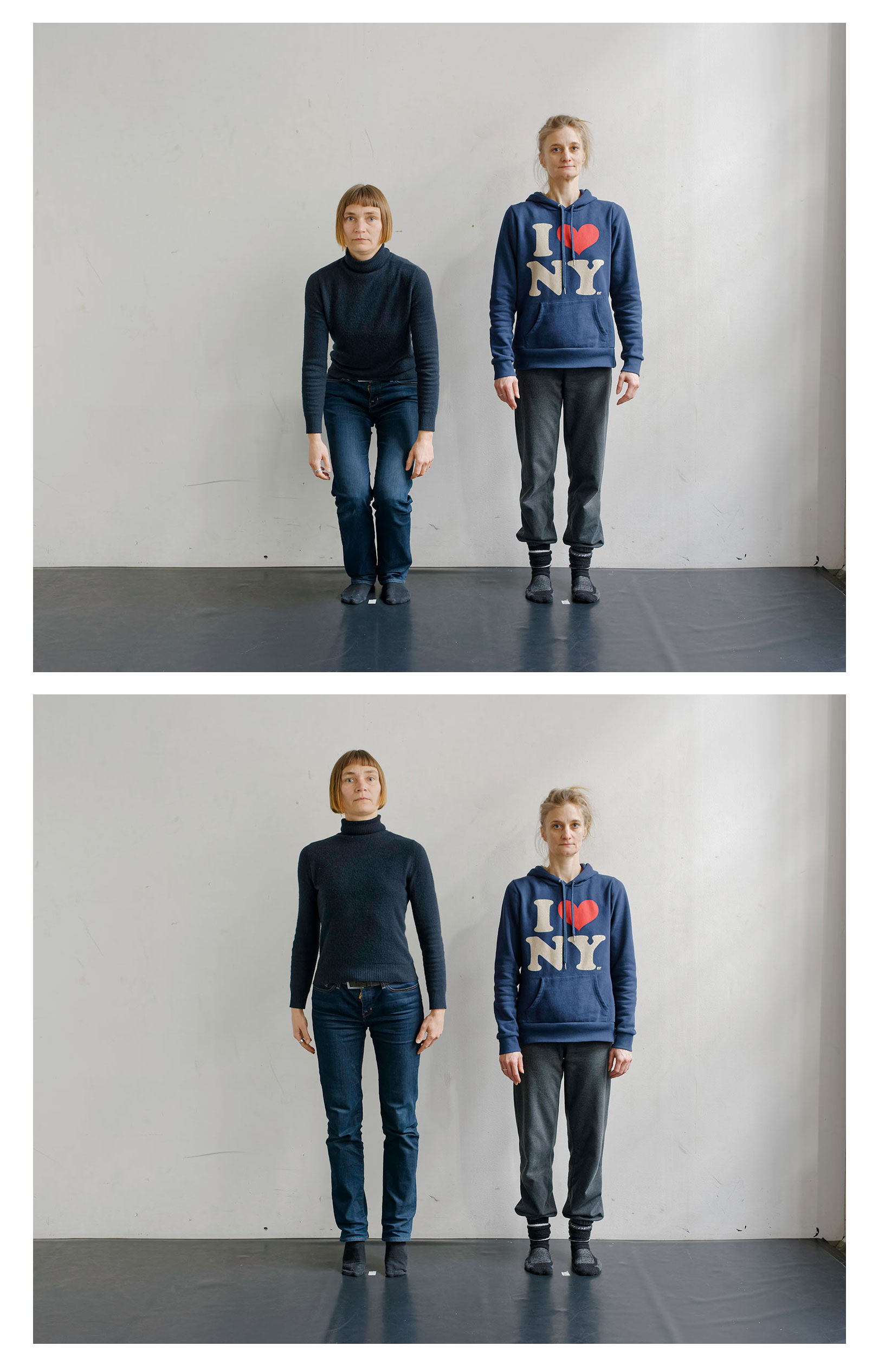
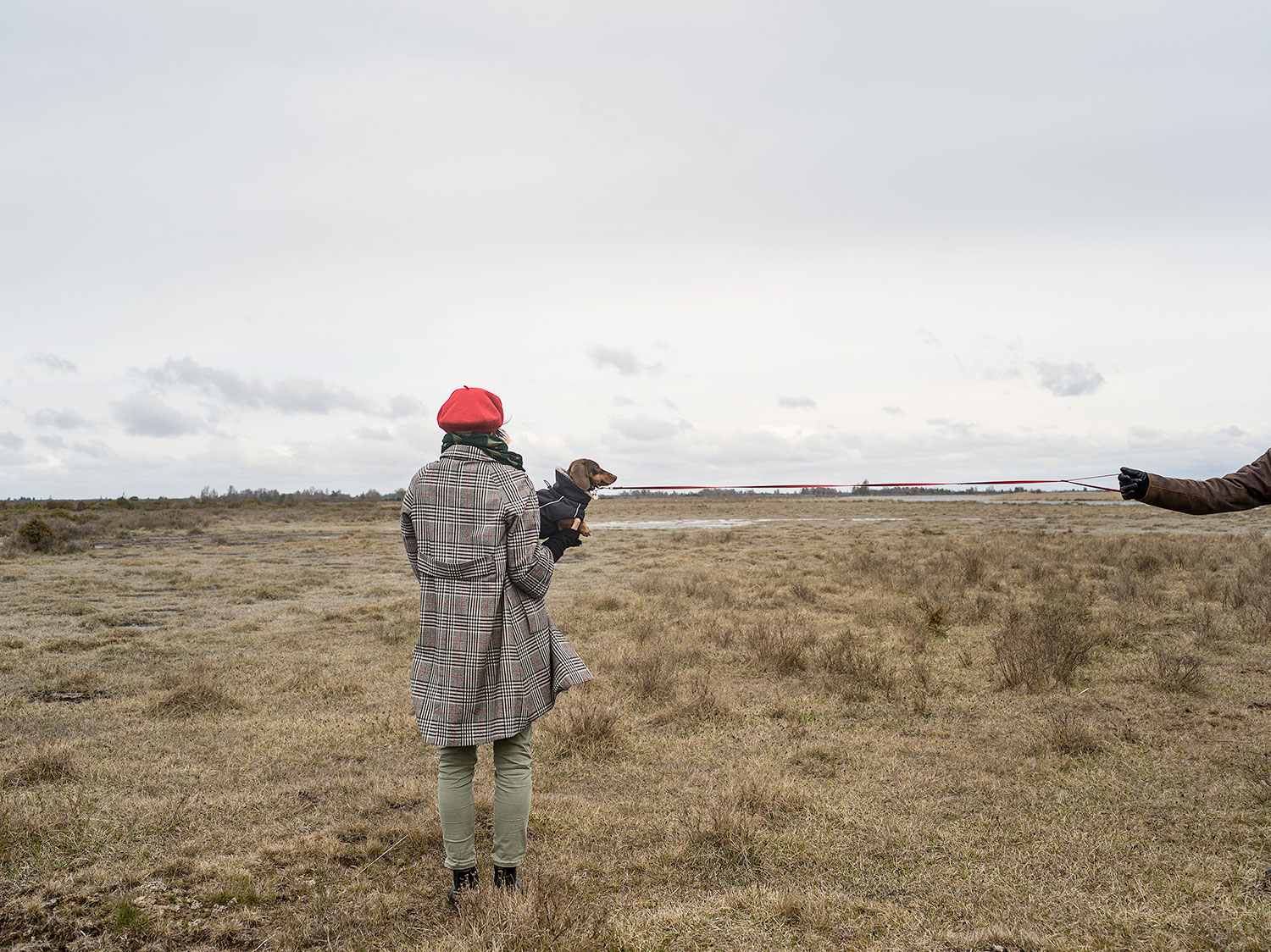
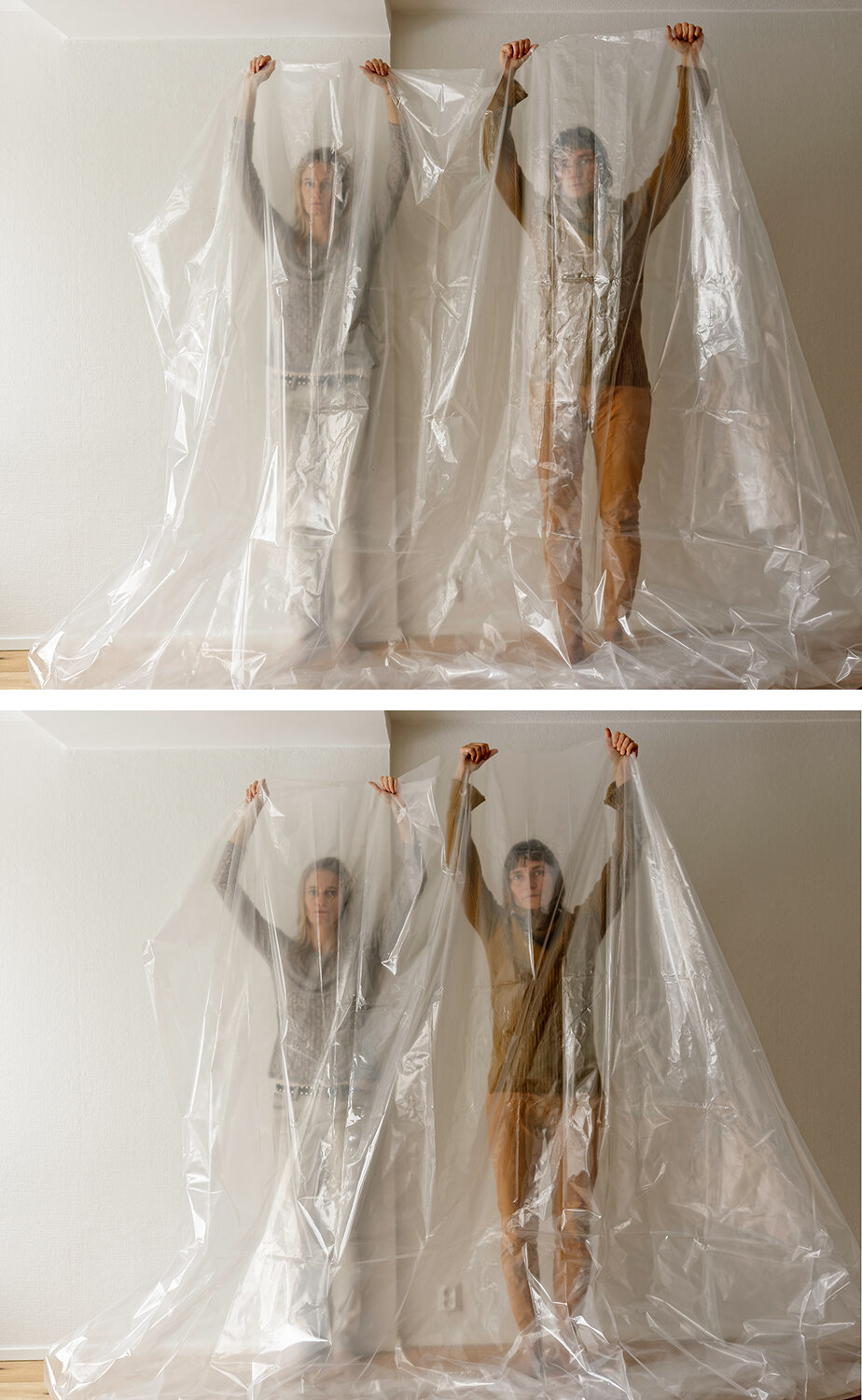
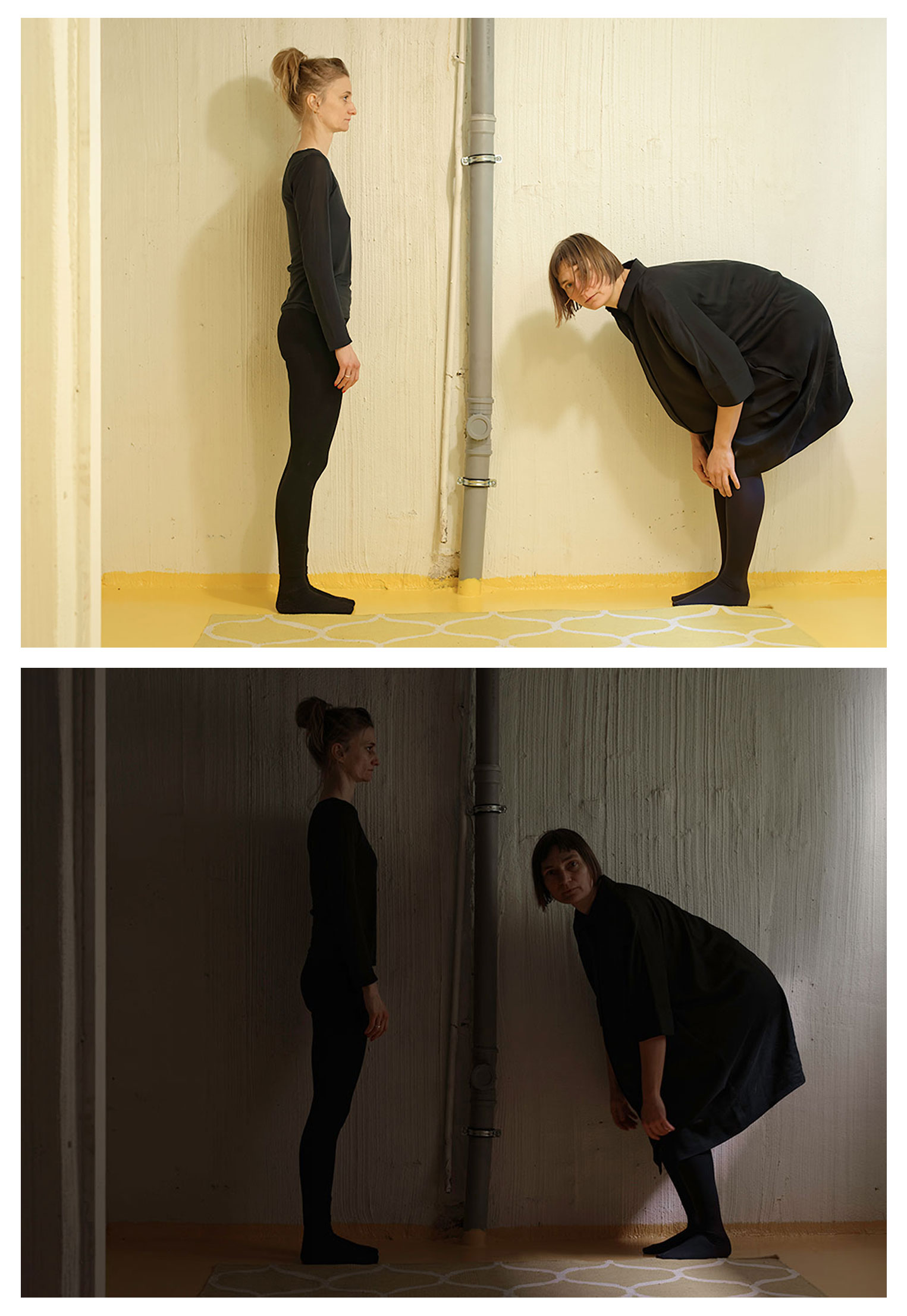
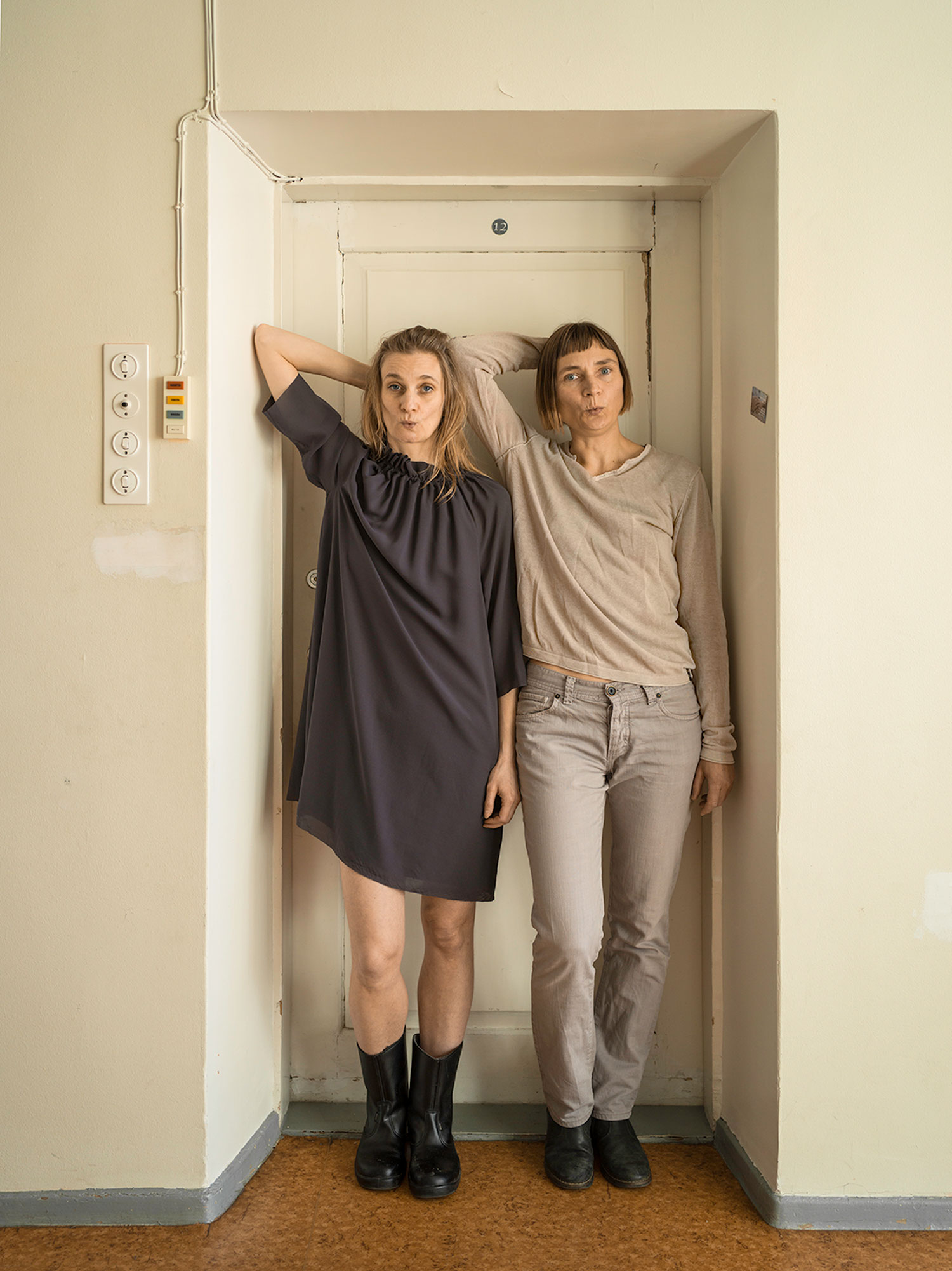
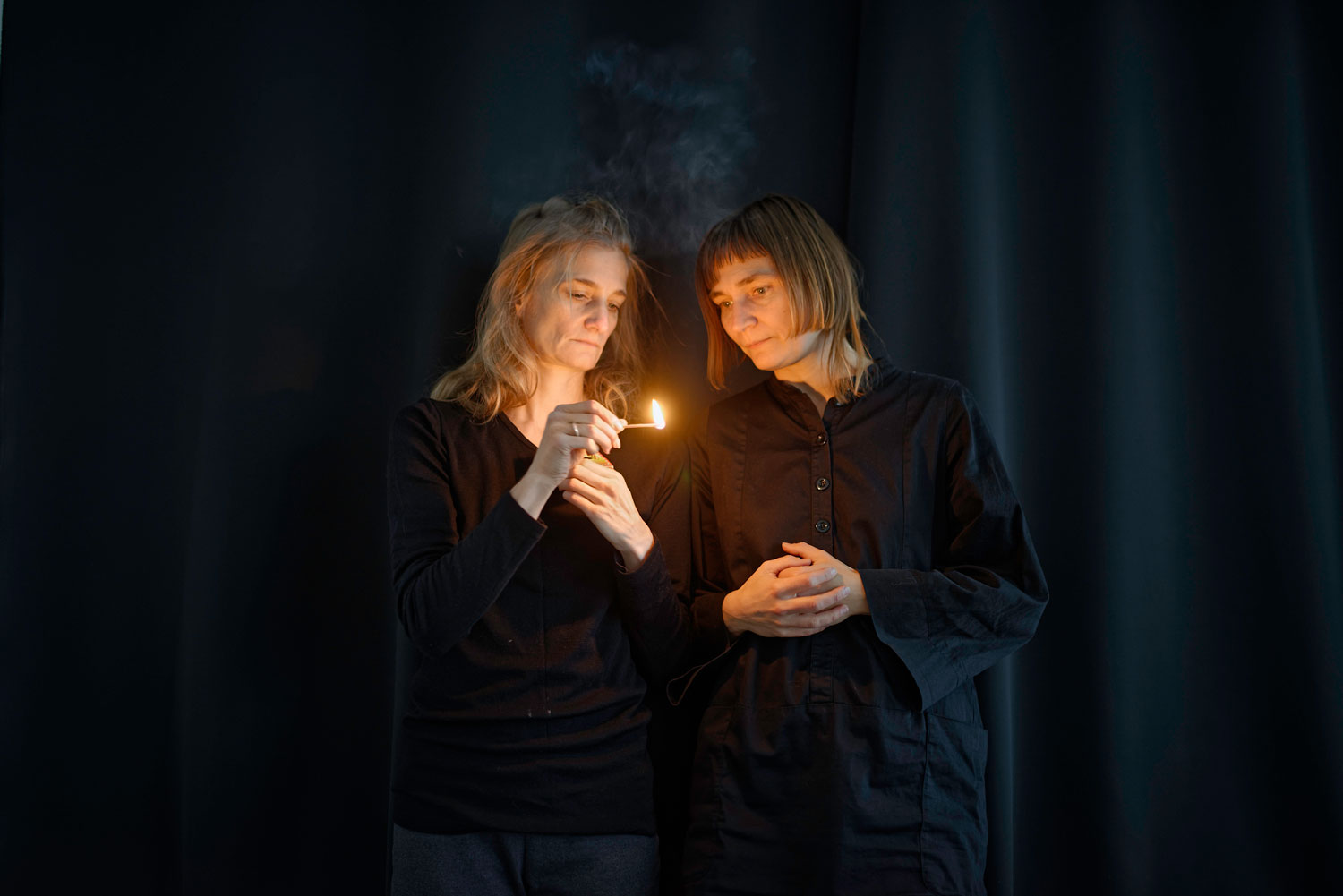
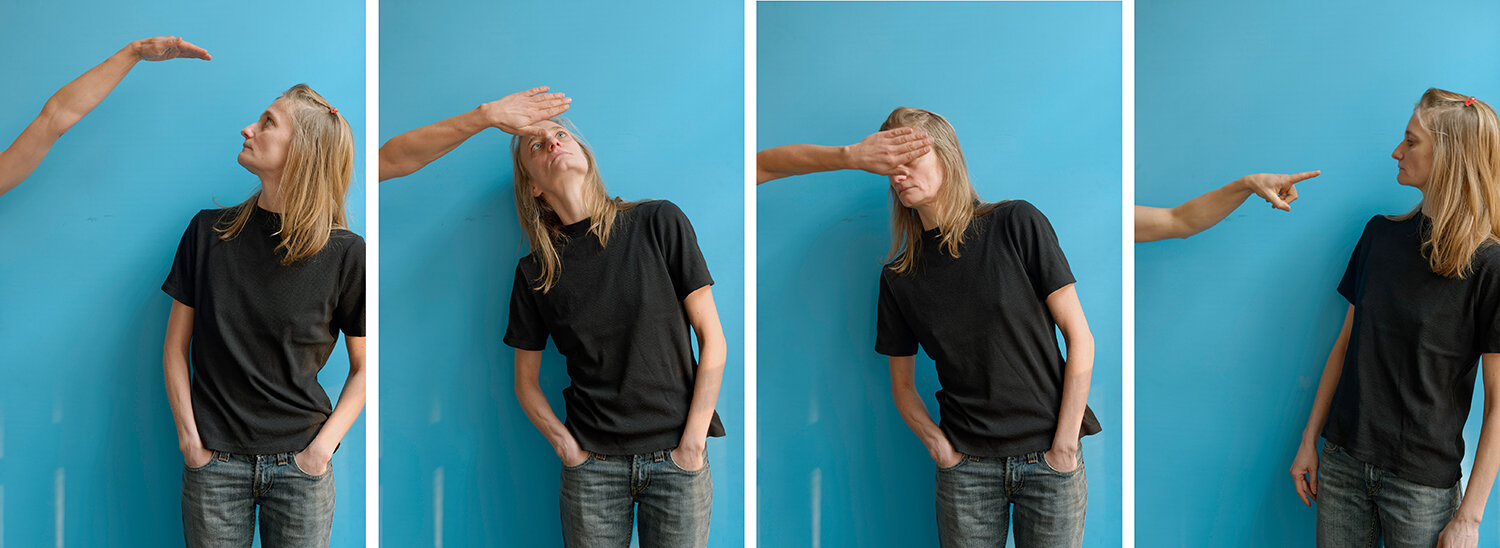
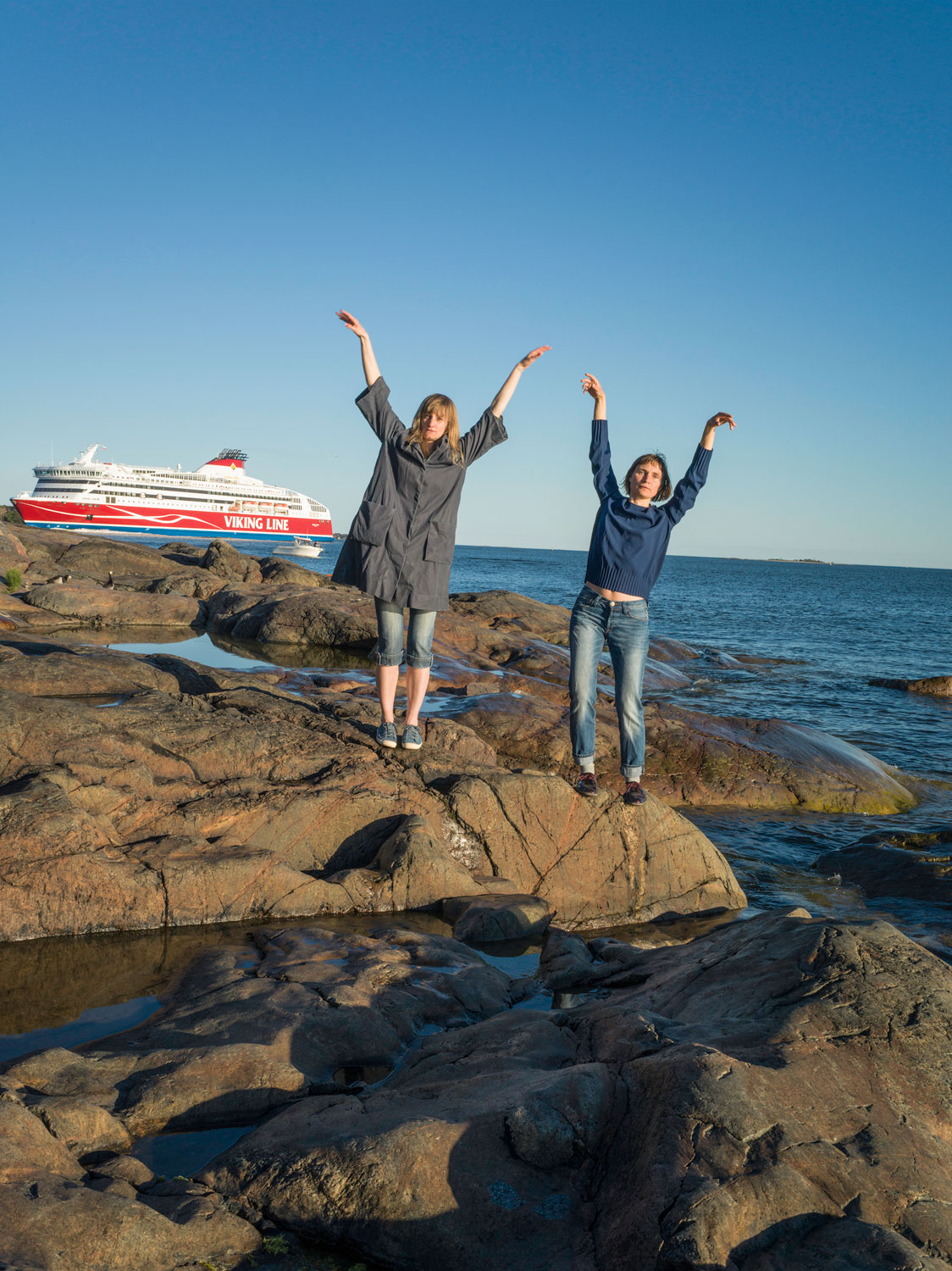
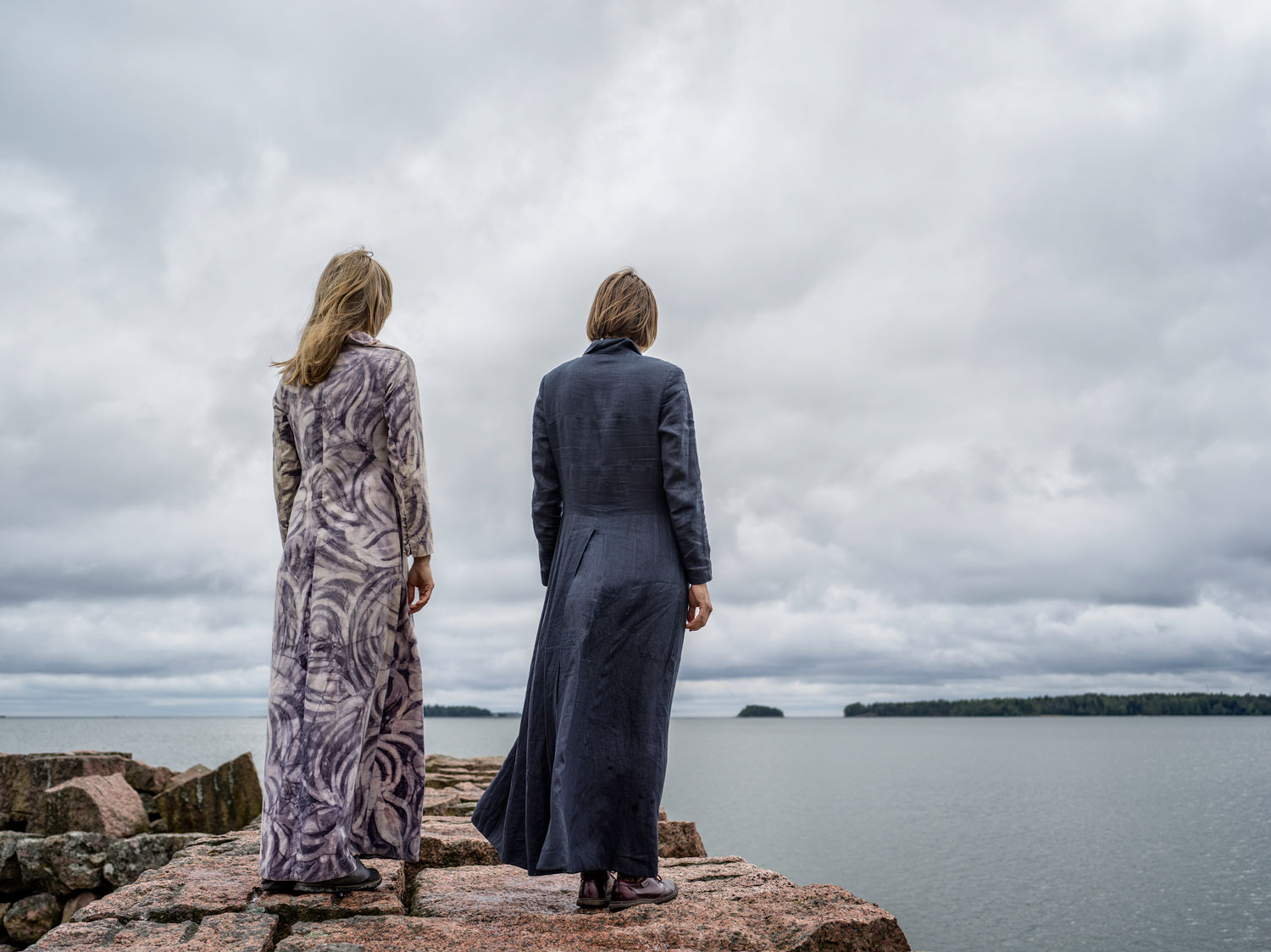
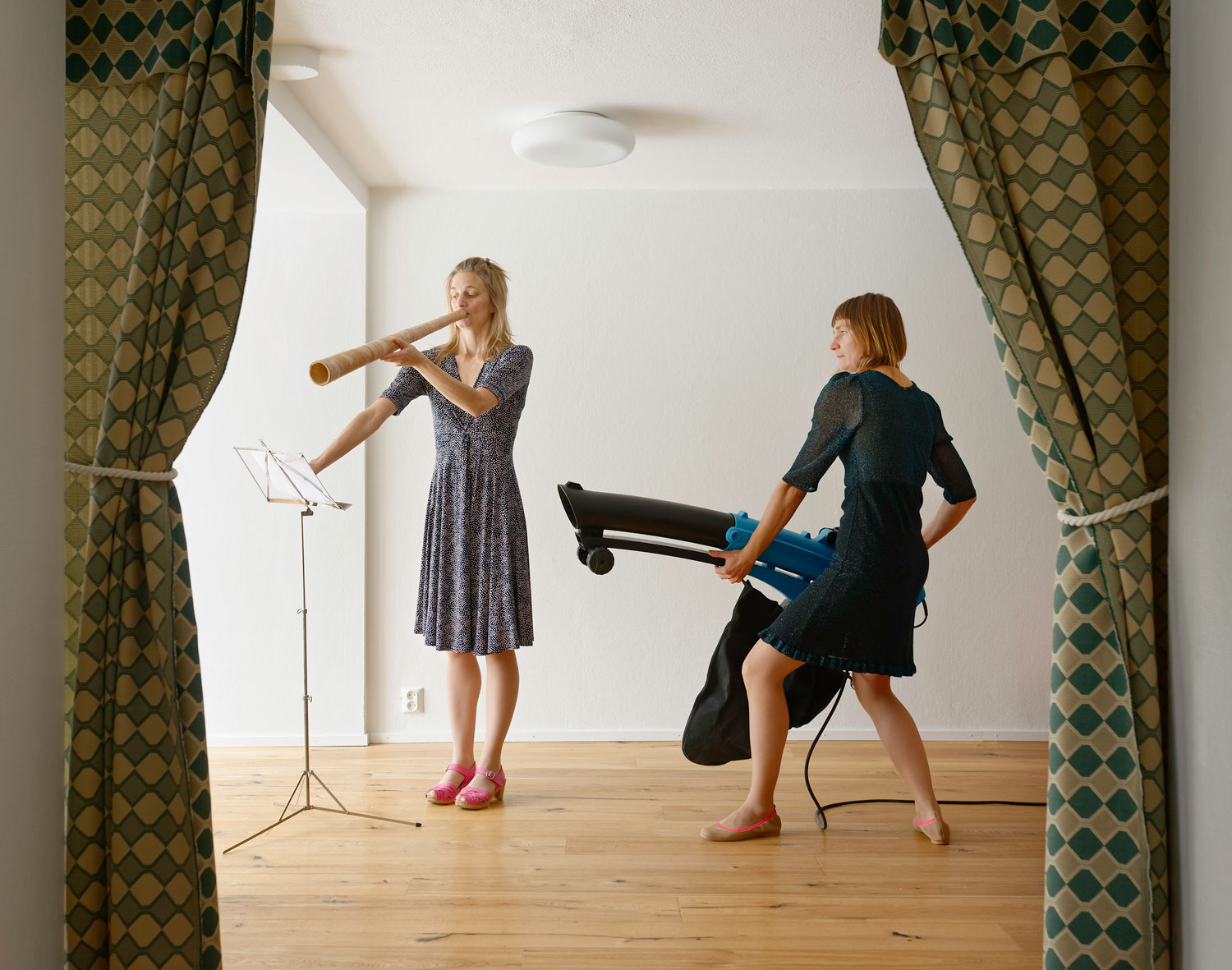
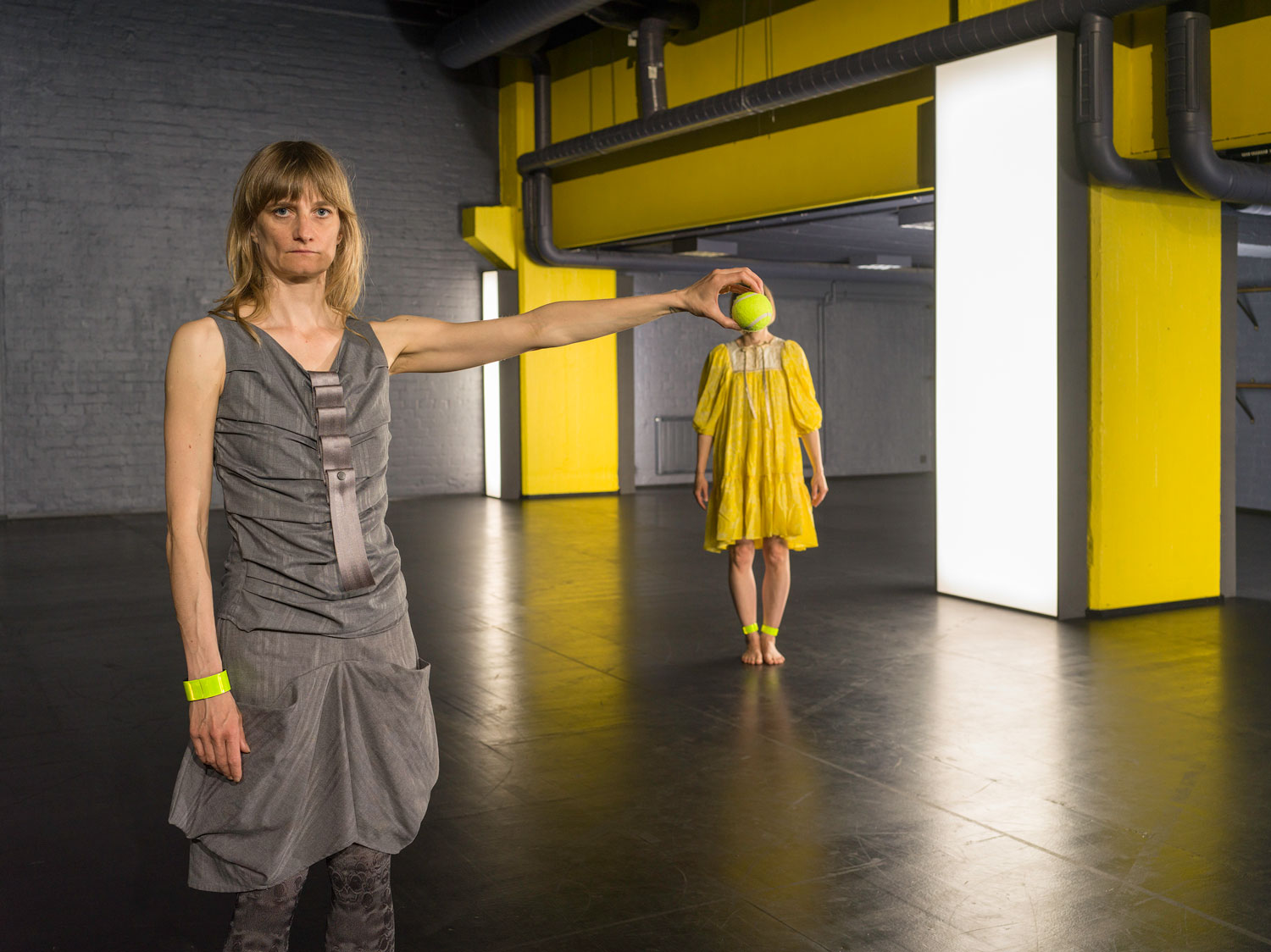
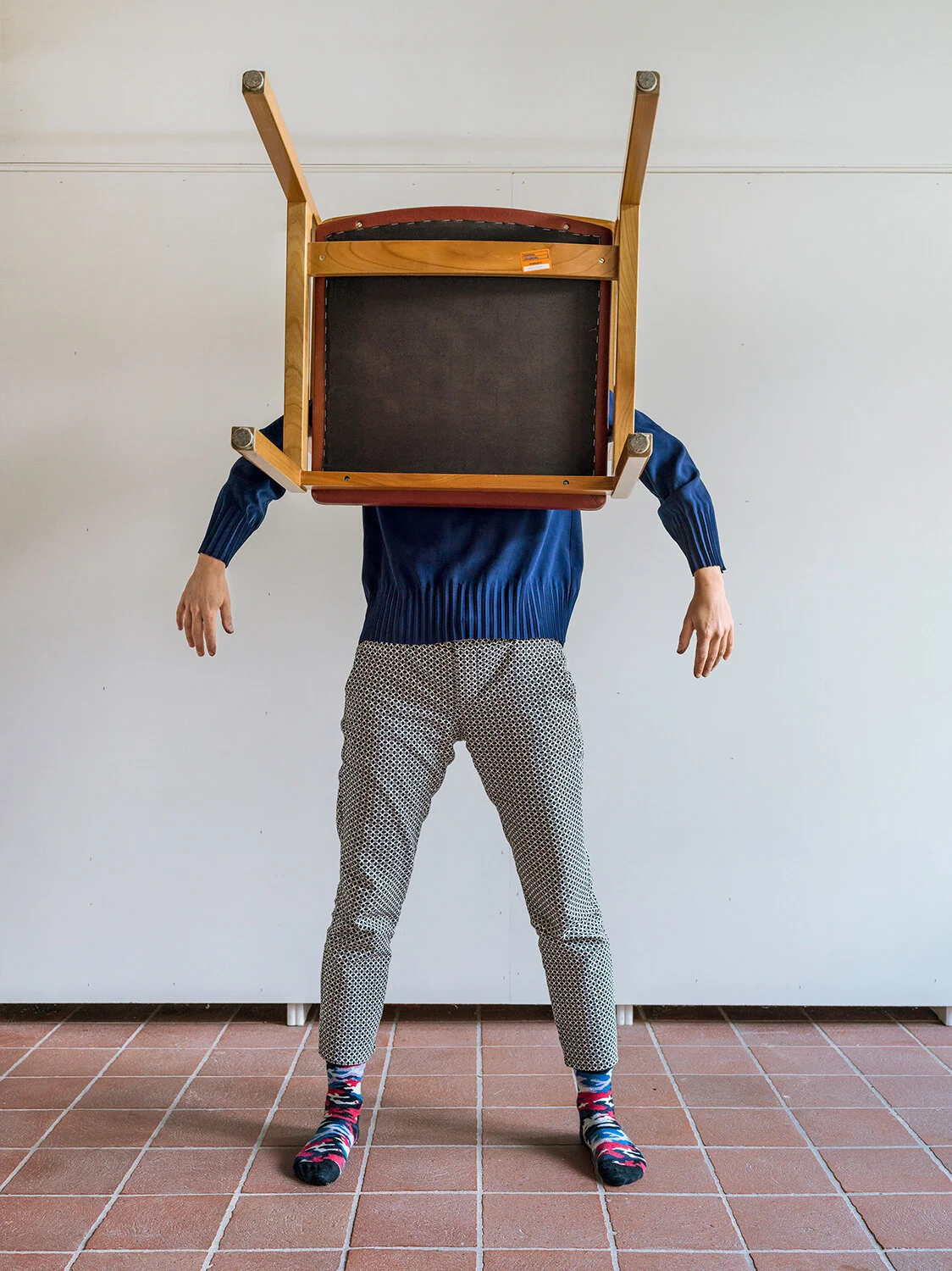
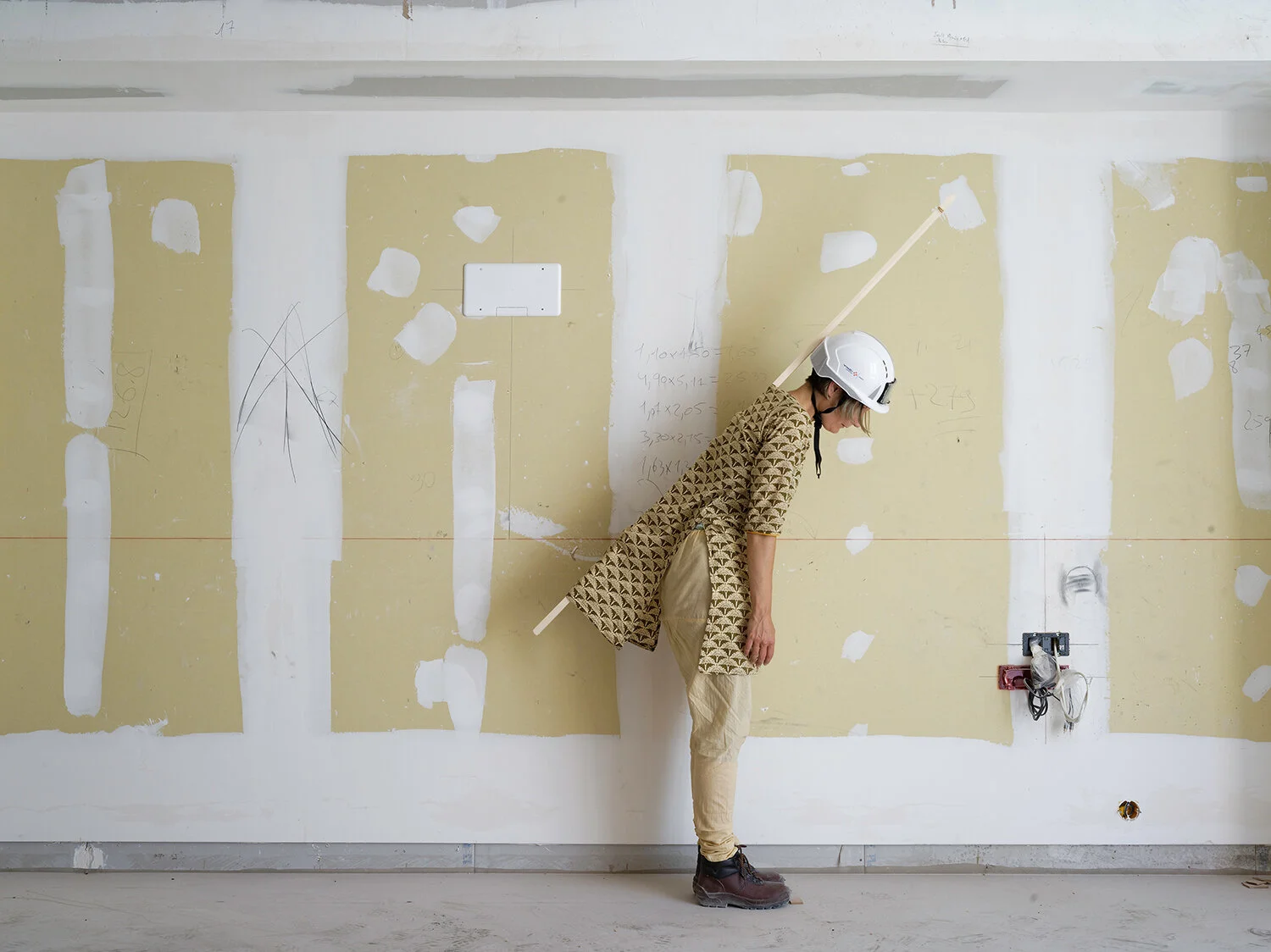
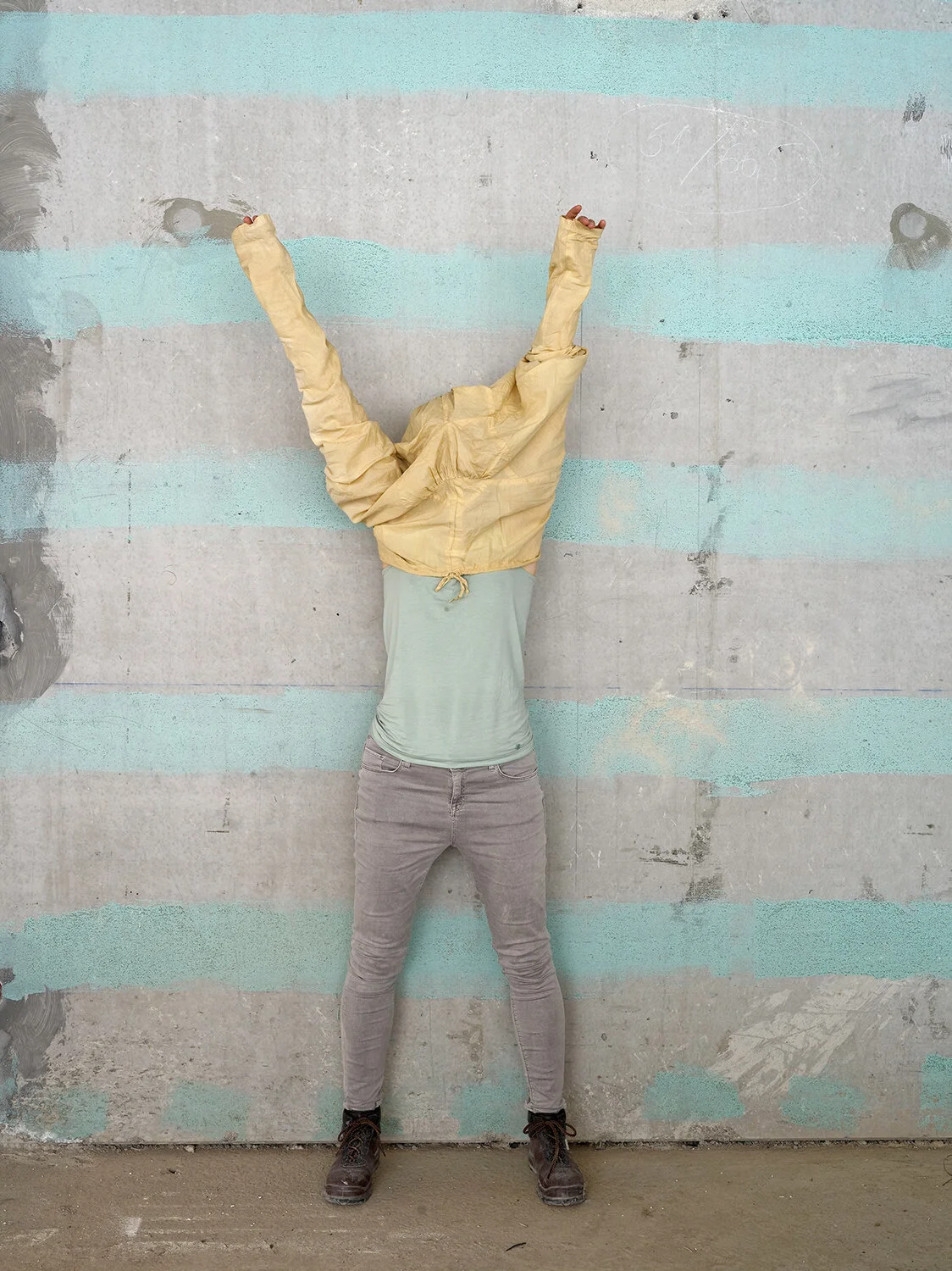
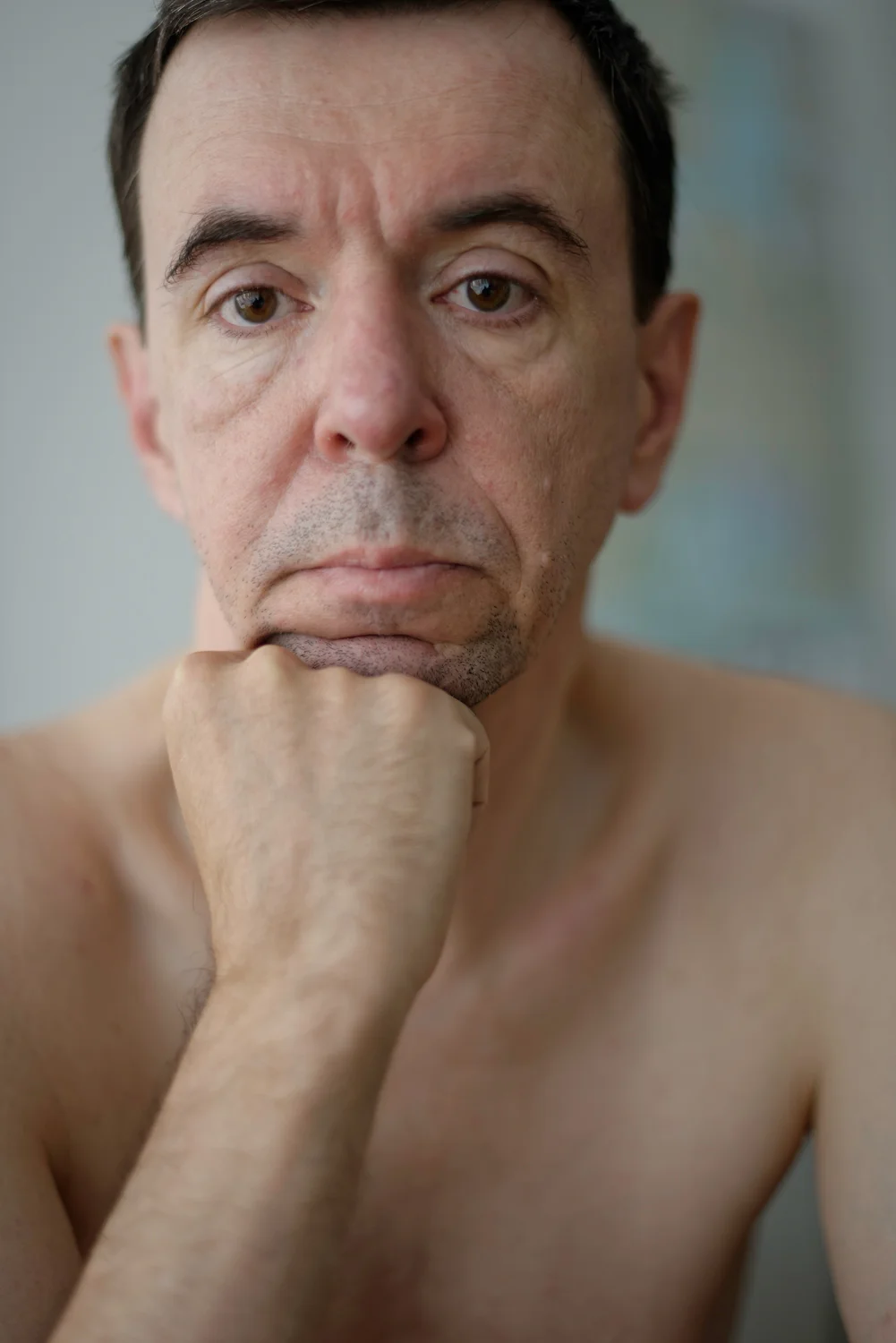
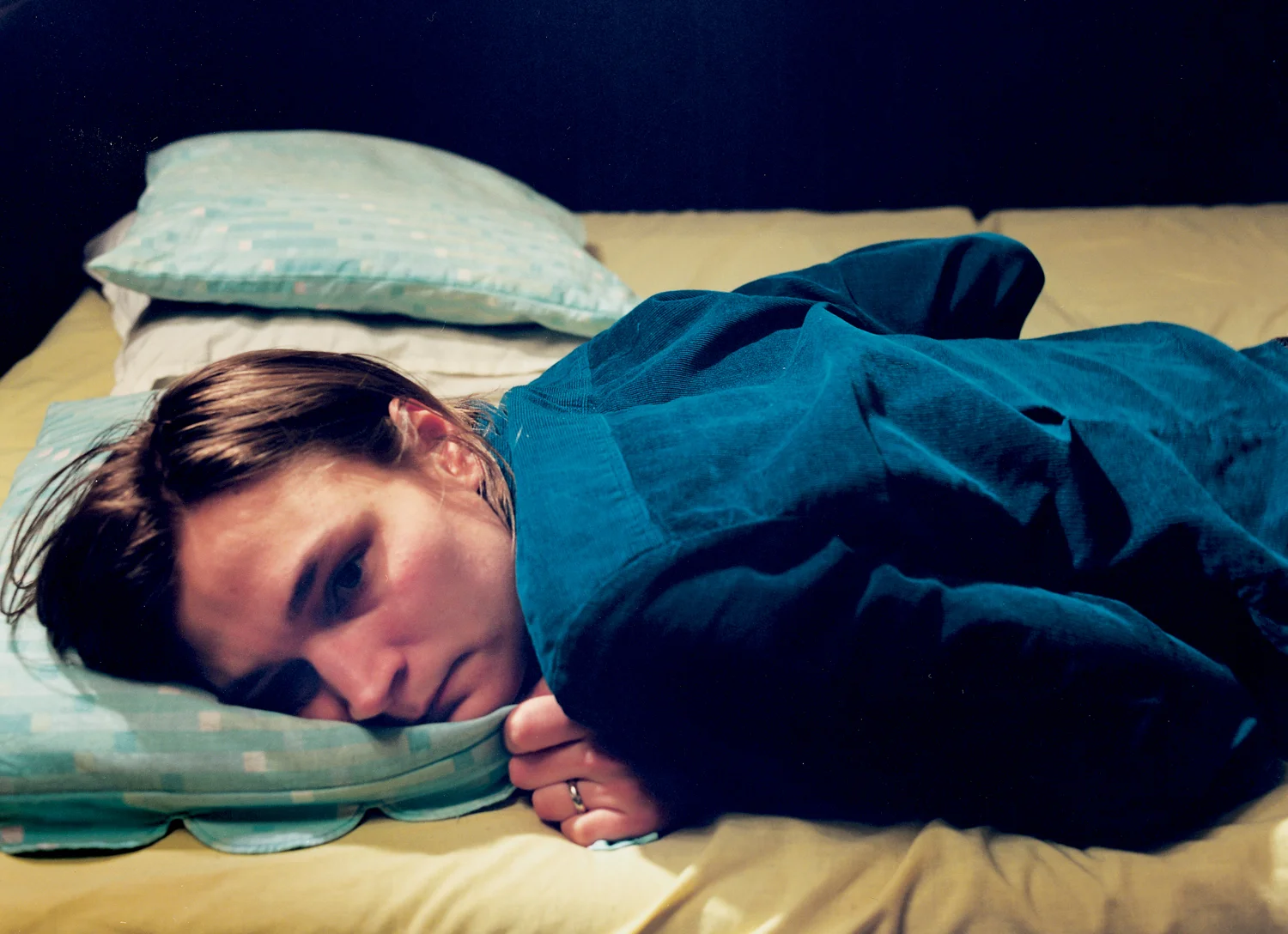
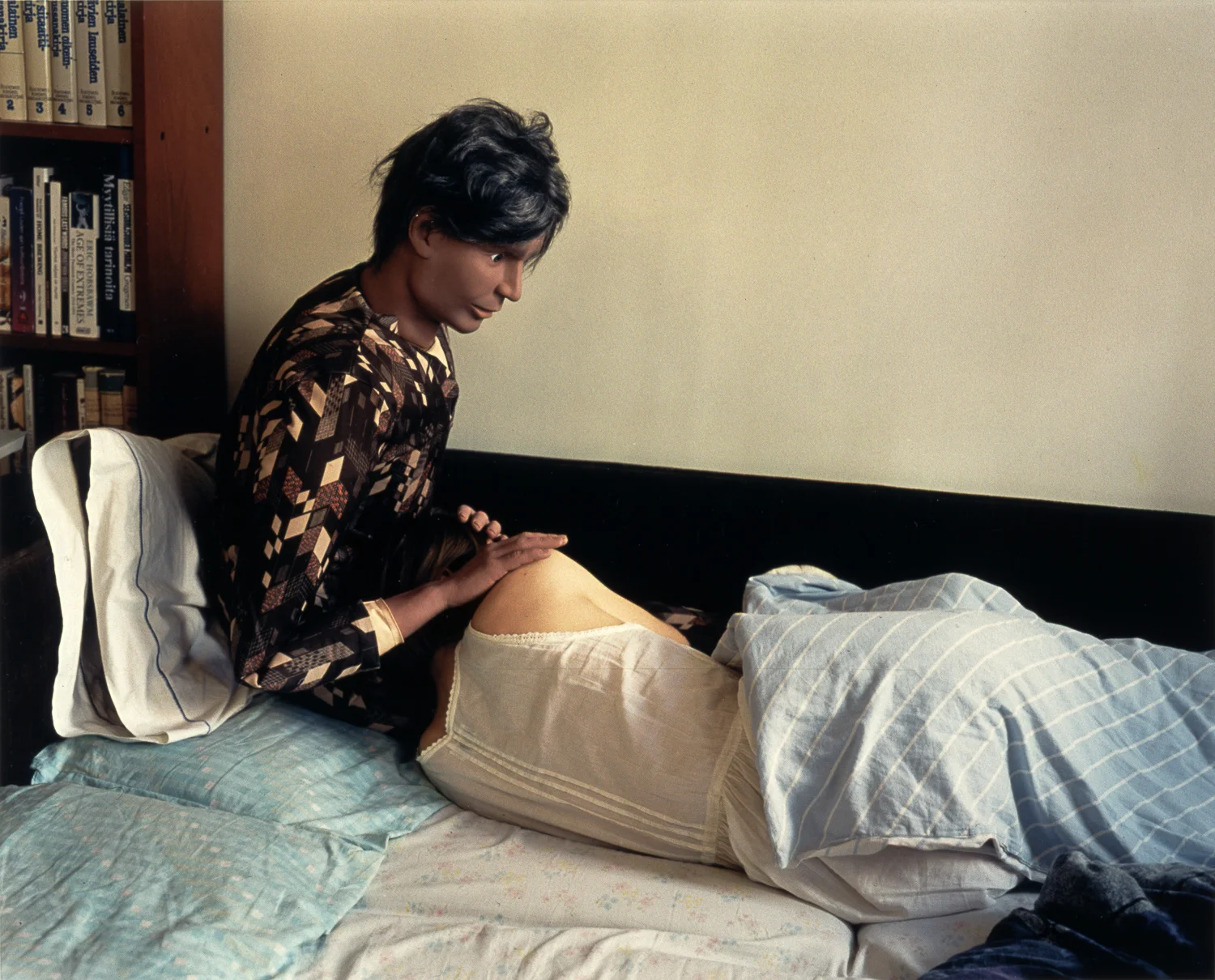
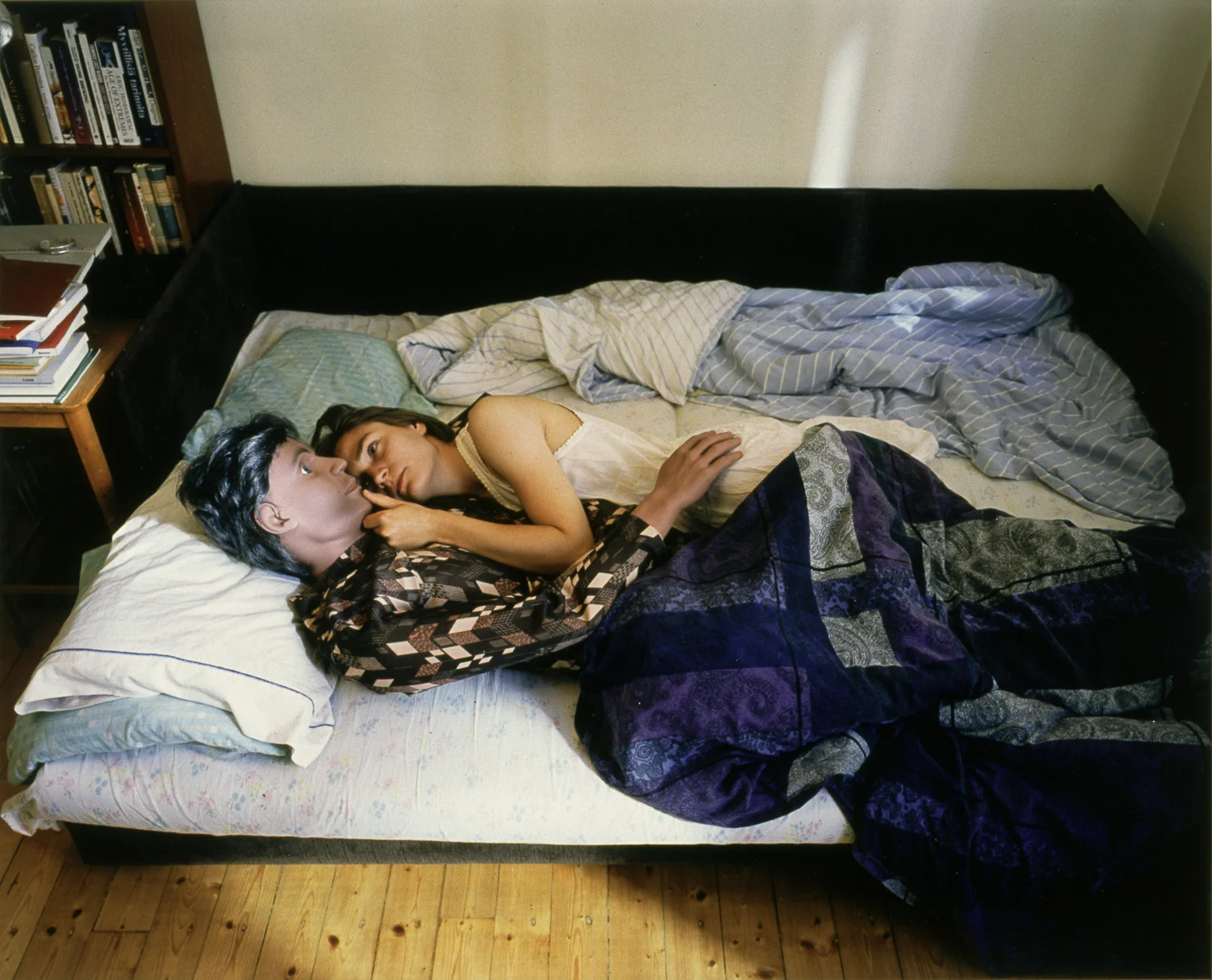
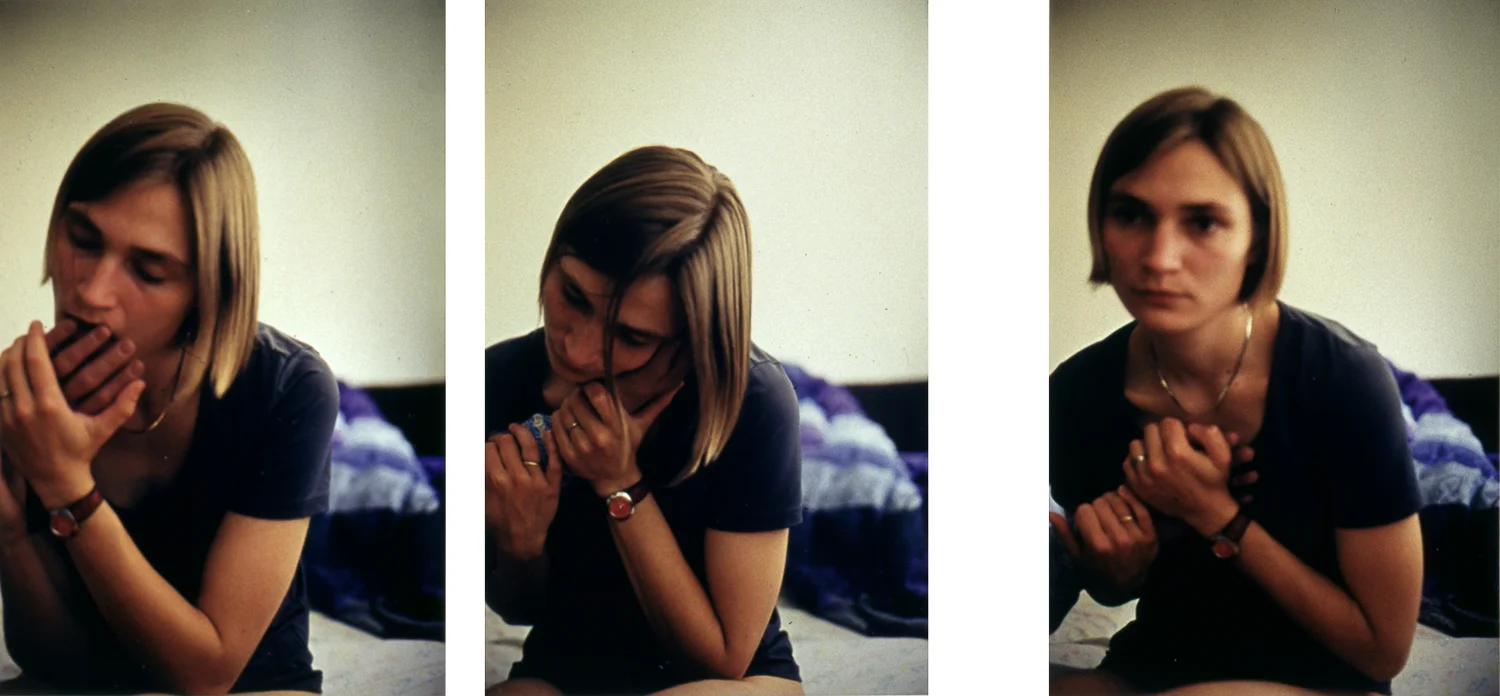
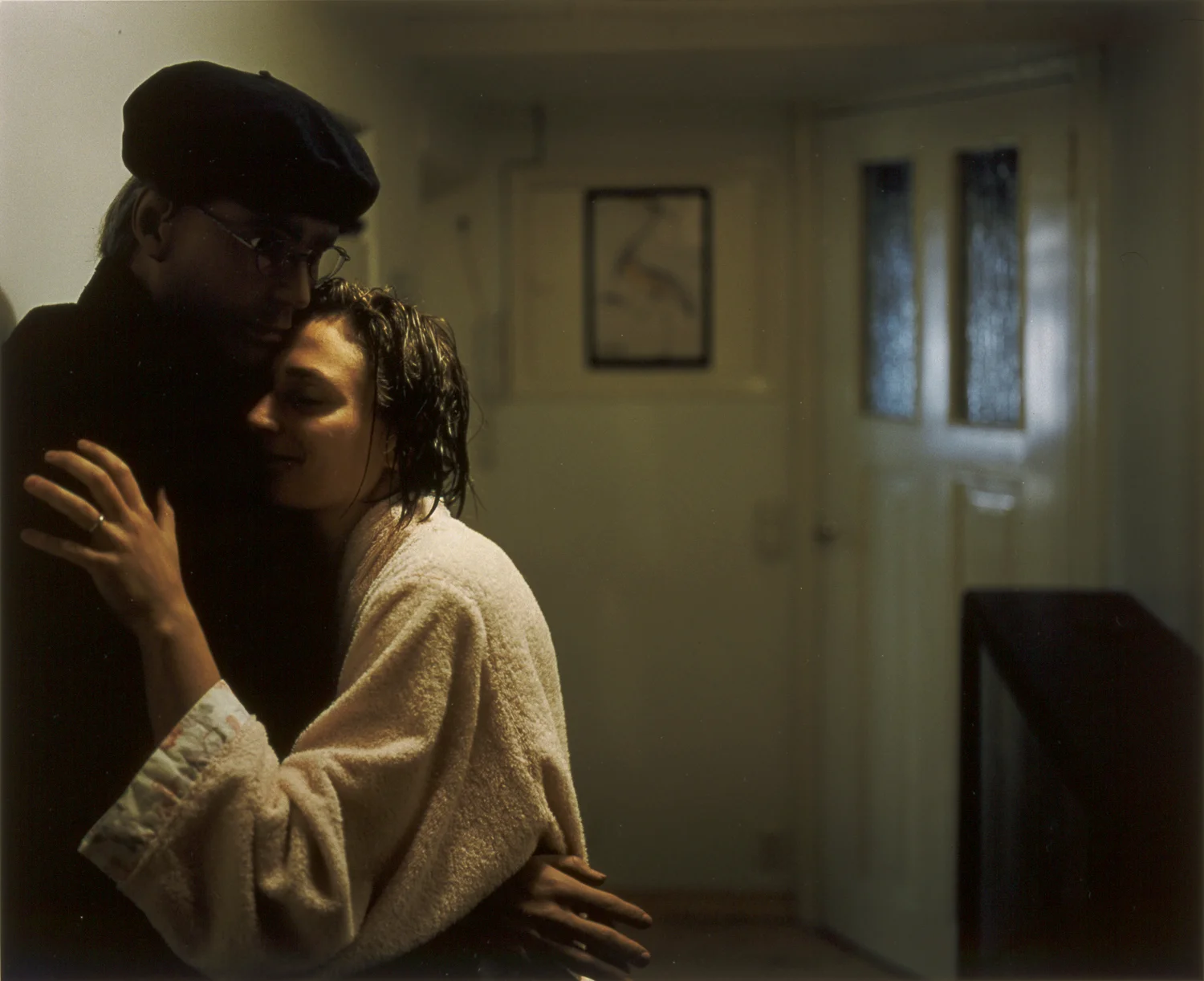
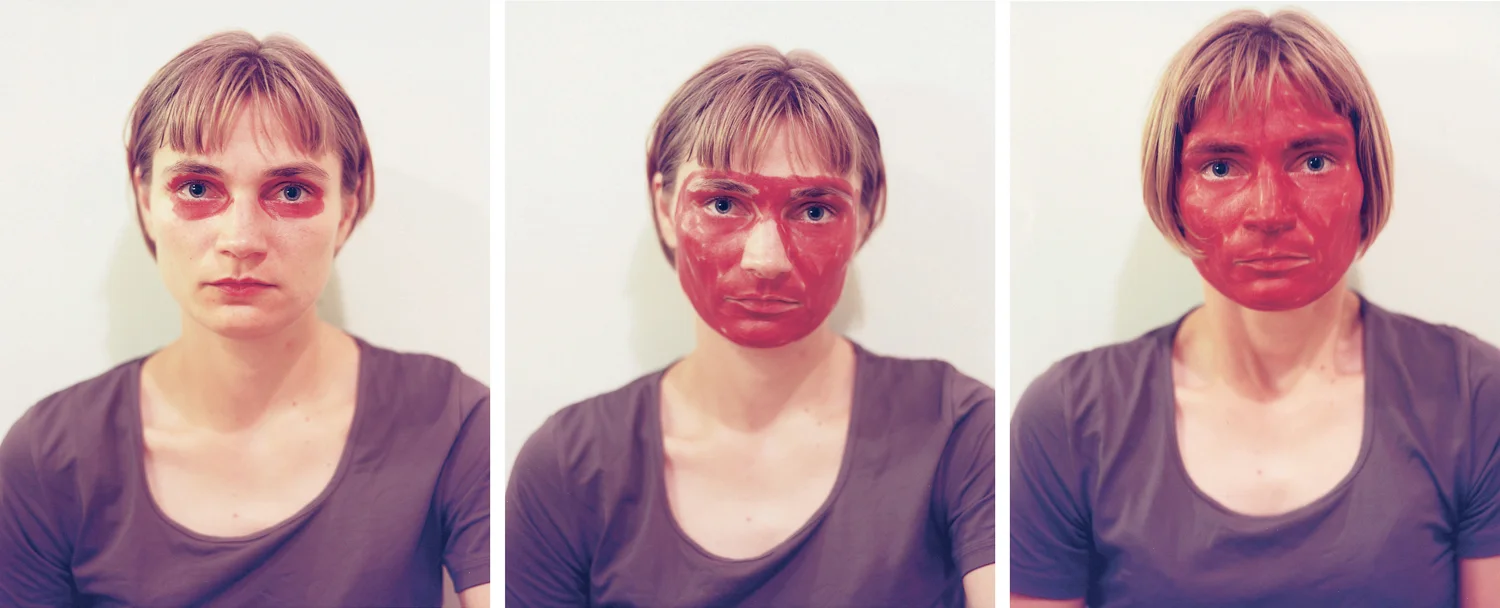
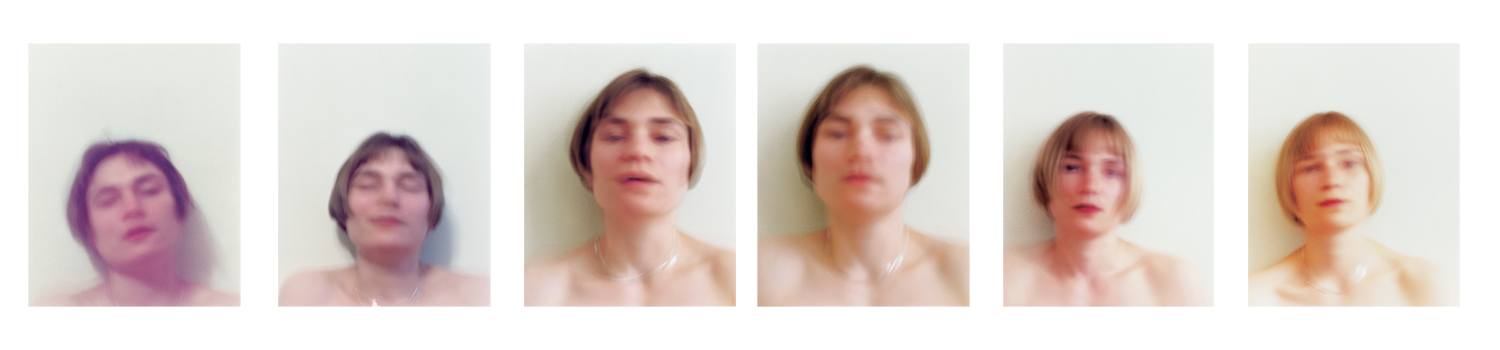
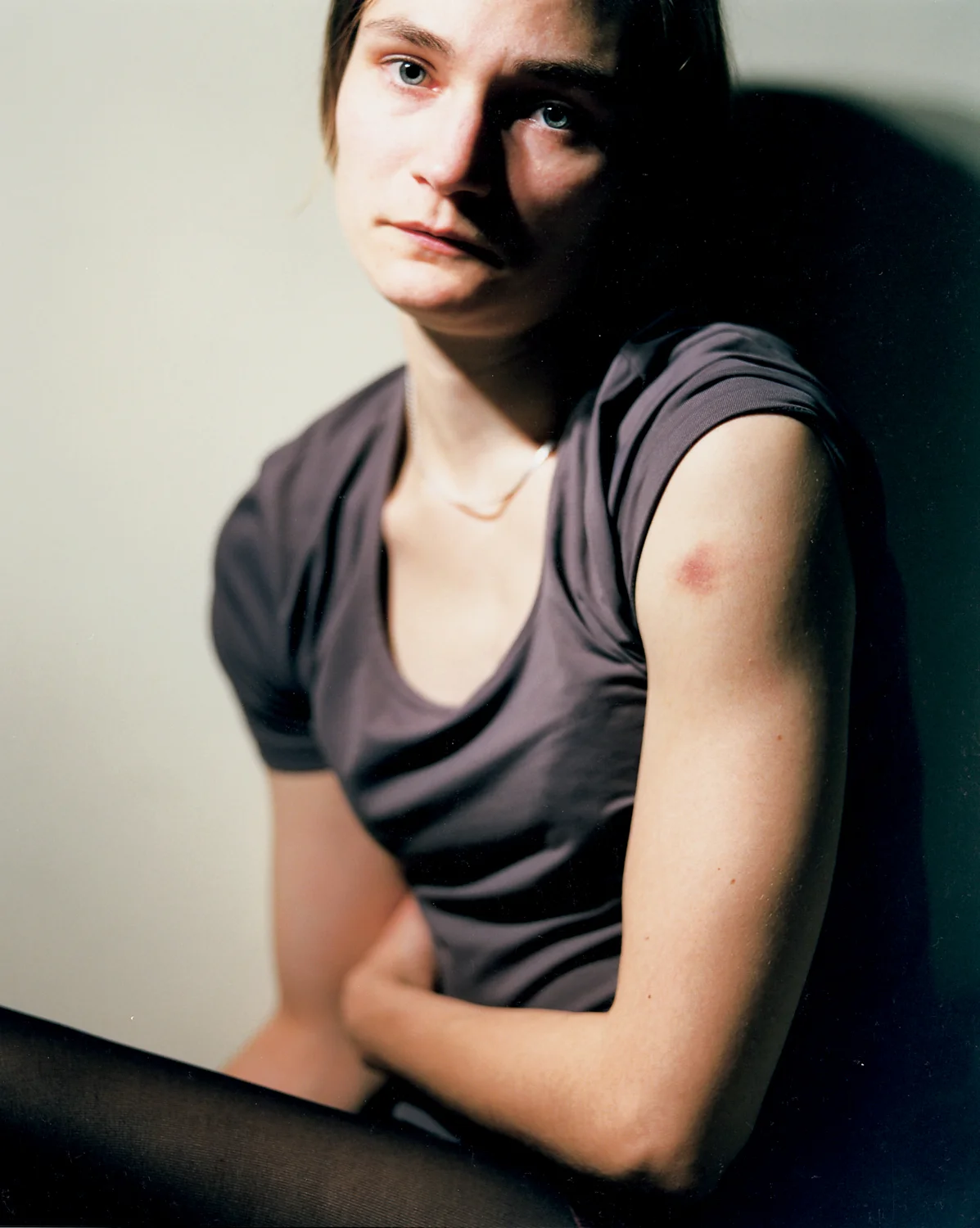
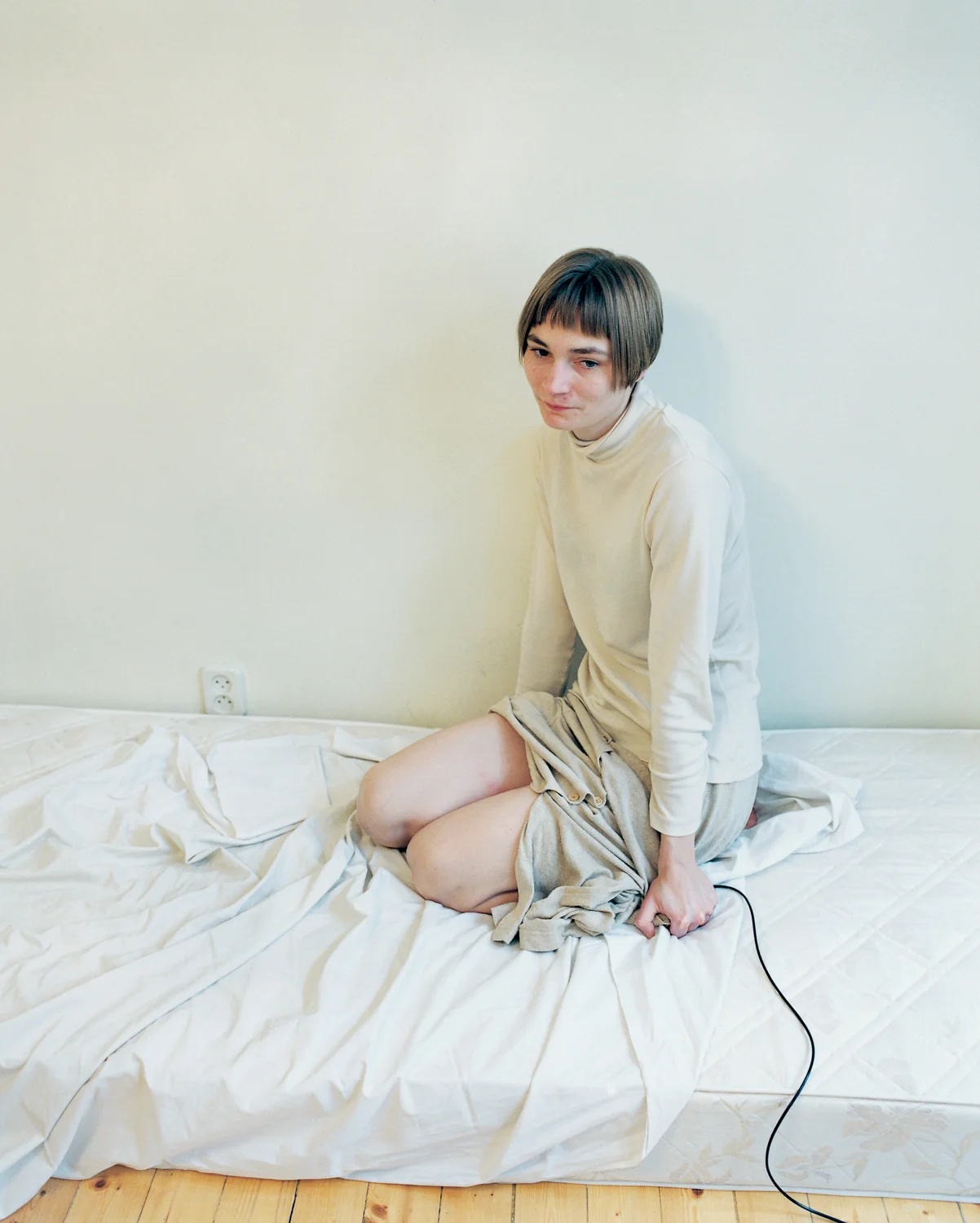
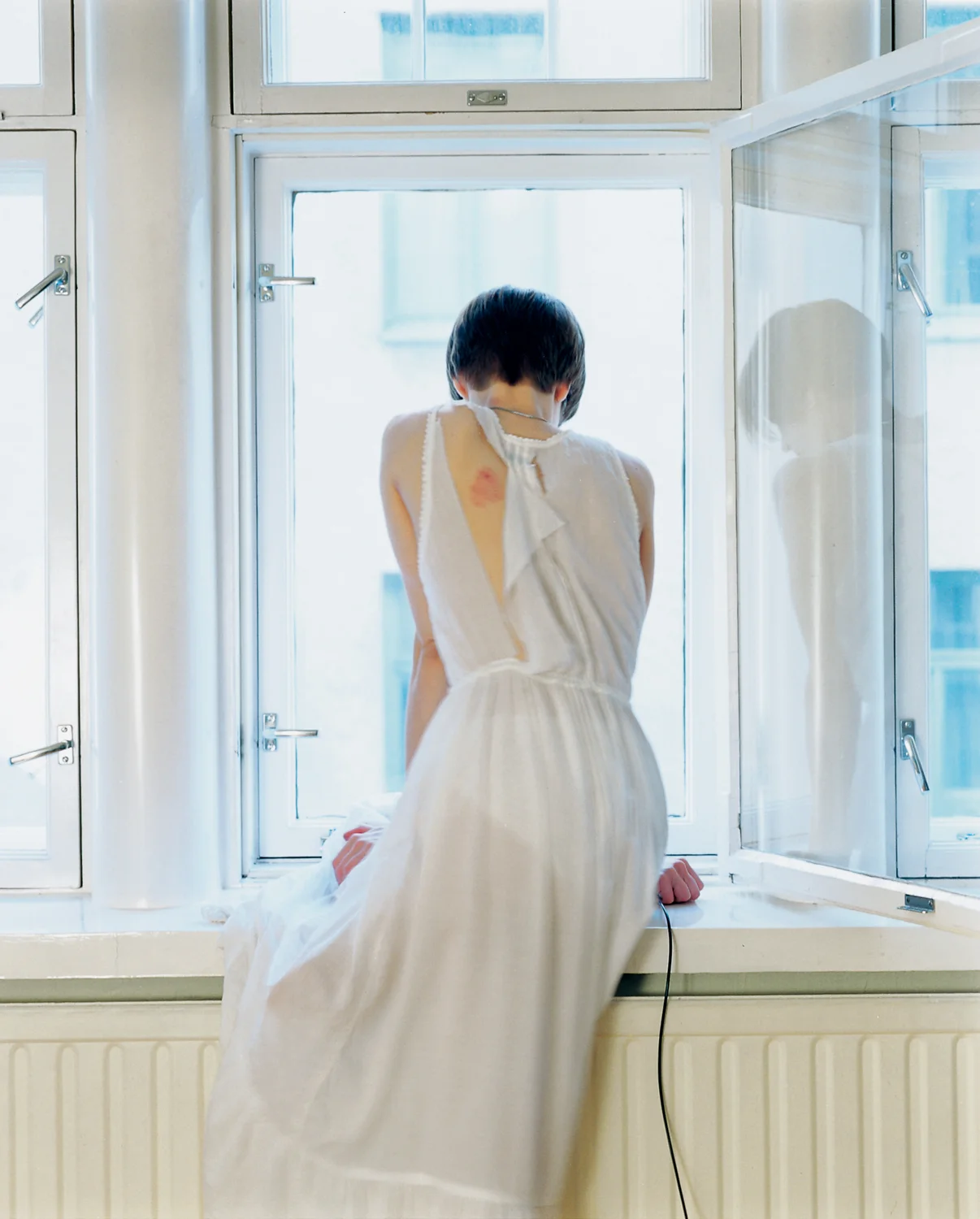
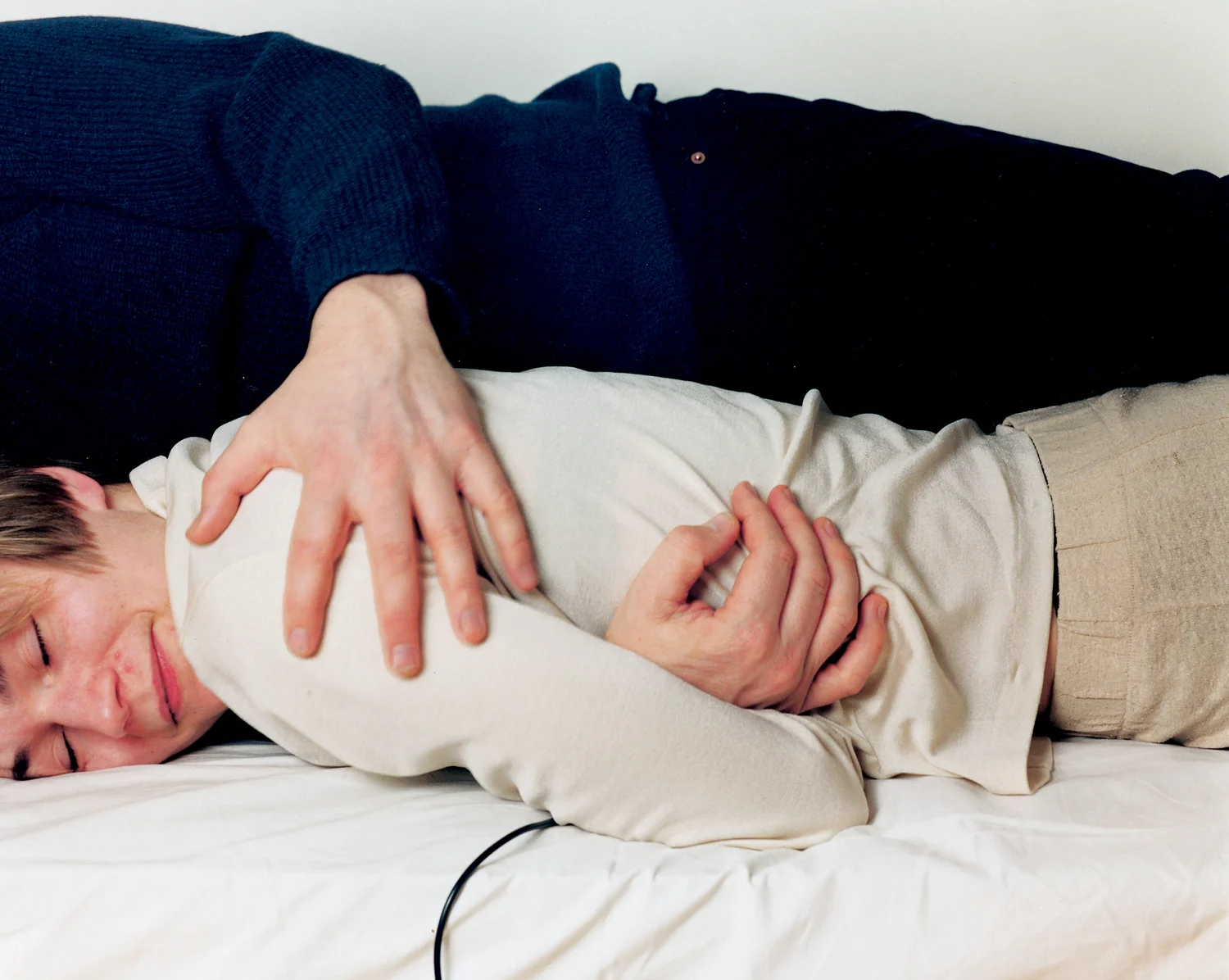
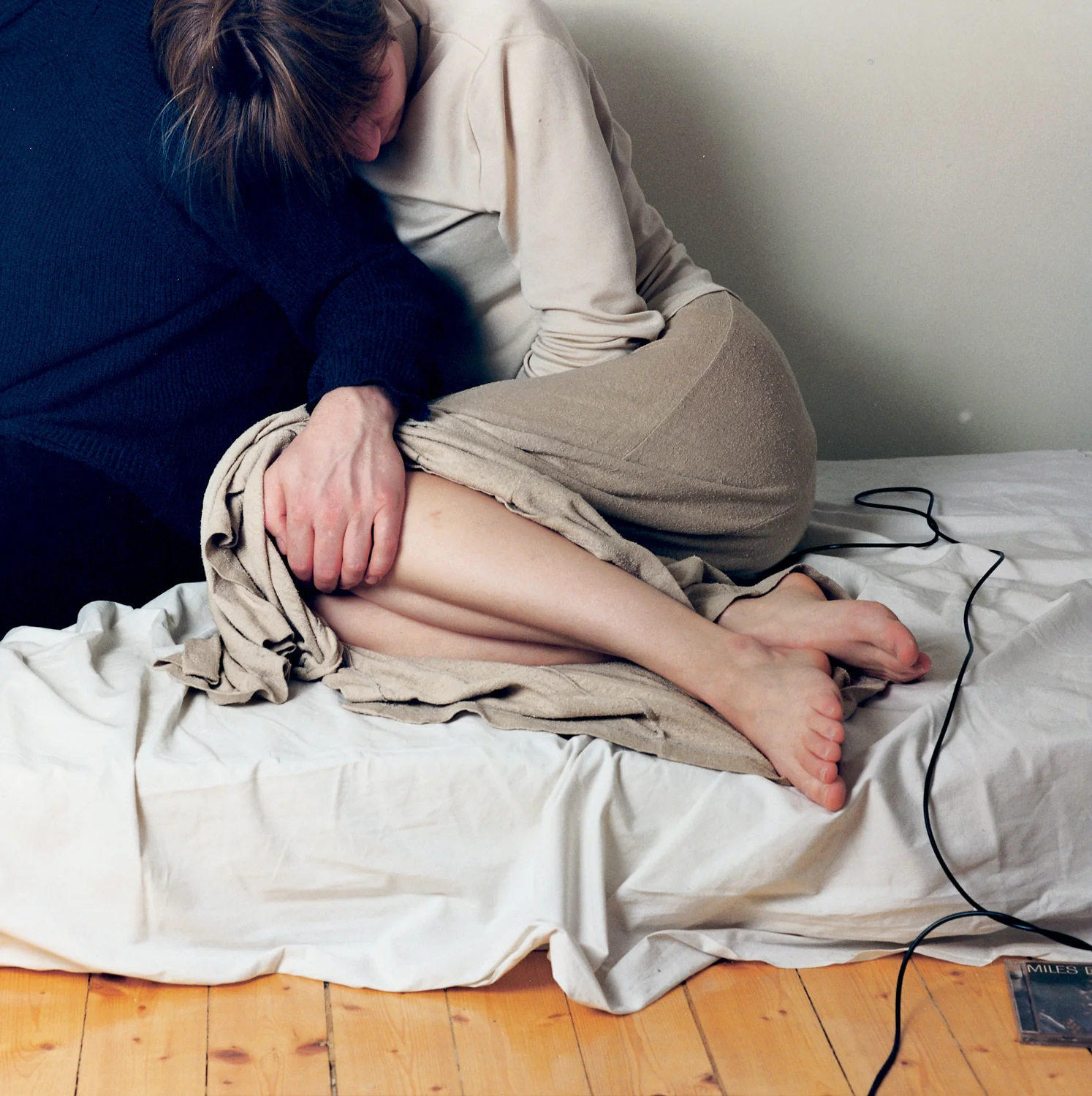
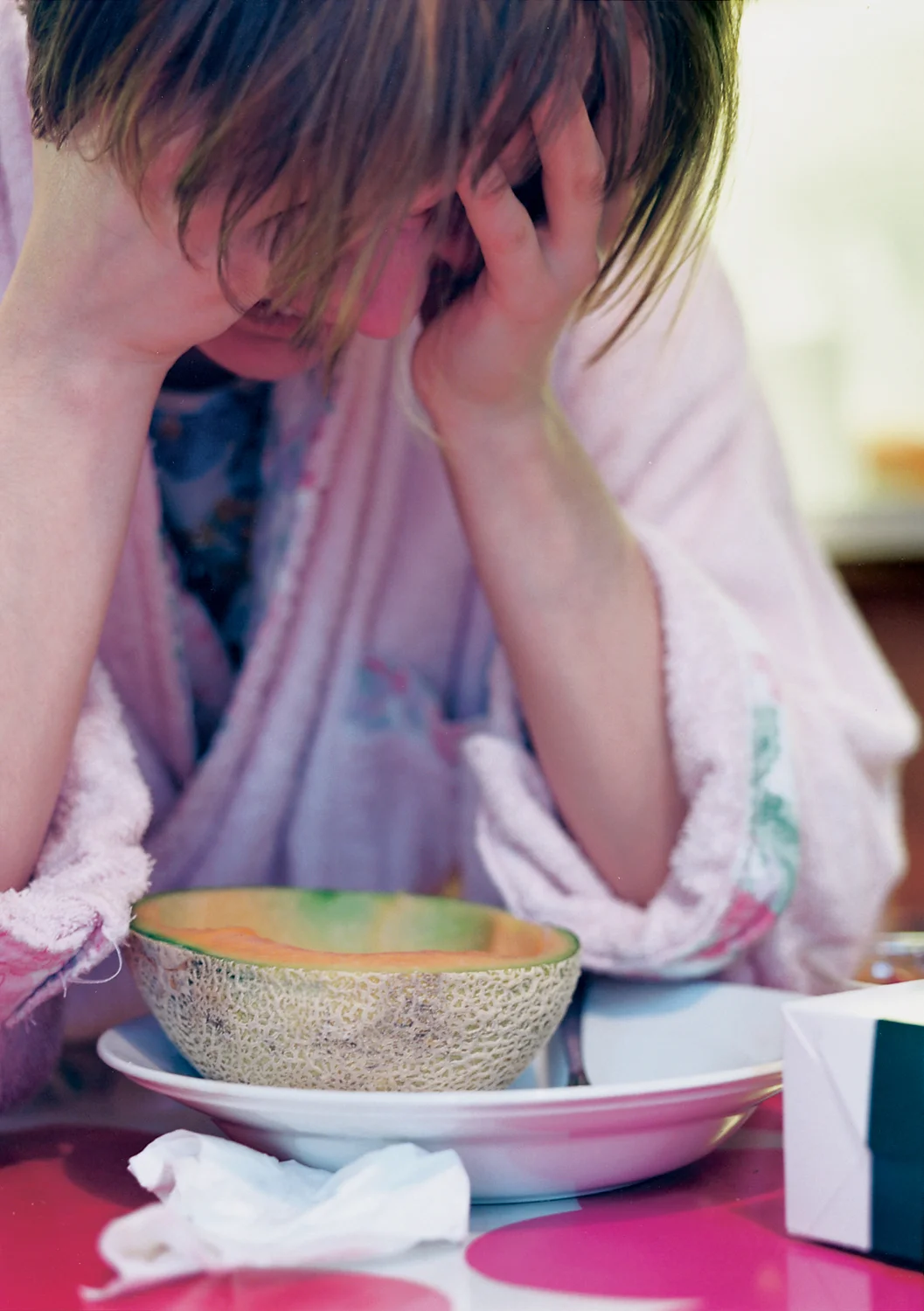
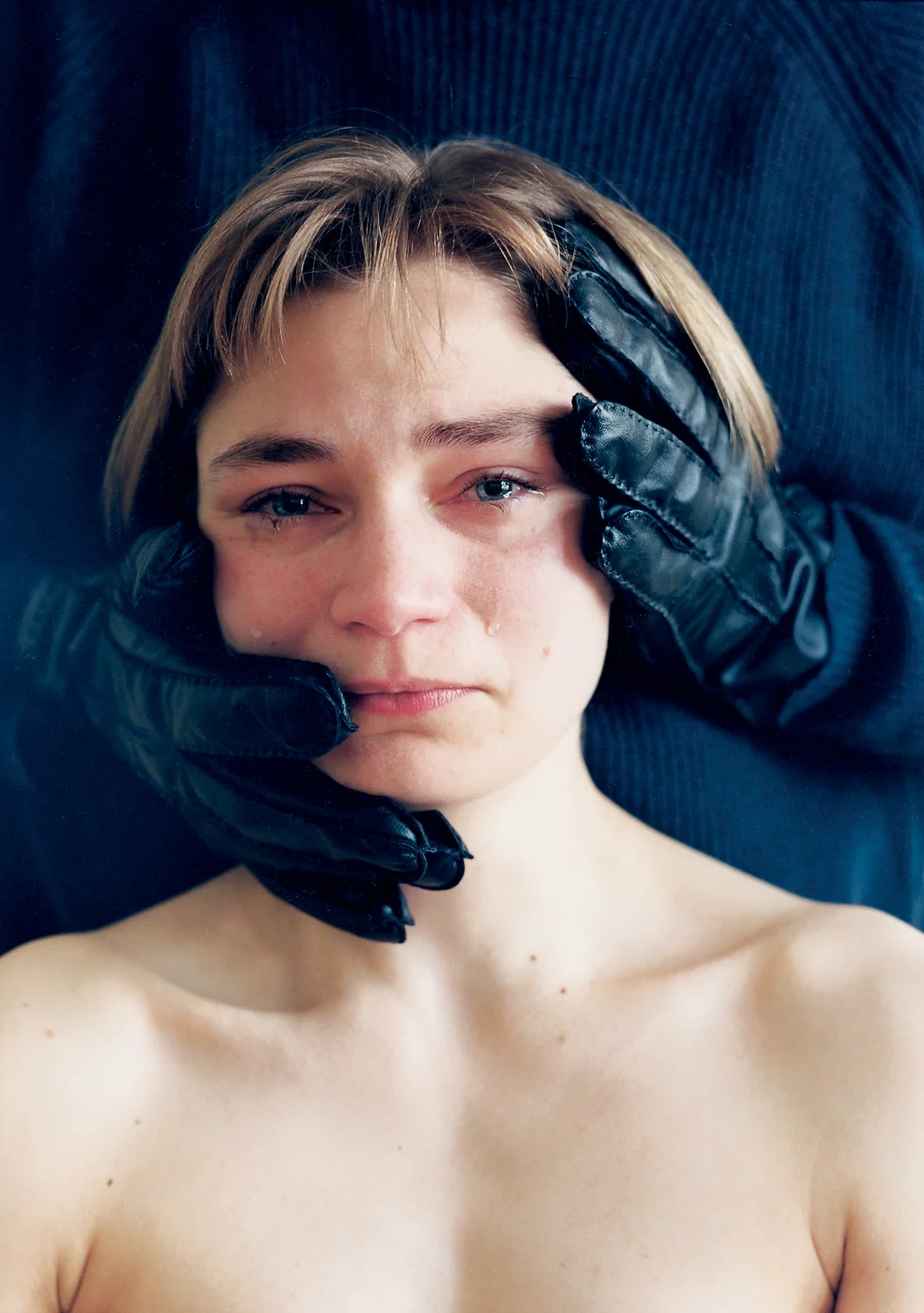
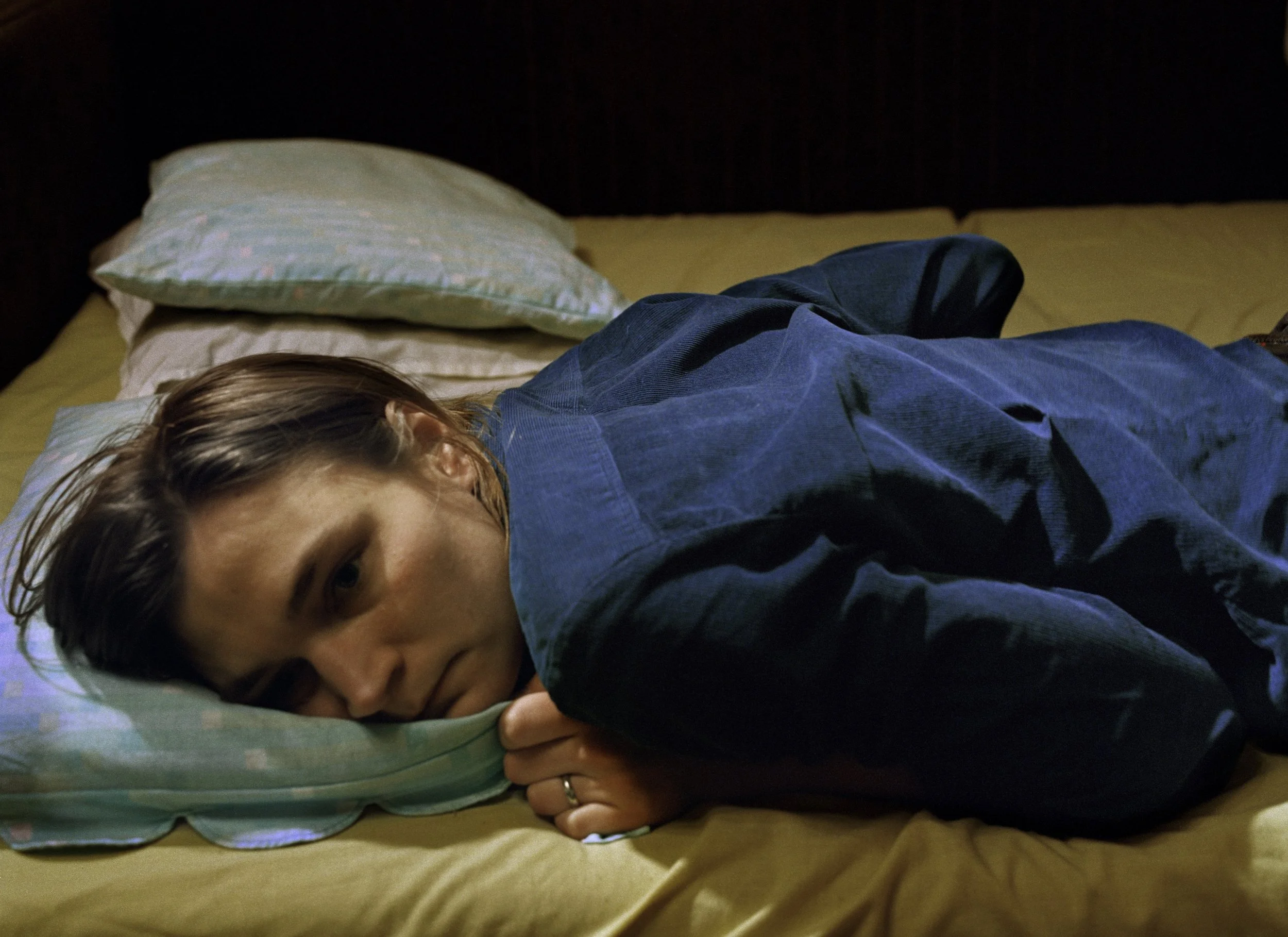
My work deals with love and its side effects: the absence or presence of it in its different forms.
I believe in experience. Creating images shakes me up; or, when life is shaky, I feel the urge to take photographs. As the Finnish composer Eero Hämeenniemi writes in his book Tekopalmun alla (Under the Artificial Palm Tree), “We should start to respect the personal, subjective experience again. There is nothing non-intellectual in experience.”
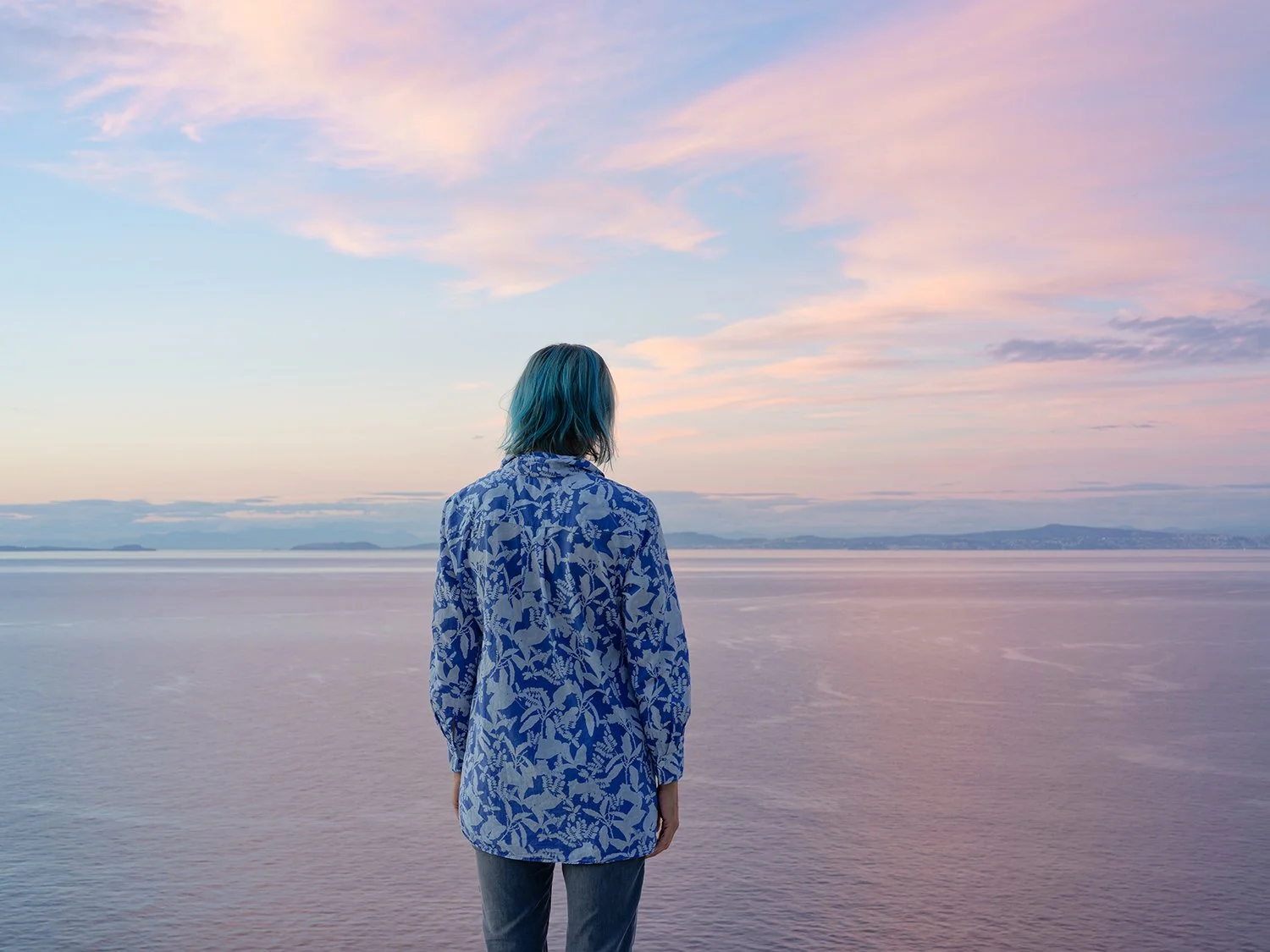
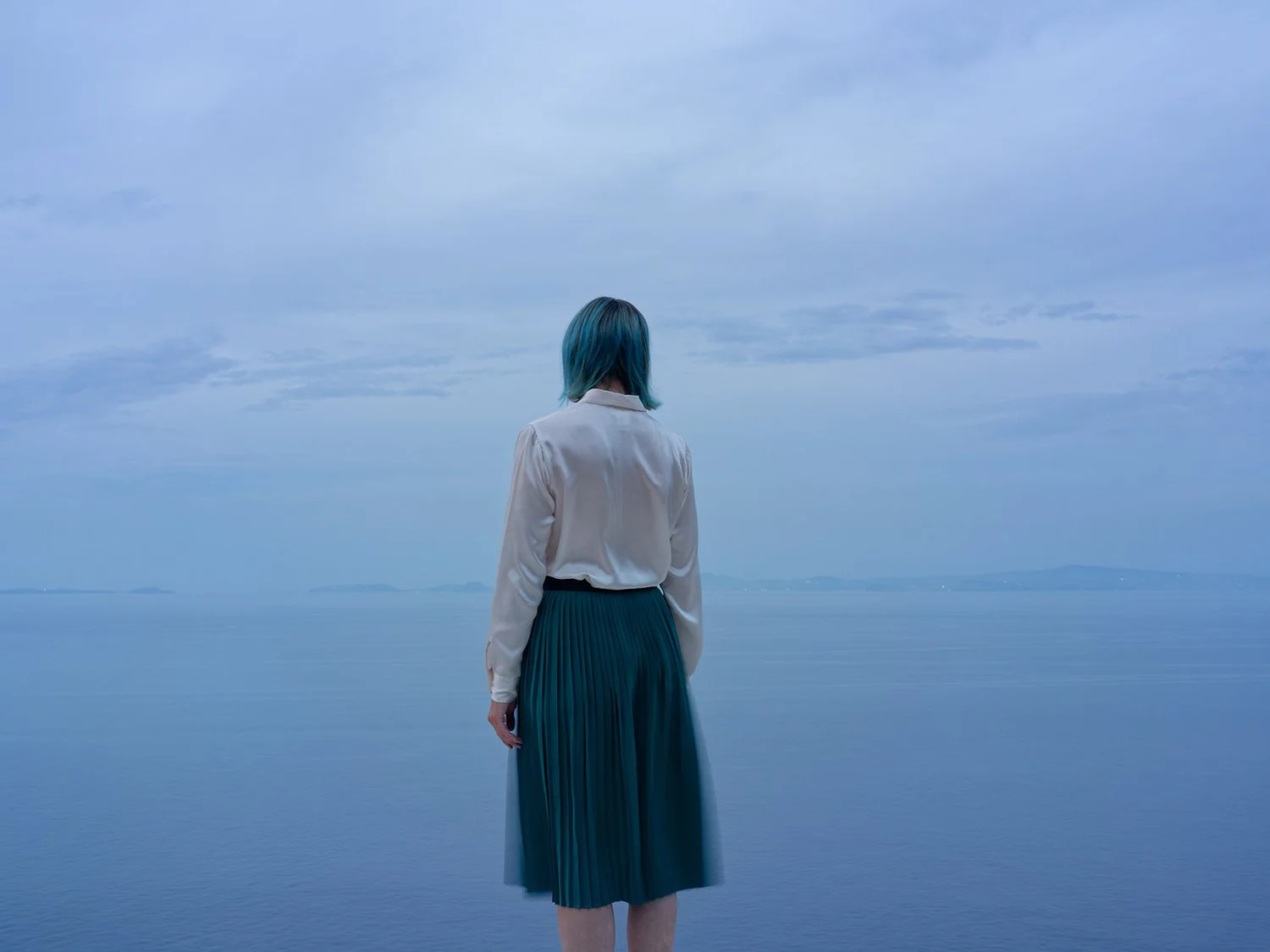
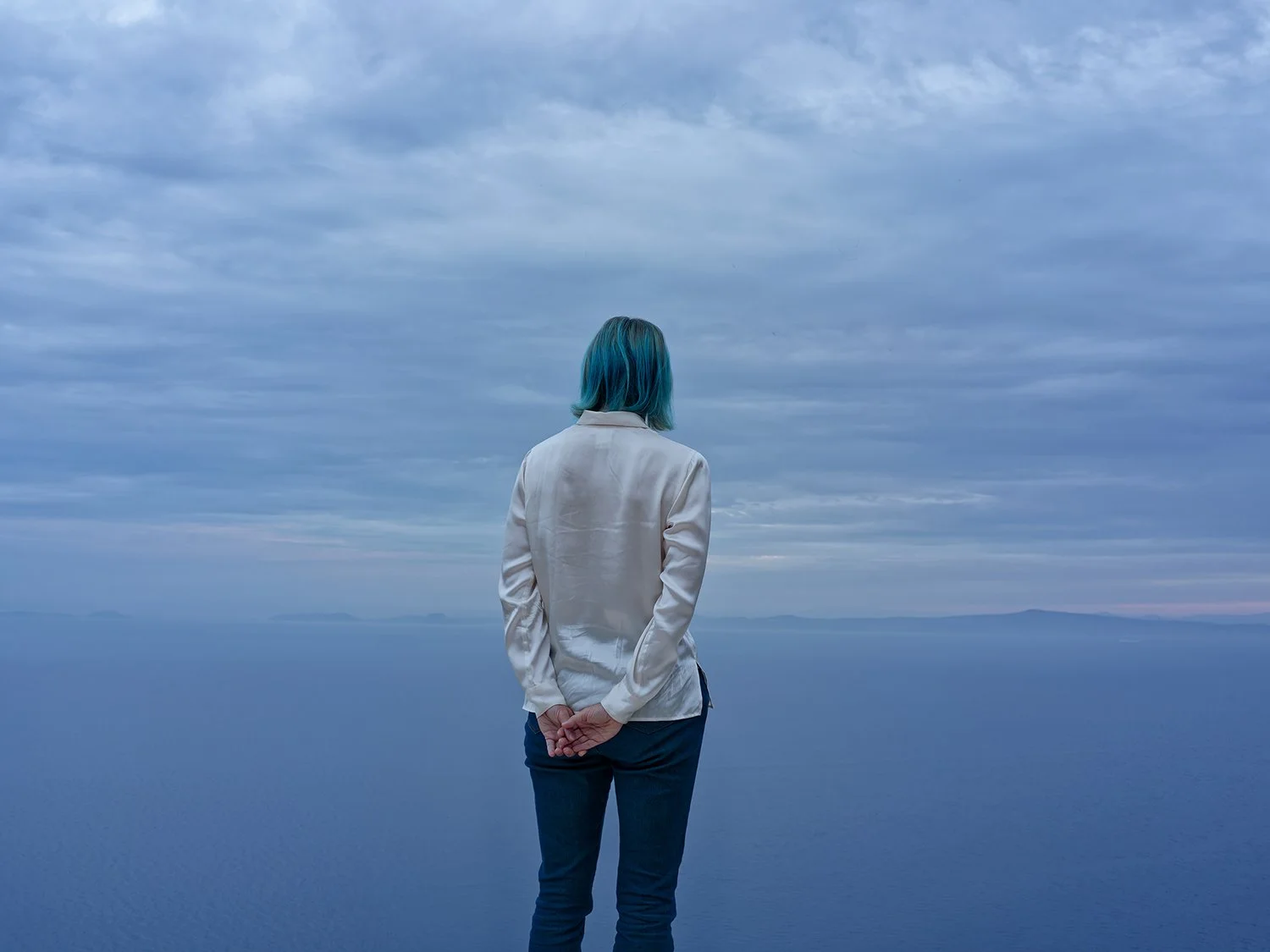
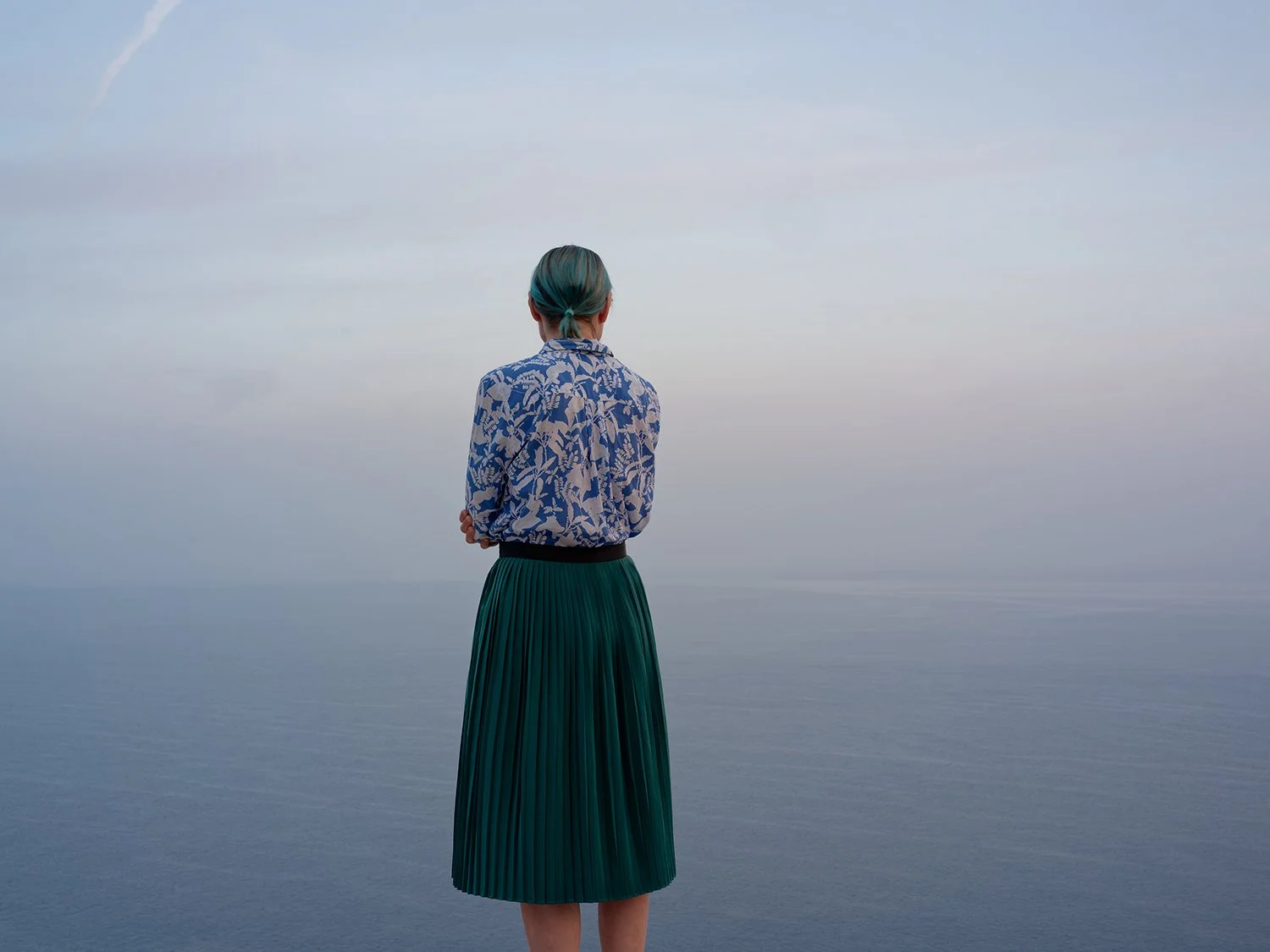
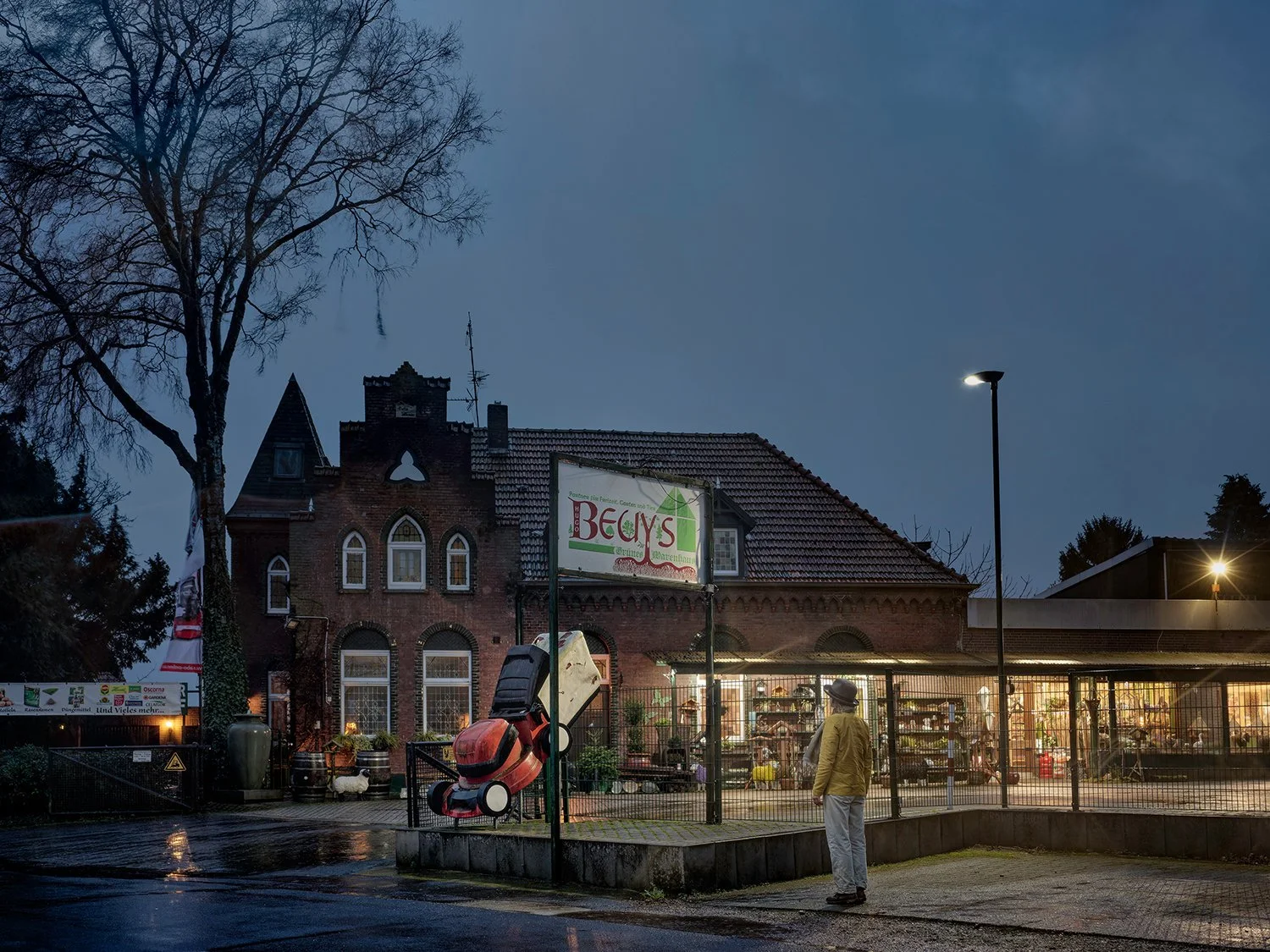
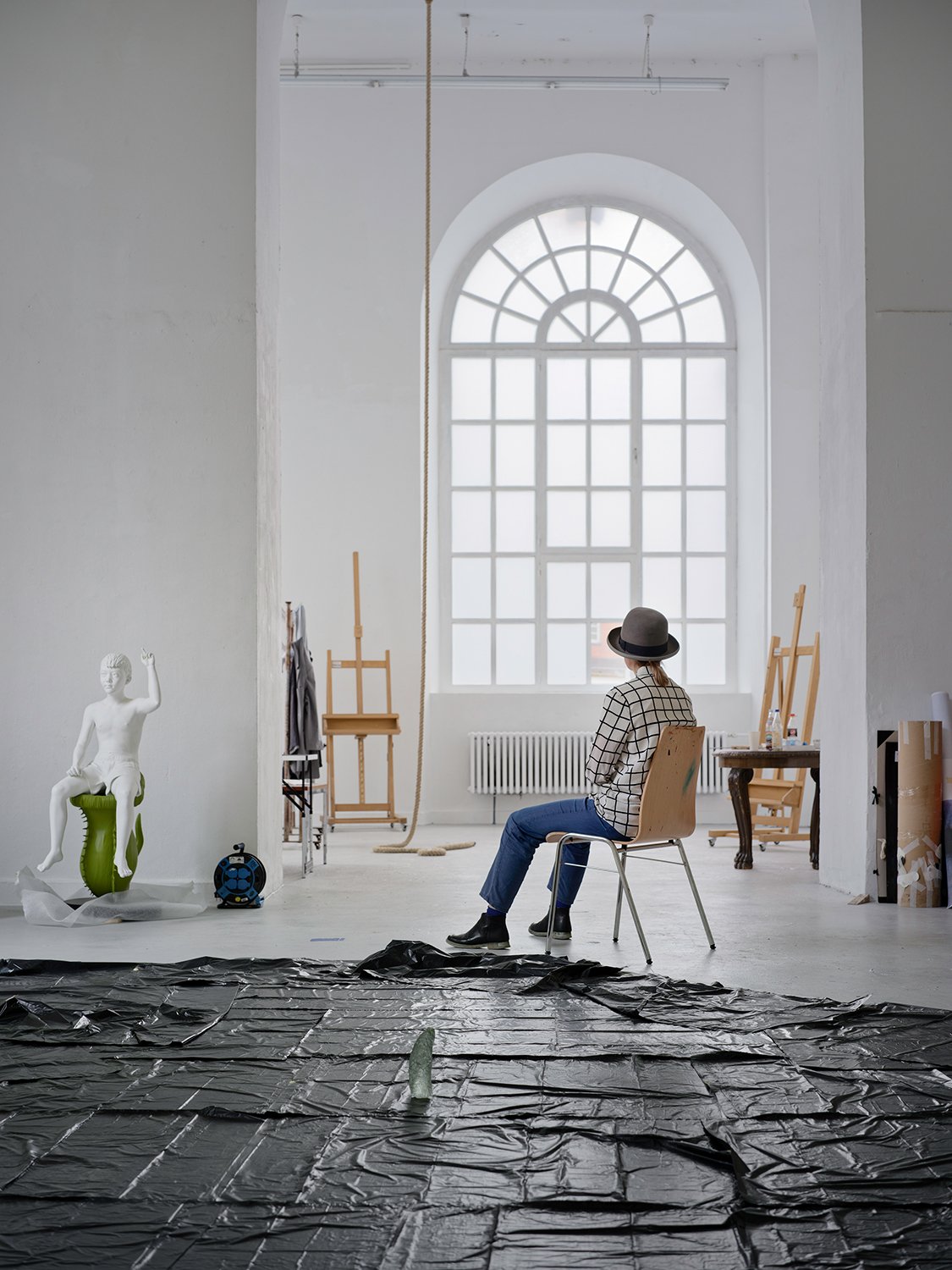
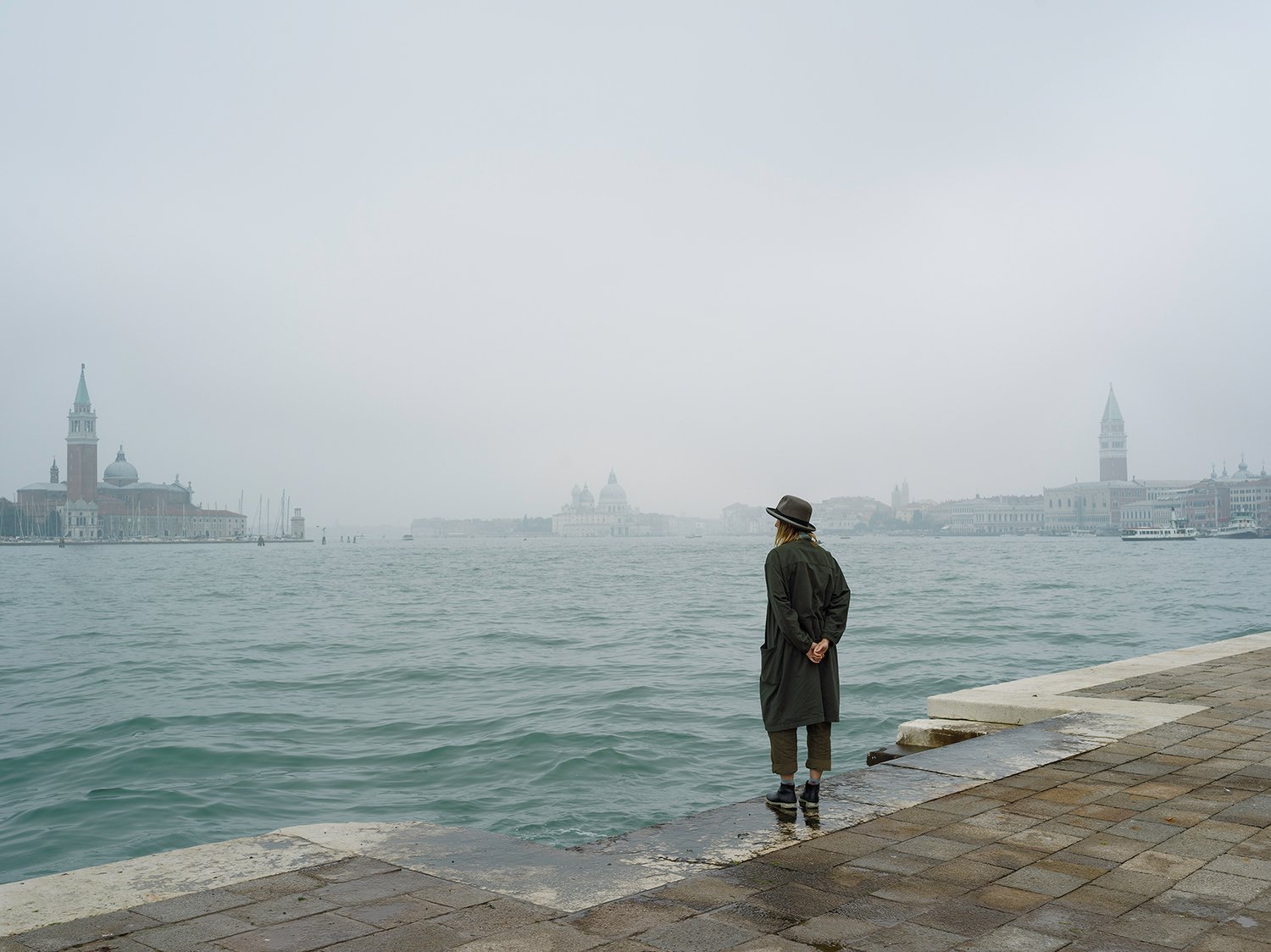
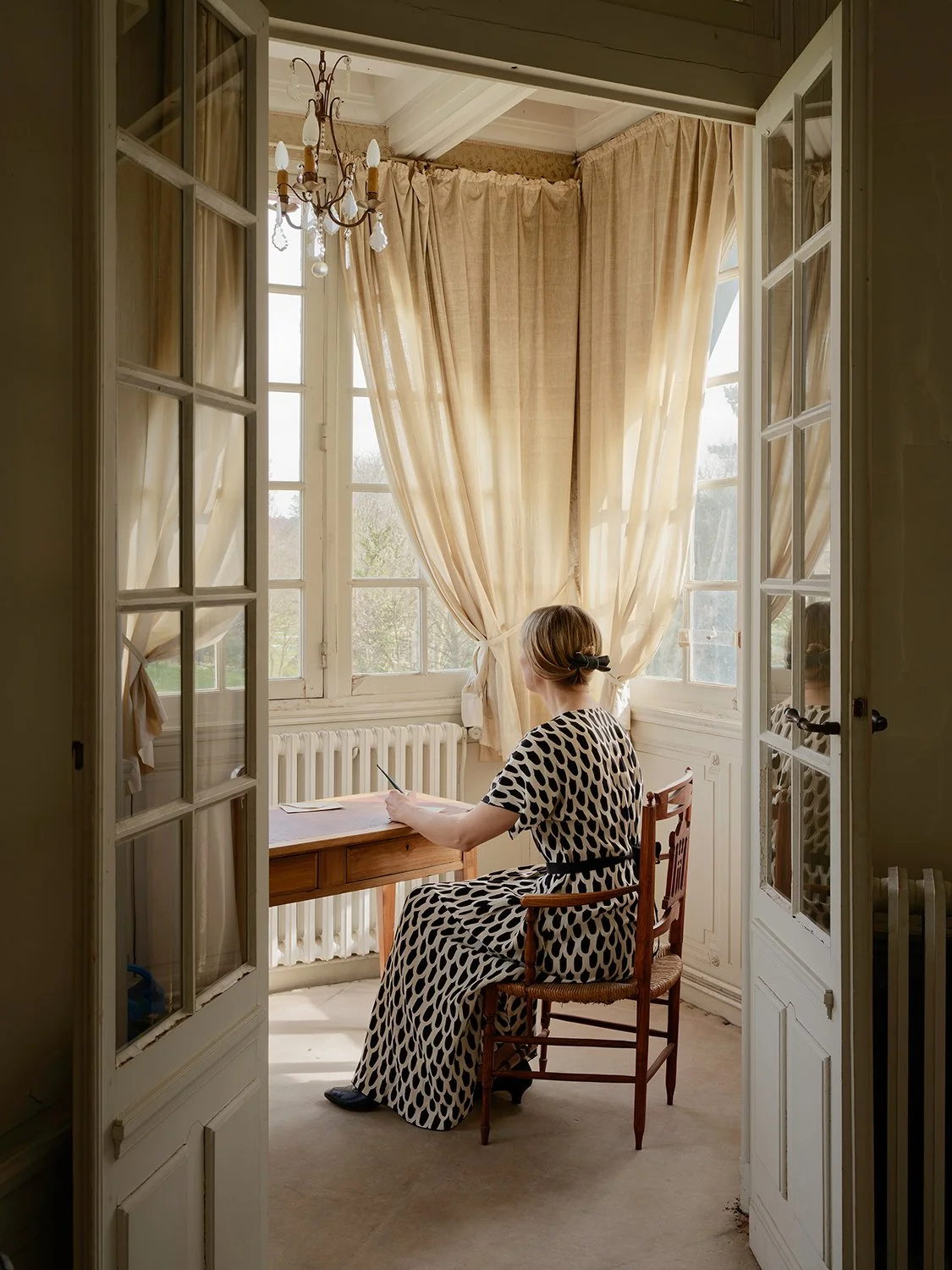
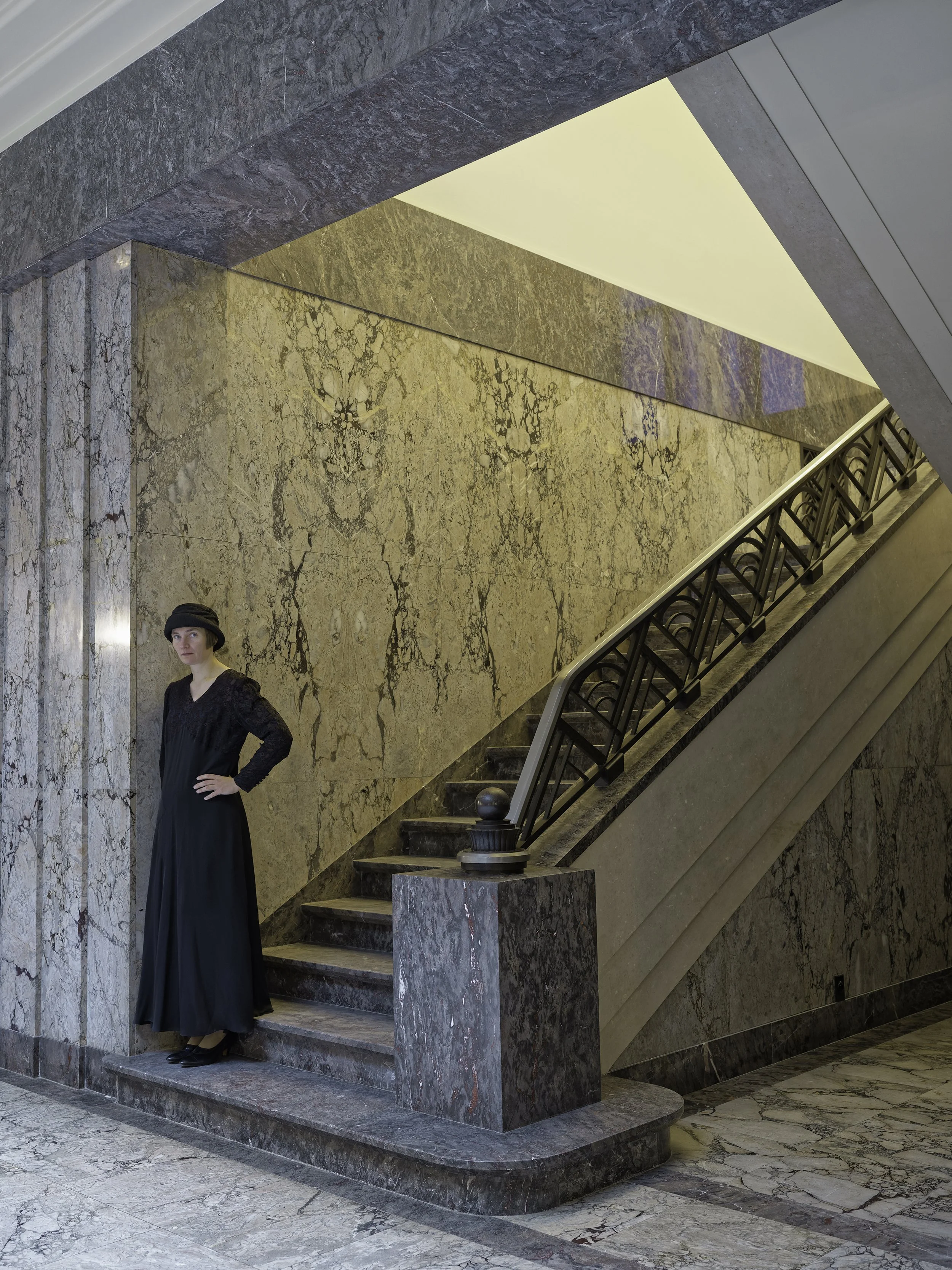
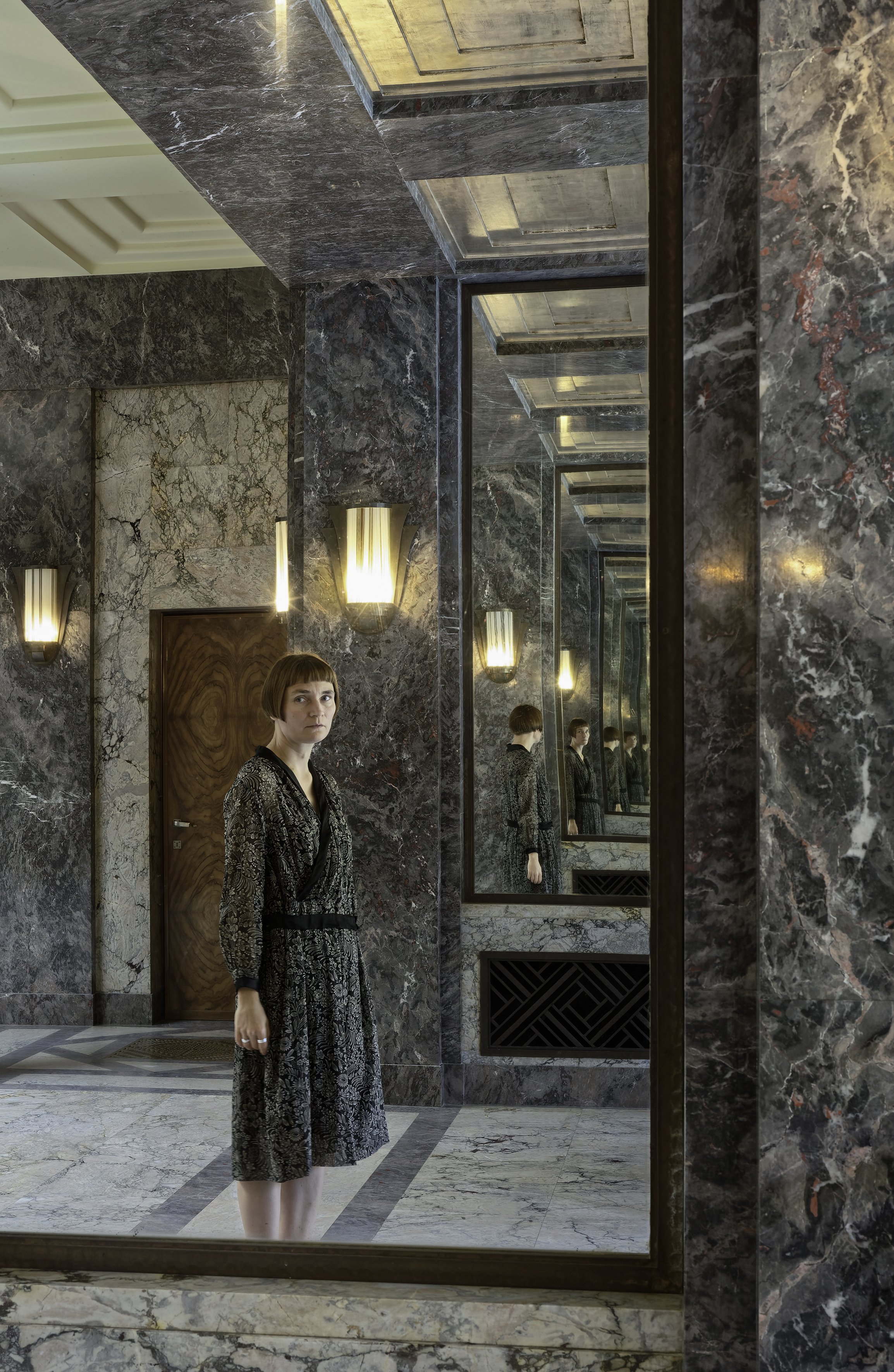
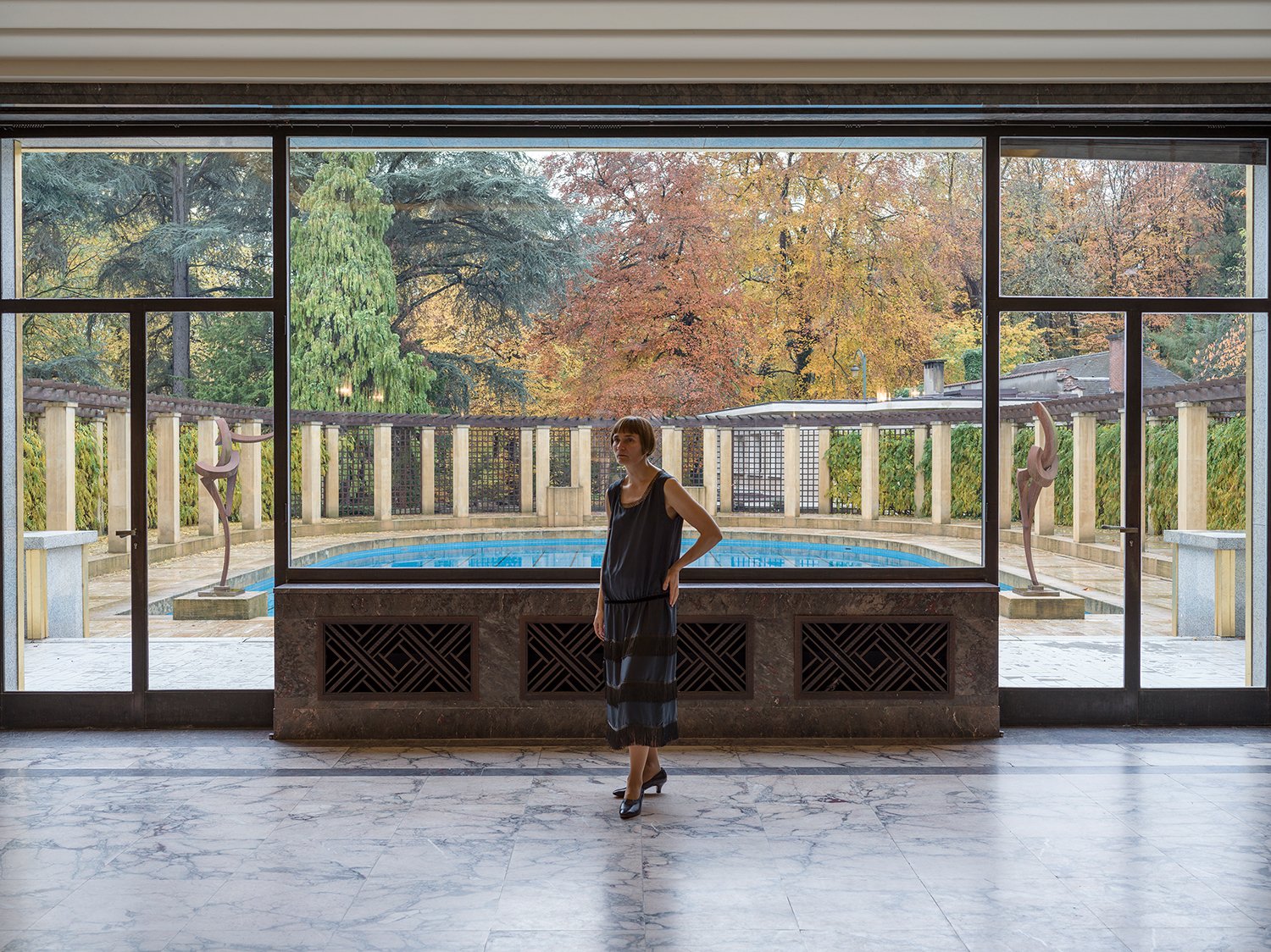
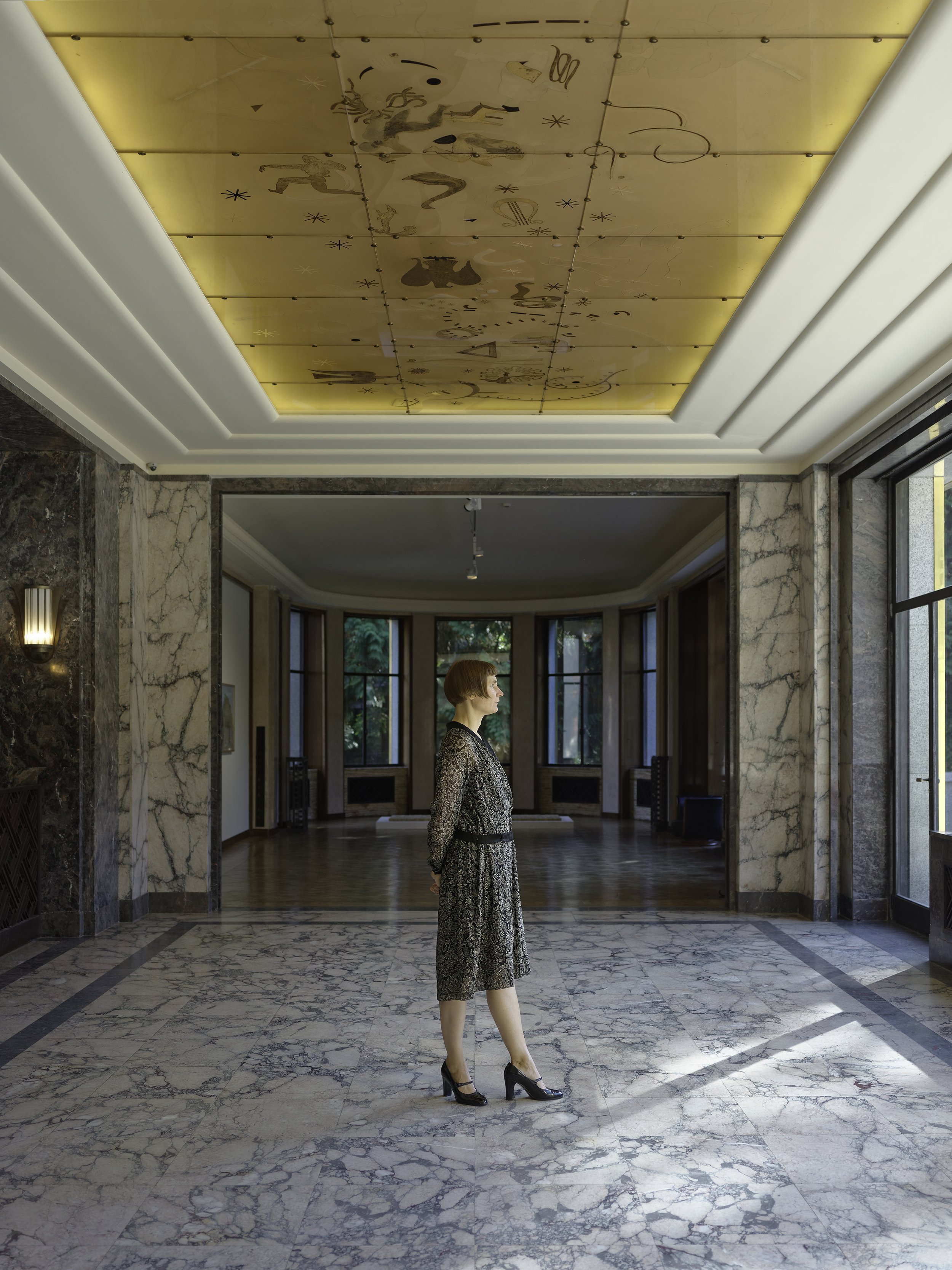
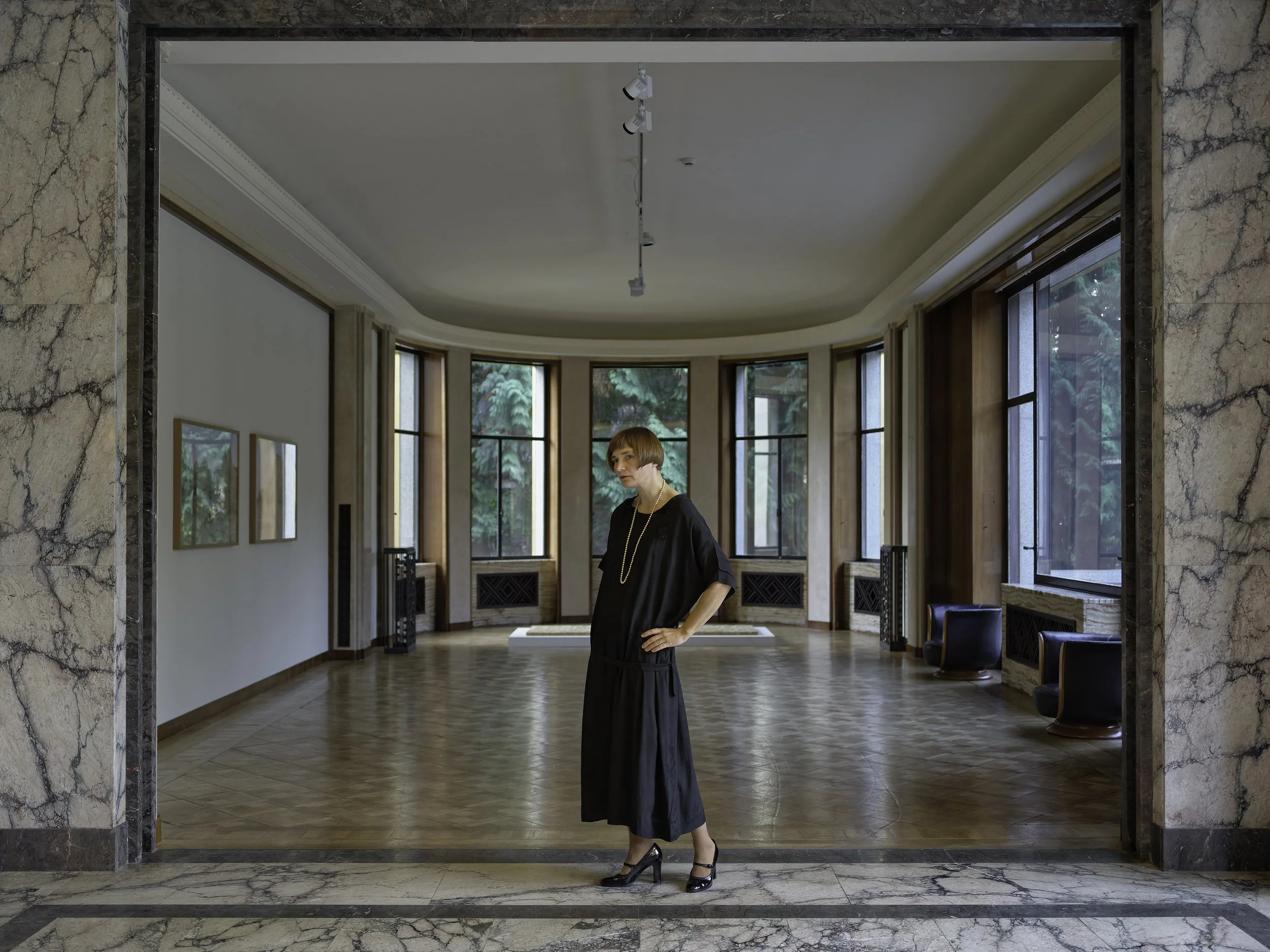
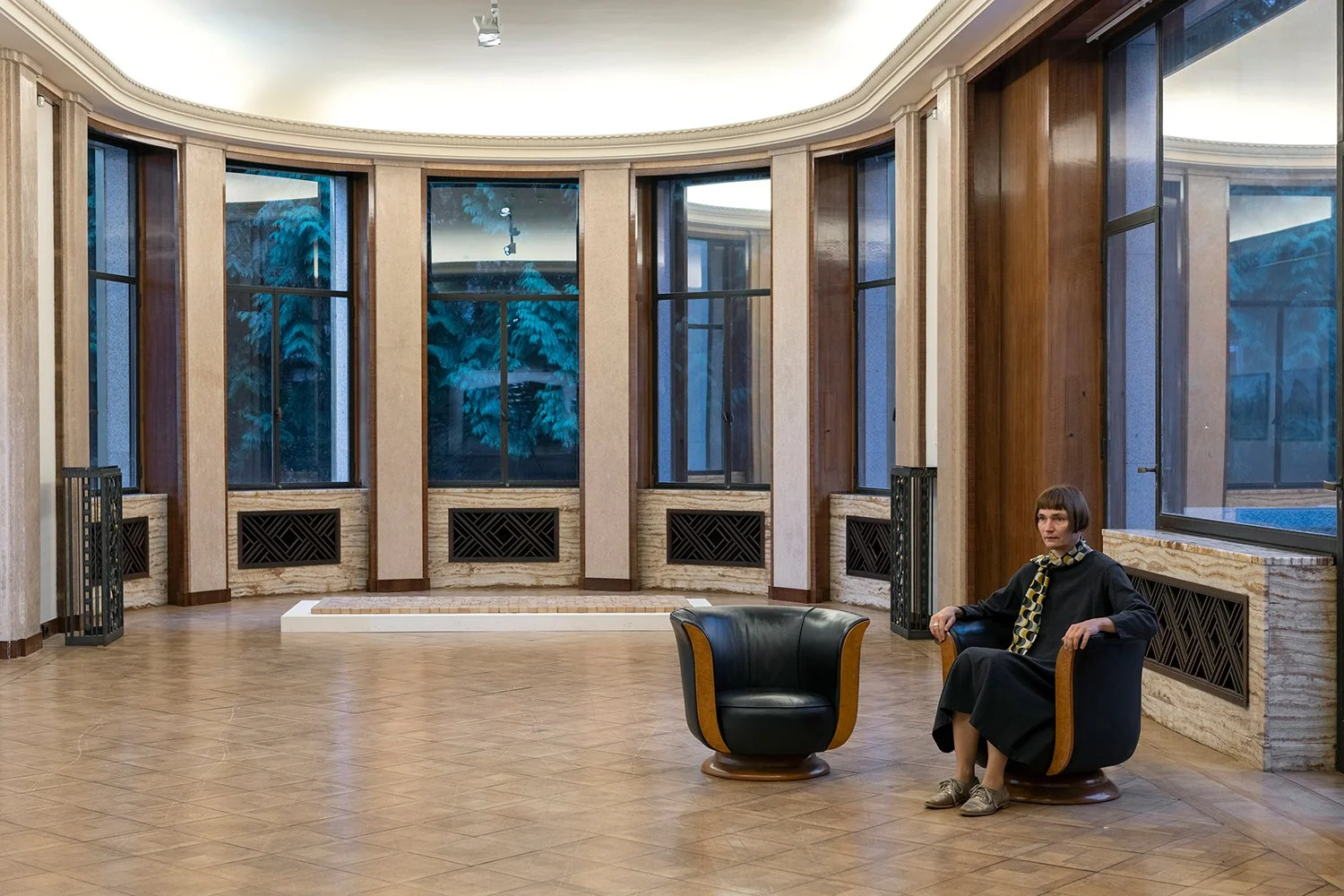
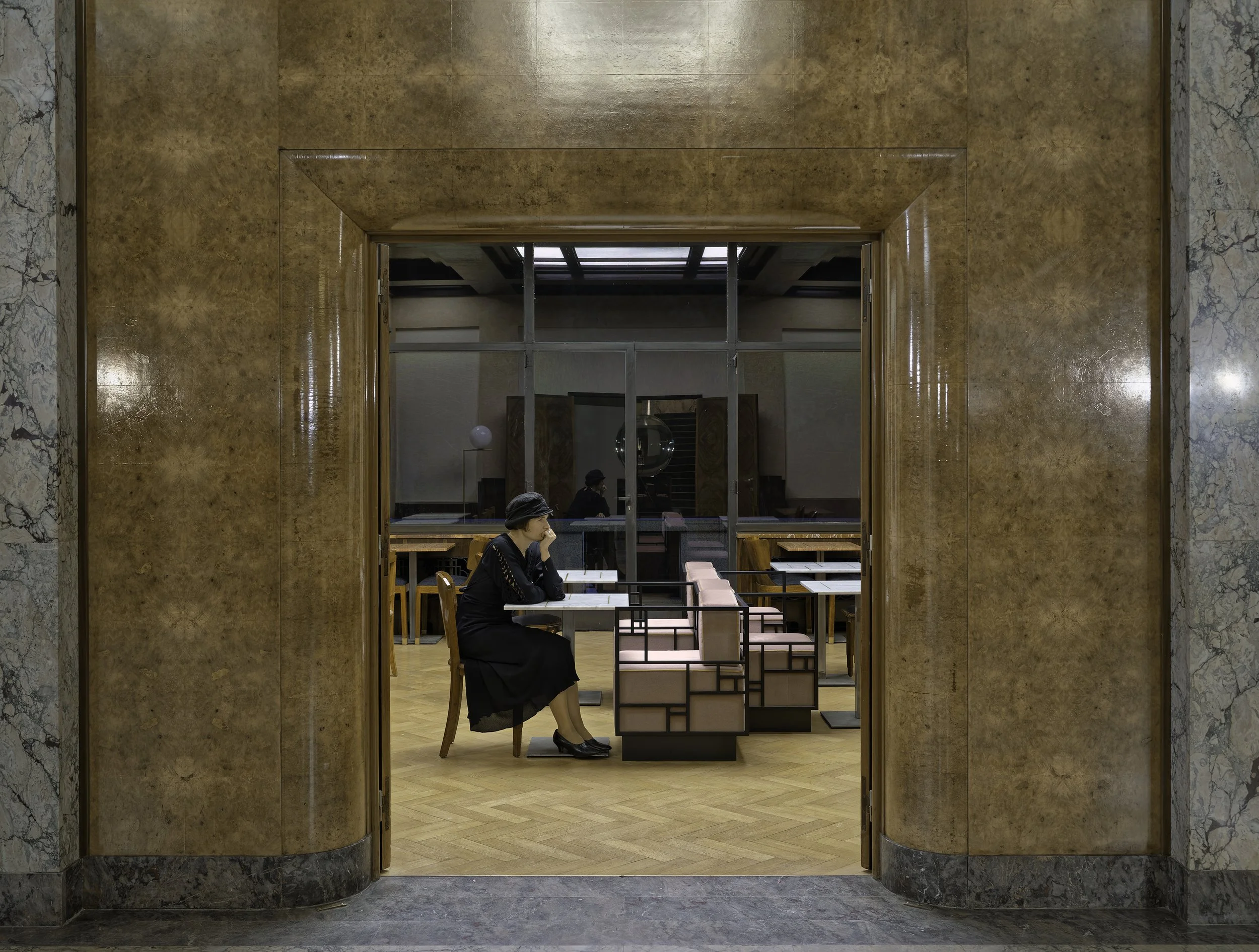
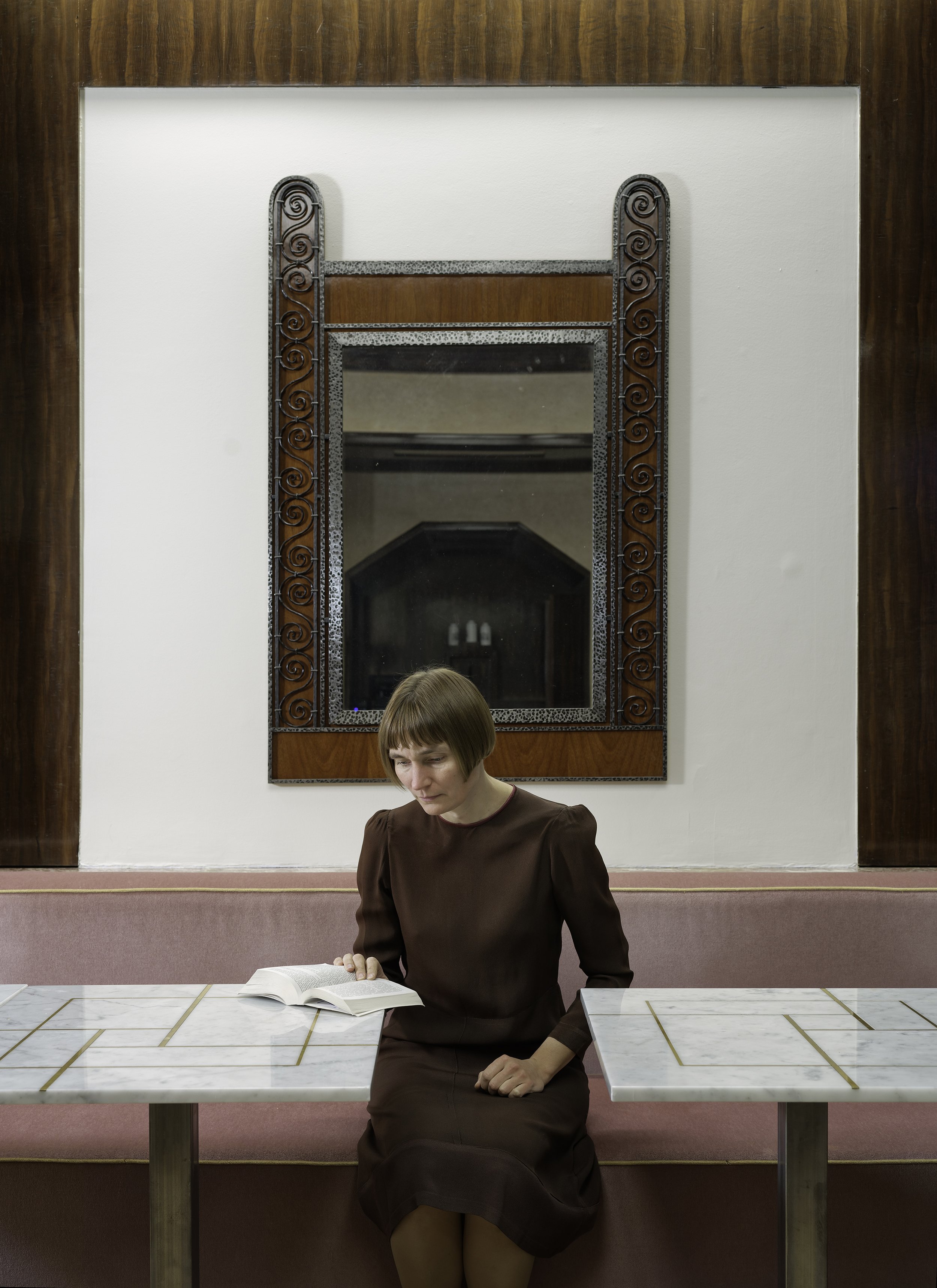
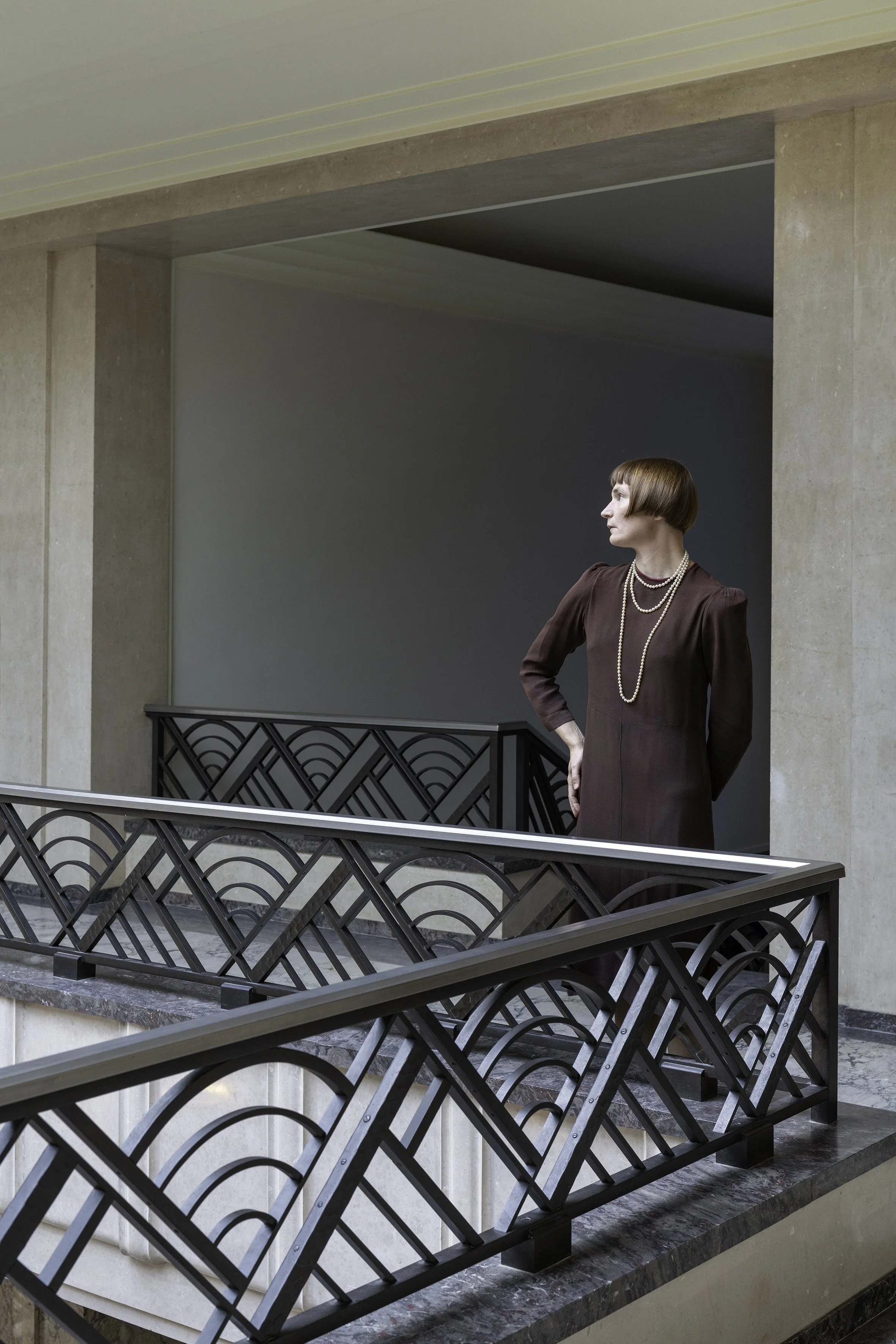
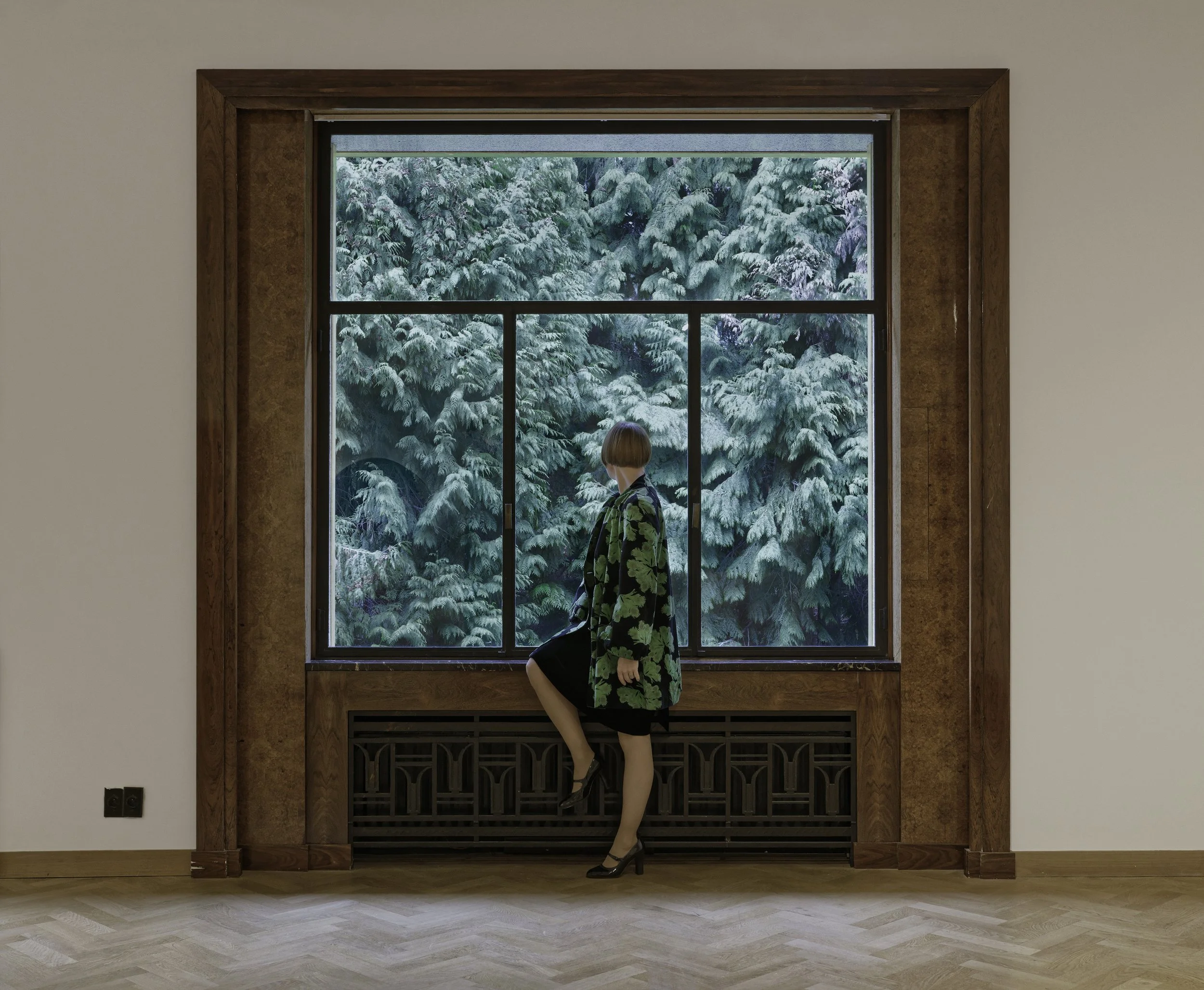
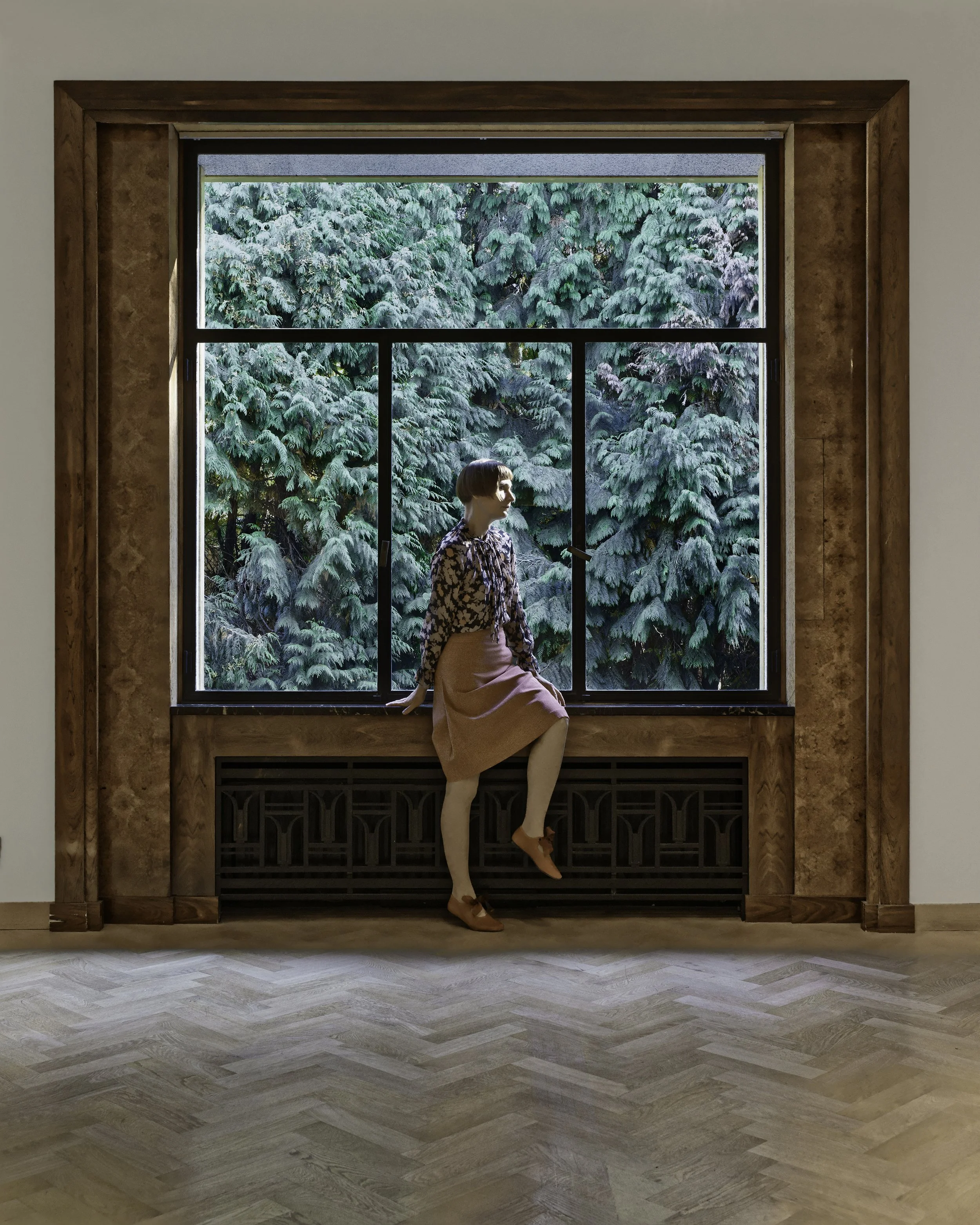
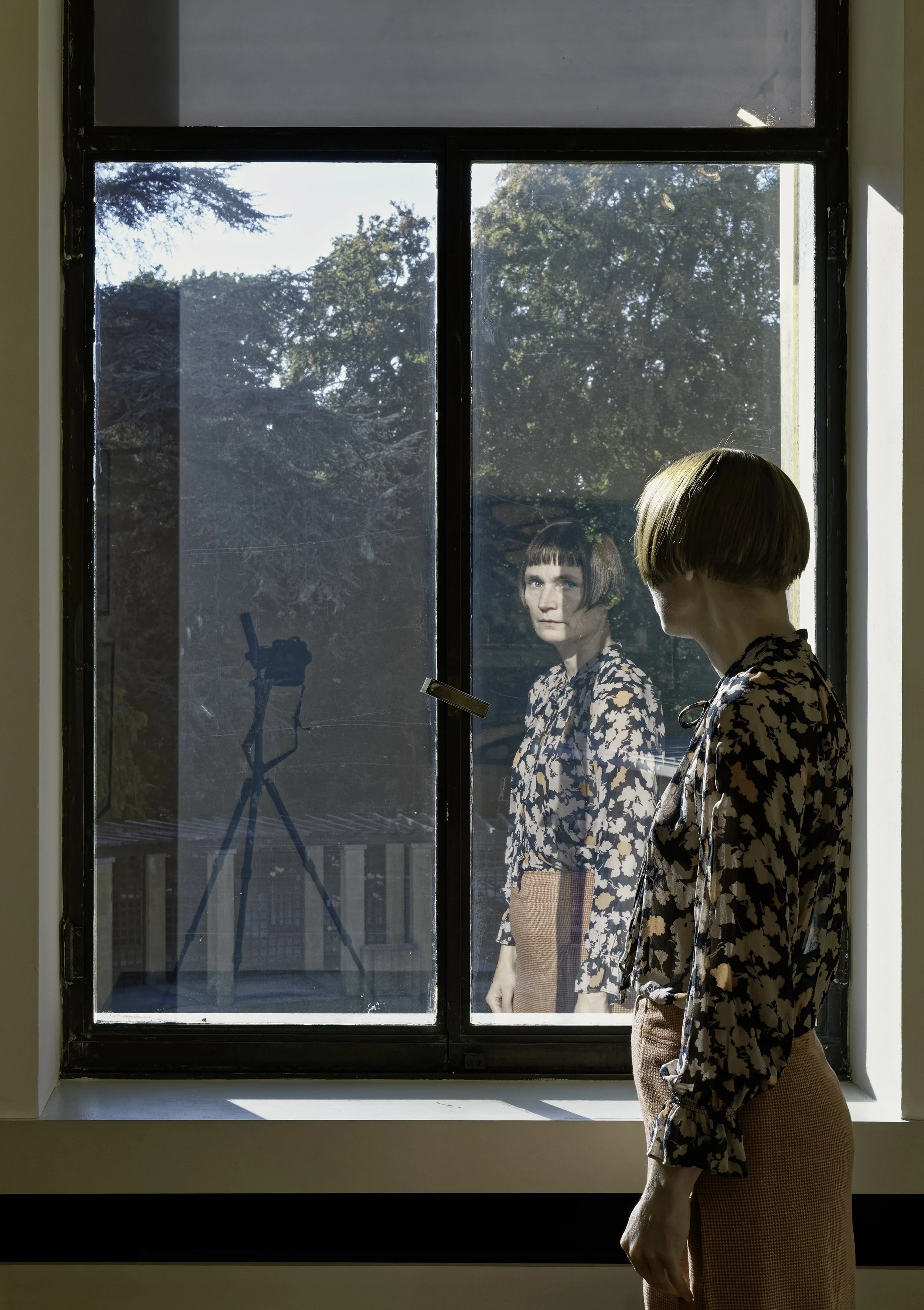
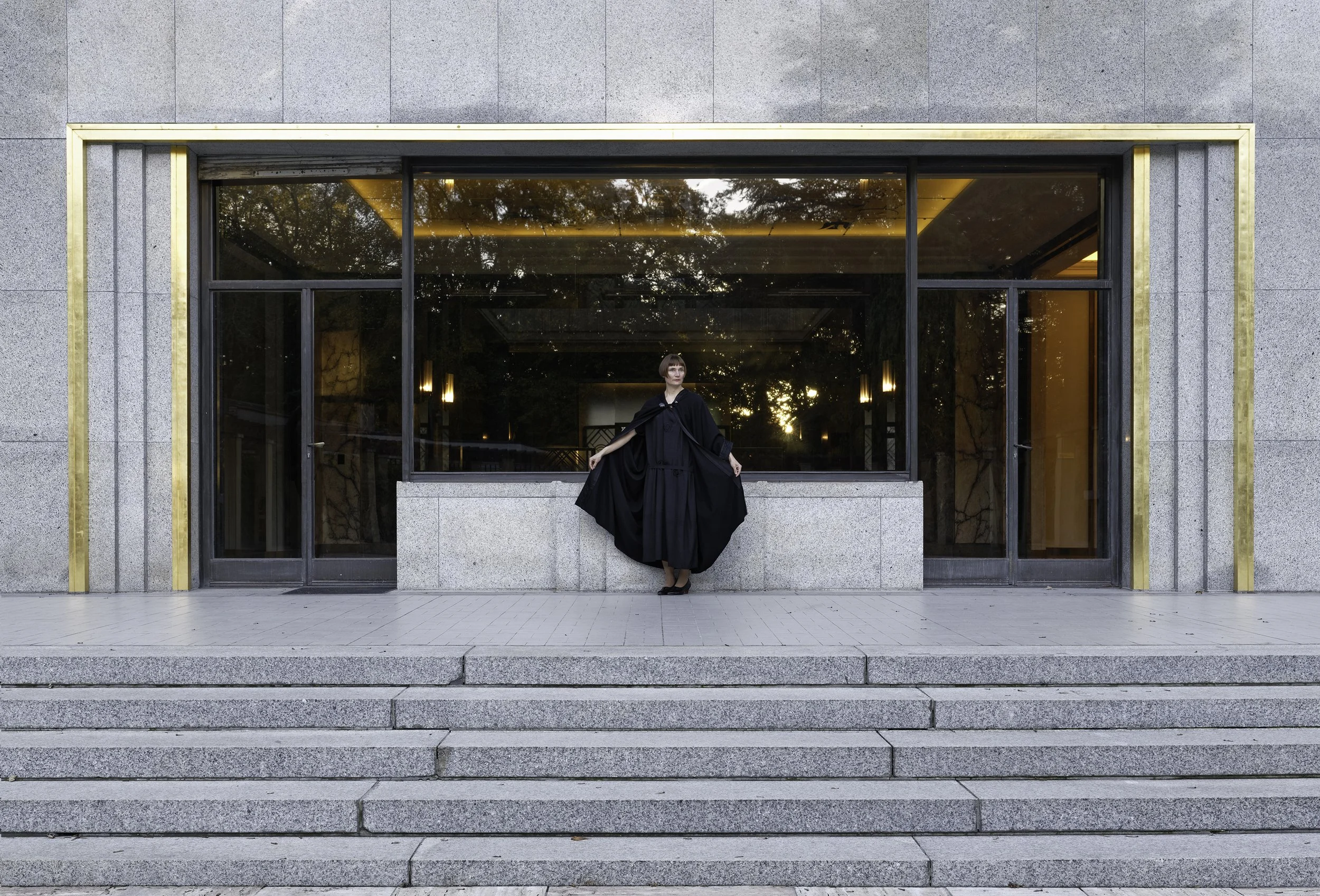
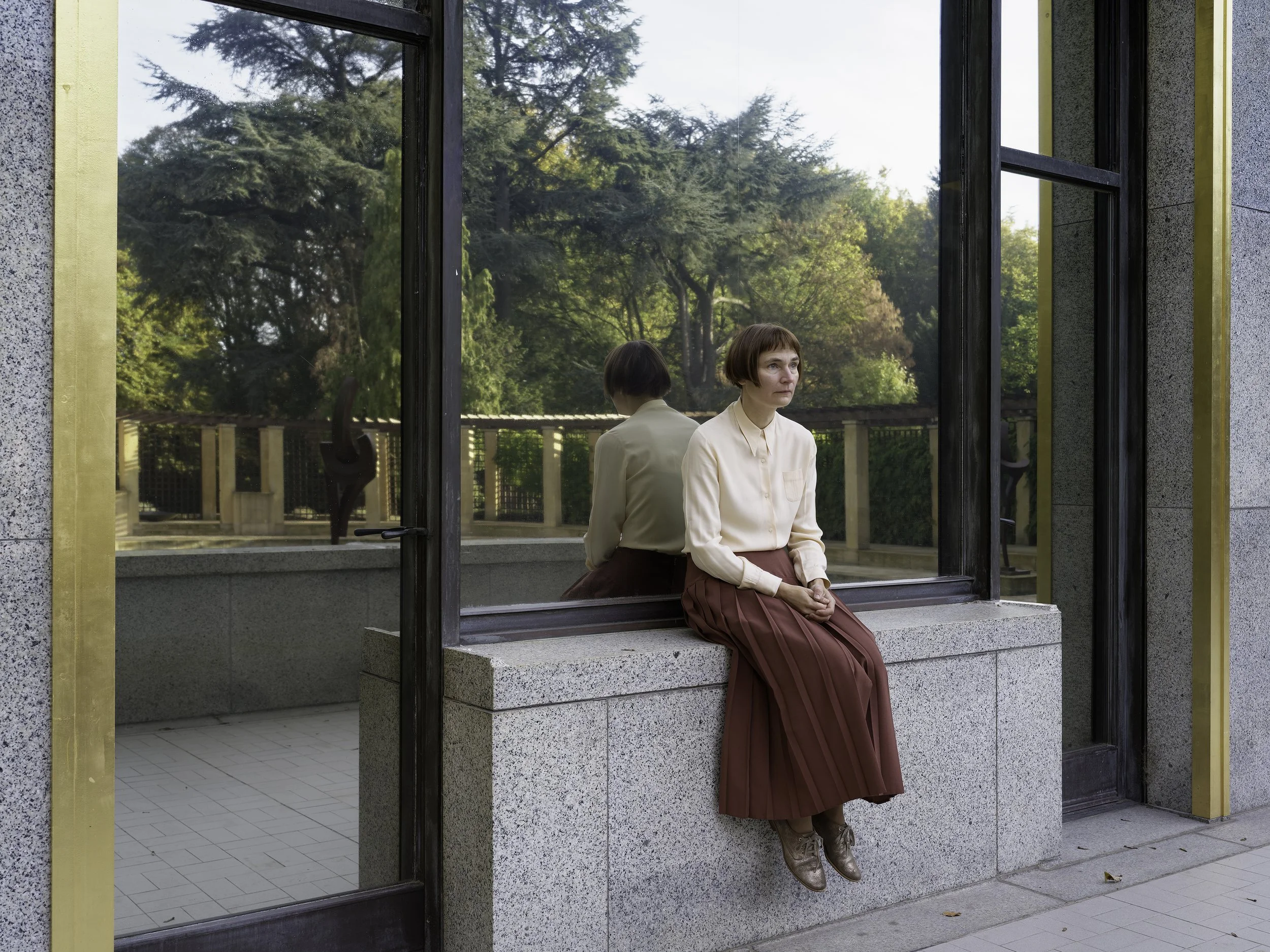
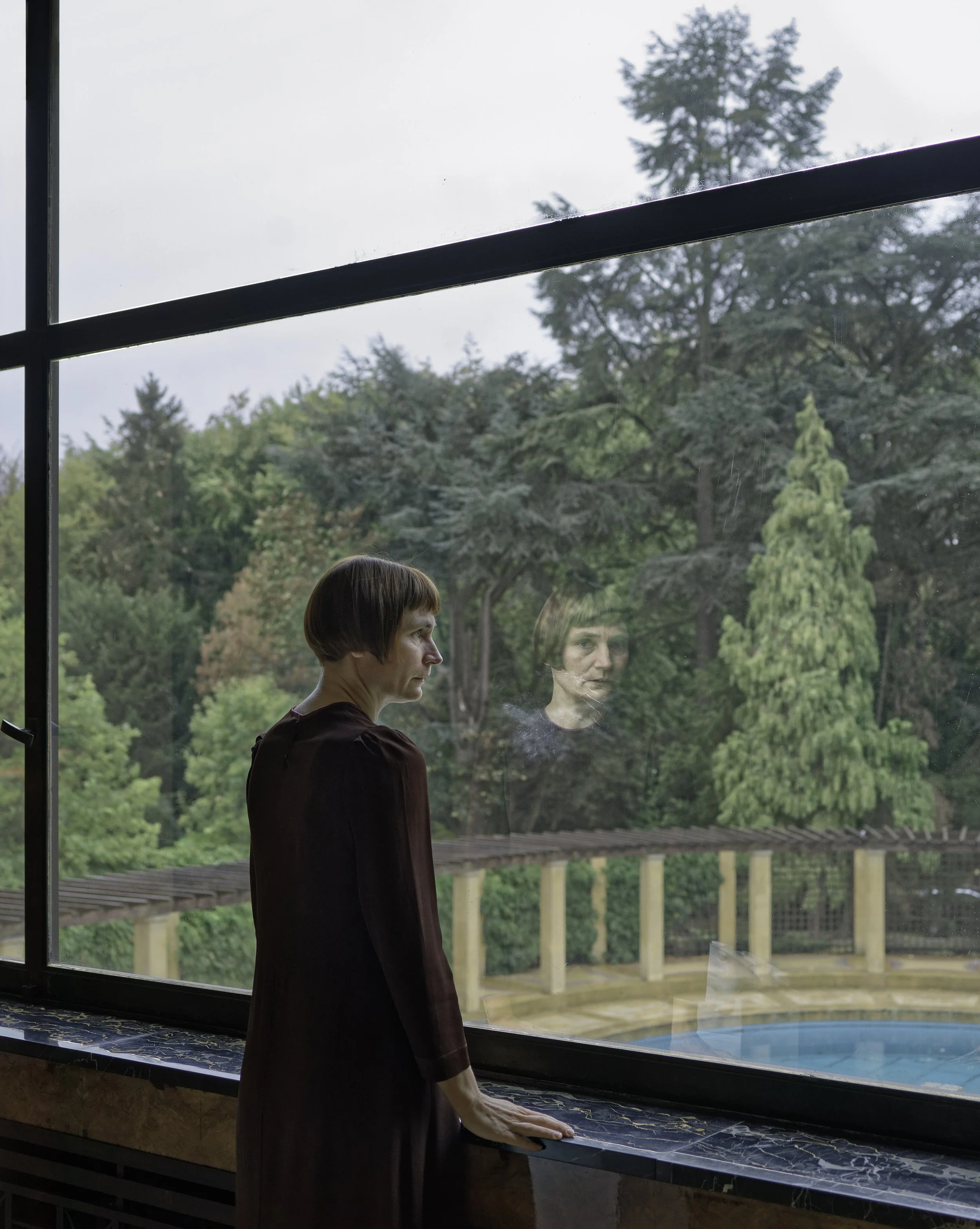
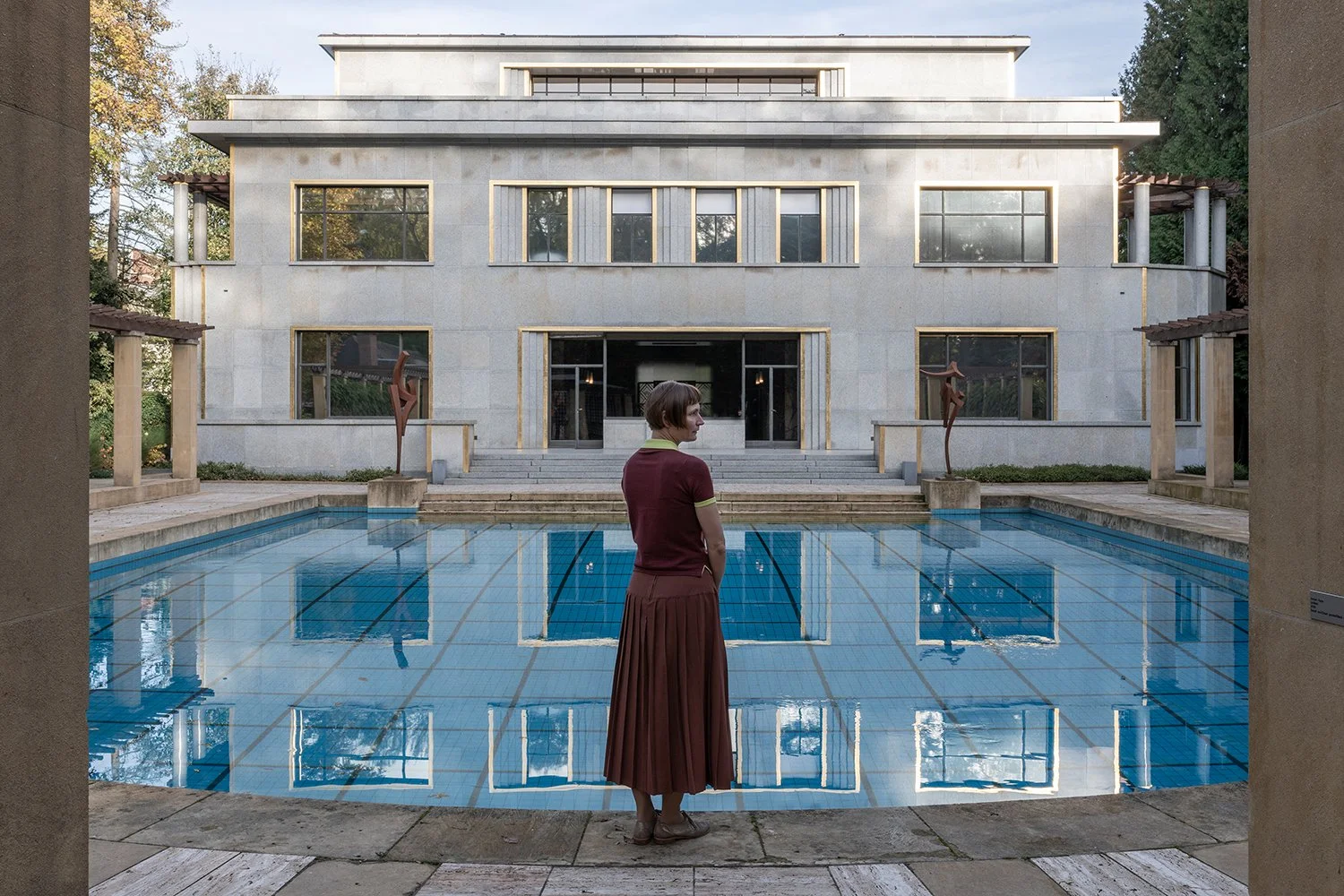
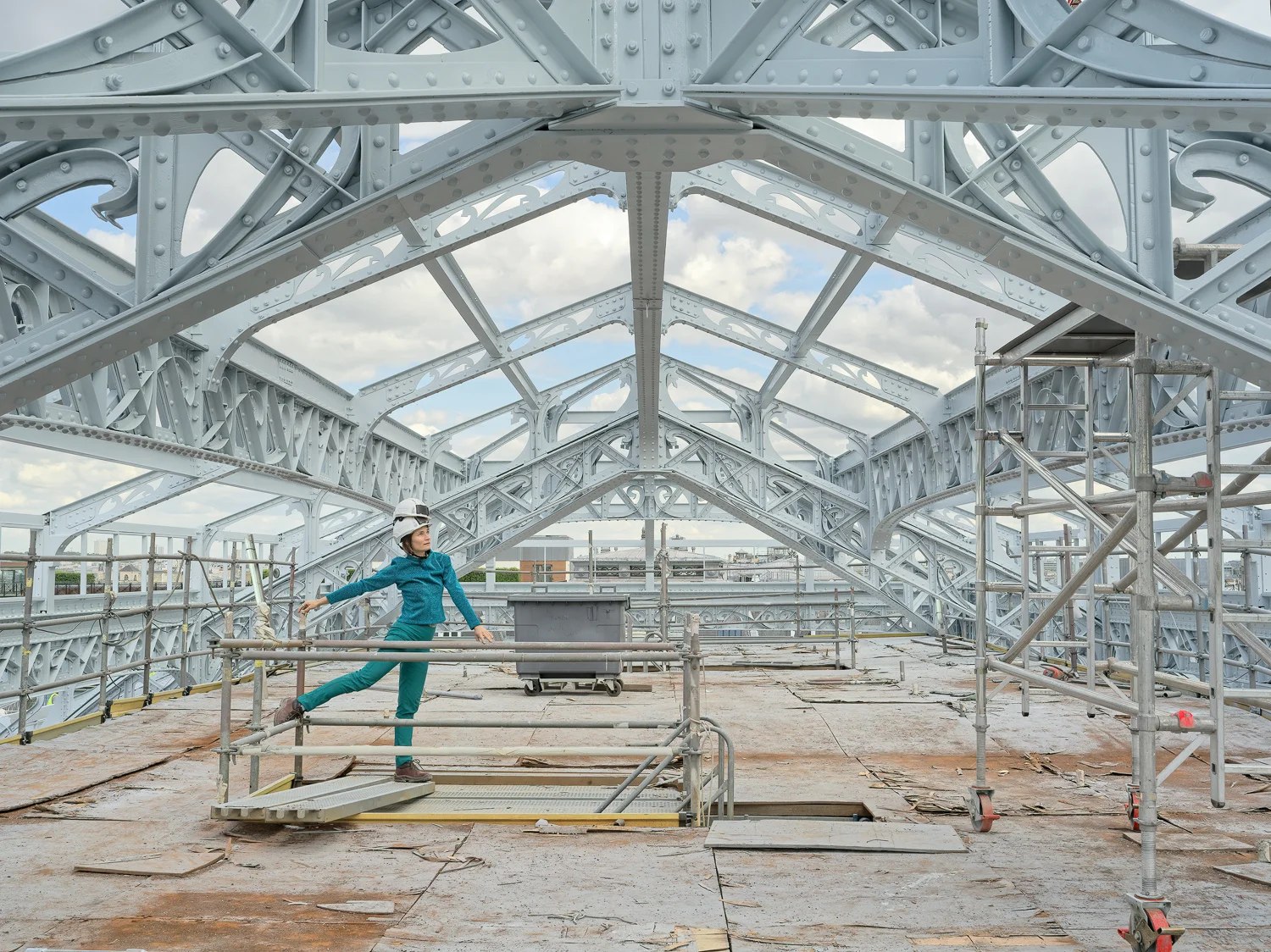
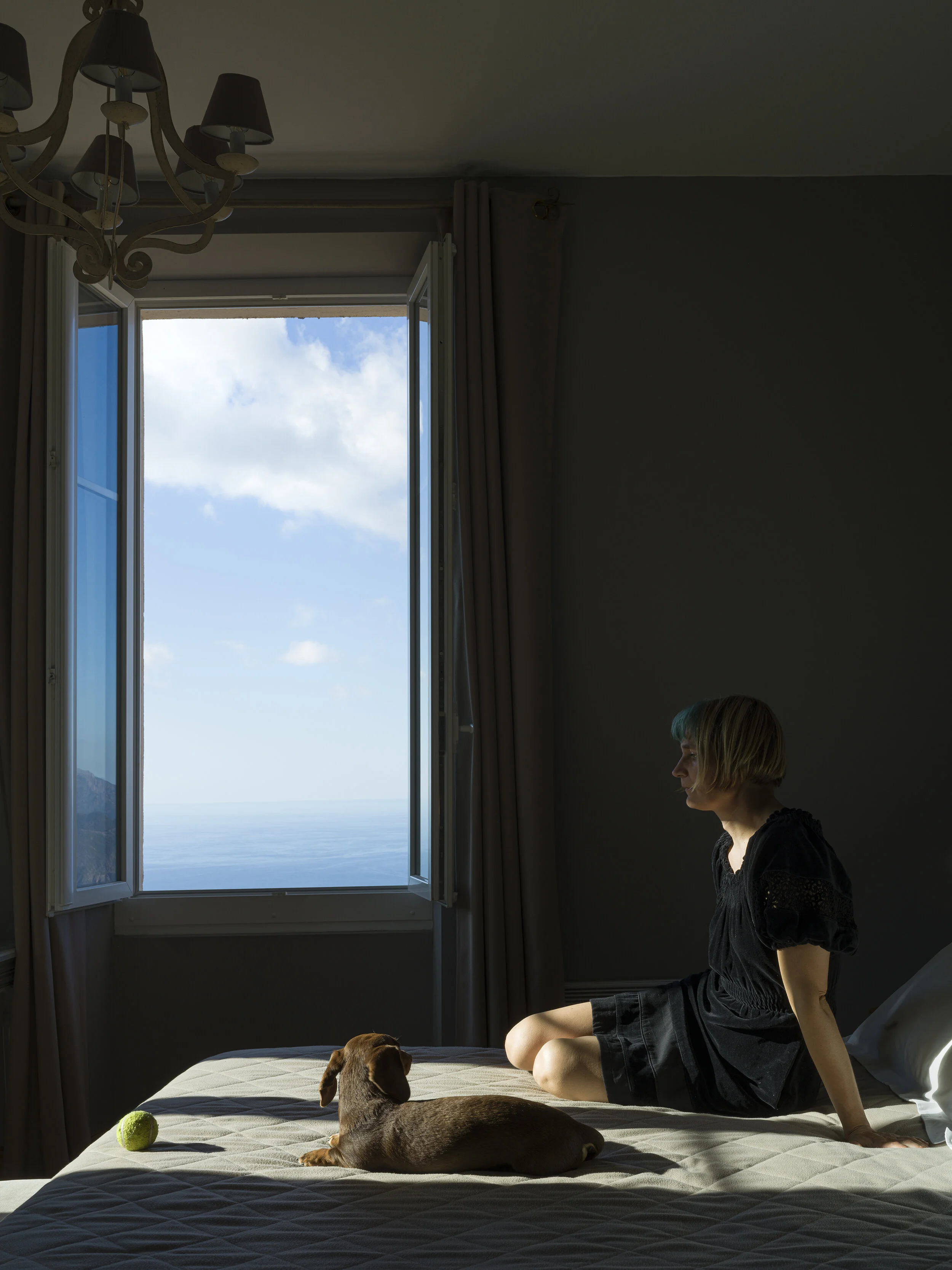
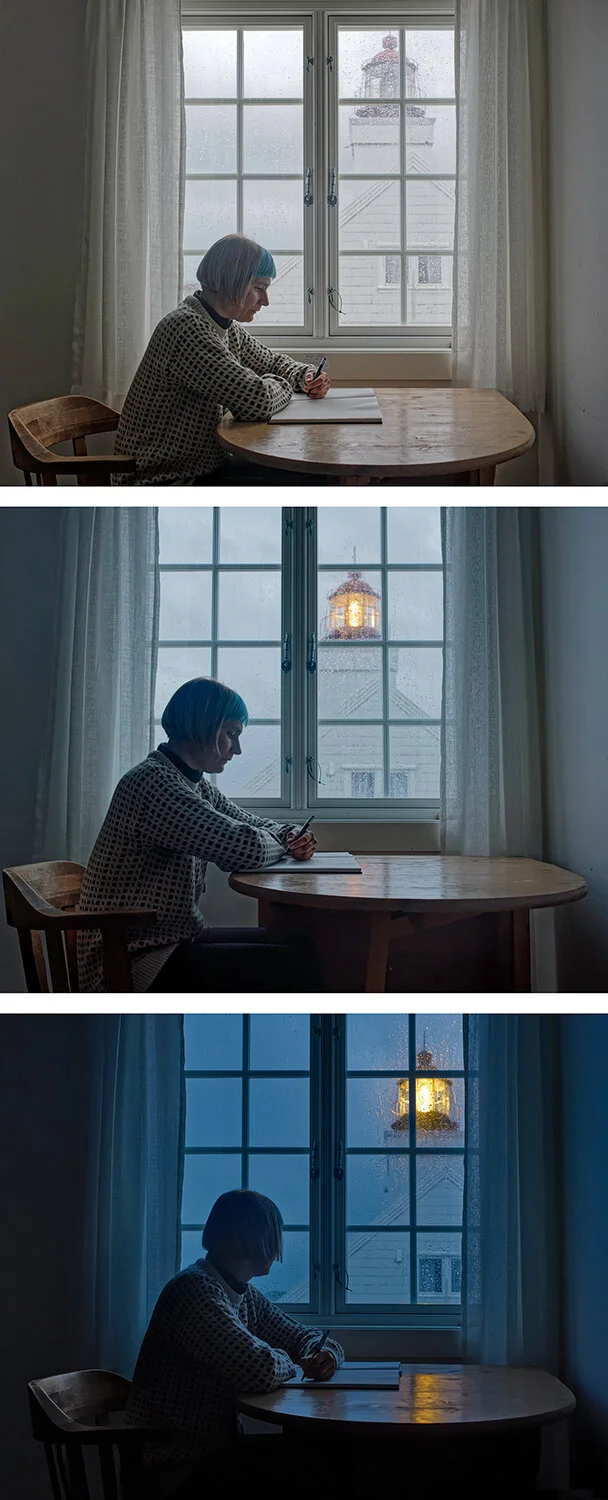
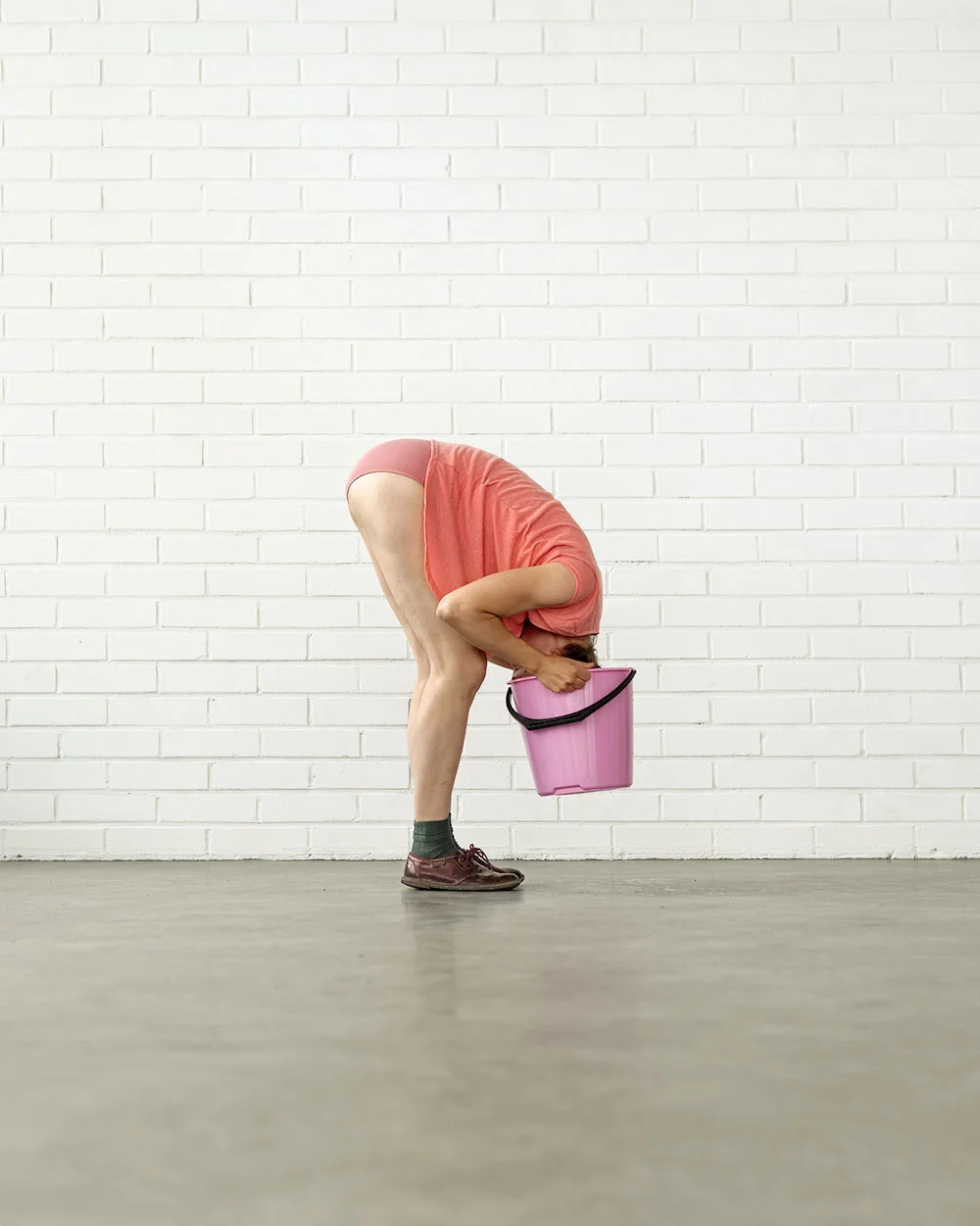
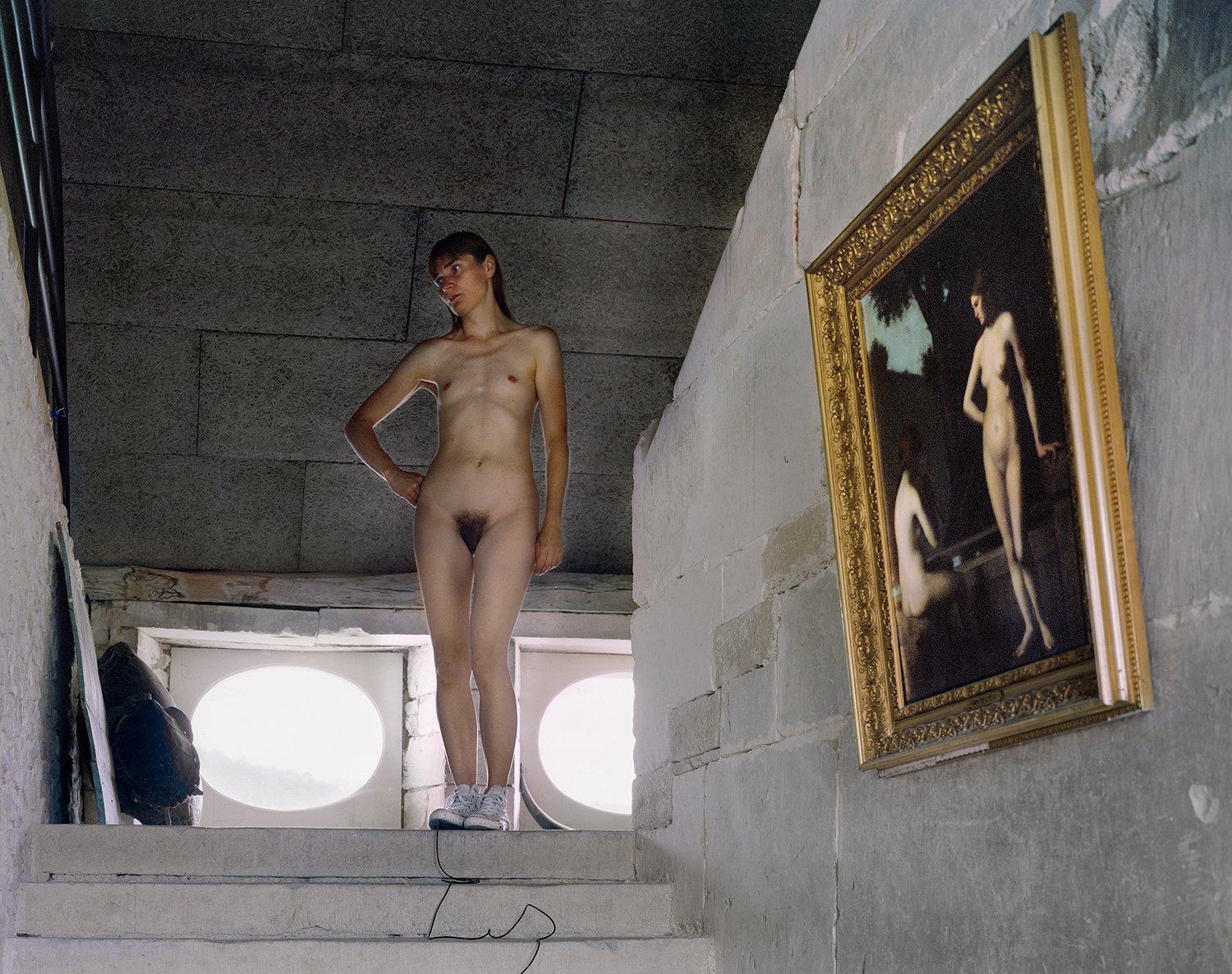
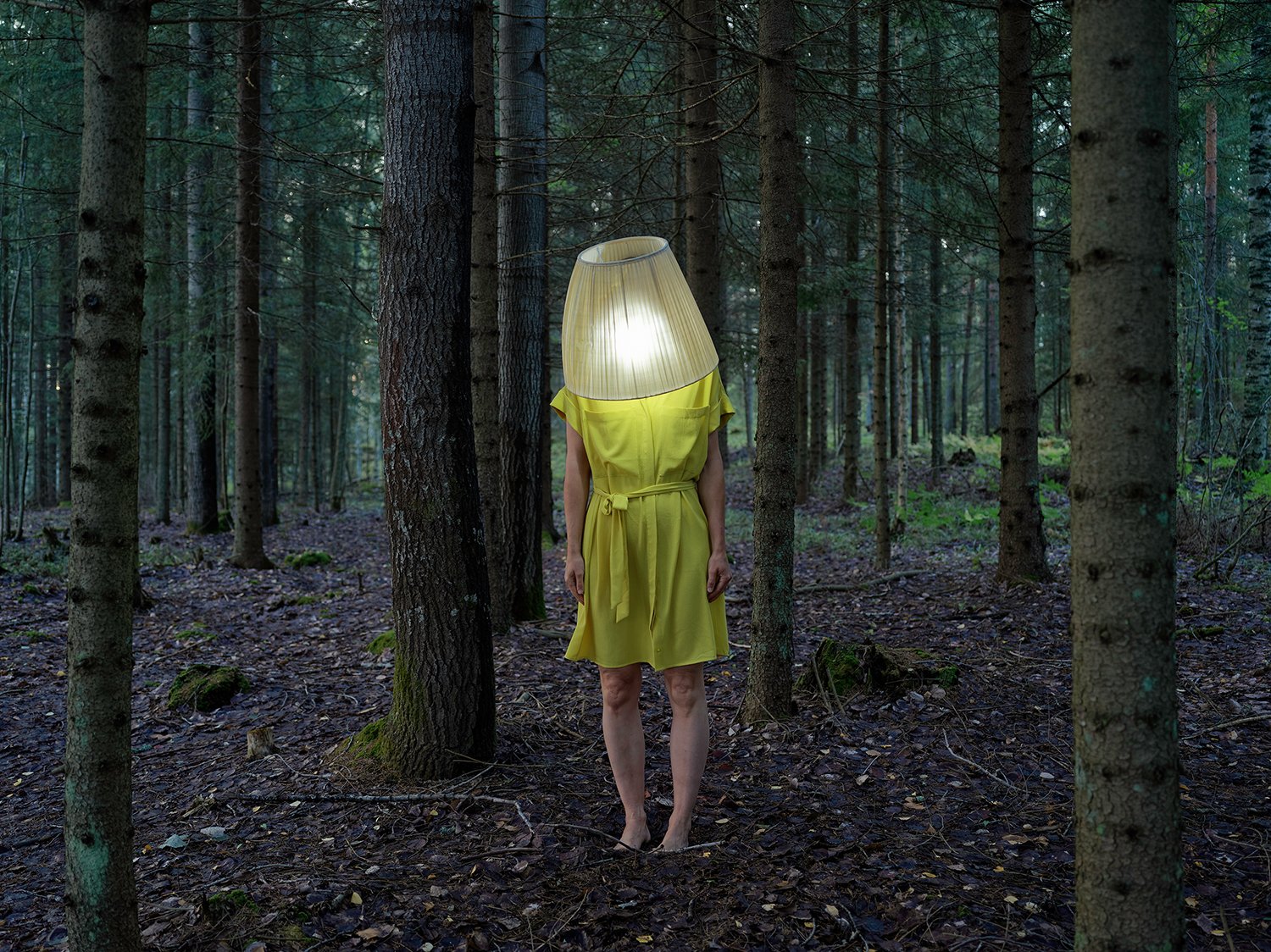
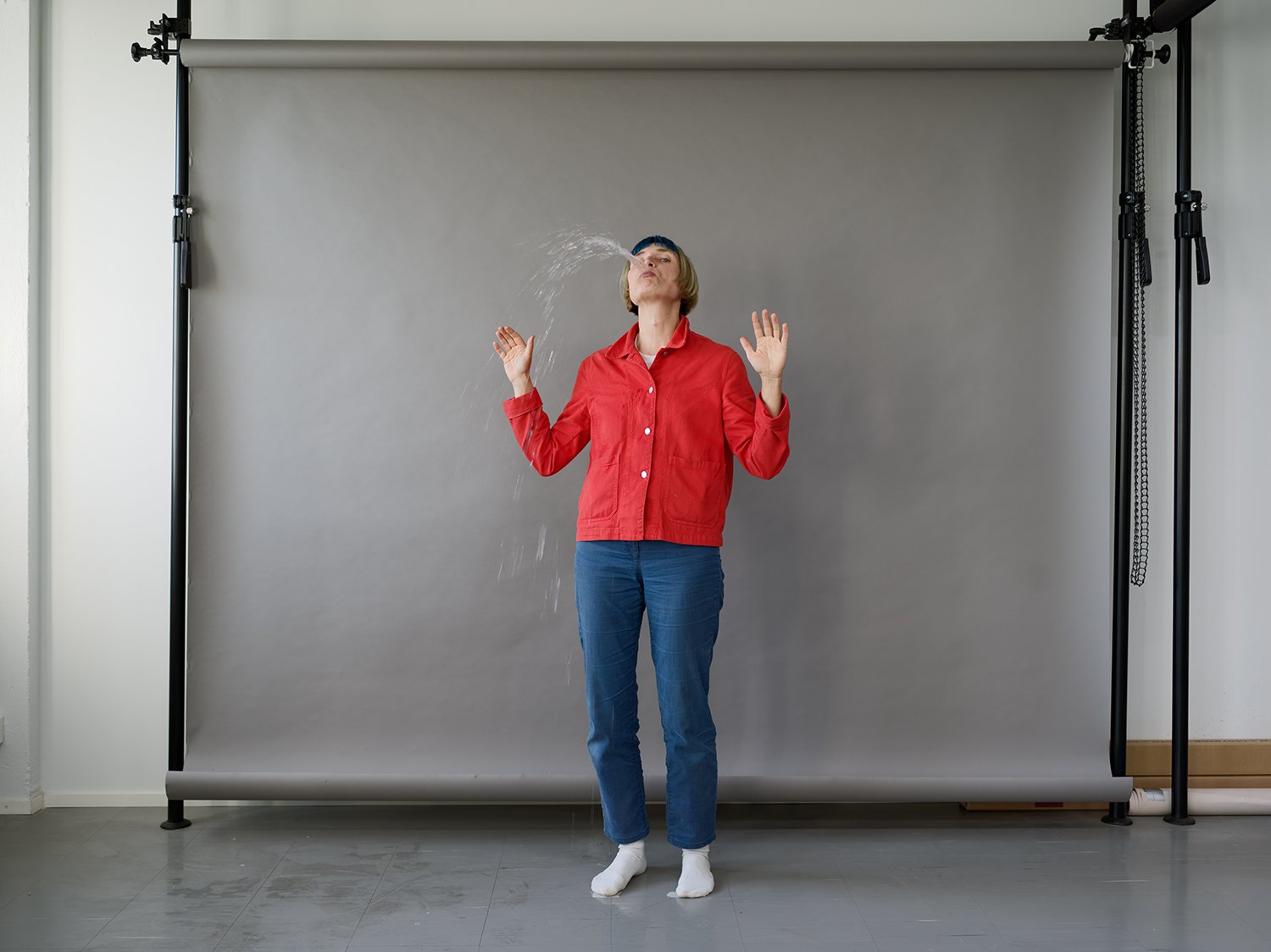
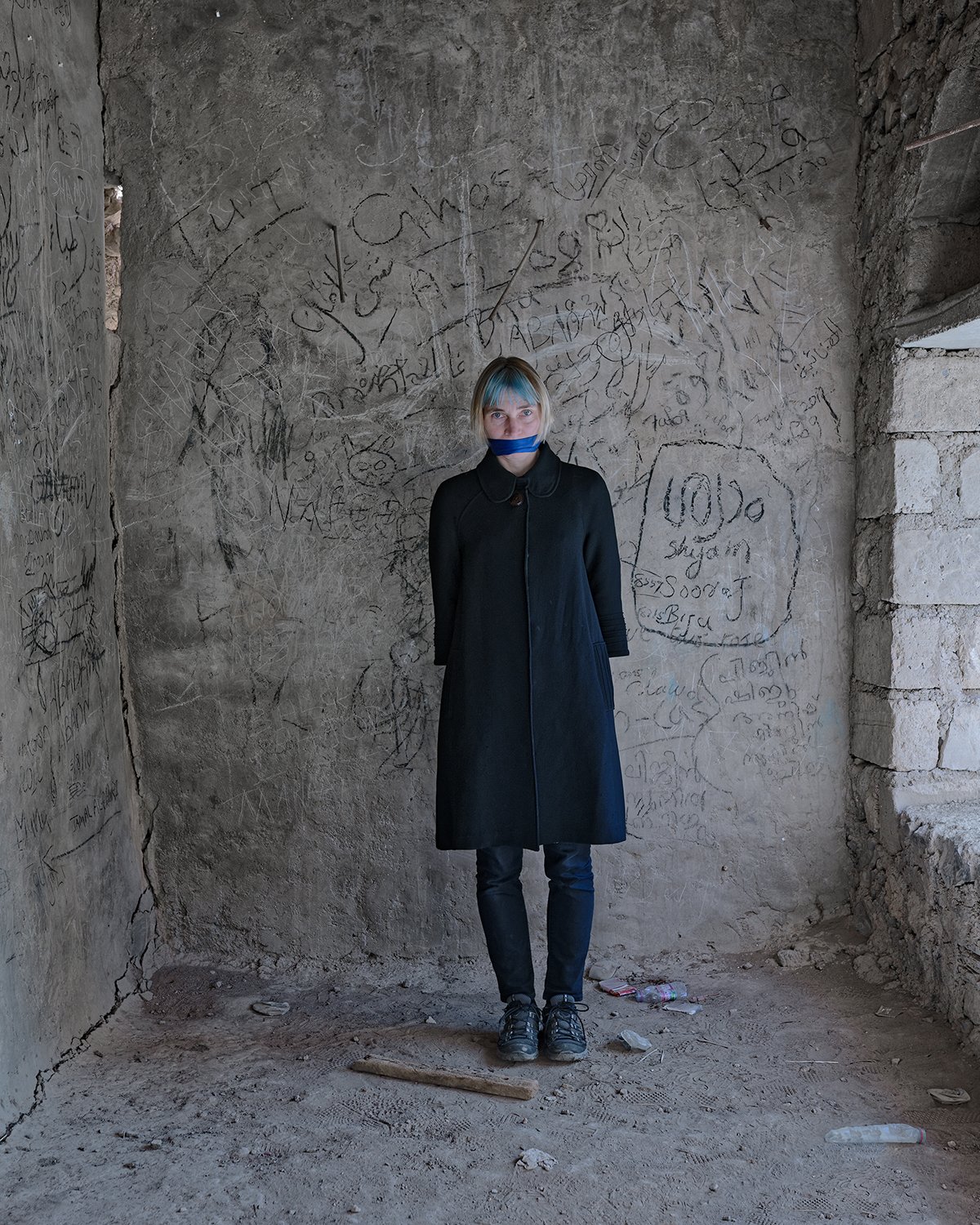
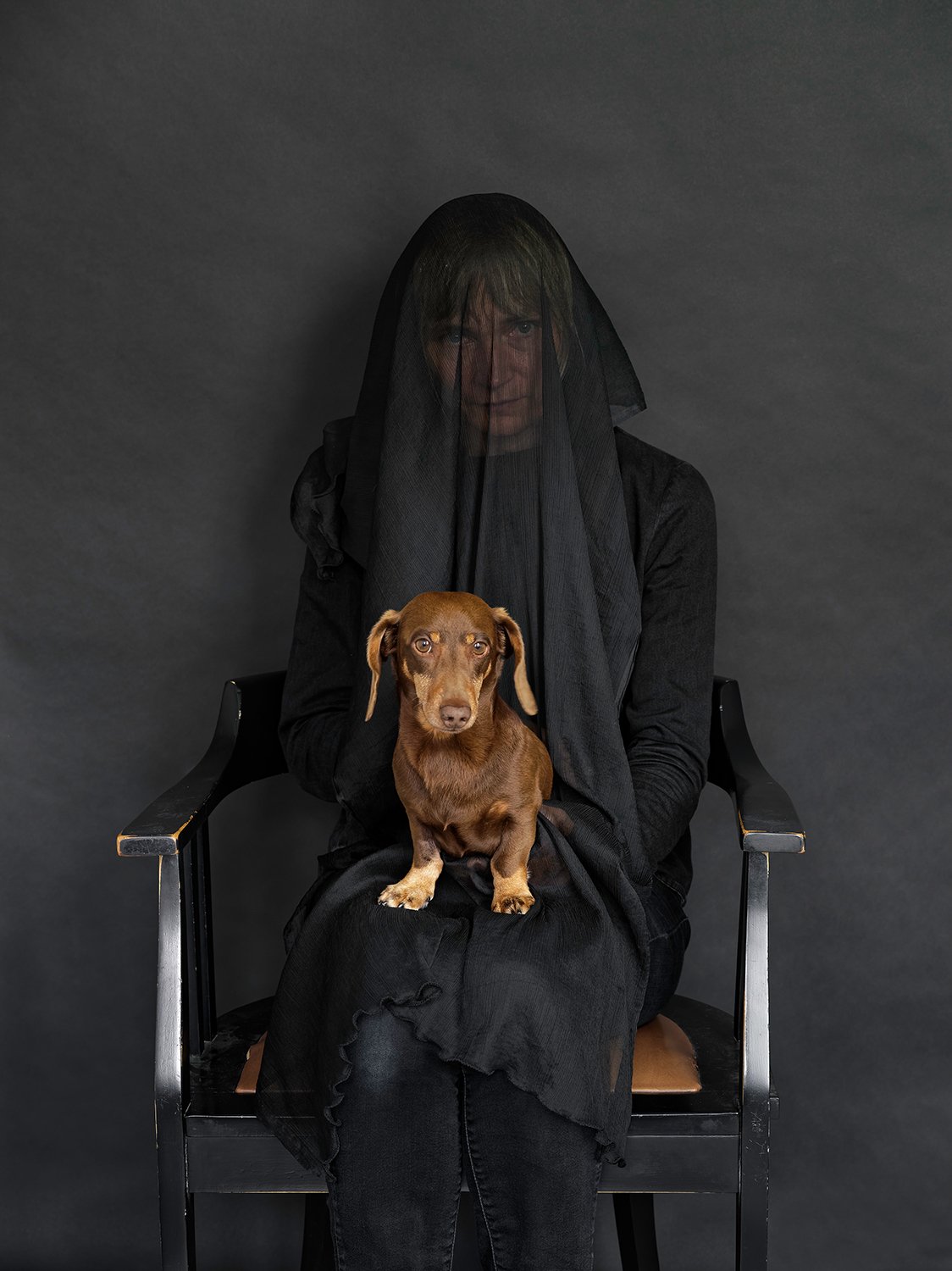
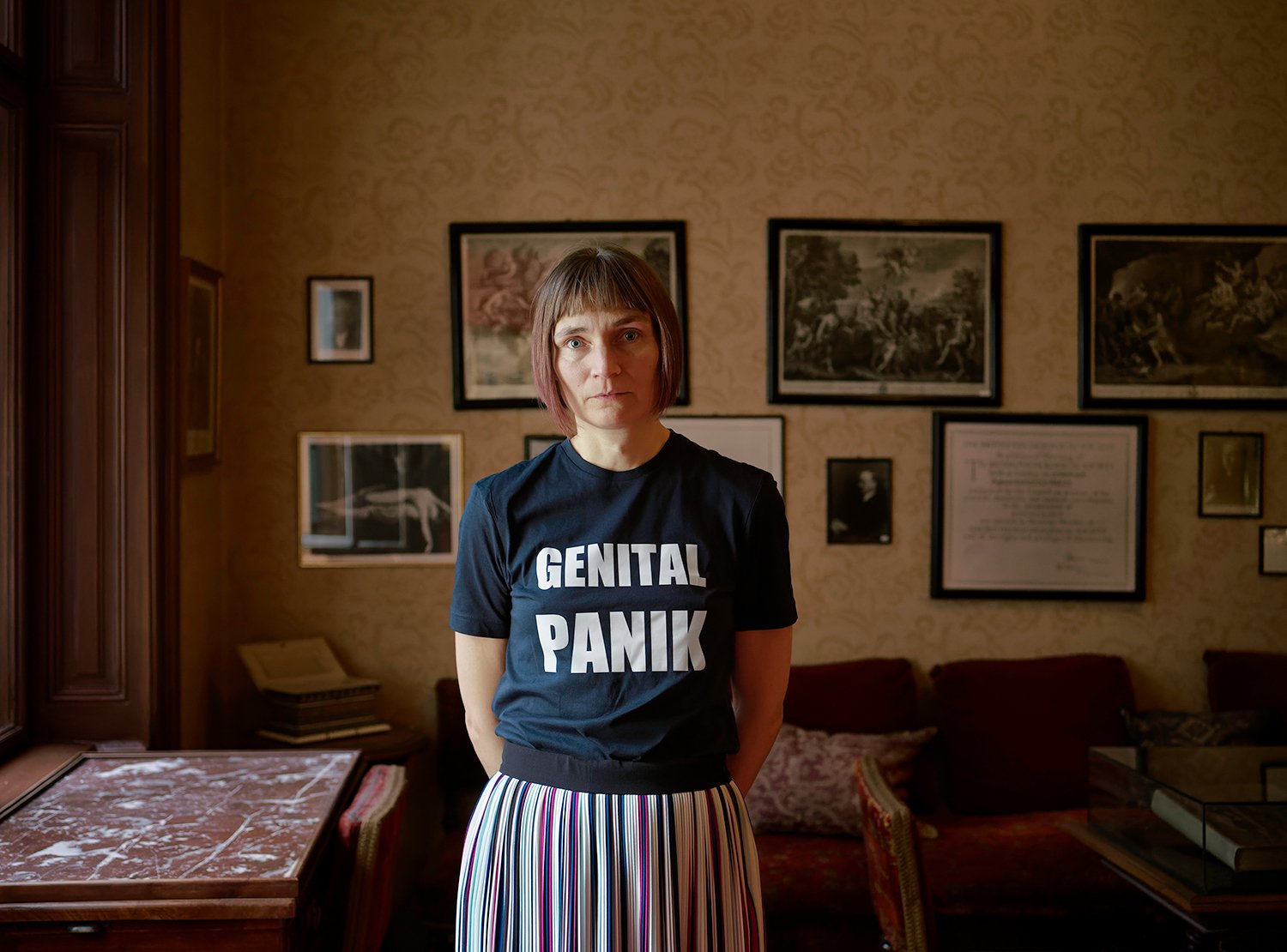
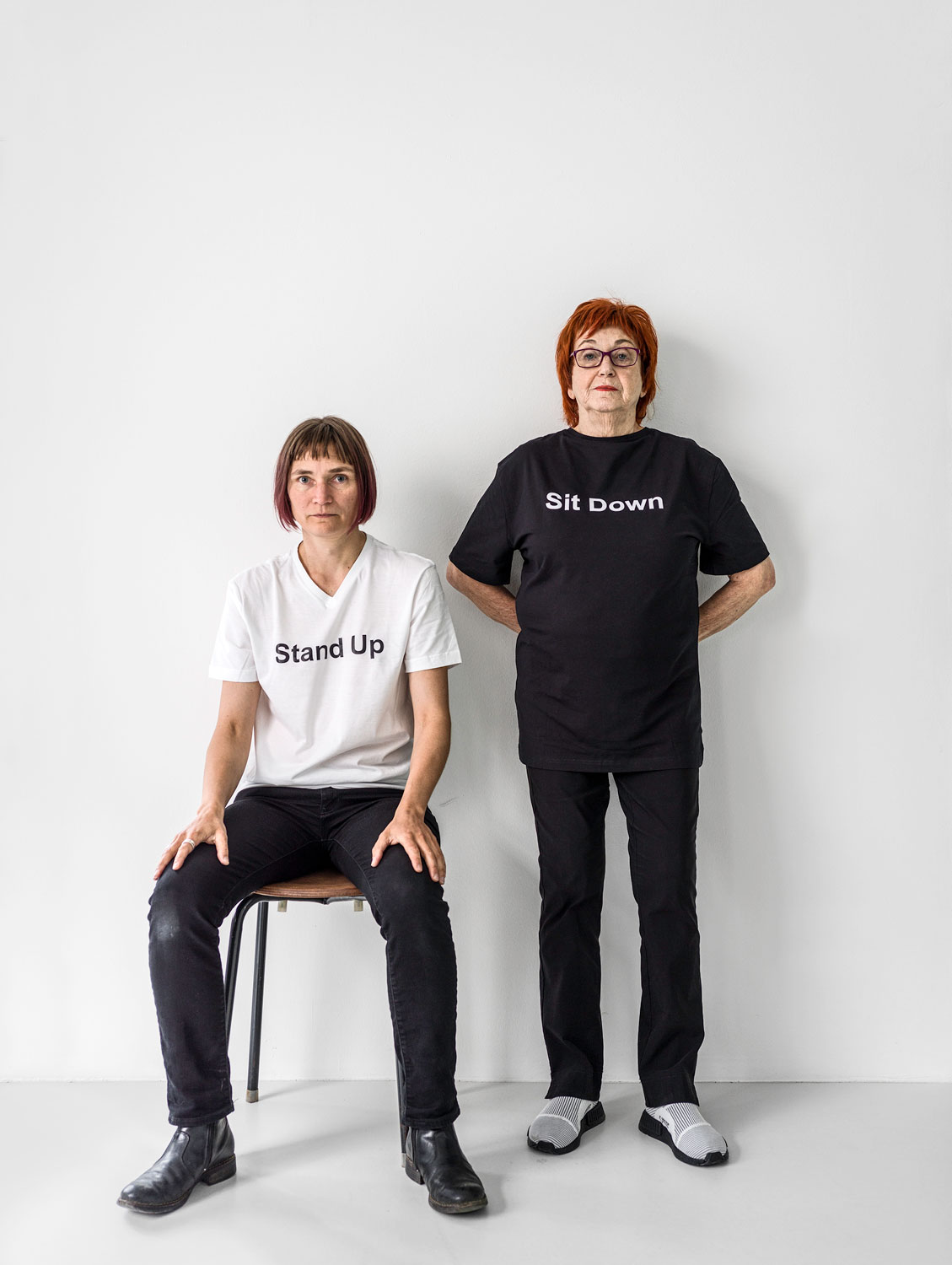
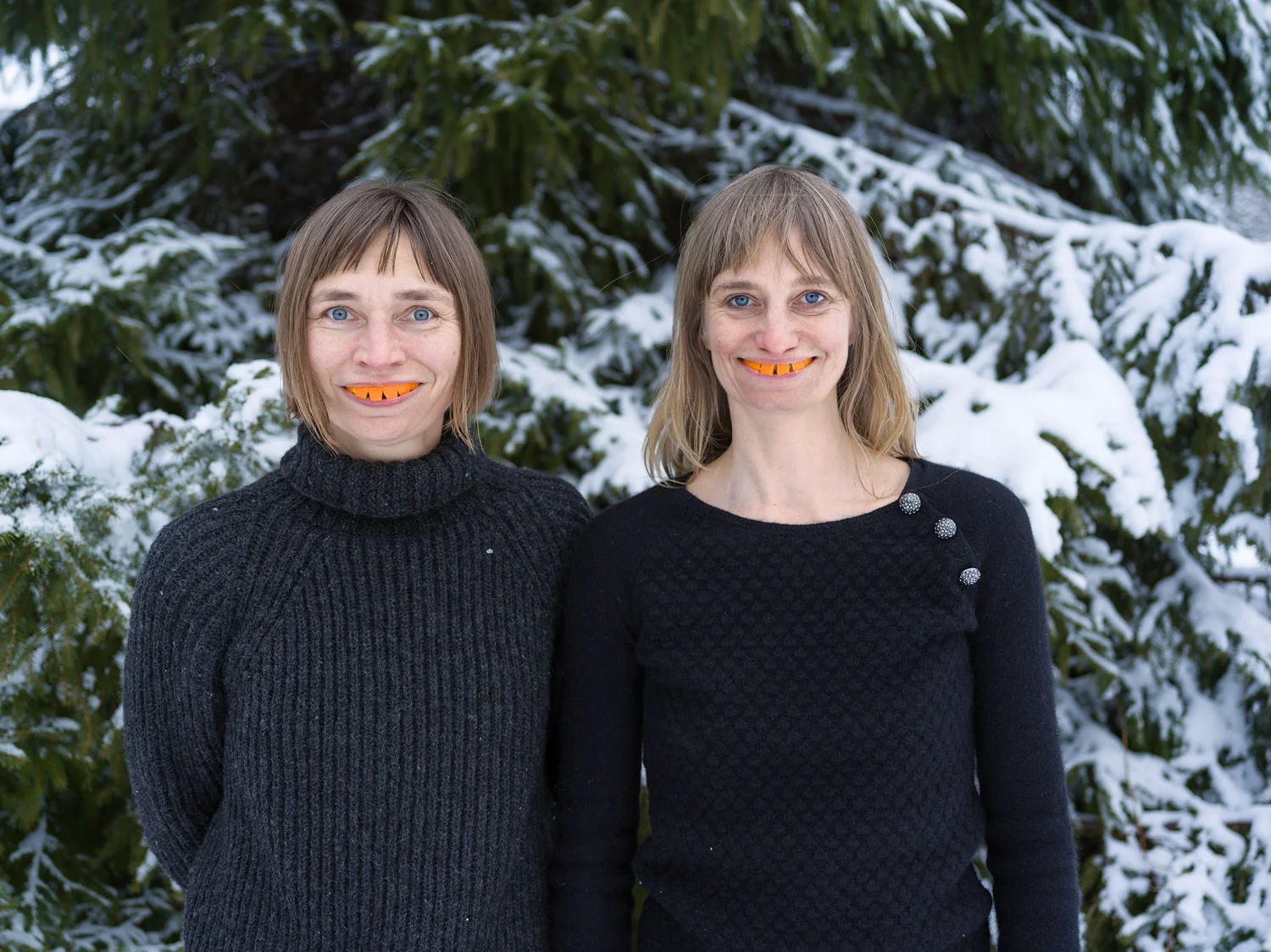
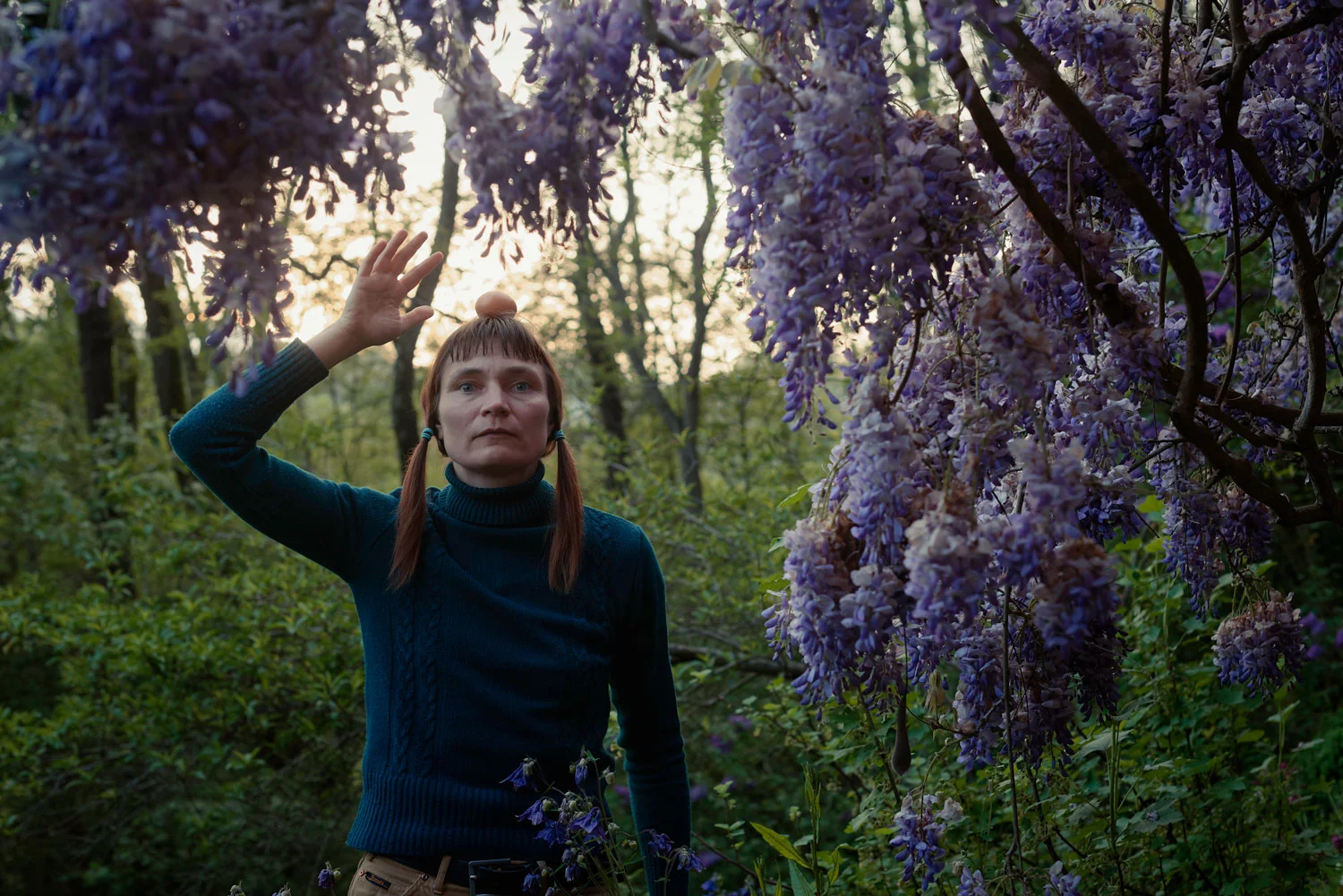
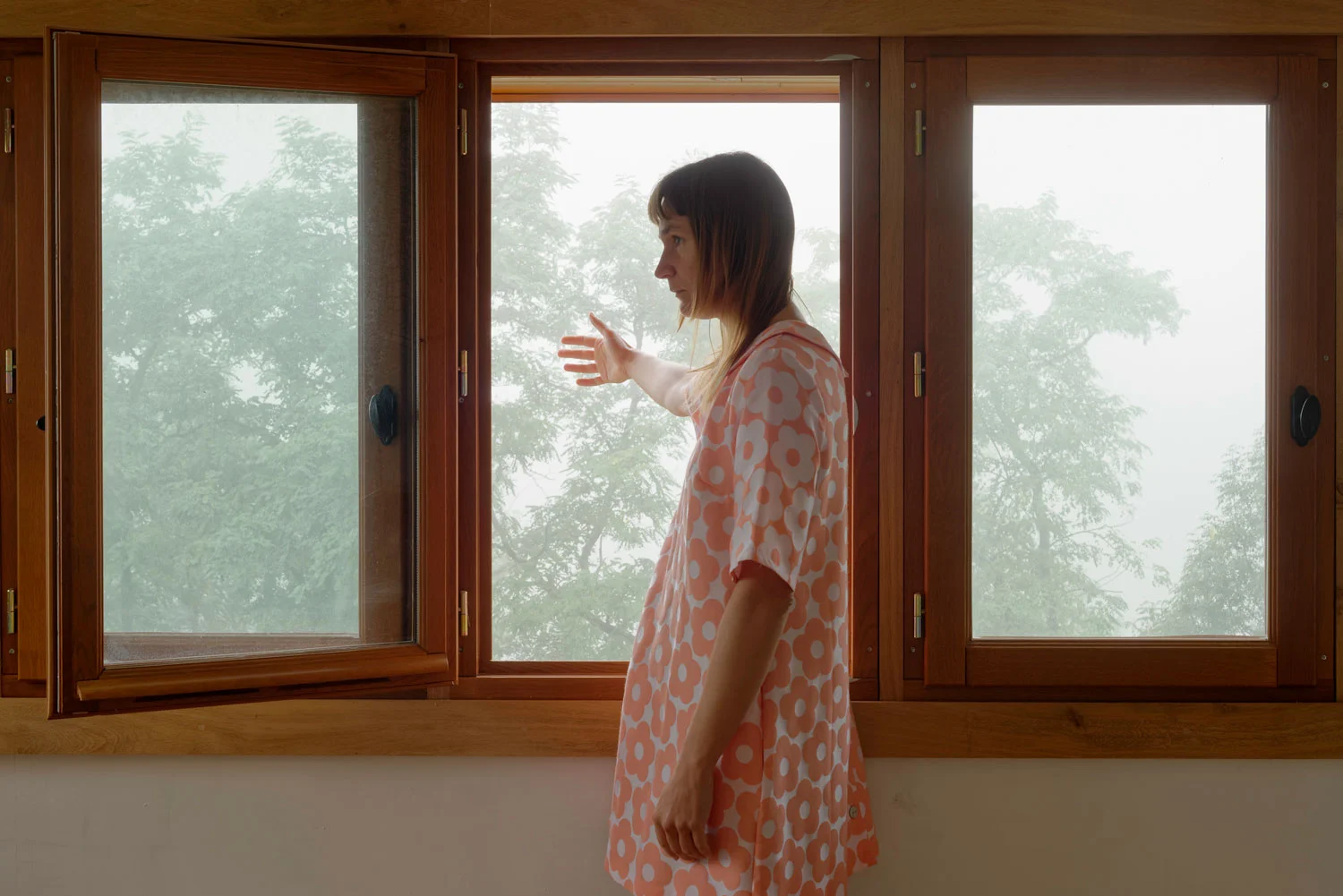
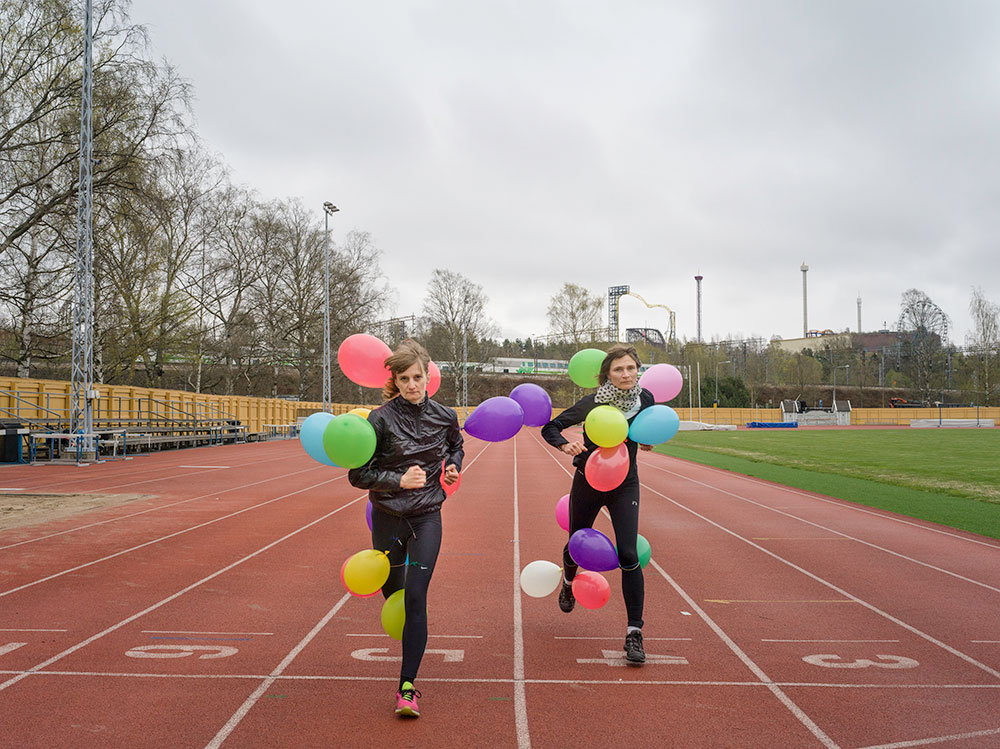
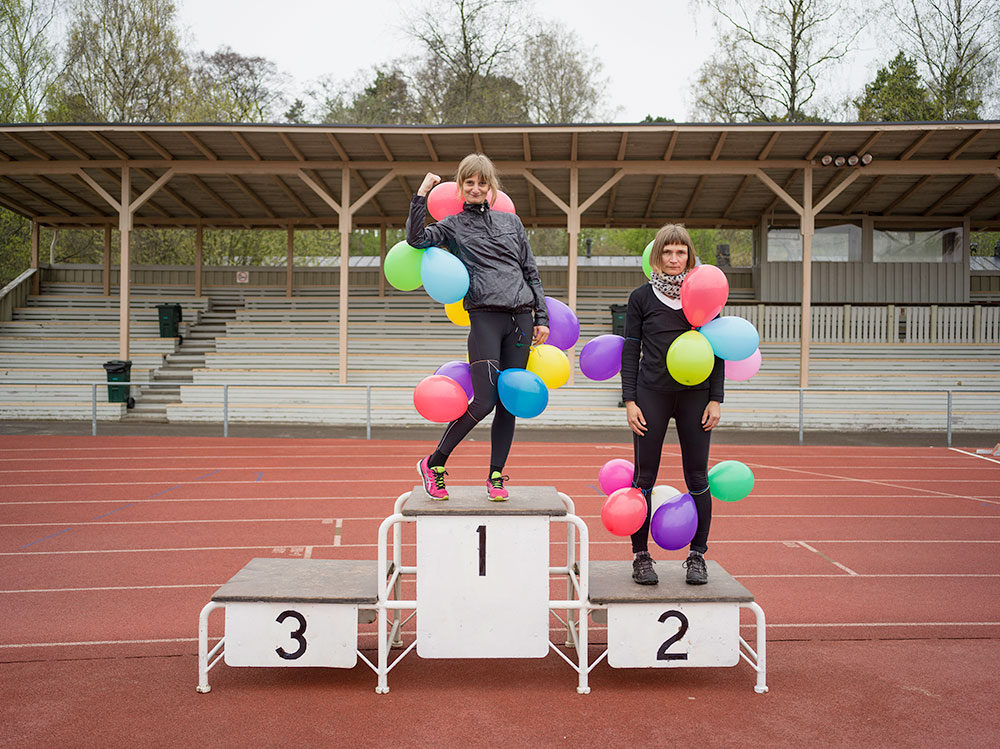
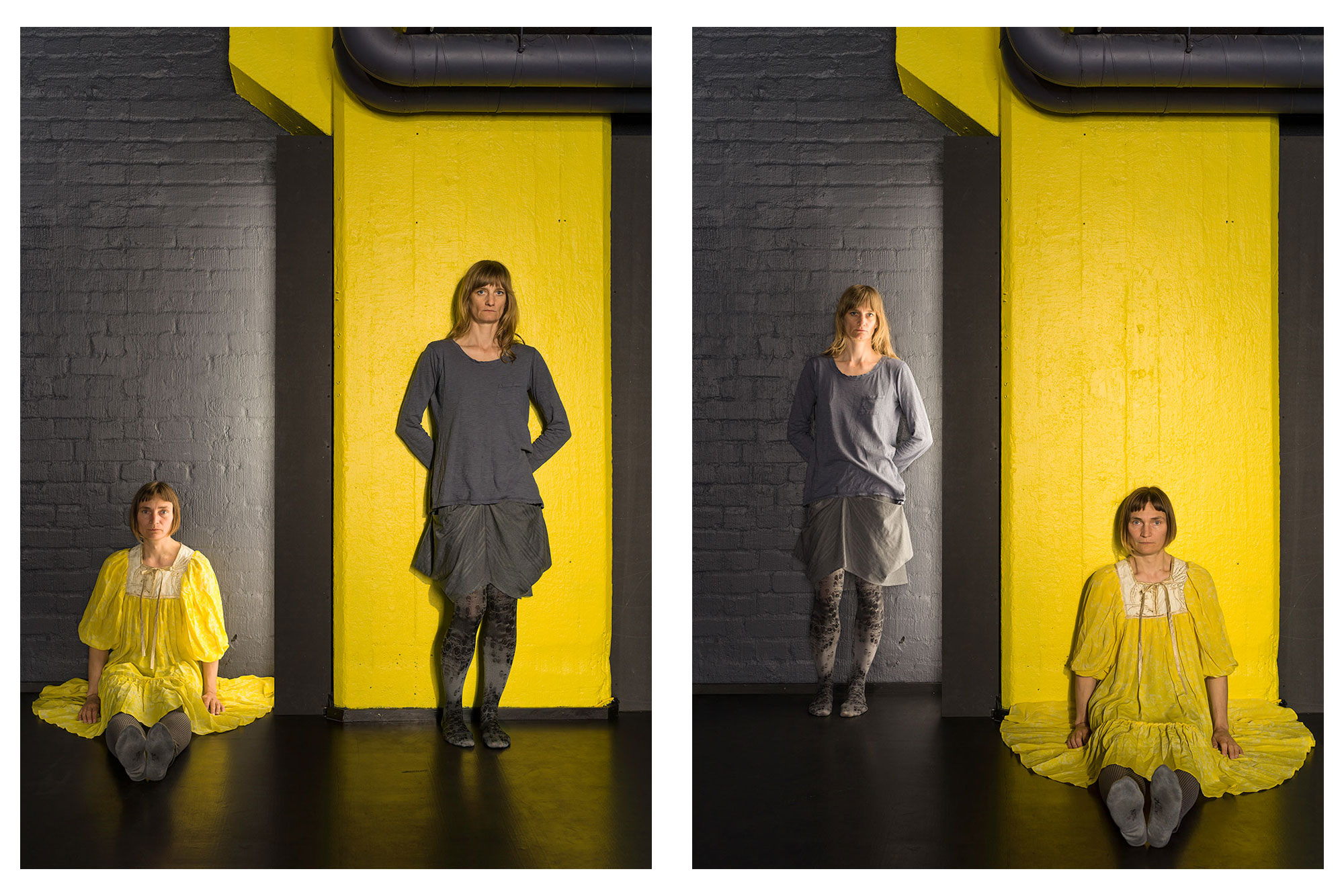
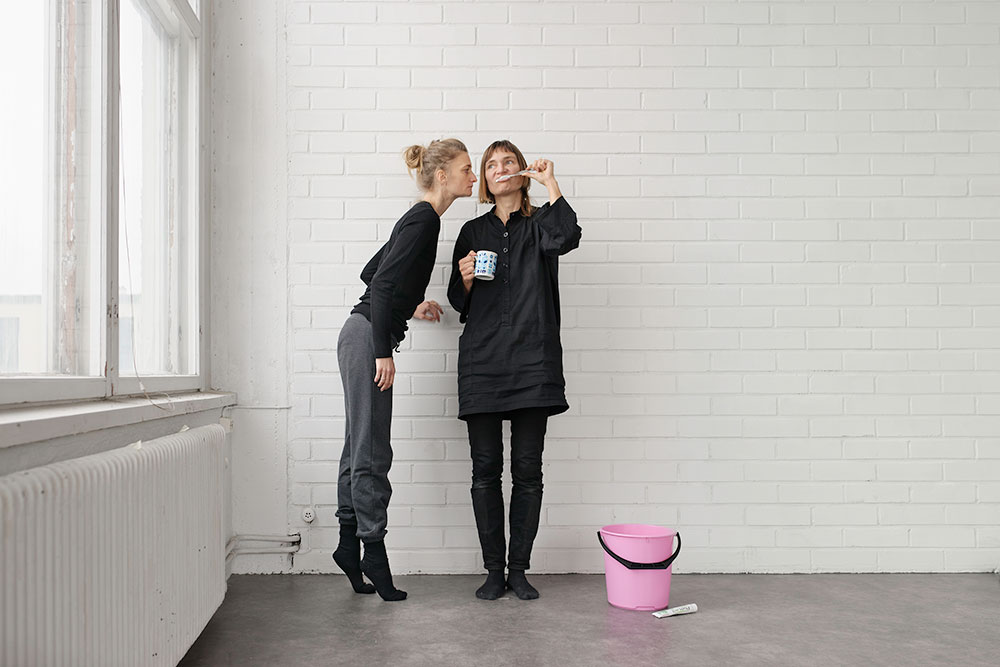
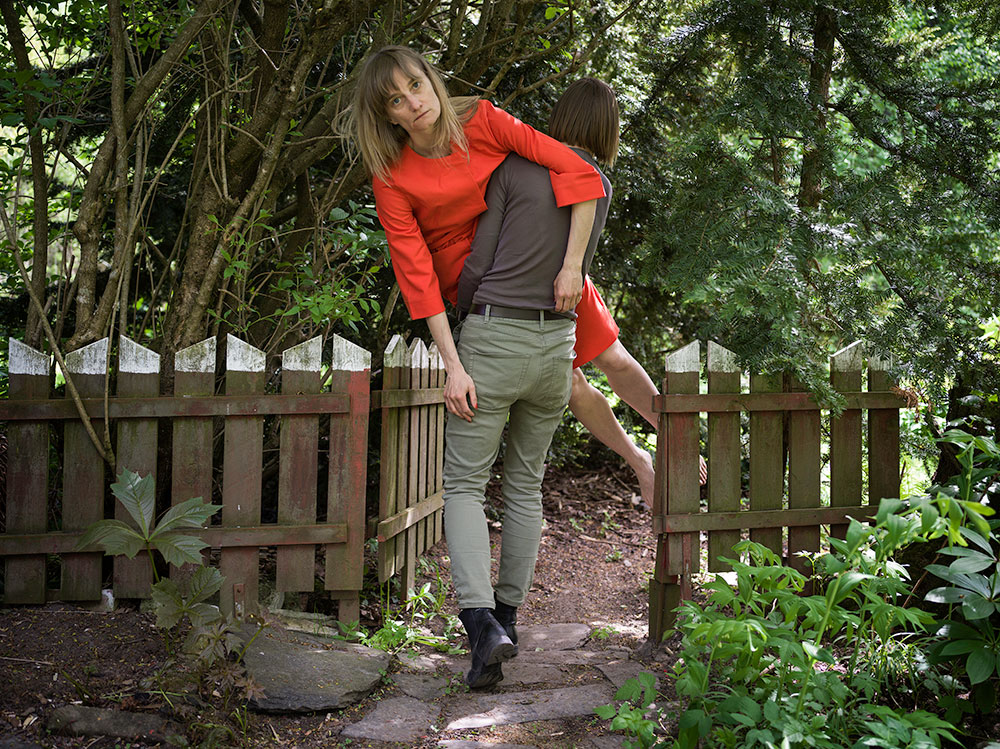
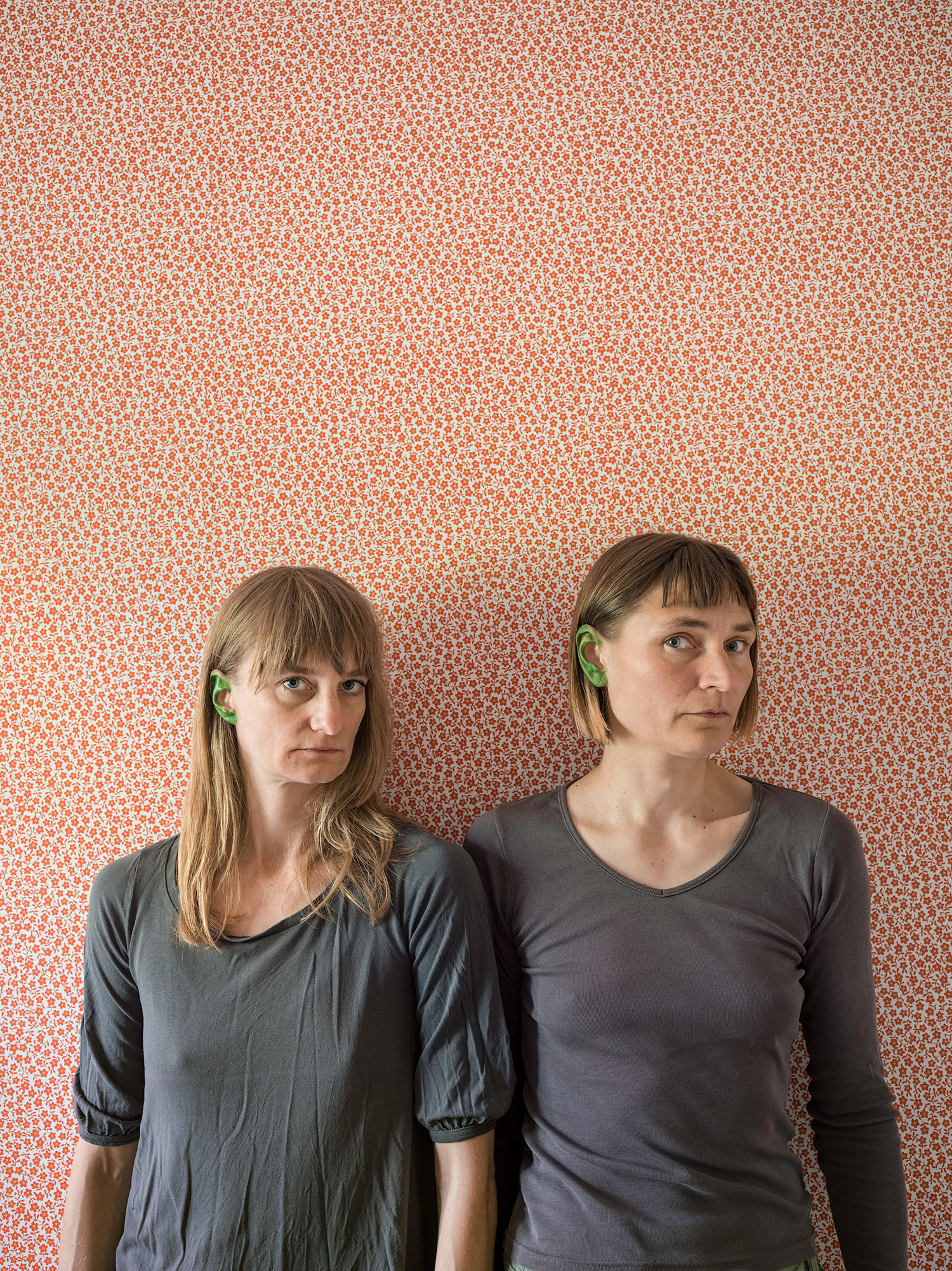
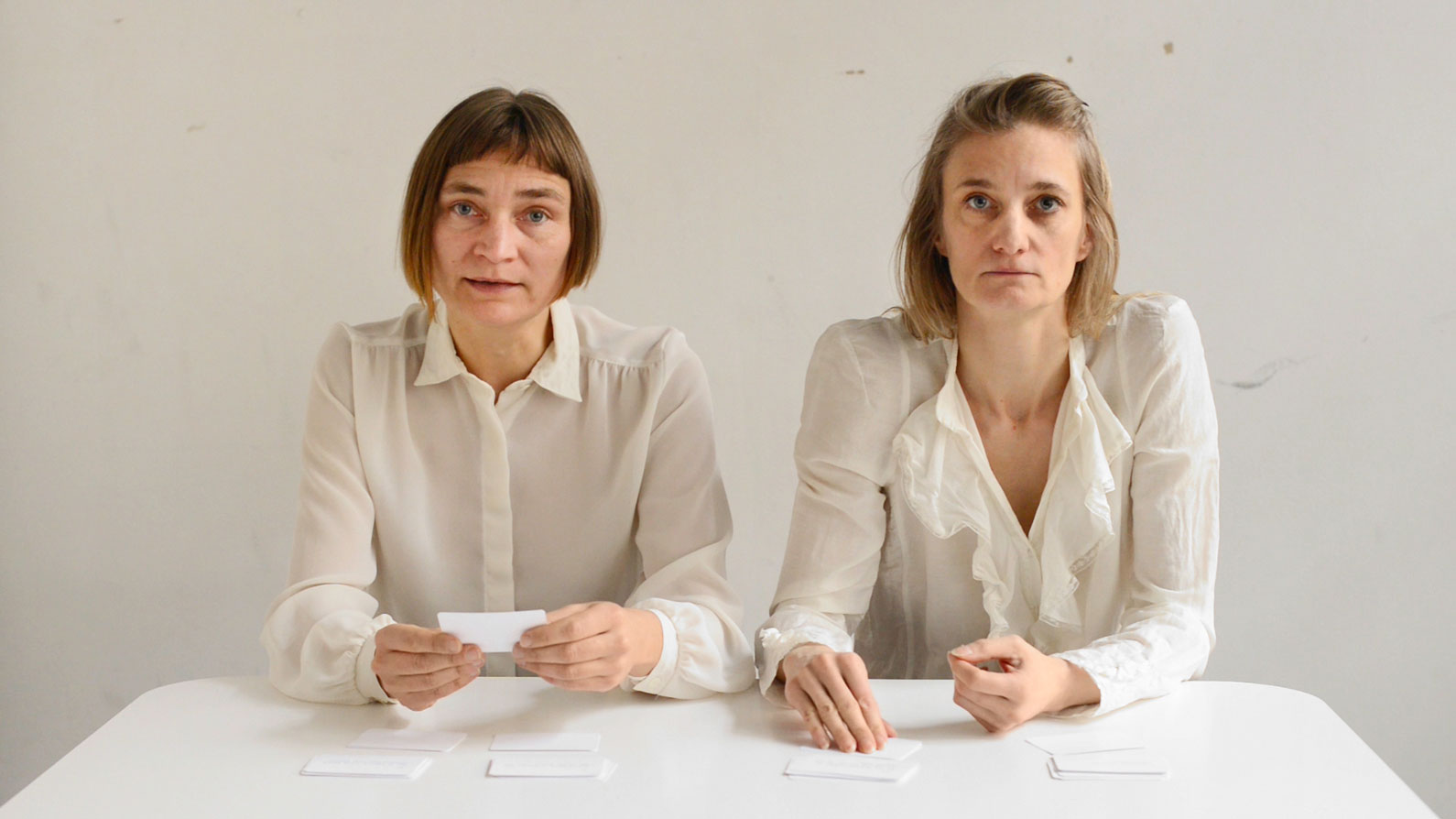
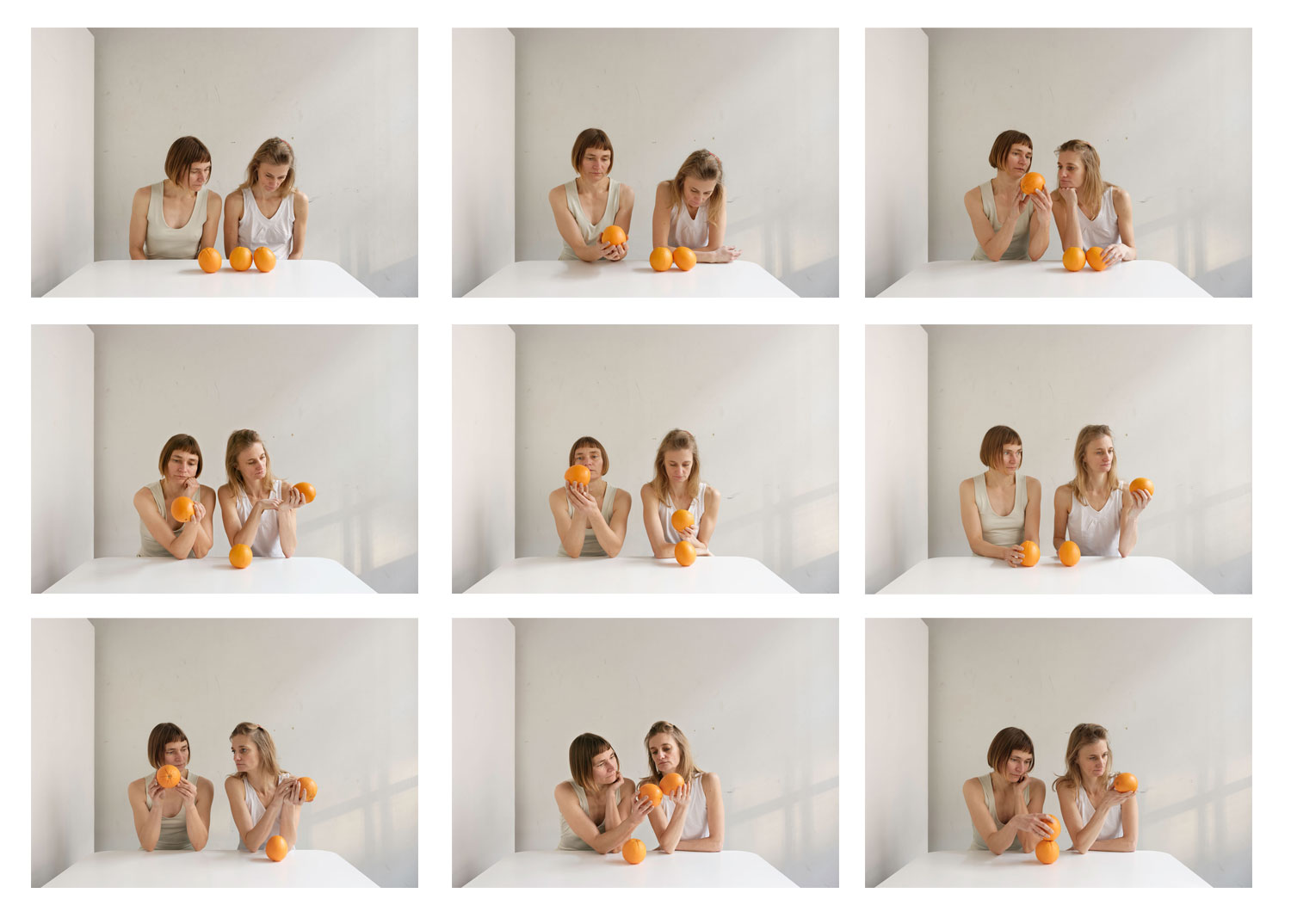
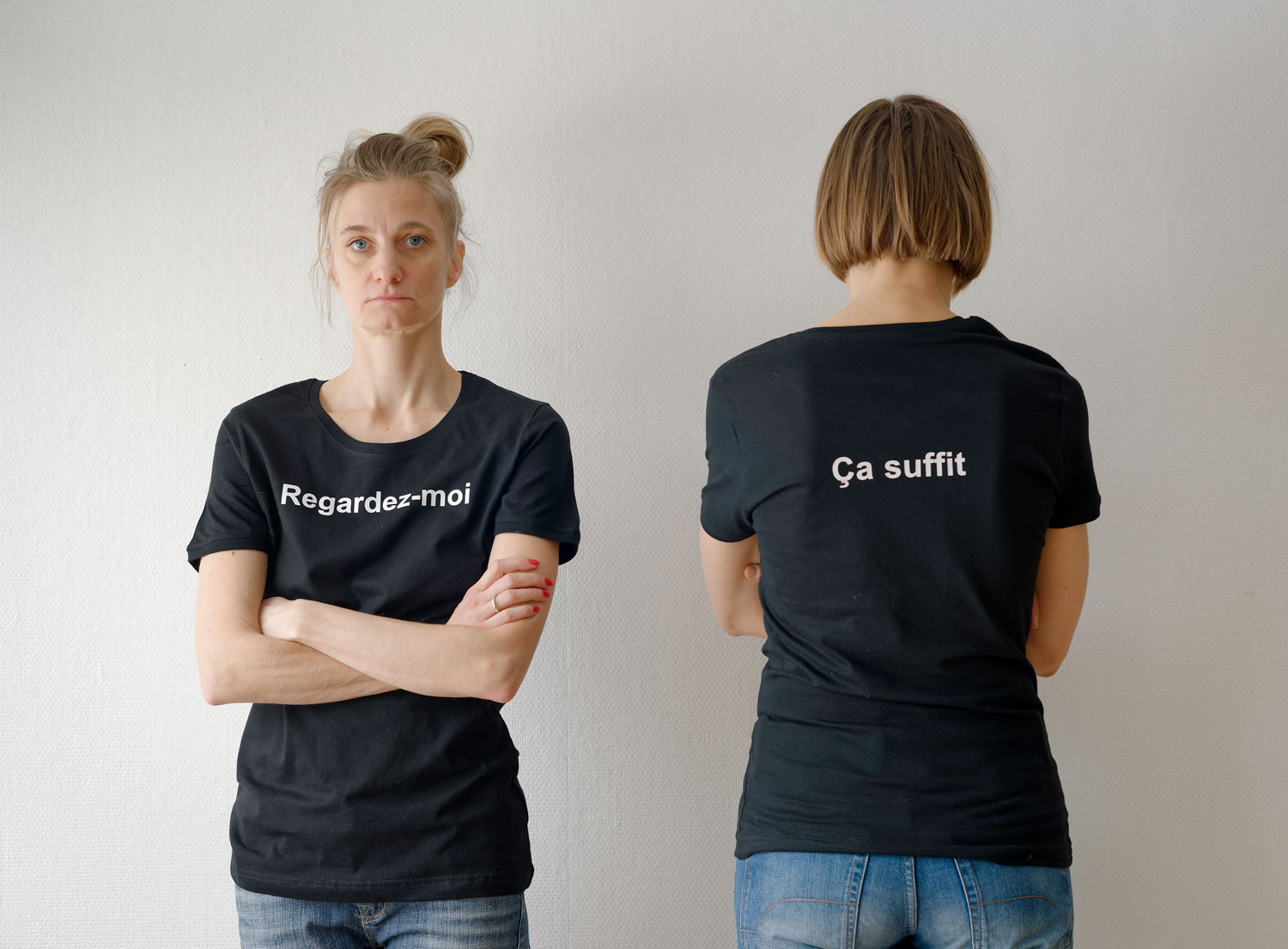
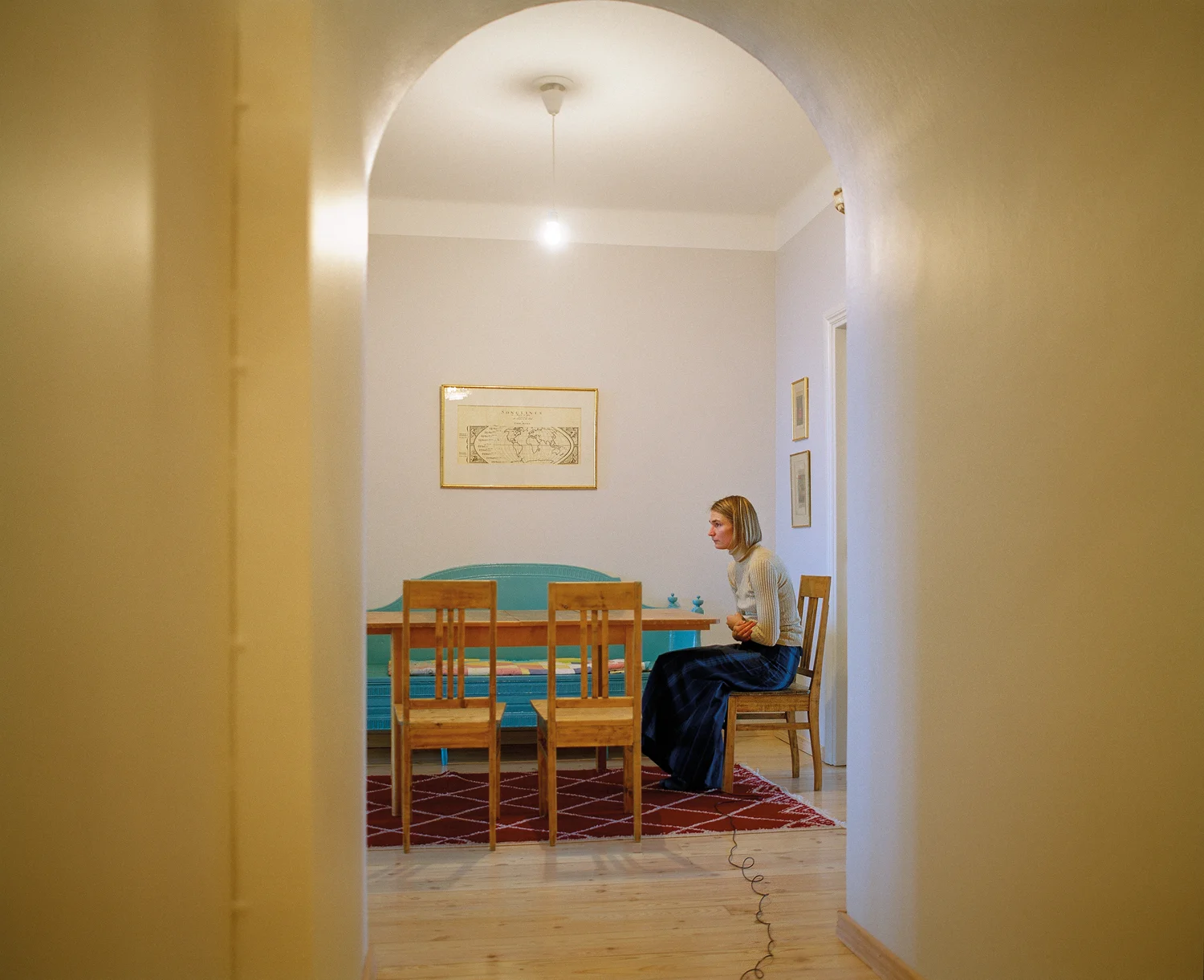
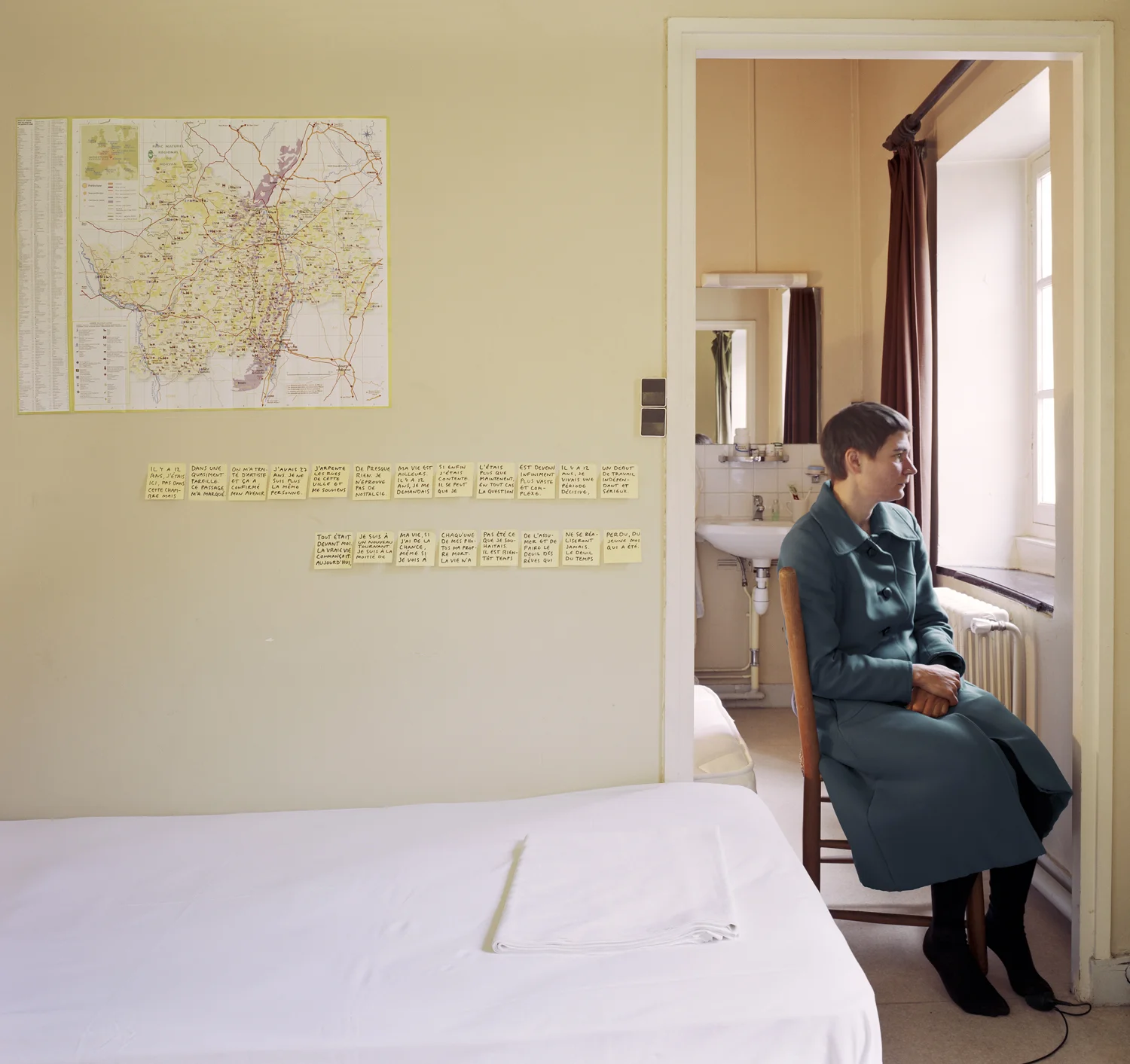
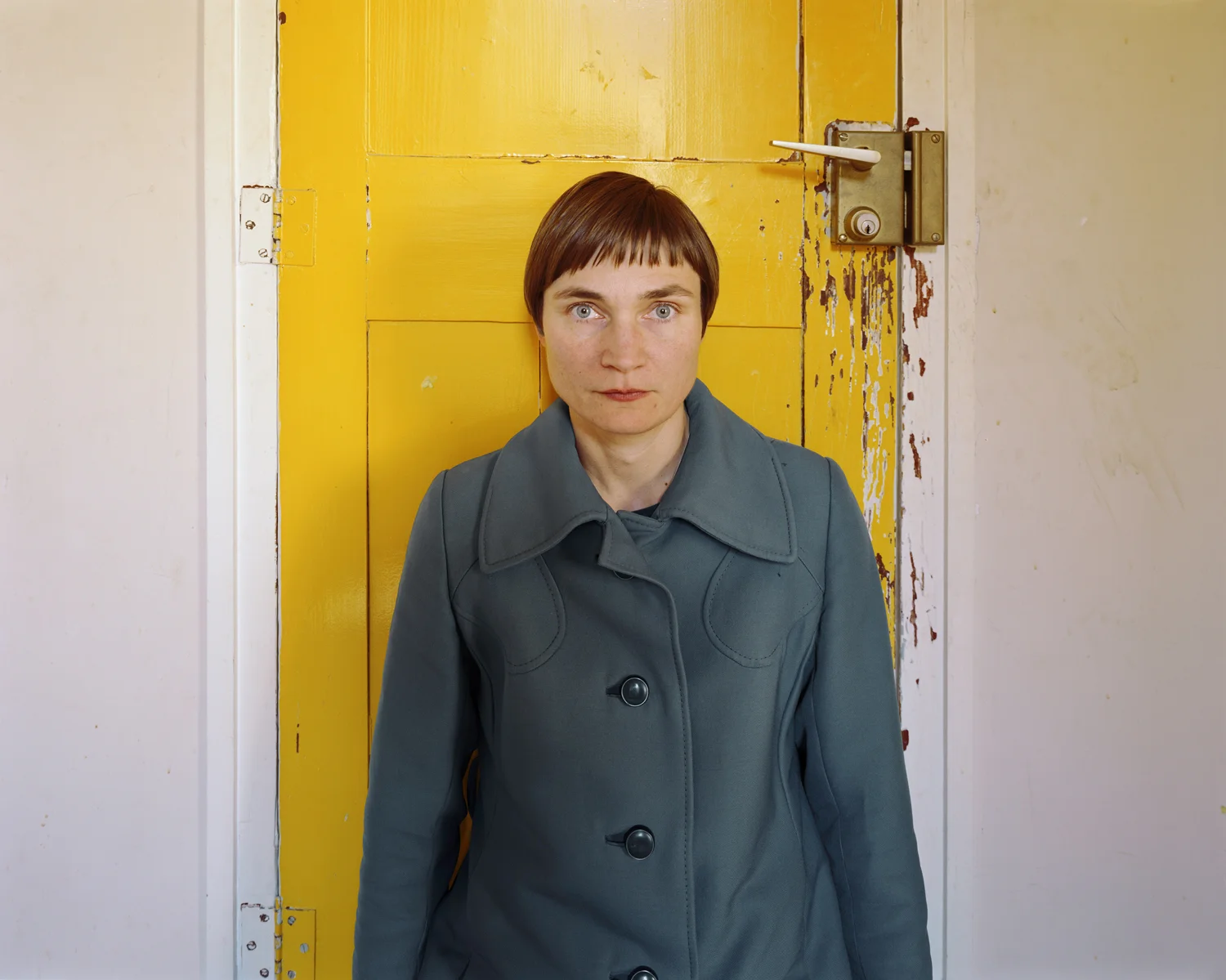
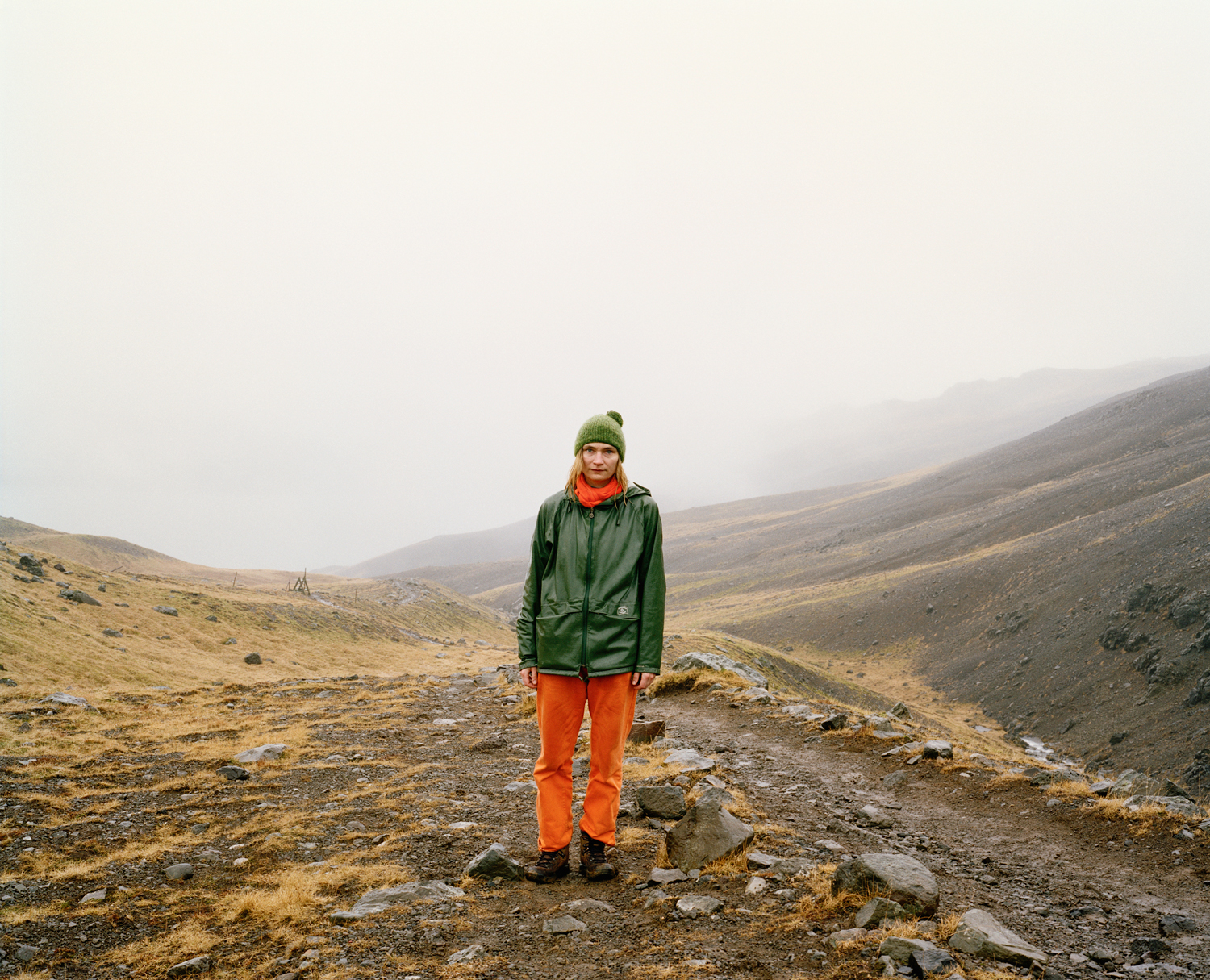
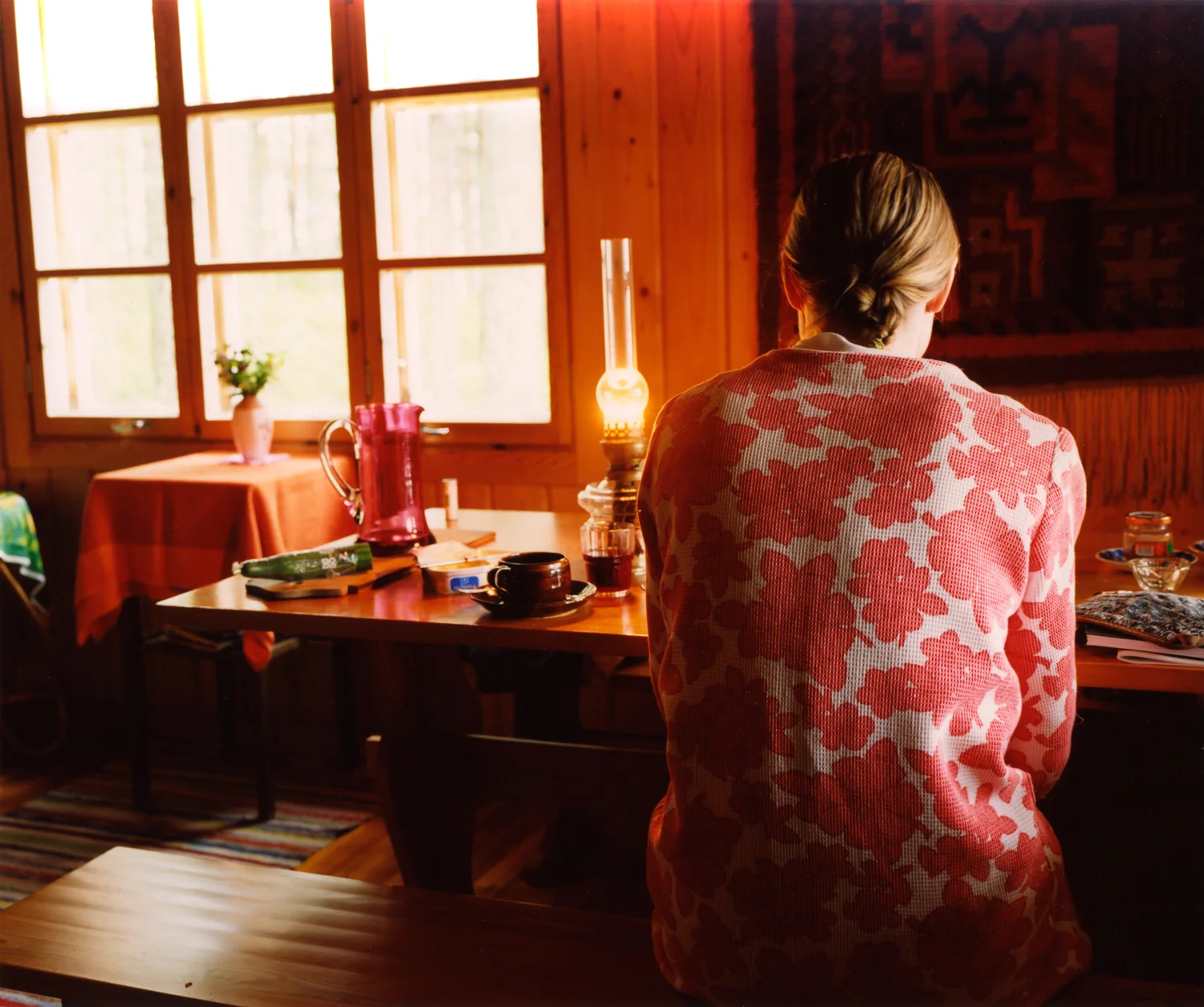
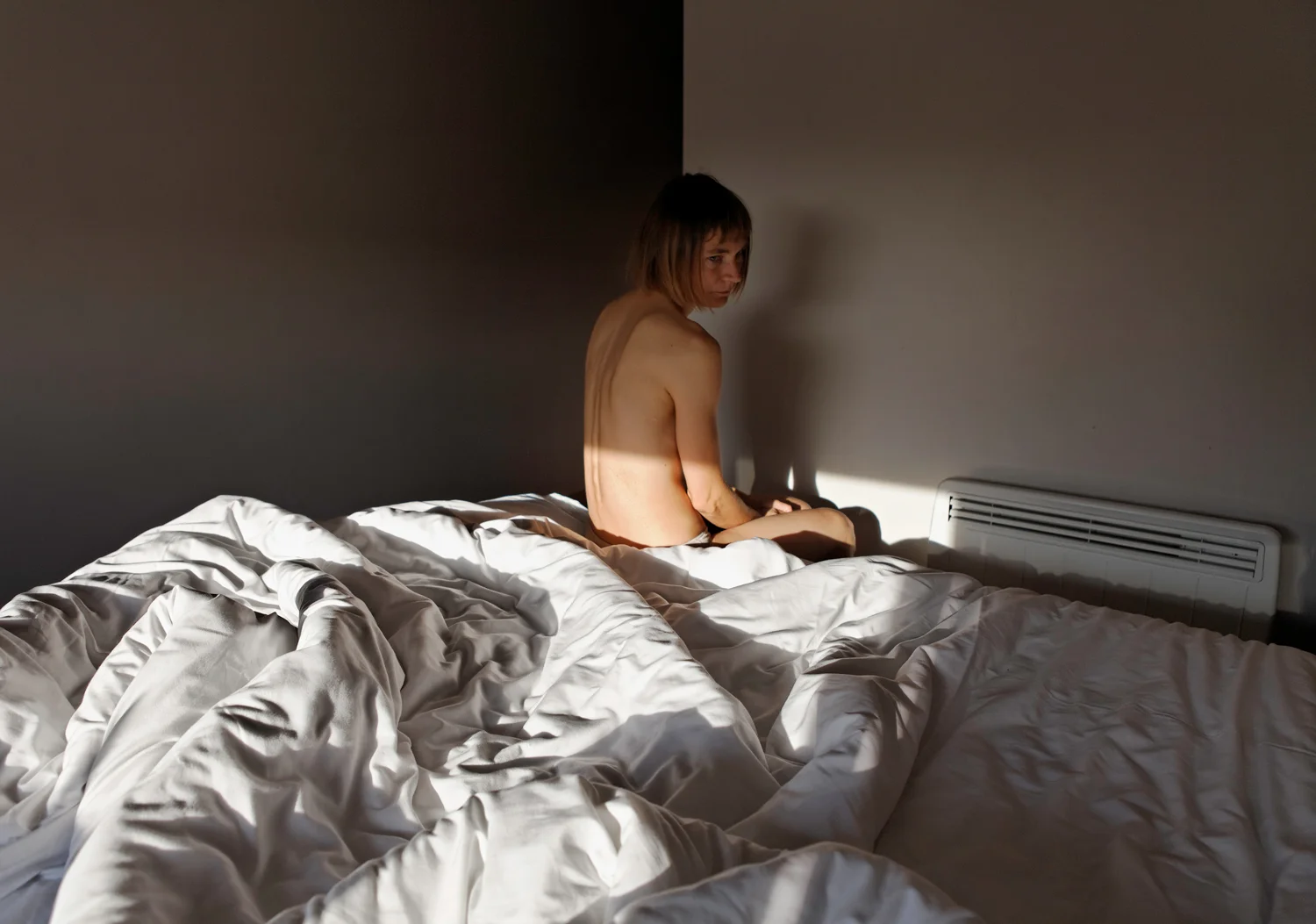
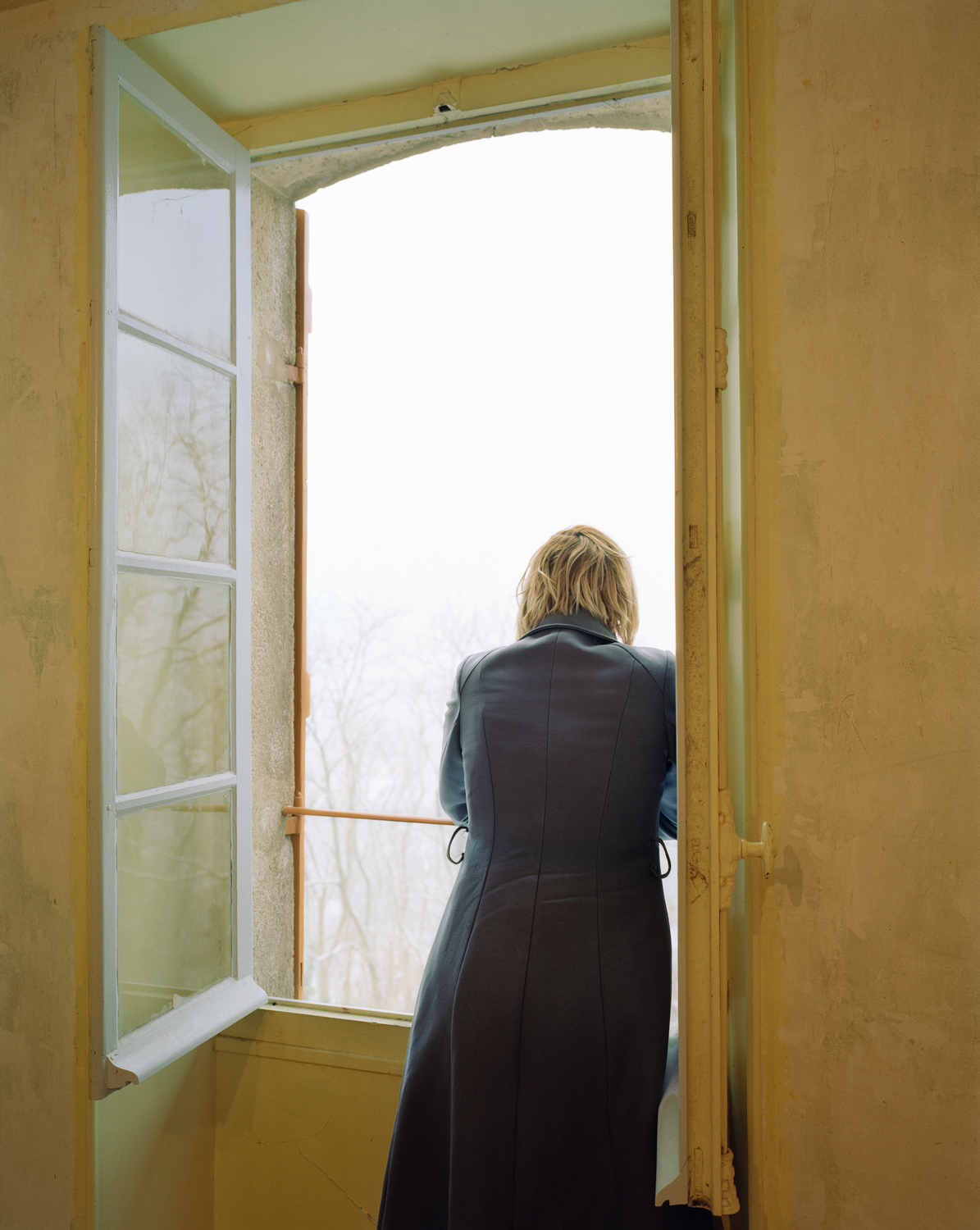
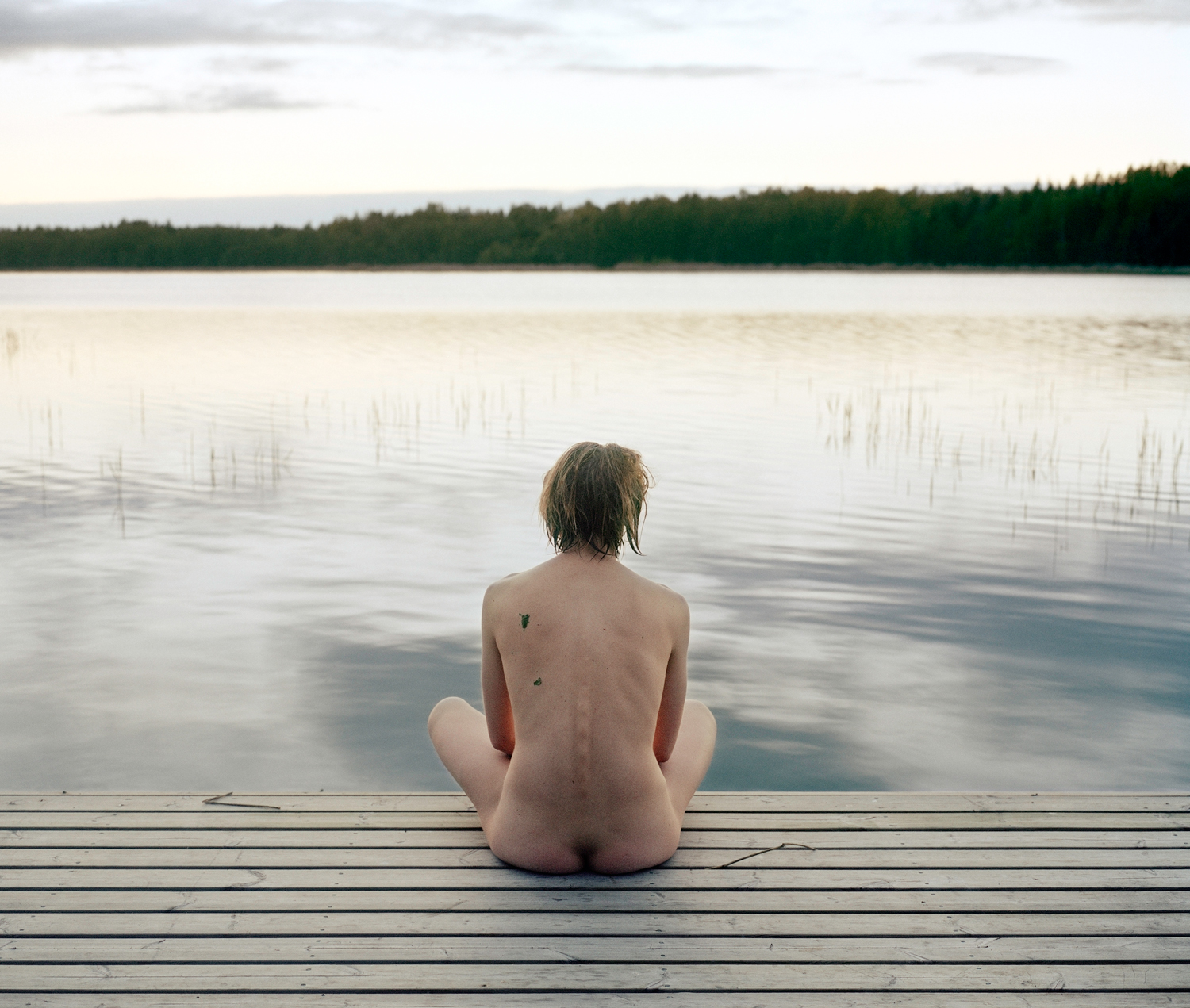
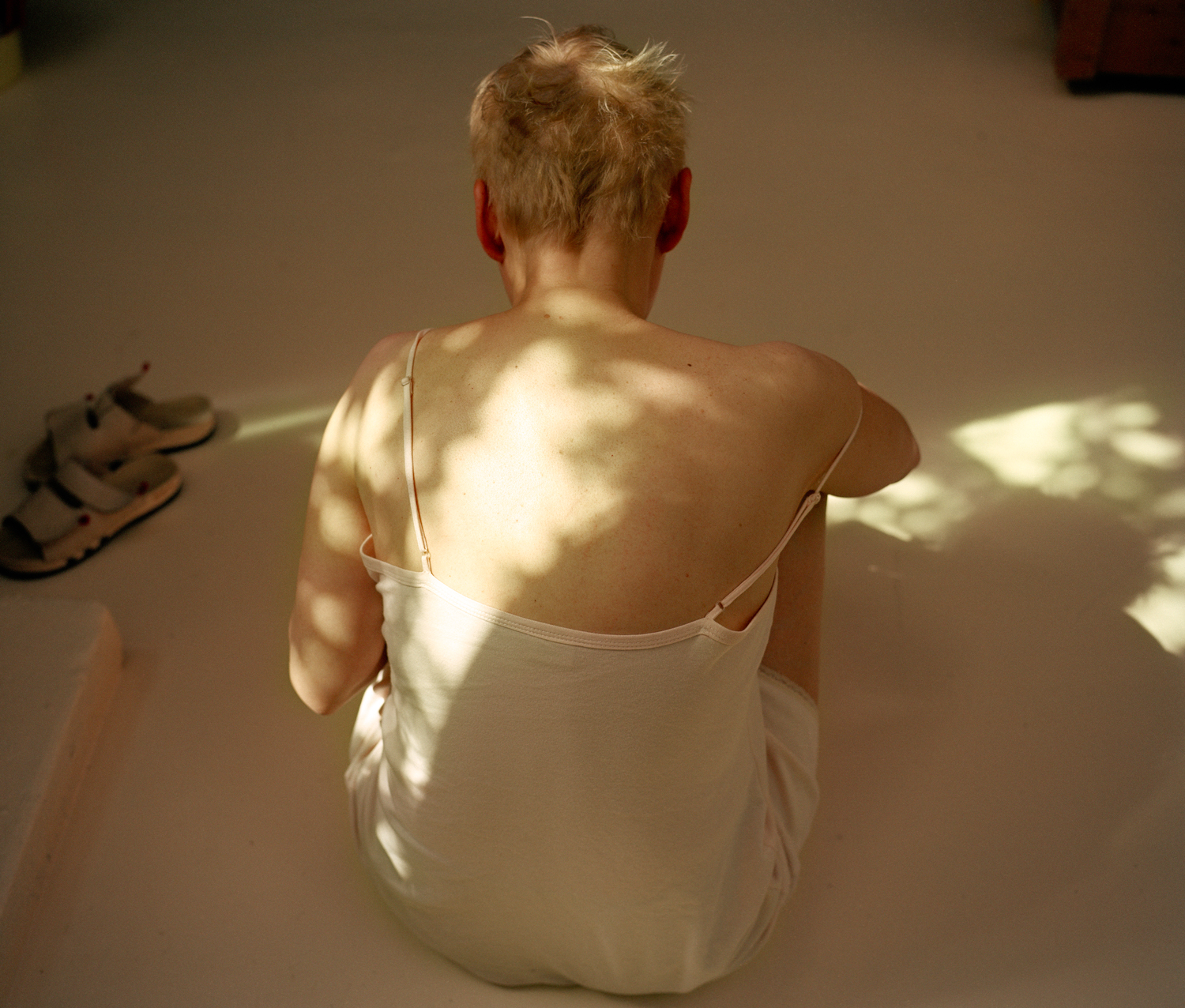
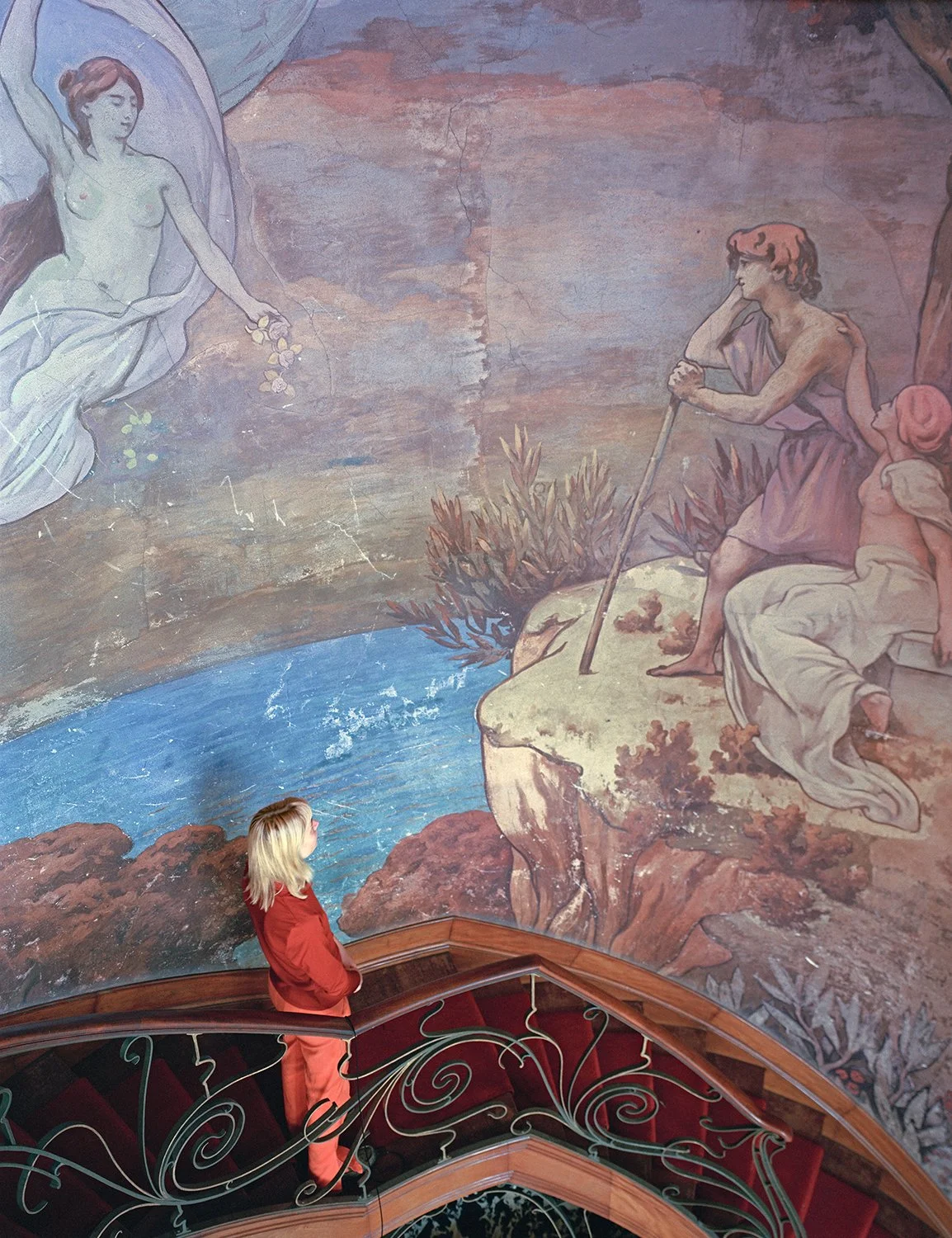
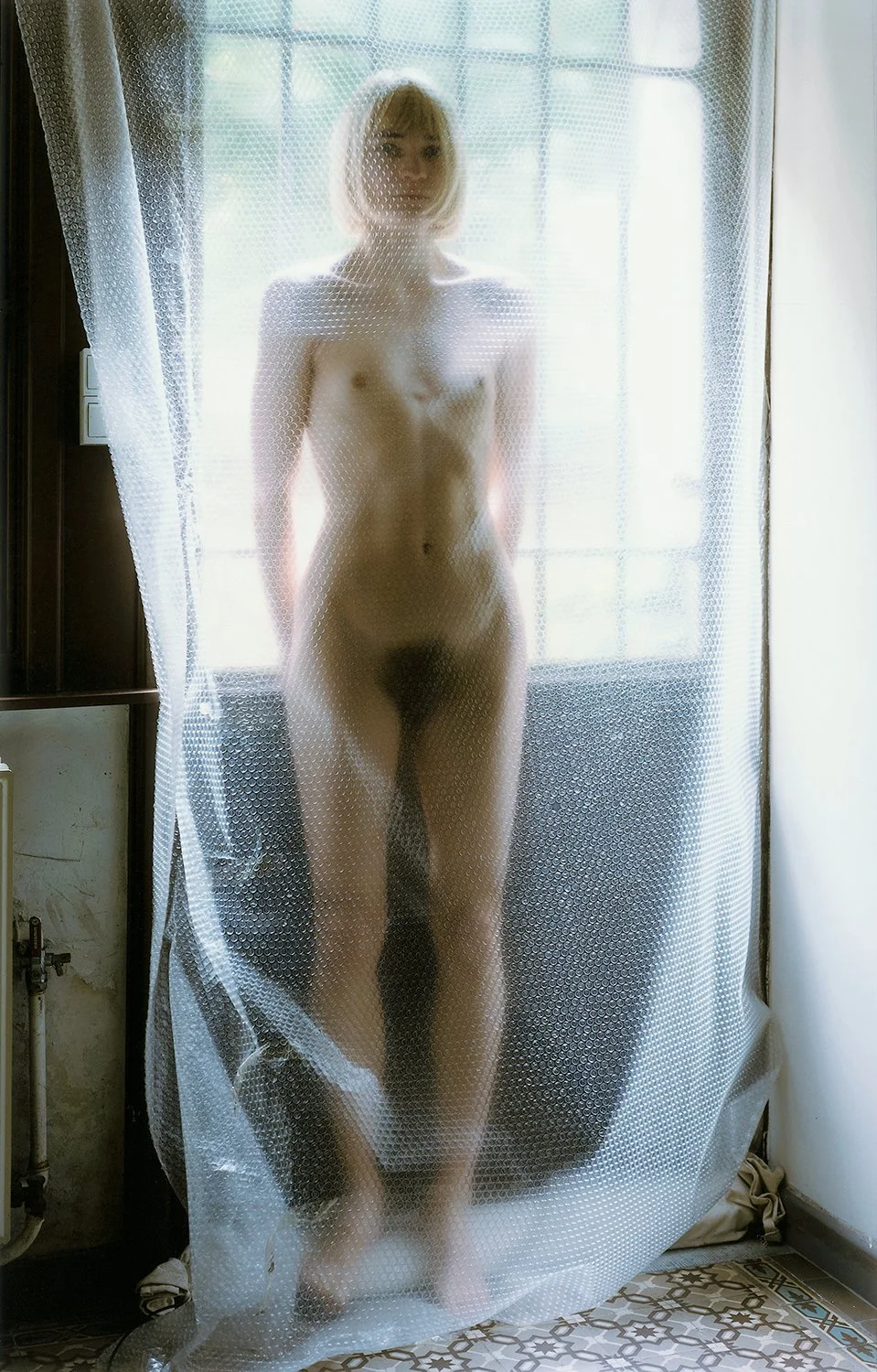
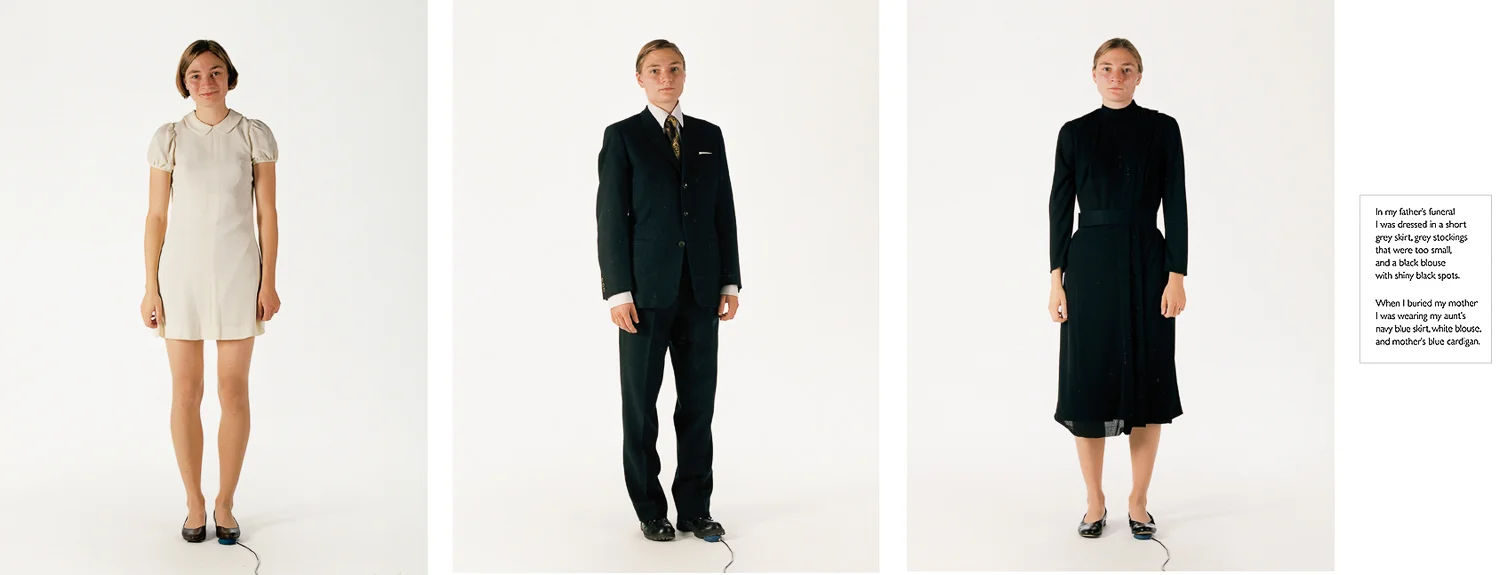
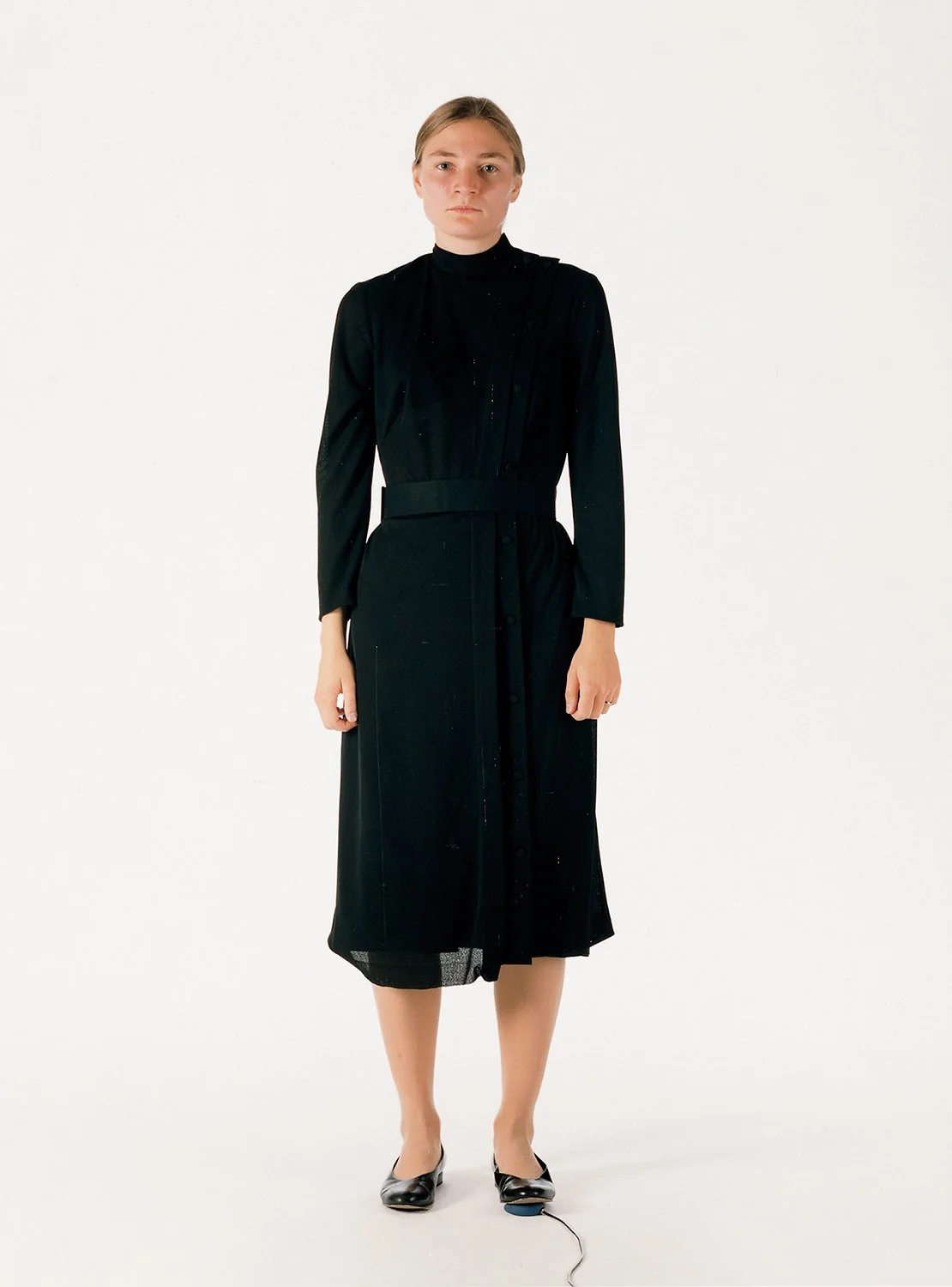
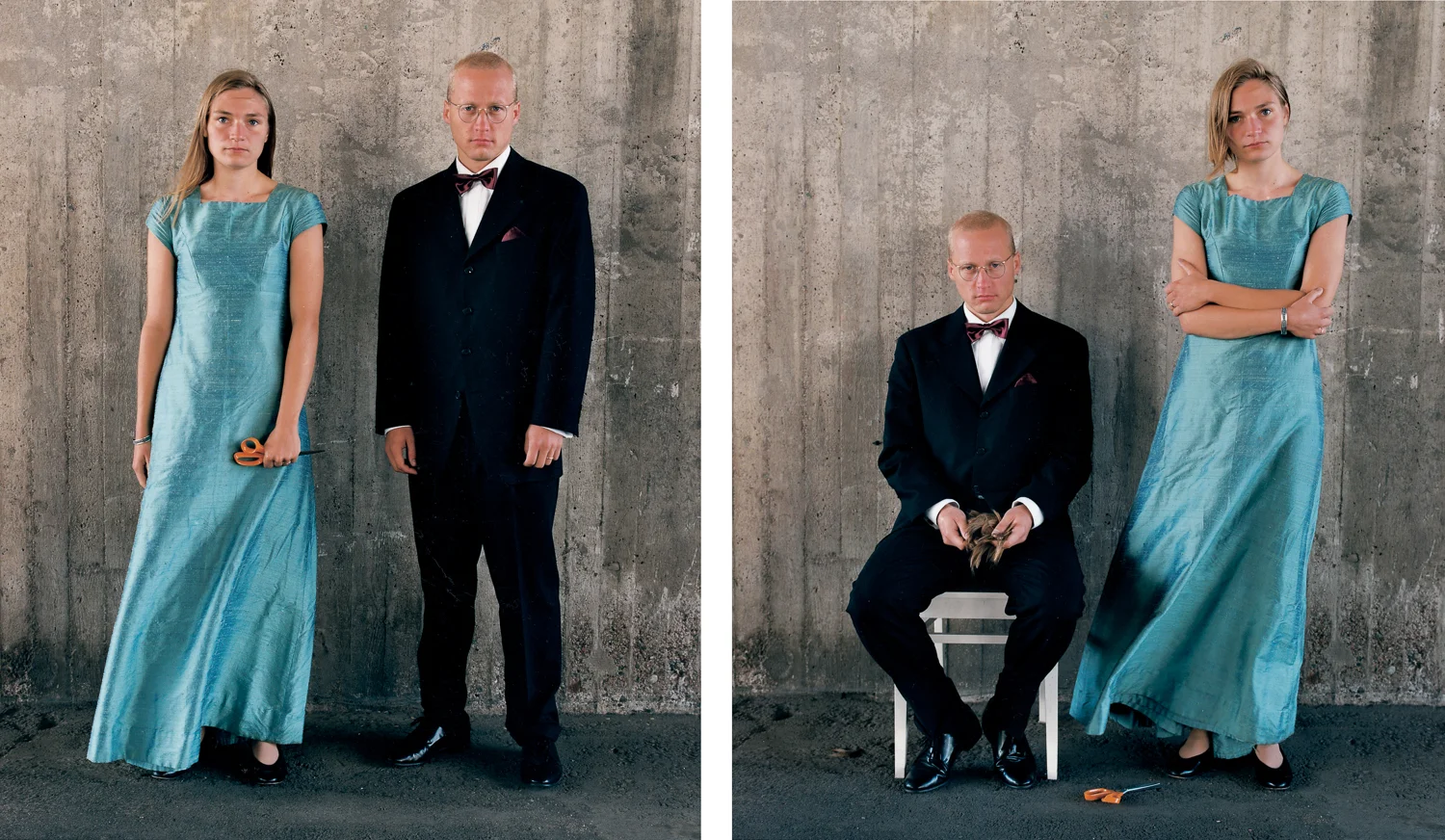
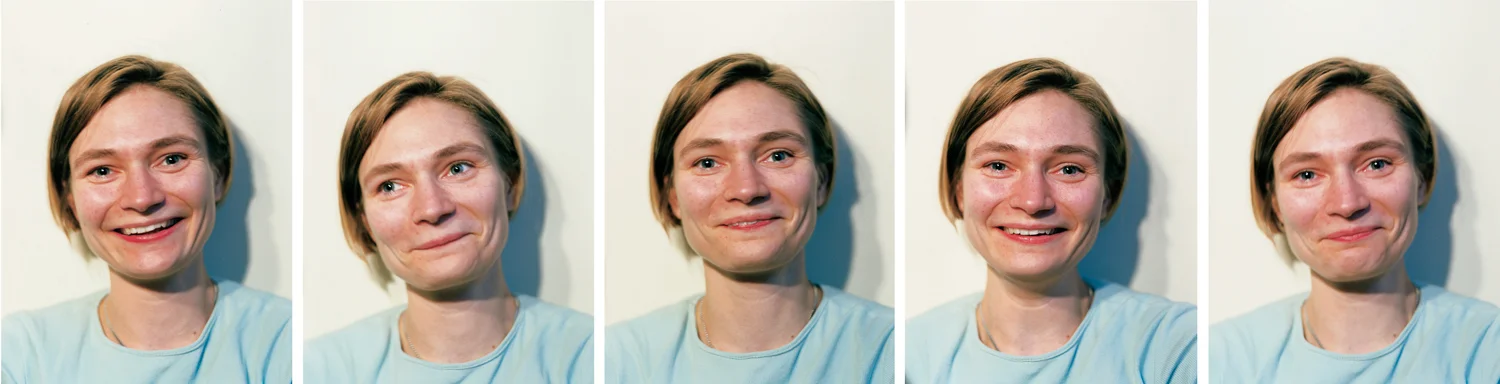
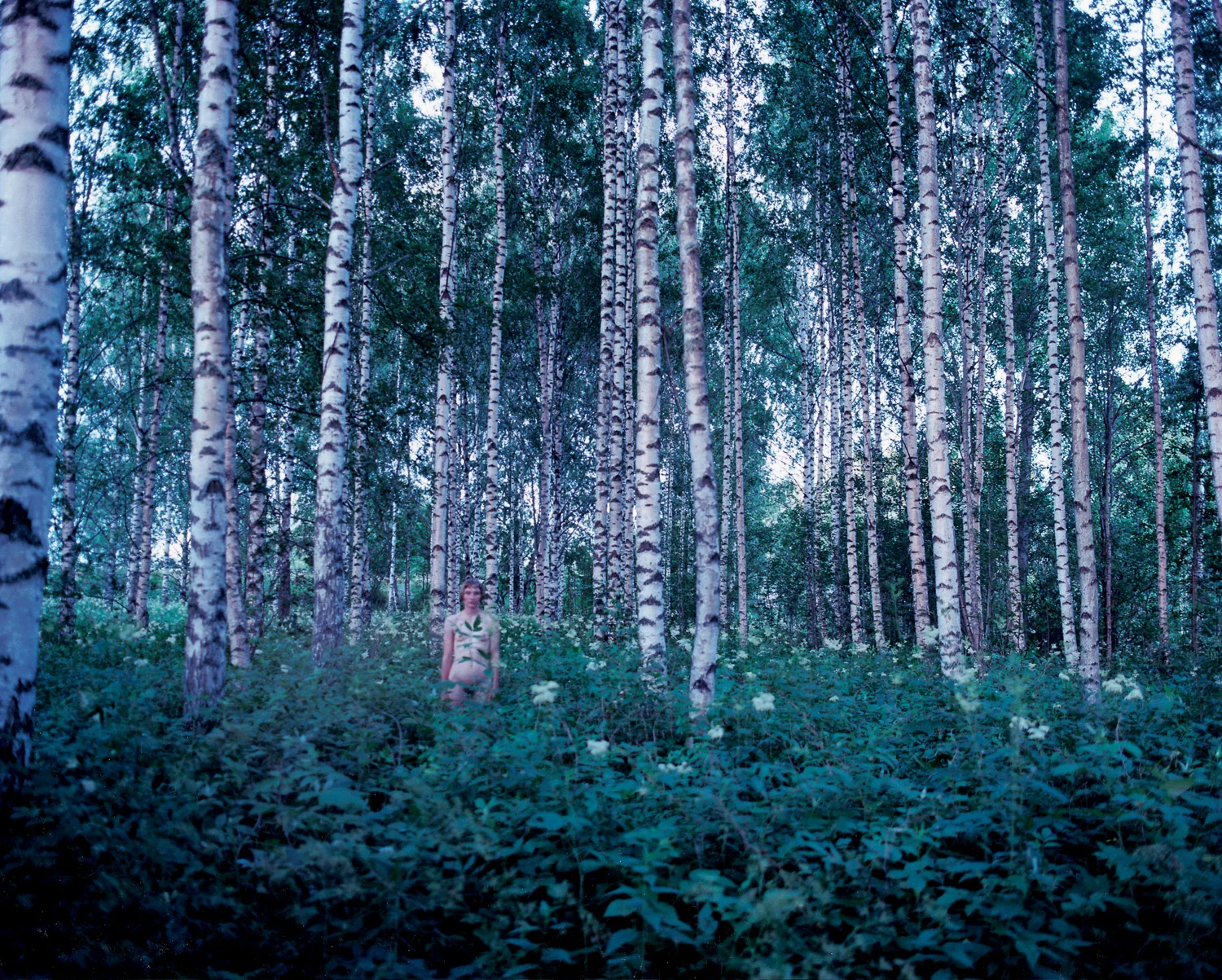
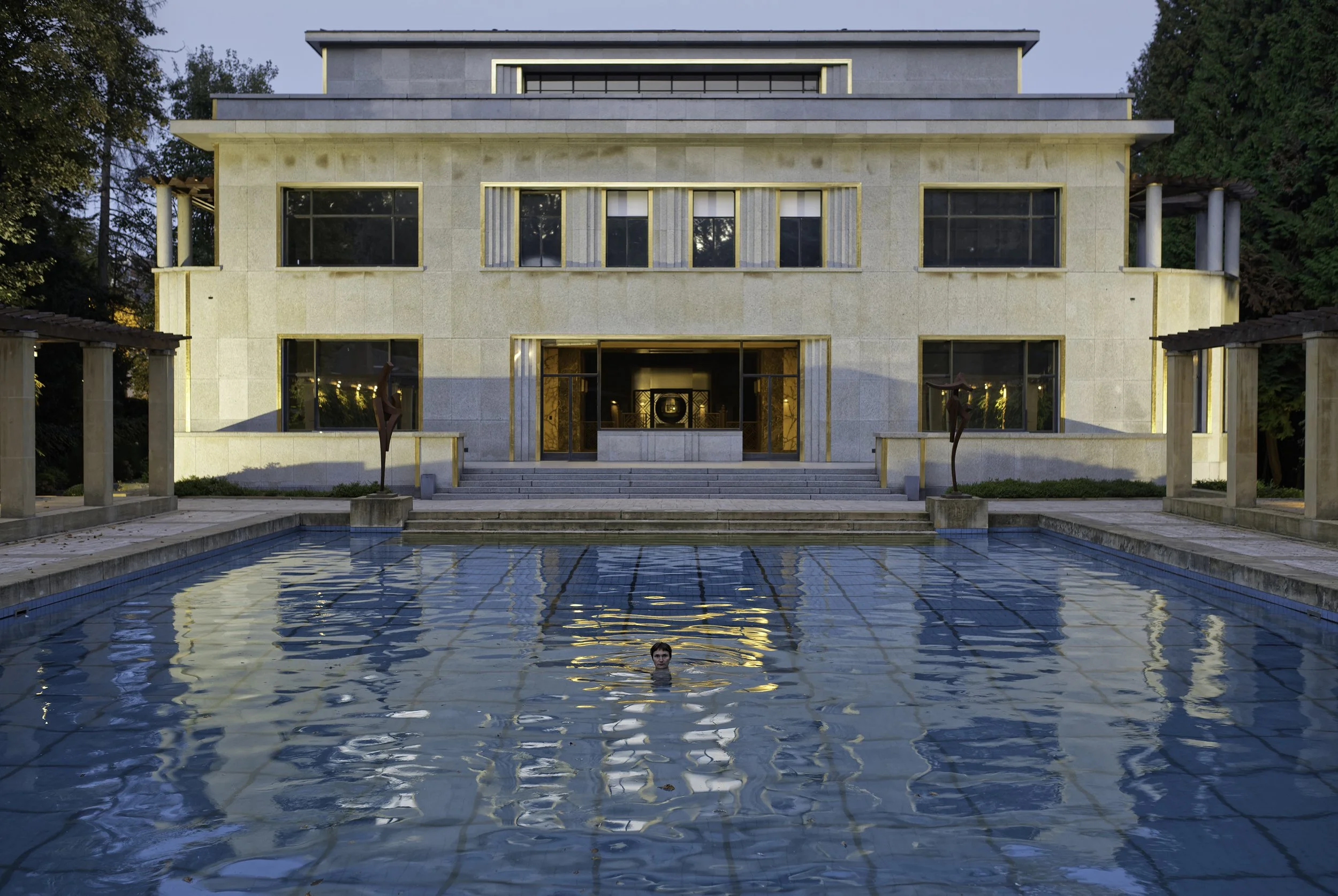
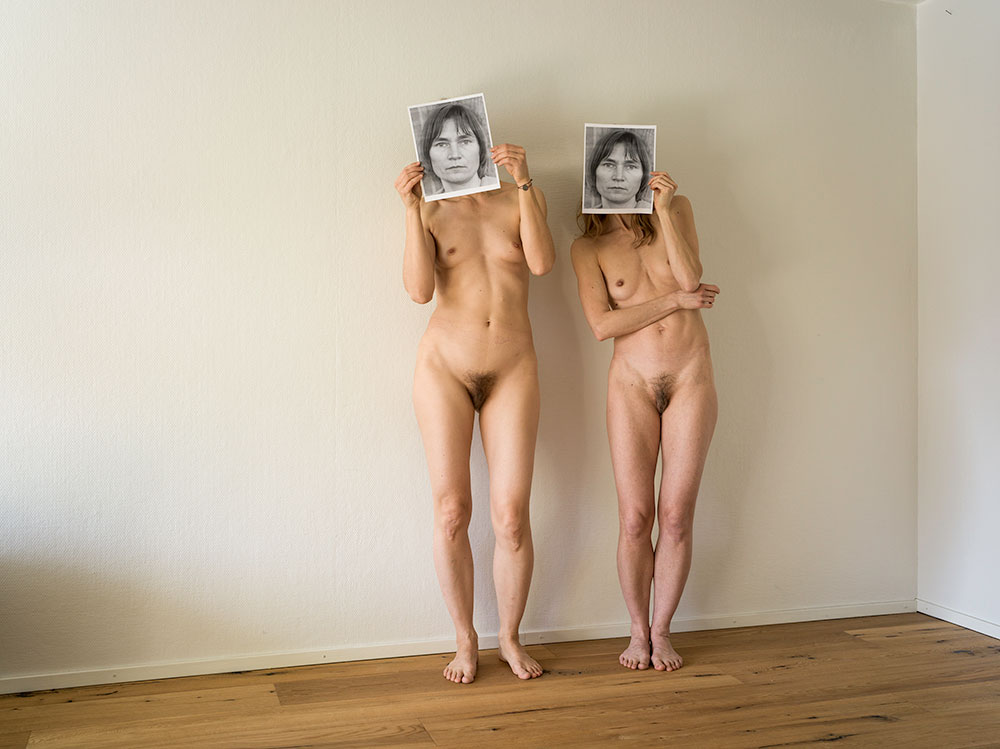
I work primarily in self-portraiture, sometimes including people who hold a special place in my life. My work has a direct relationship to my reality. Someone in the theatre once told me that I was a good actress, but this is not true. My whole method depends on my being a lousy actress. It’s only possible for me to photograph when something really happens — which makes the images authentic and emotionally genuine. Even though I construct images, I don’t act or play a role. In this sense, my work remains rooted in the documentary tradition.
I trust intuition and rapid reaction. I, too, have my decisive moments, but they differ from those of classic photography. For Henri Cartier-Bresson, the decisive moment was about composition: that fraction of a second when all the lines and elements on a two-dimensional plane meet in the most exciting way. My decisive moments have more to do with the content of the image. They might last a few minutes, or even a week. I prefer to think in terms of decisive periods of time — The Decisive Day rather than just a moment.
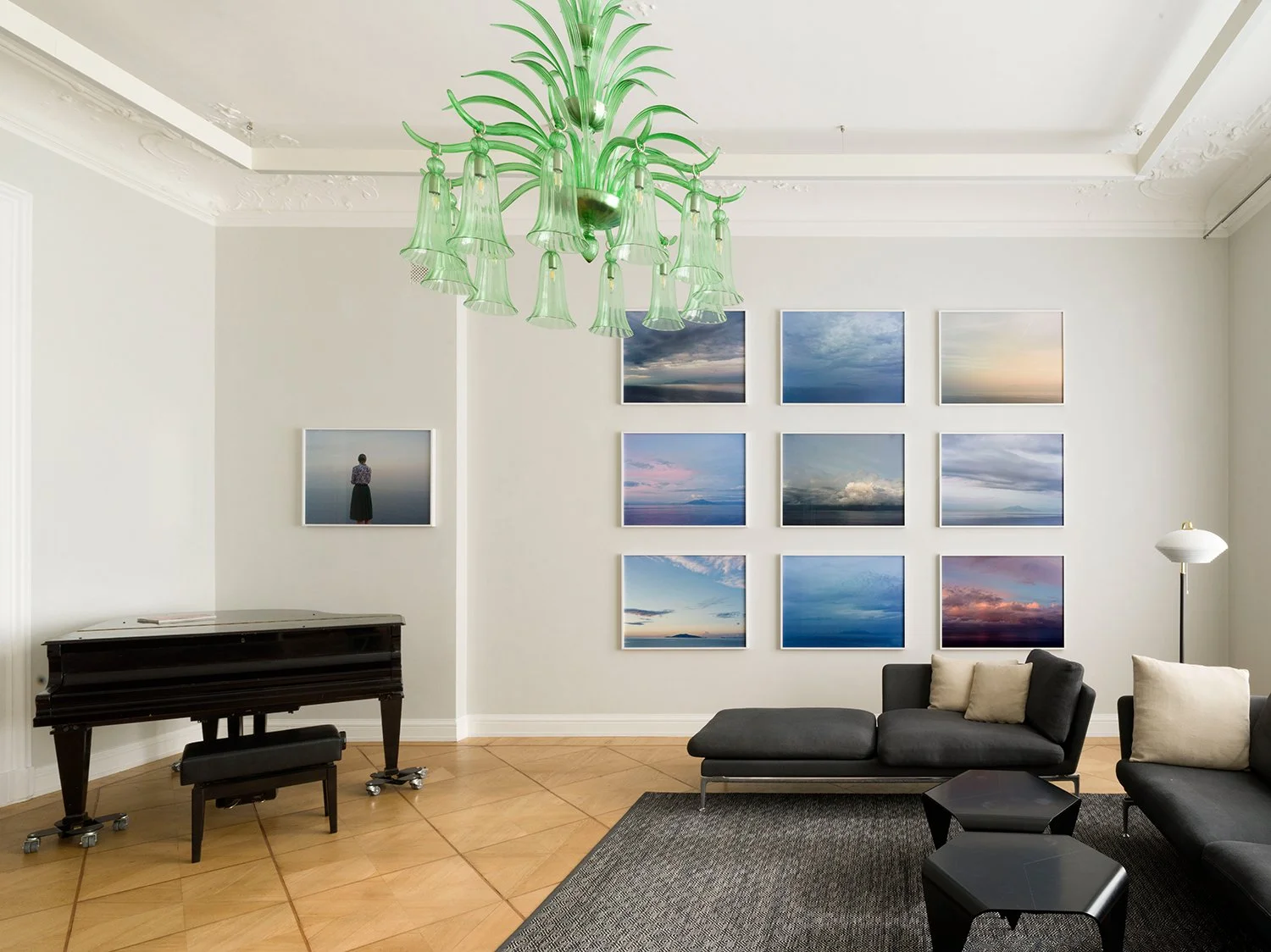
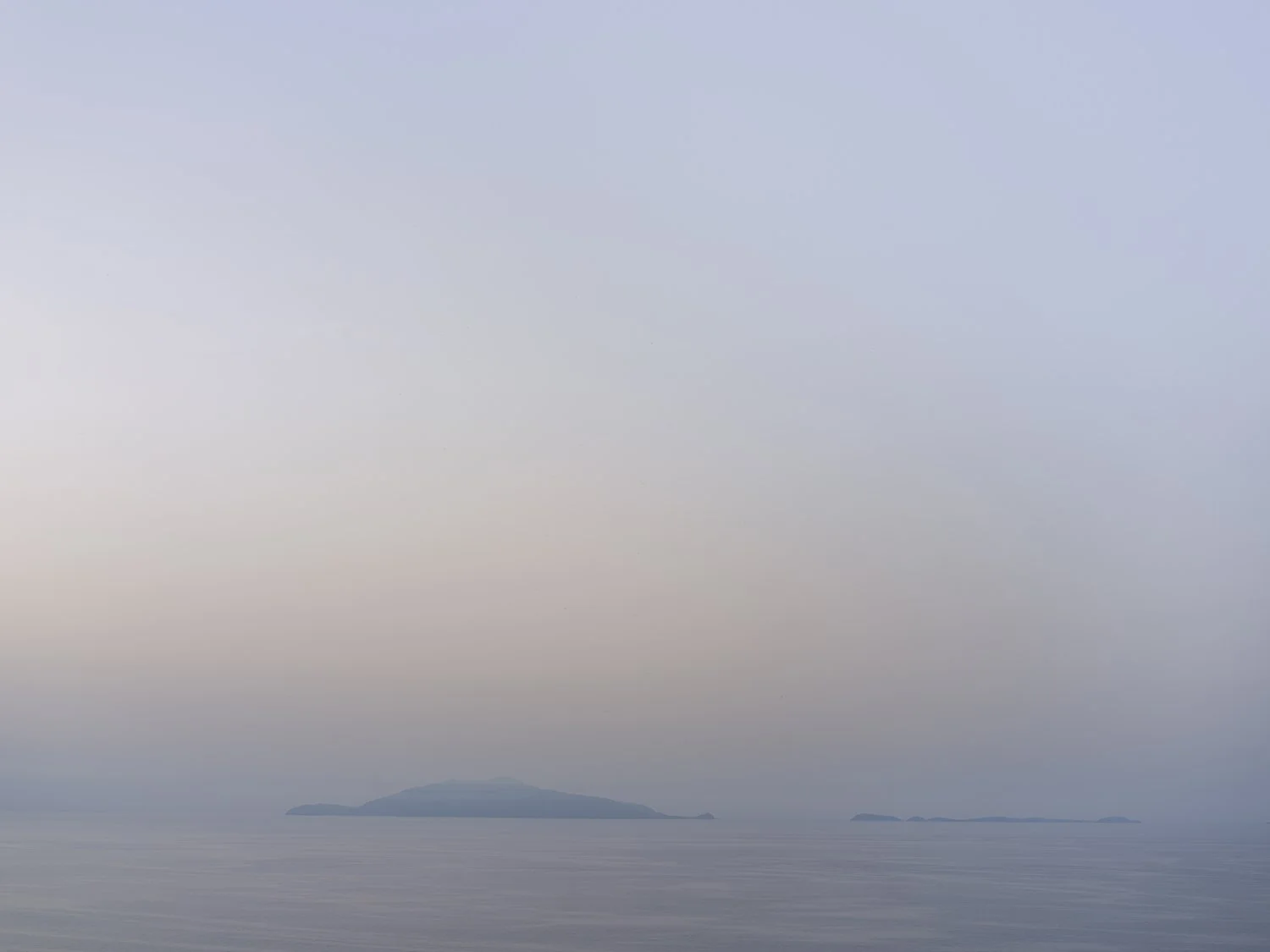
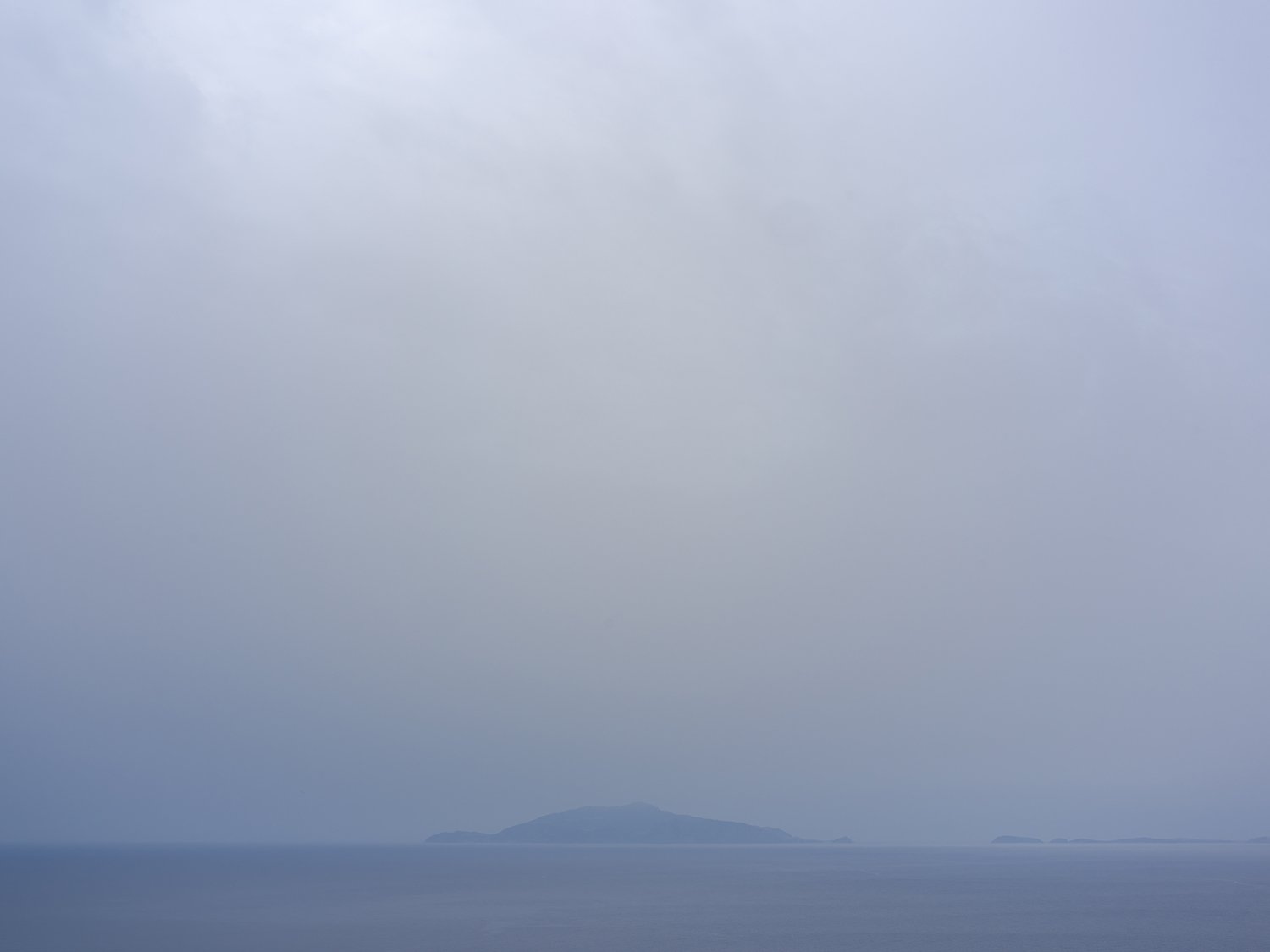
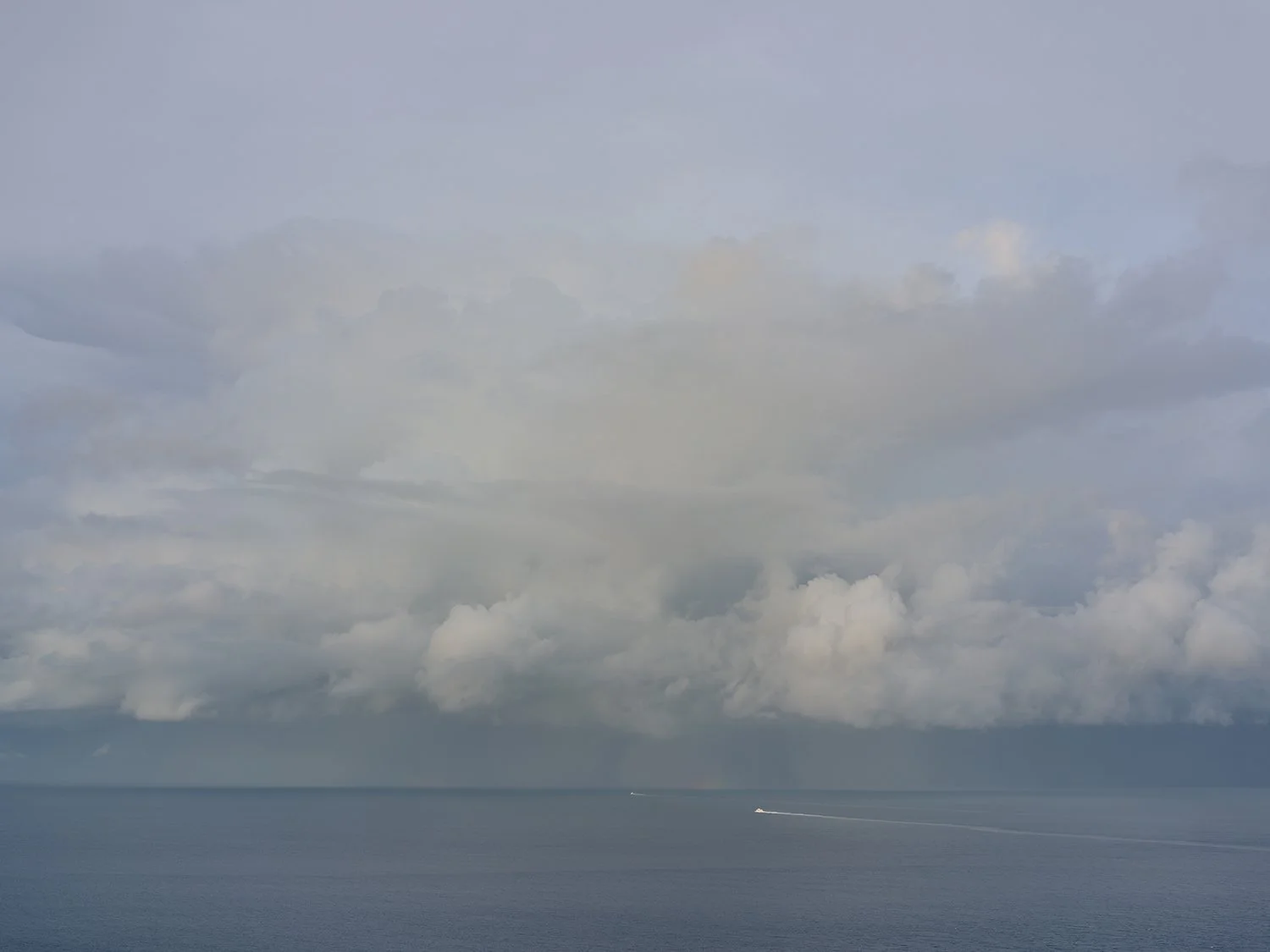
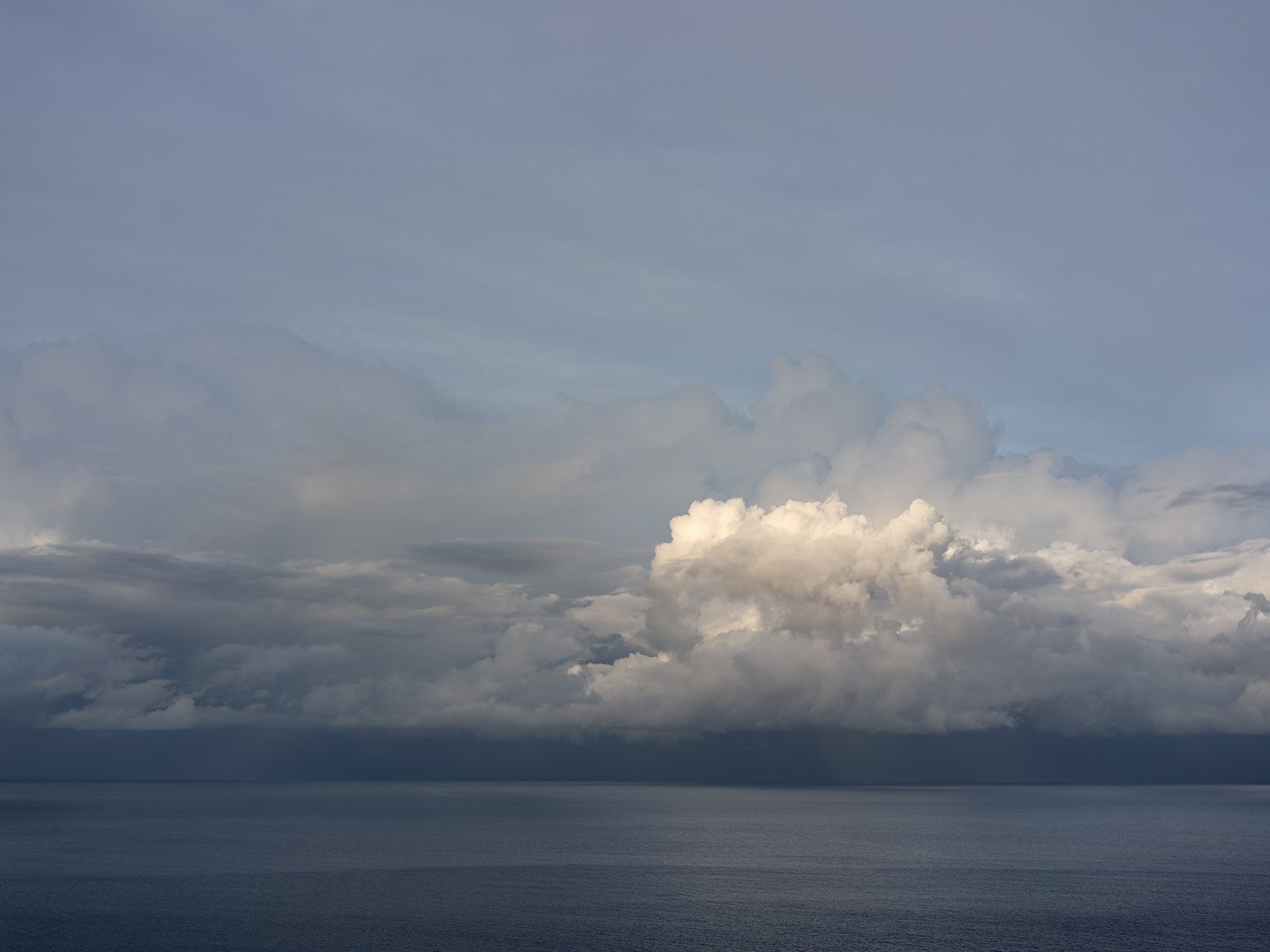
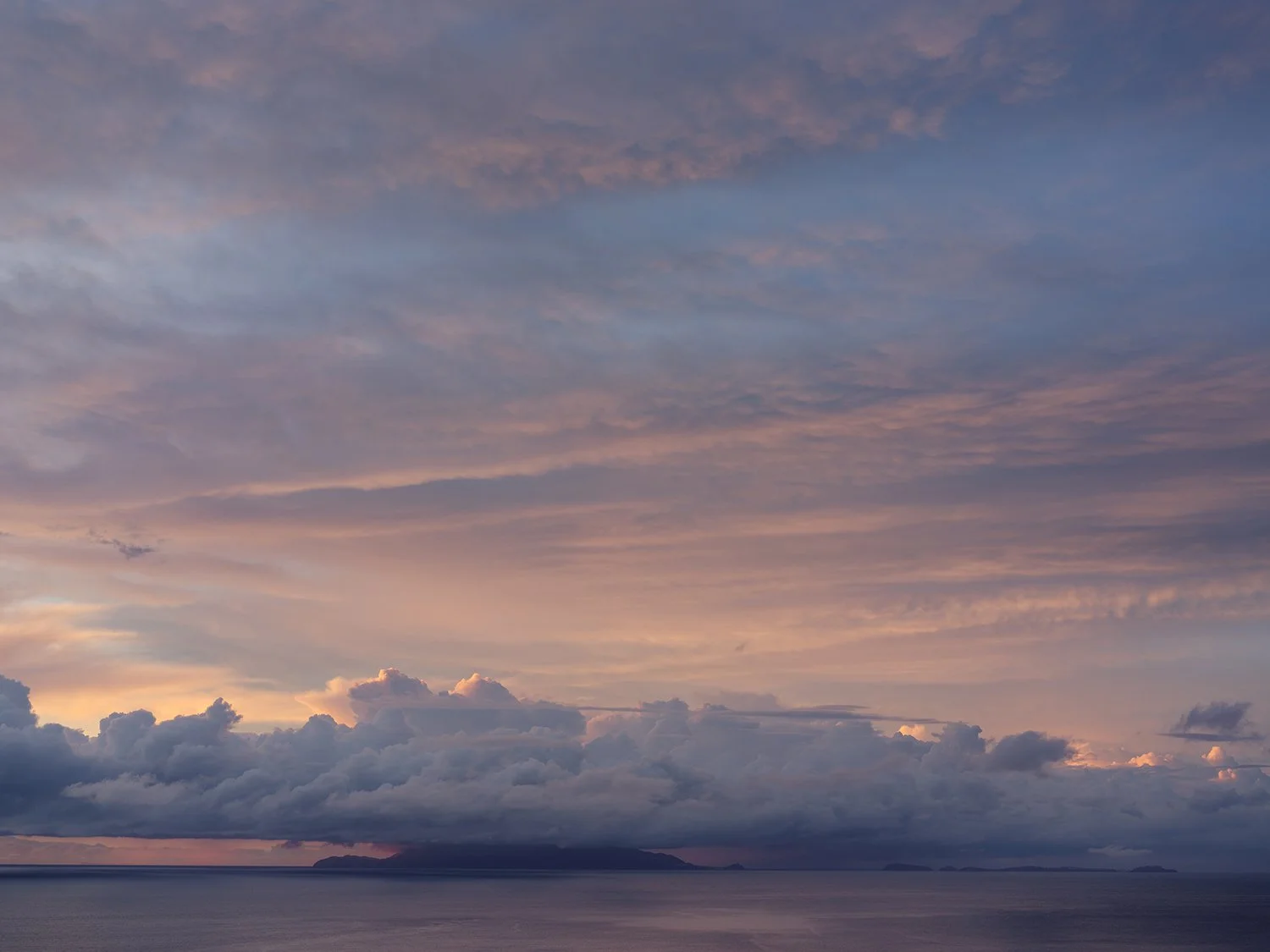
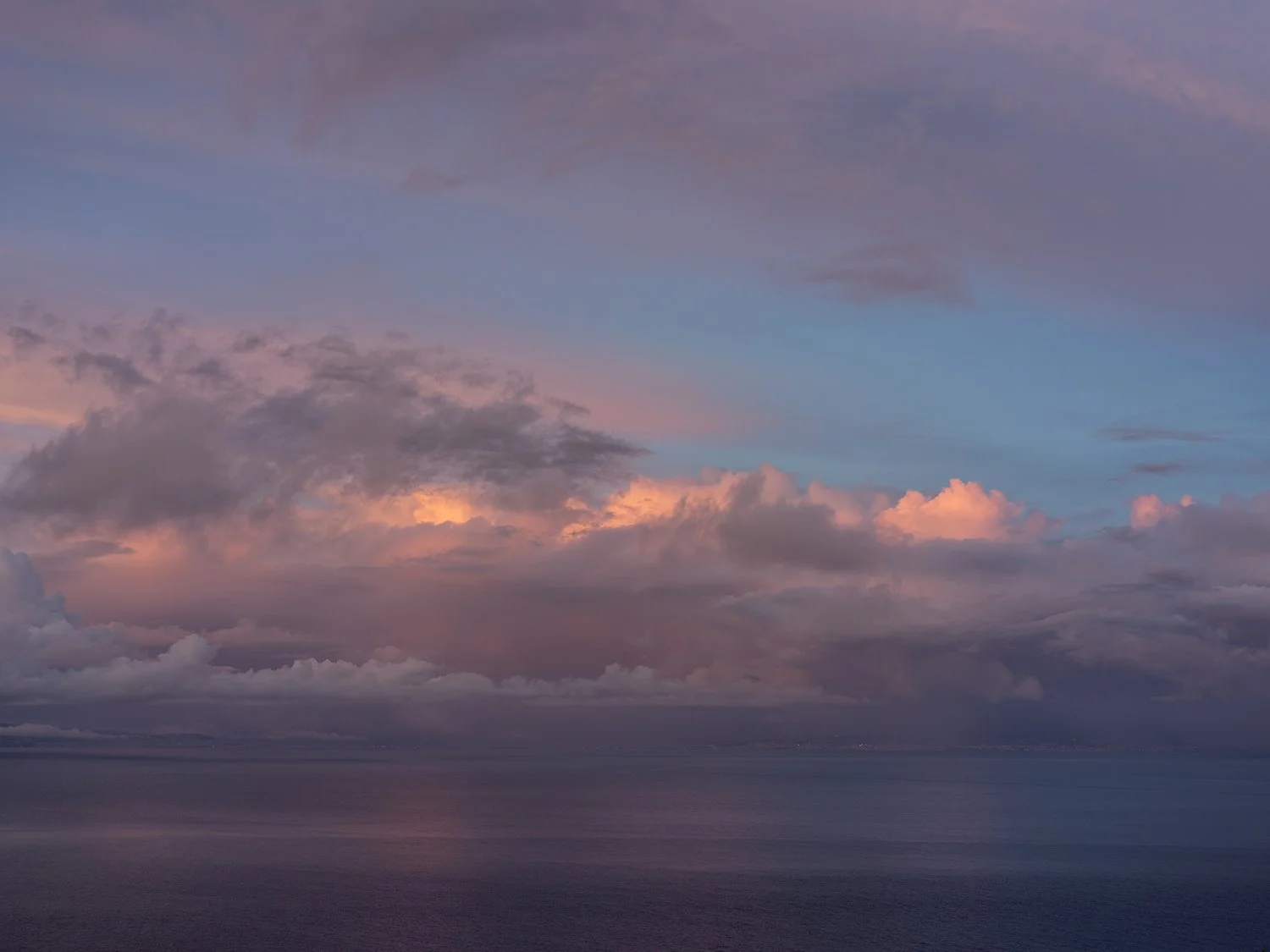
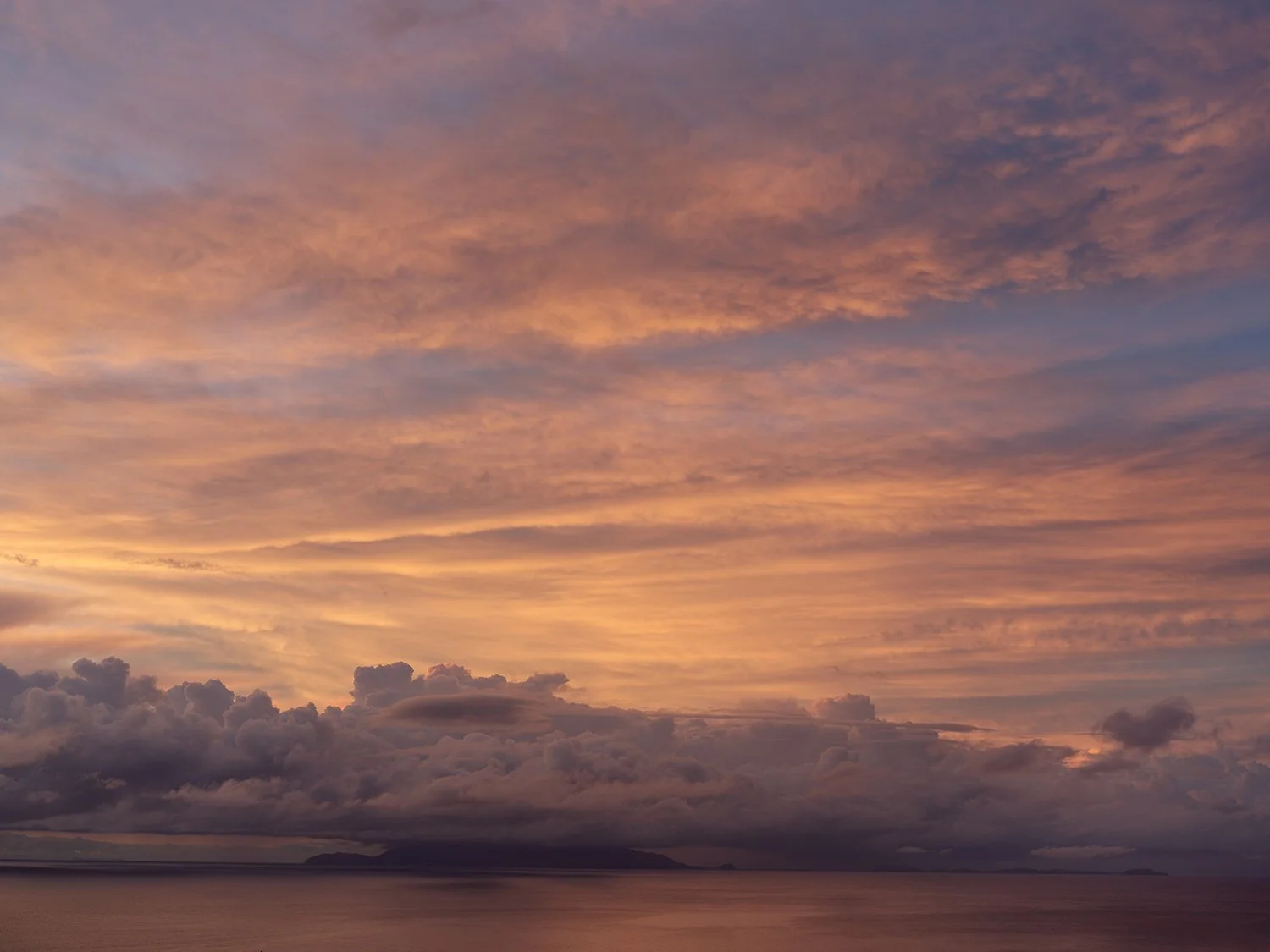
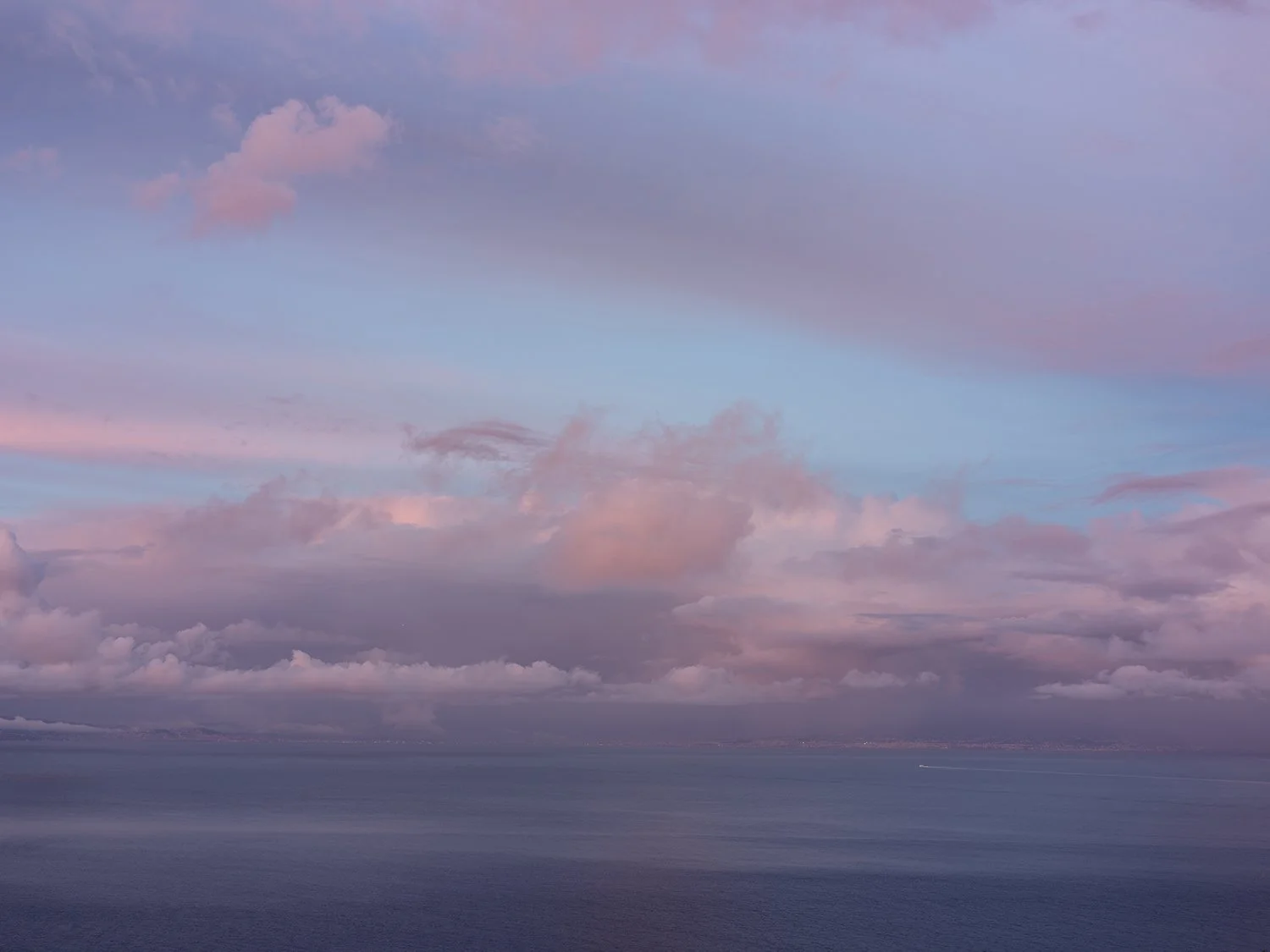
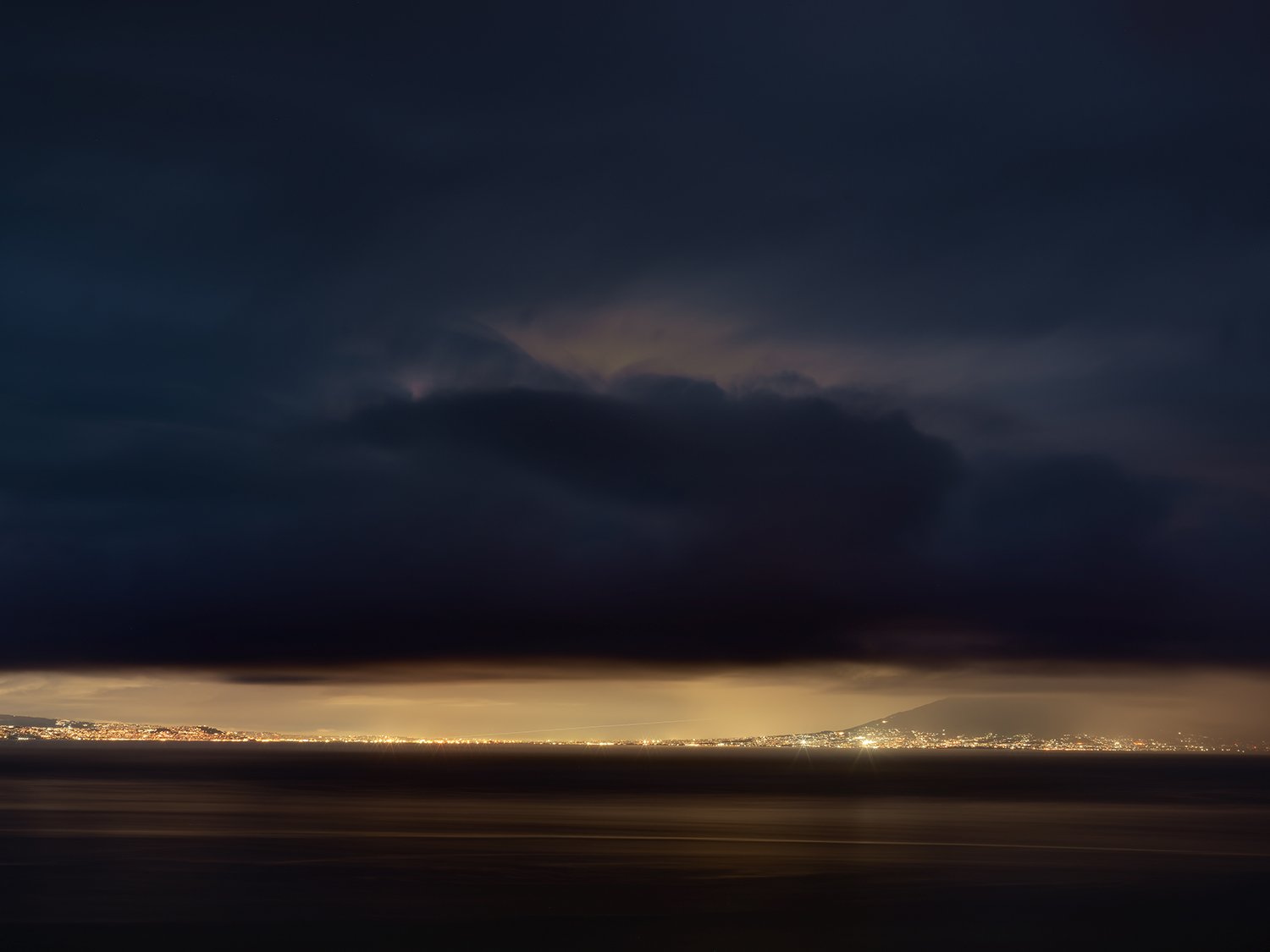
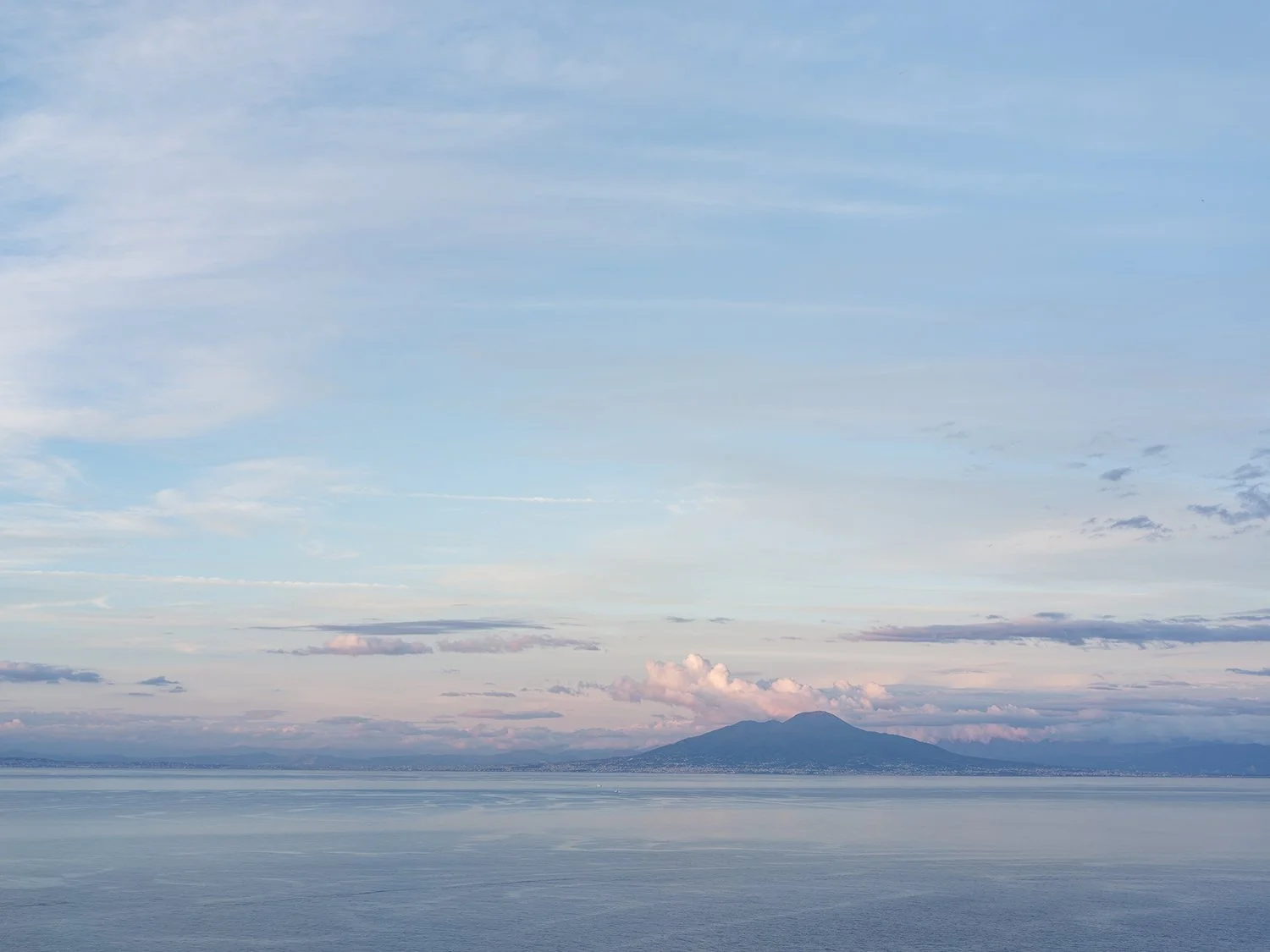
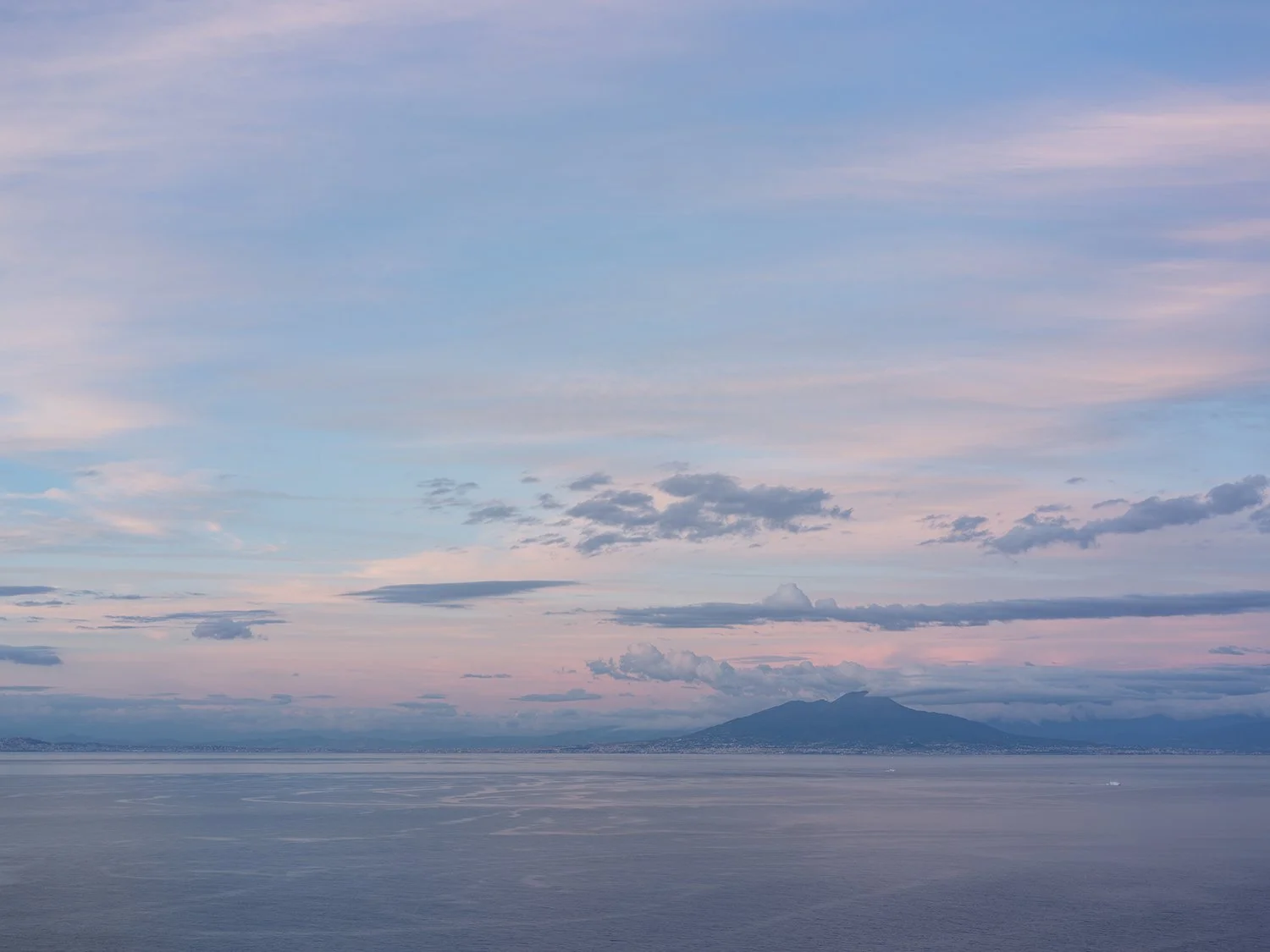
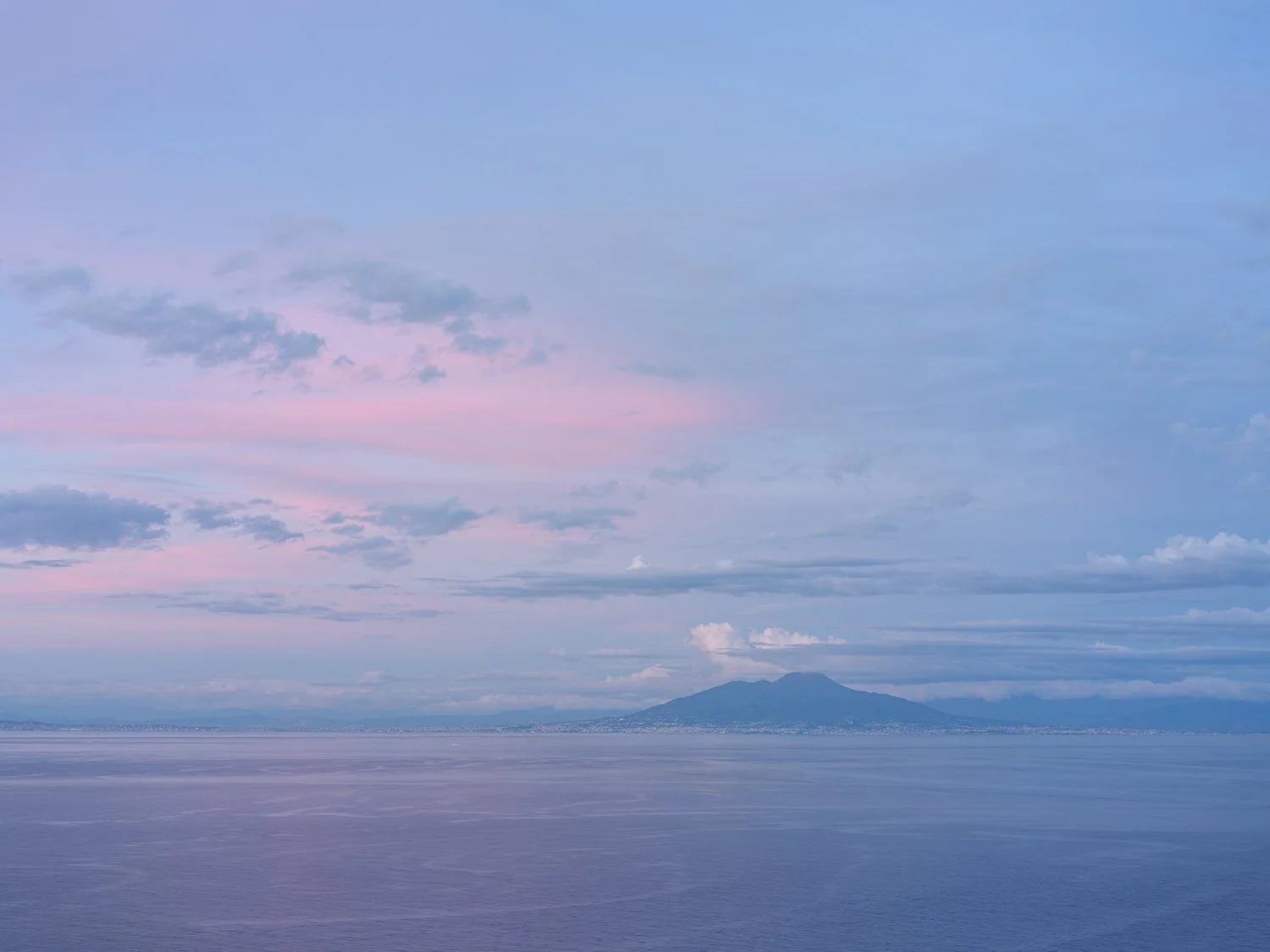
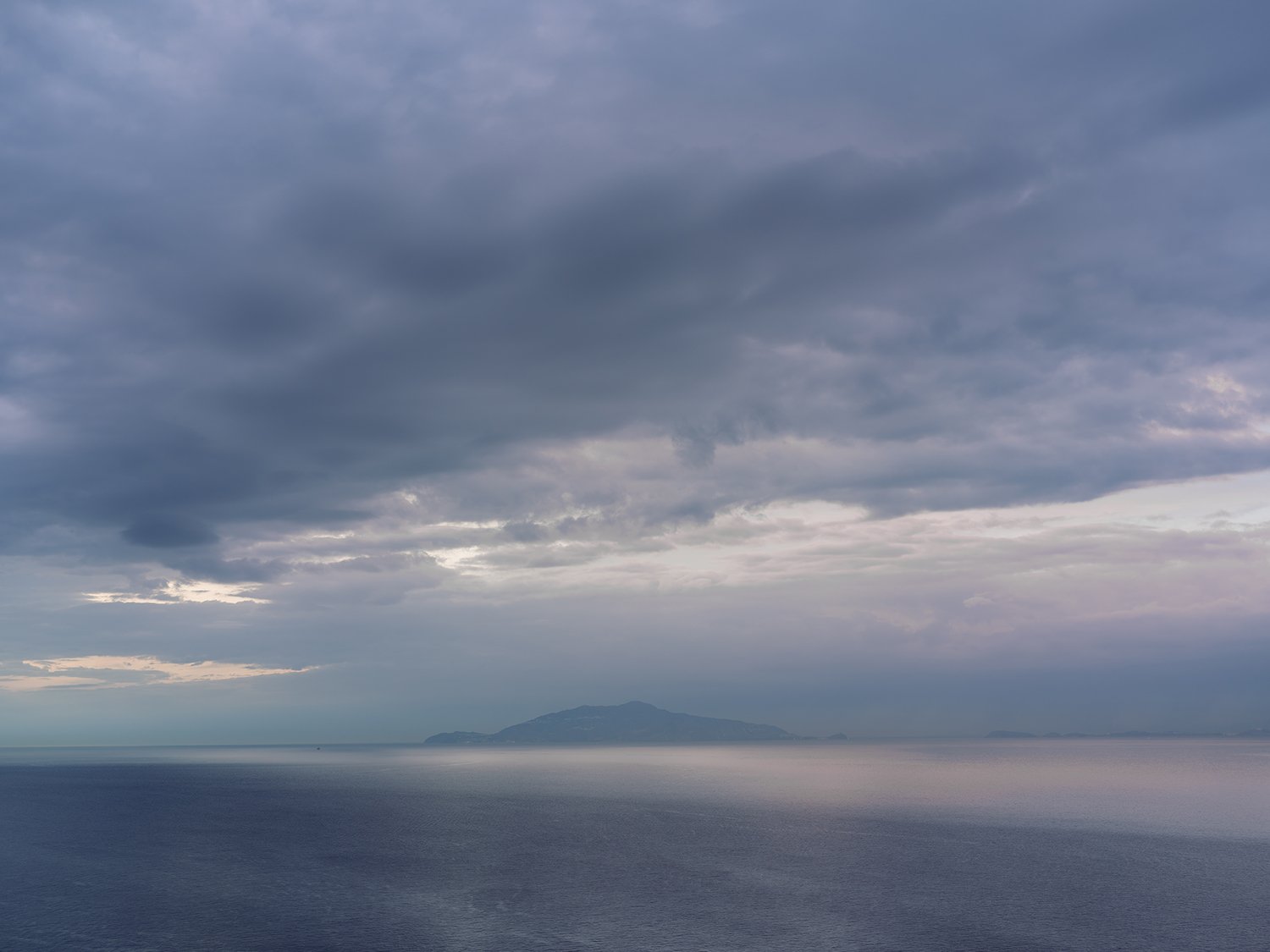
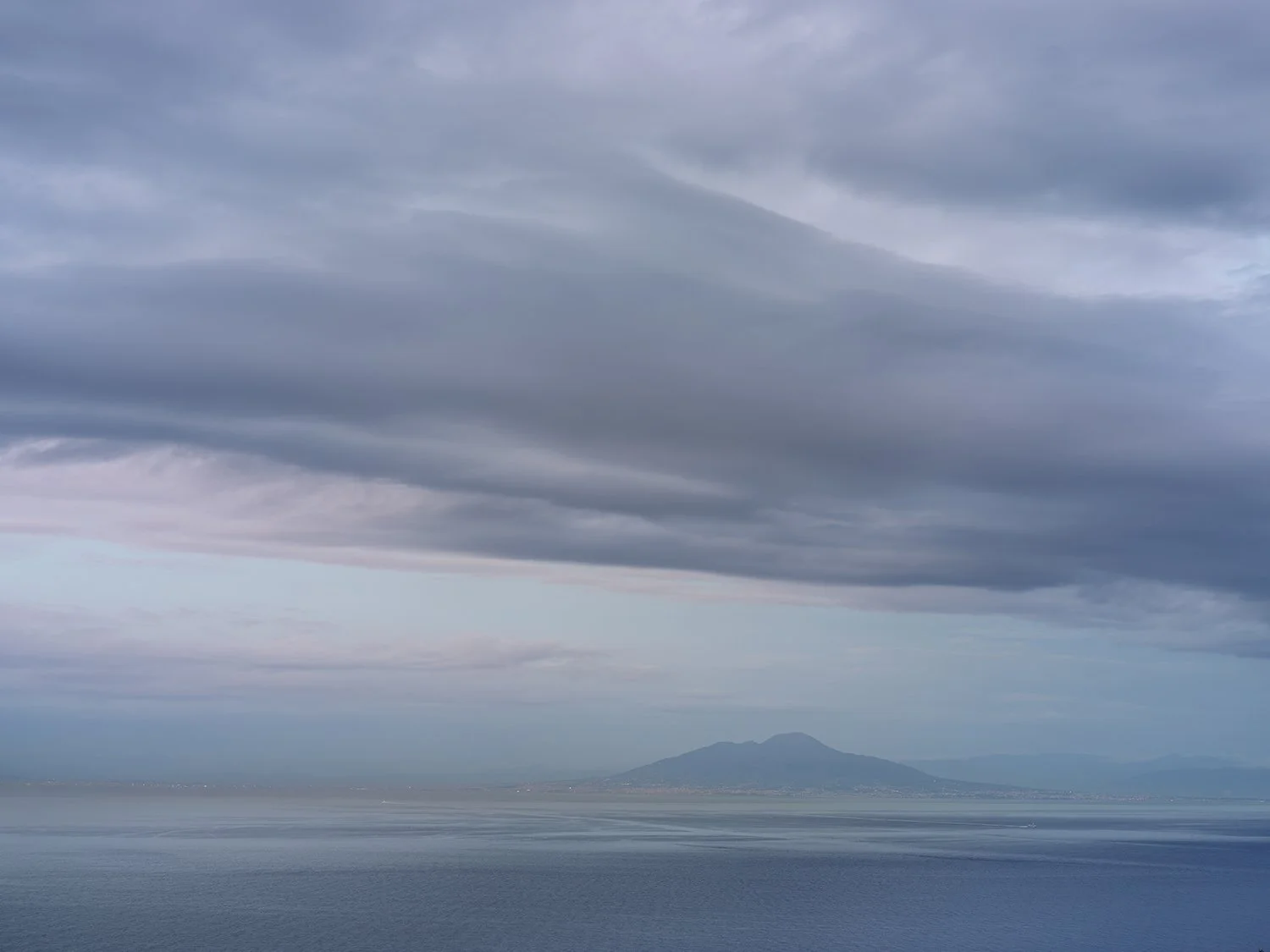
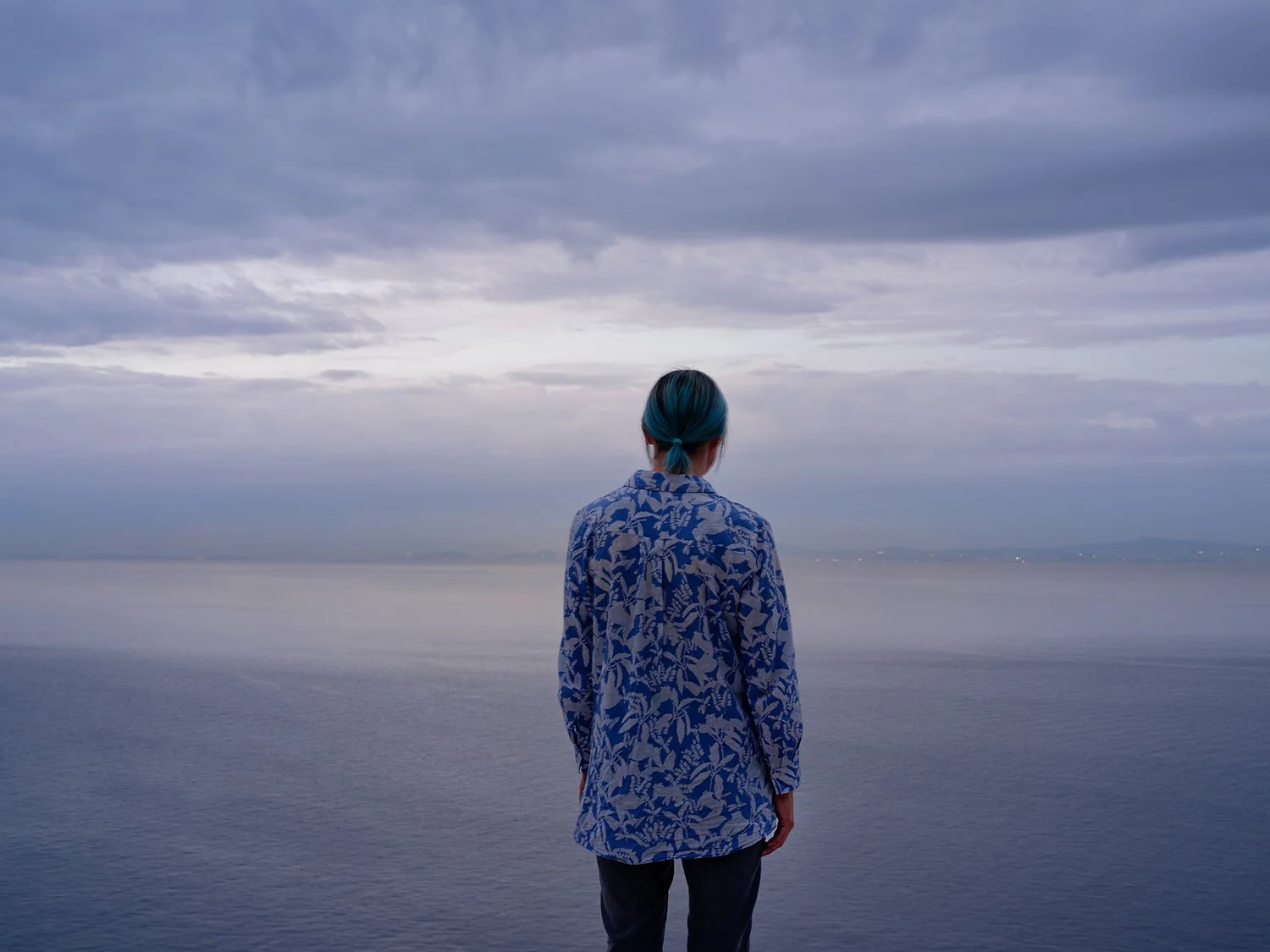
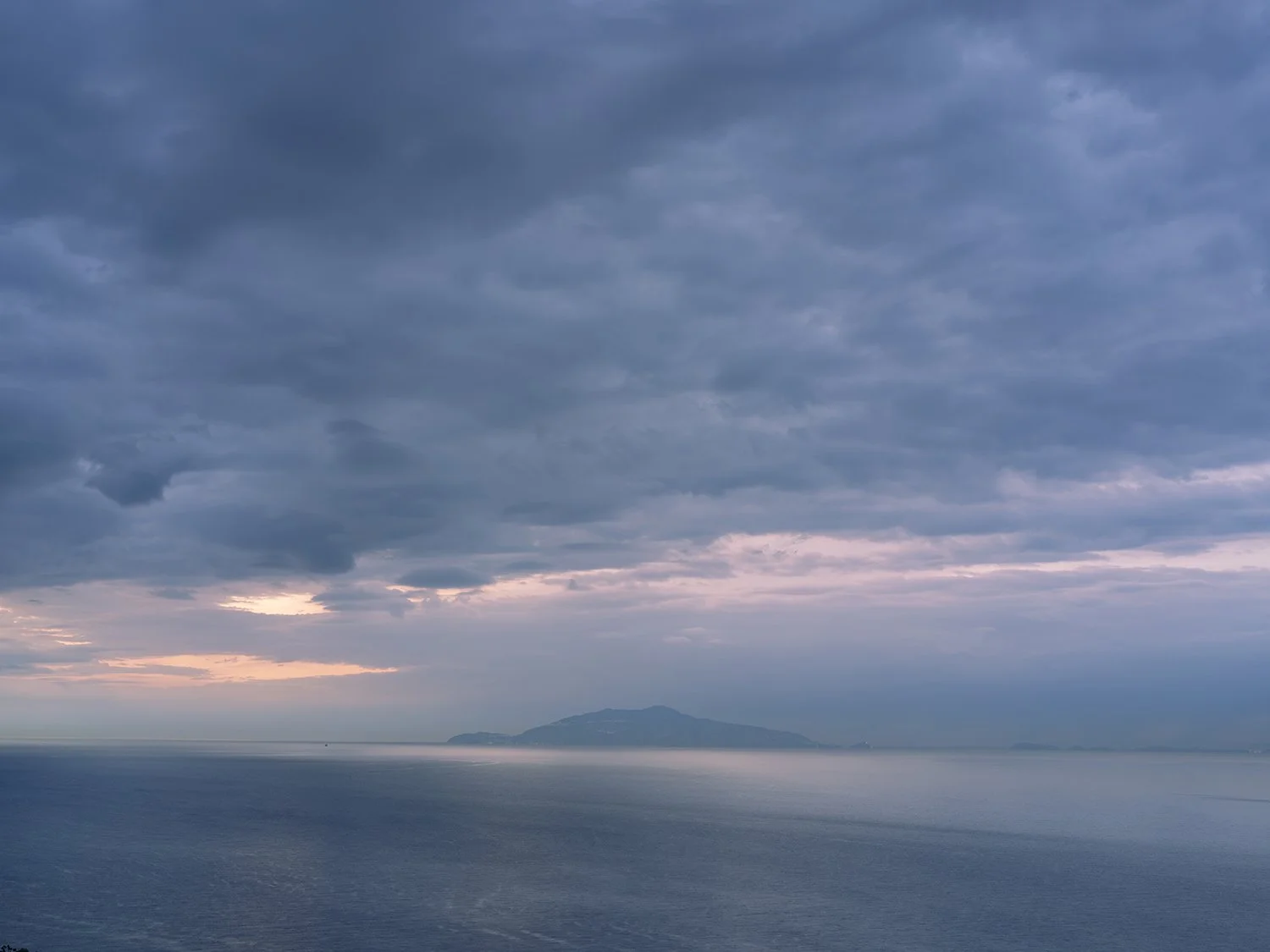
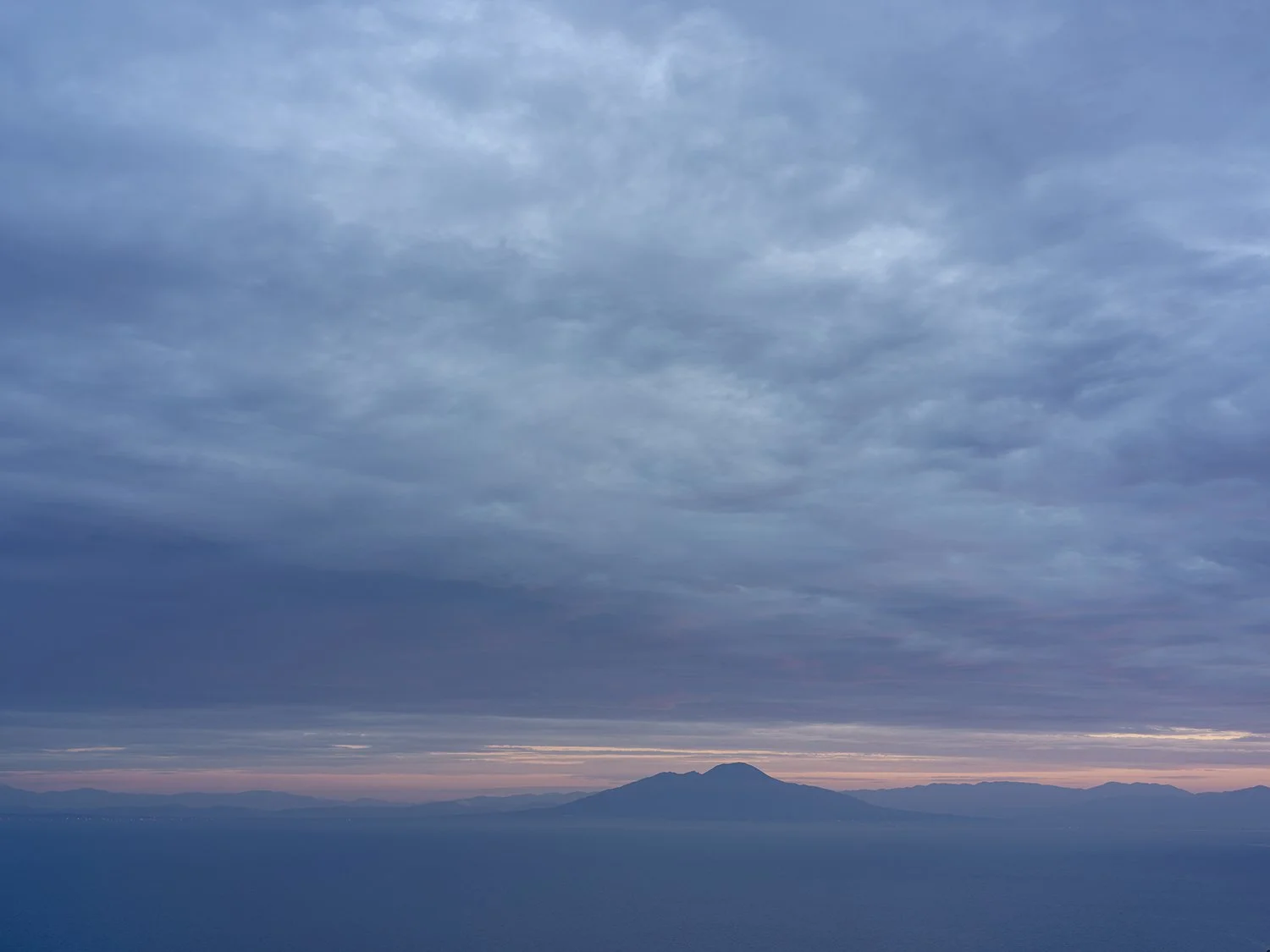
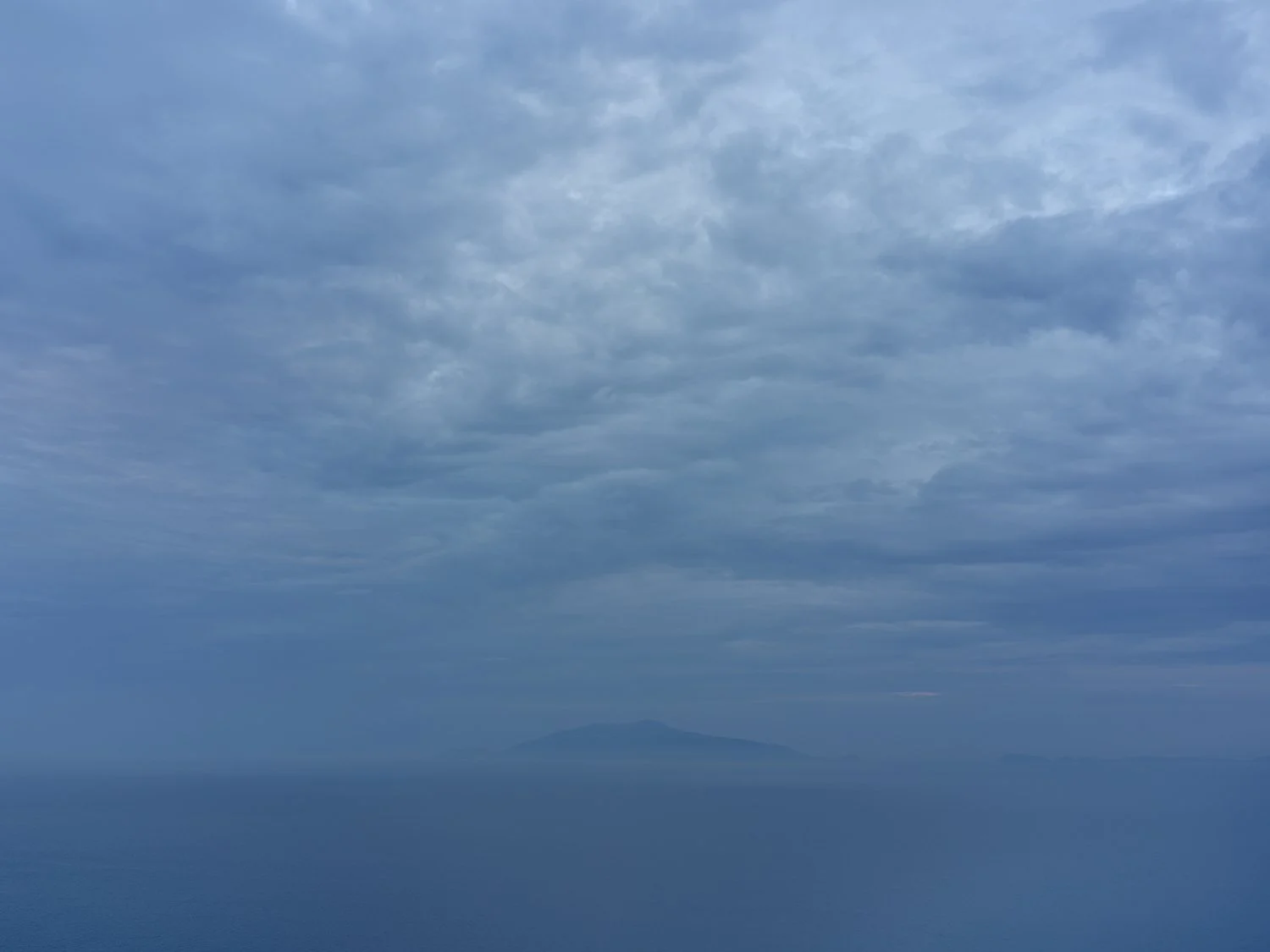
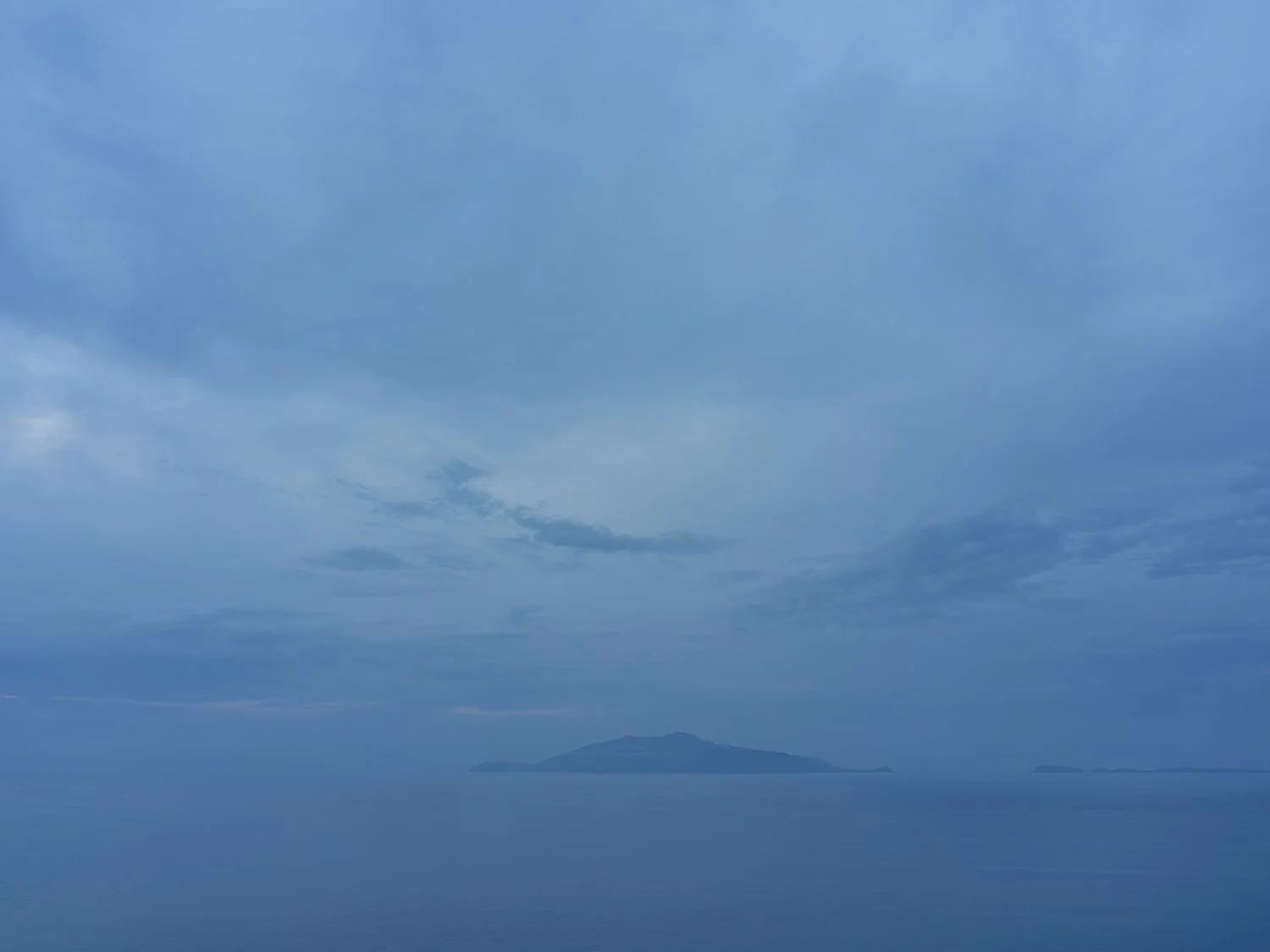
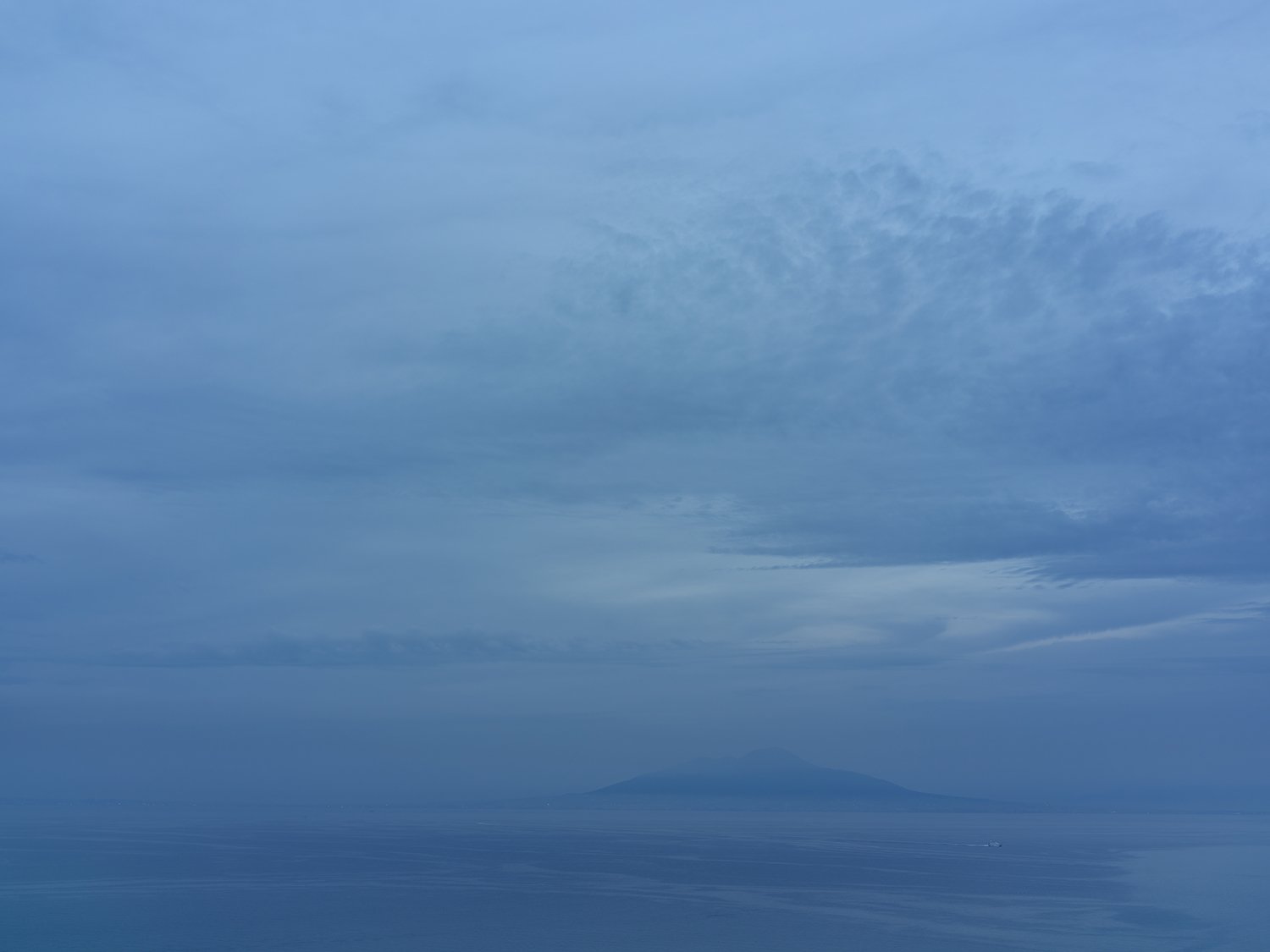
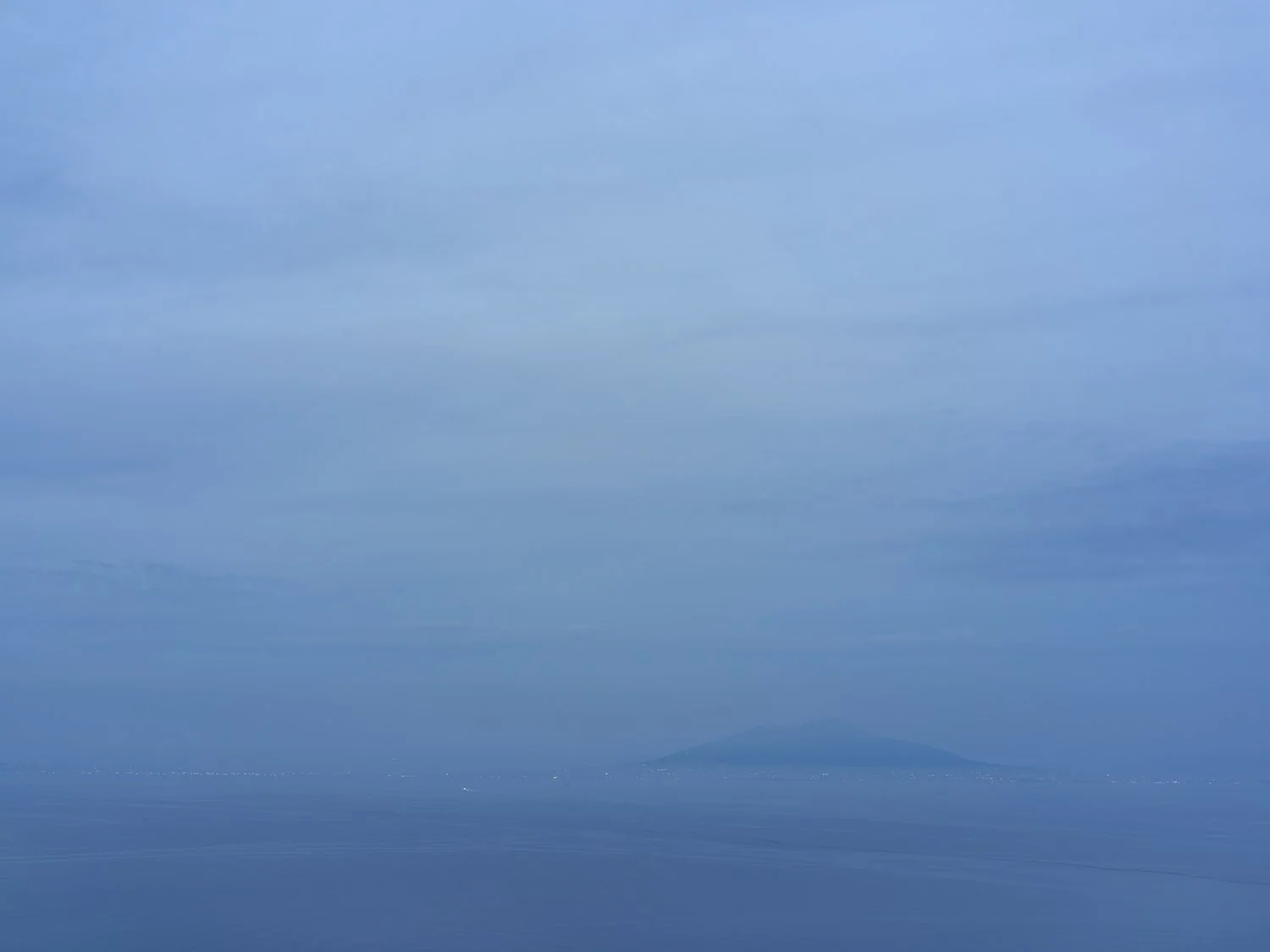
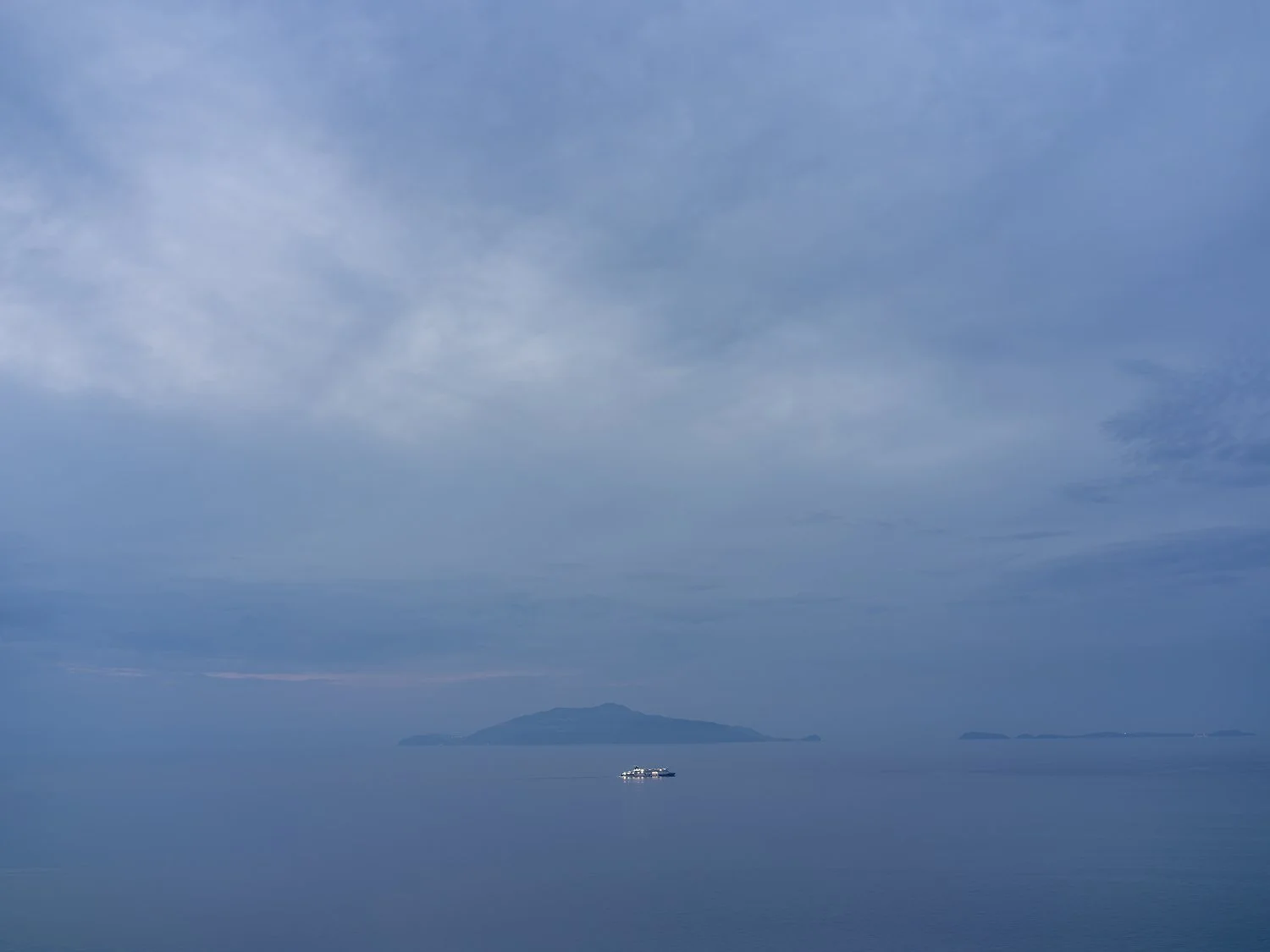
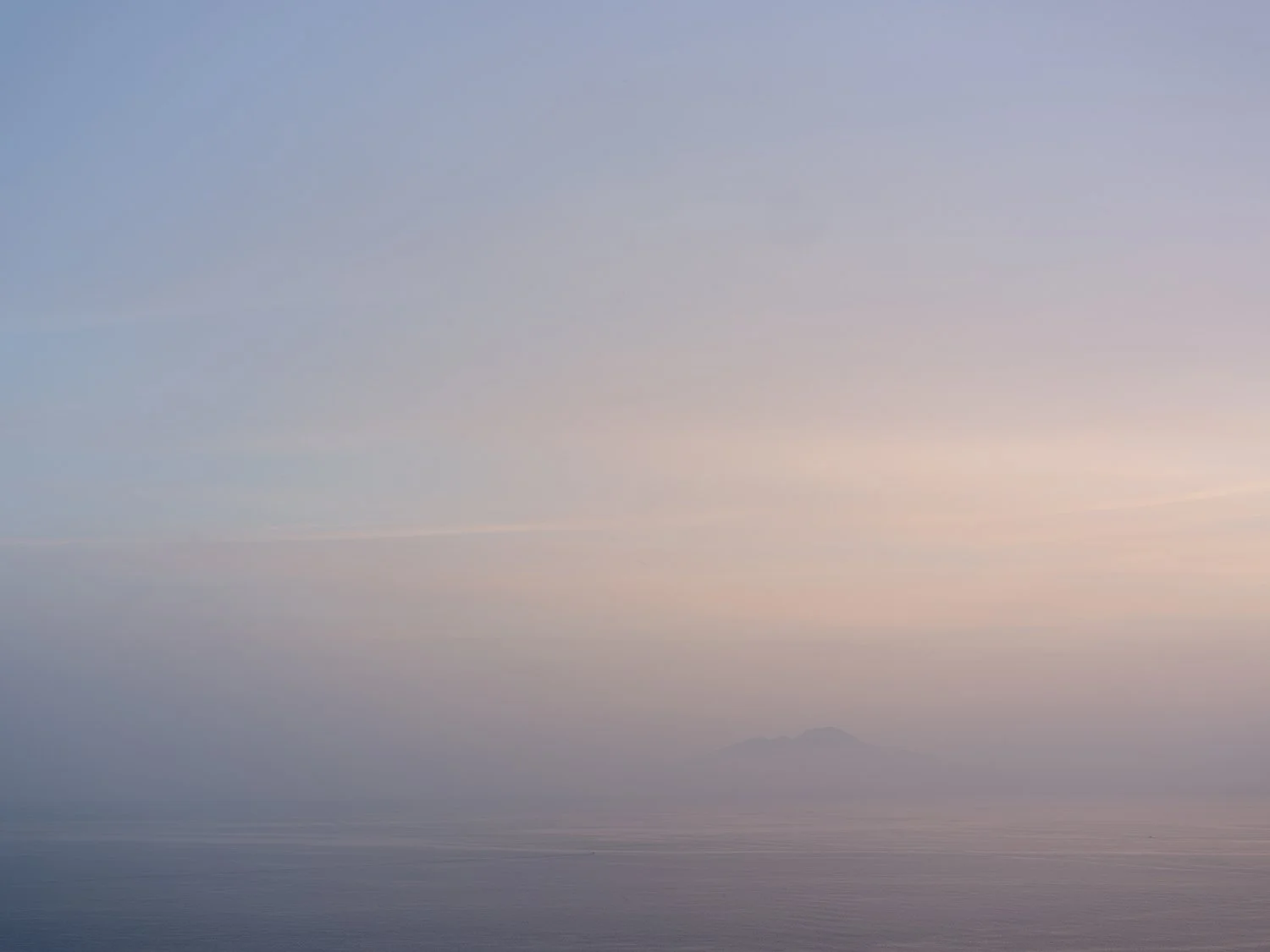
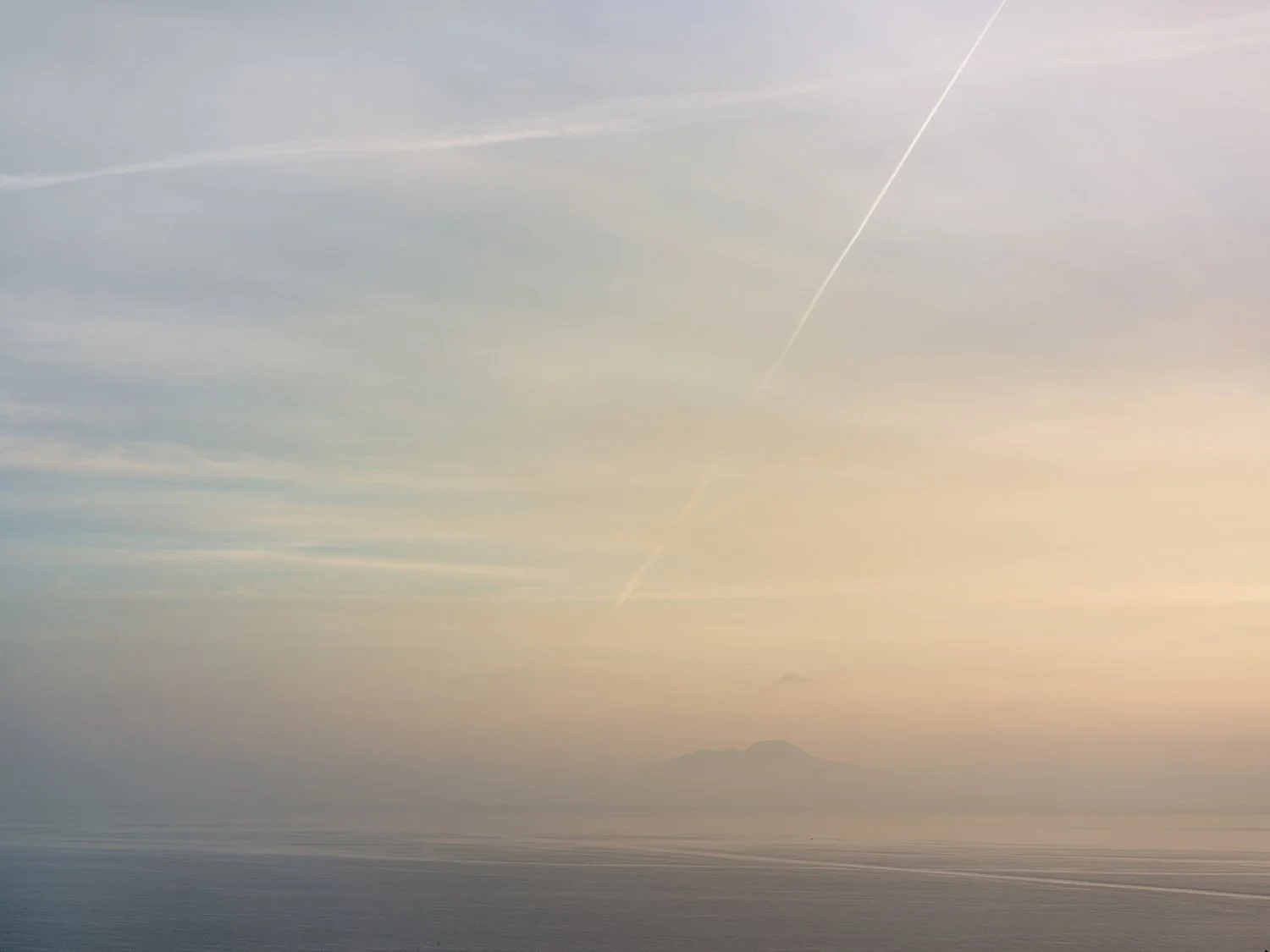
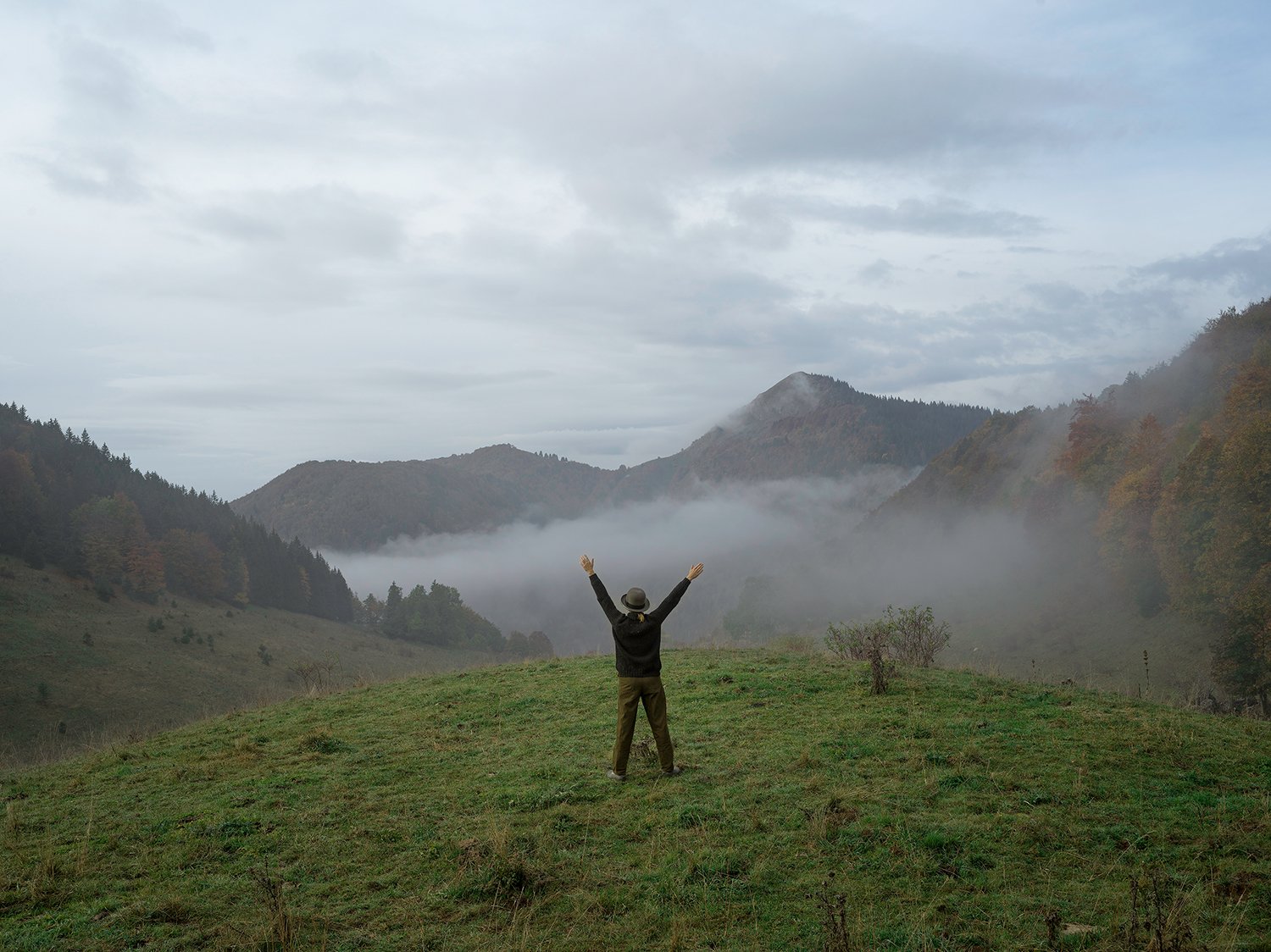
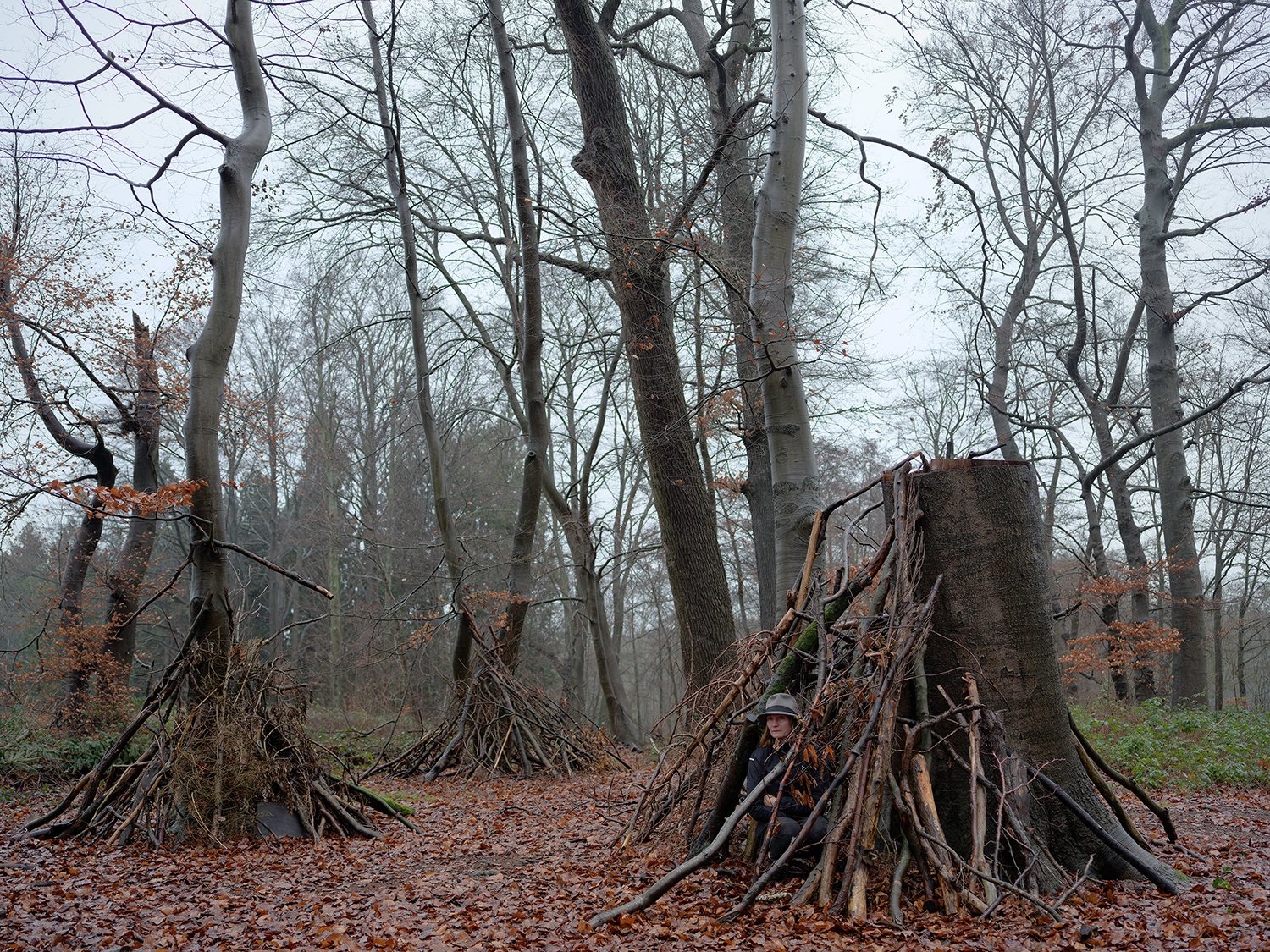
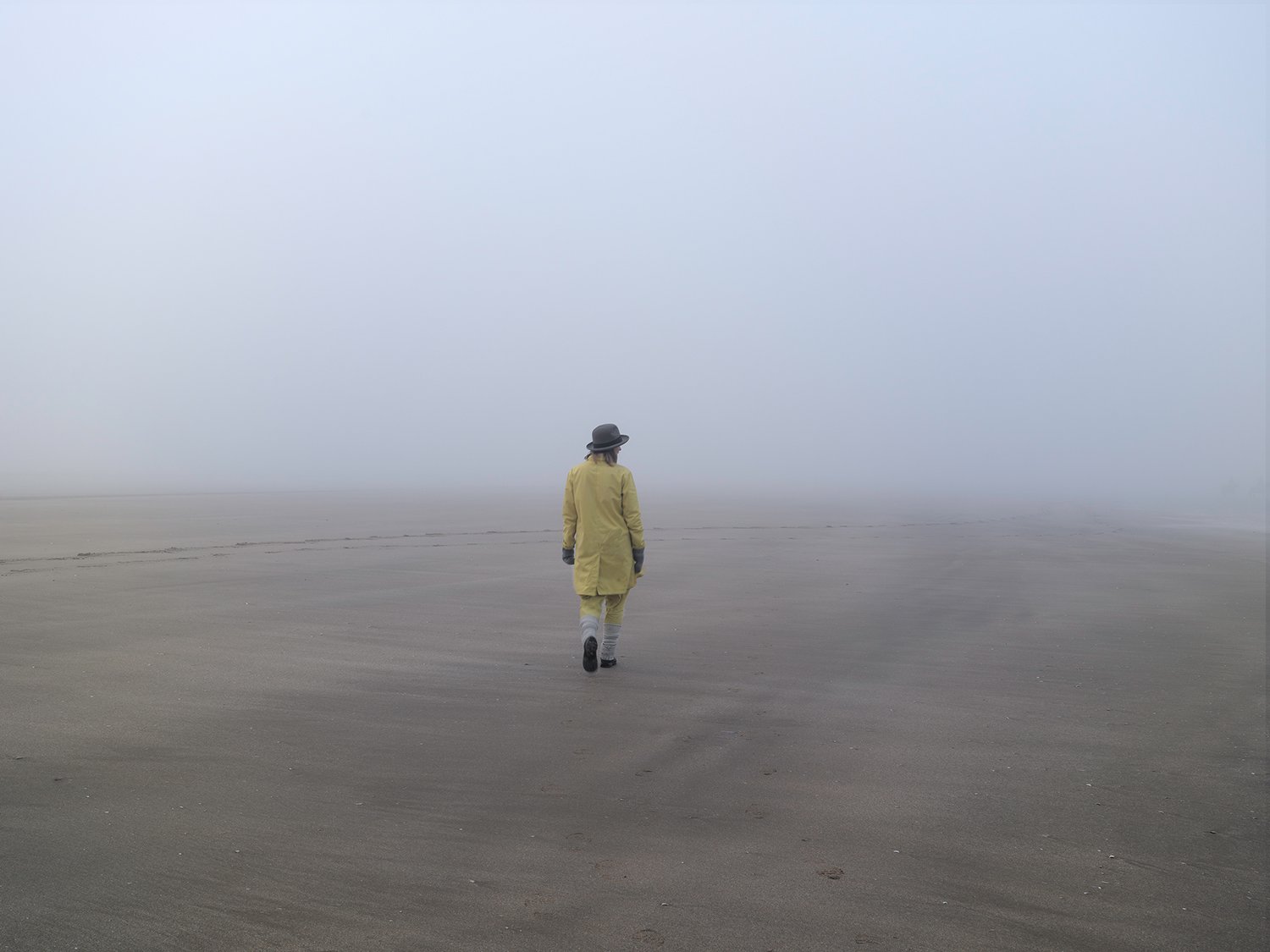
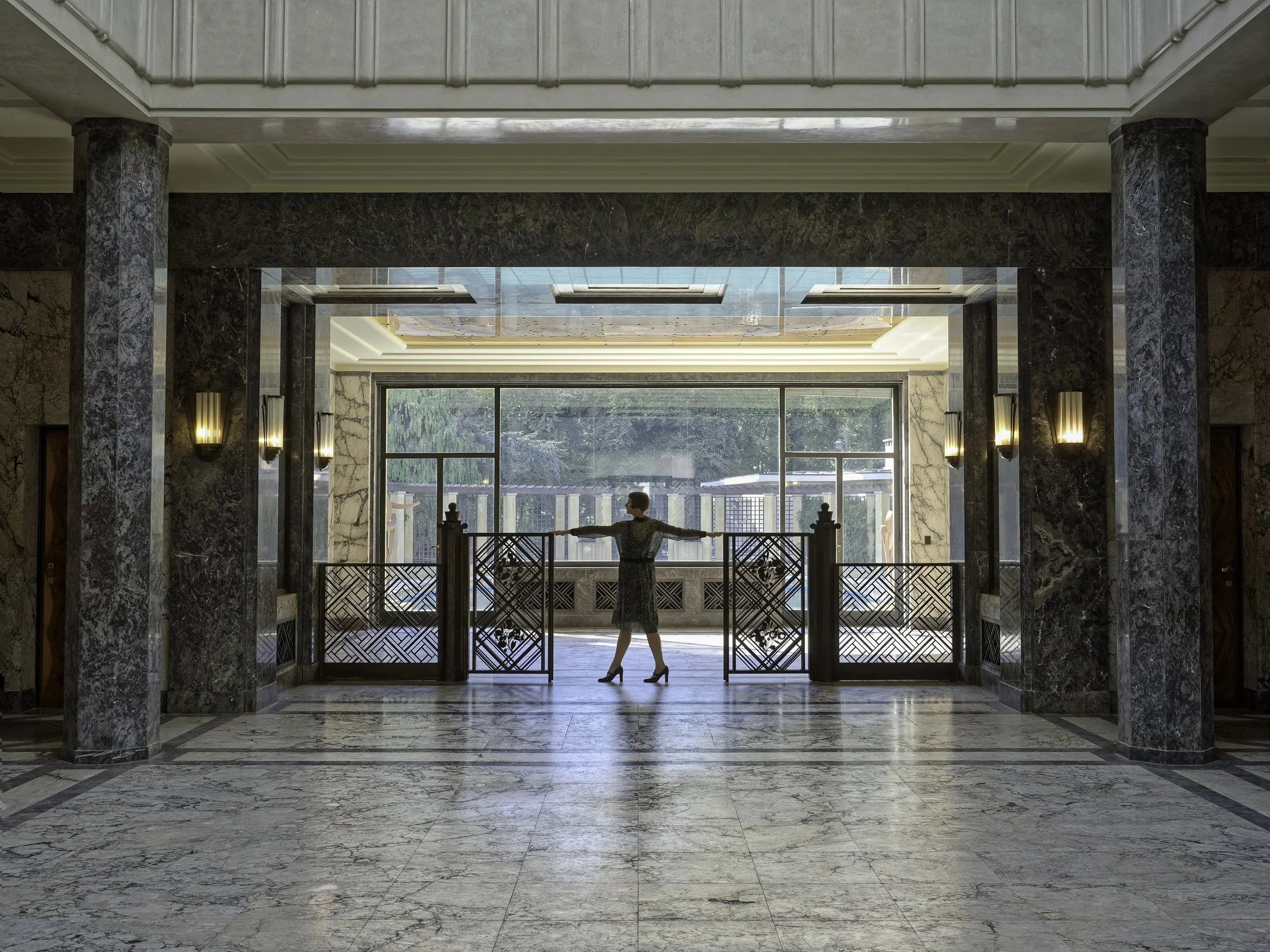
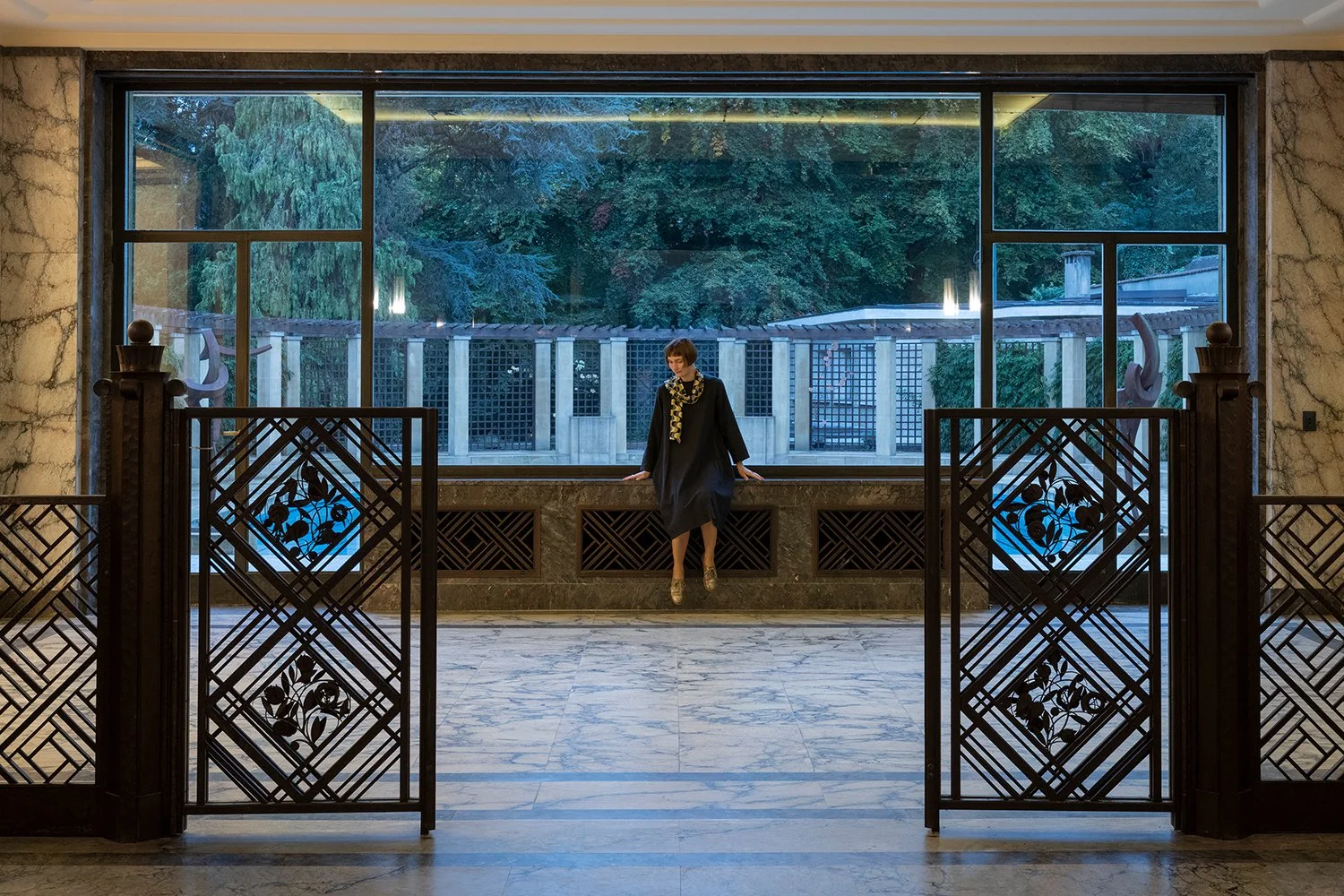
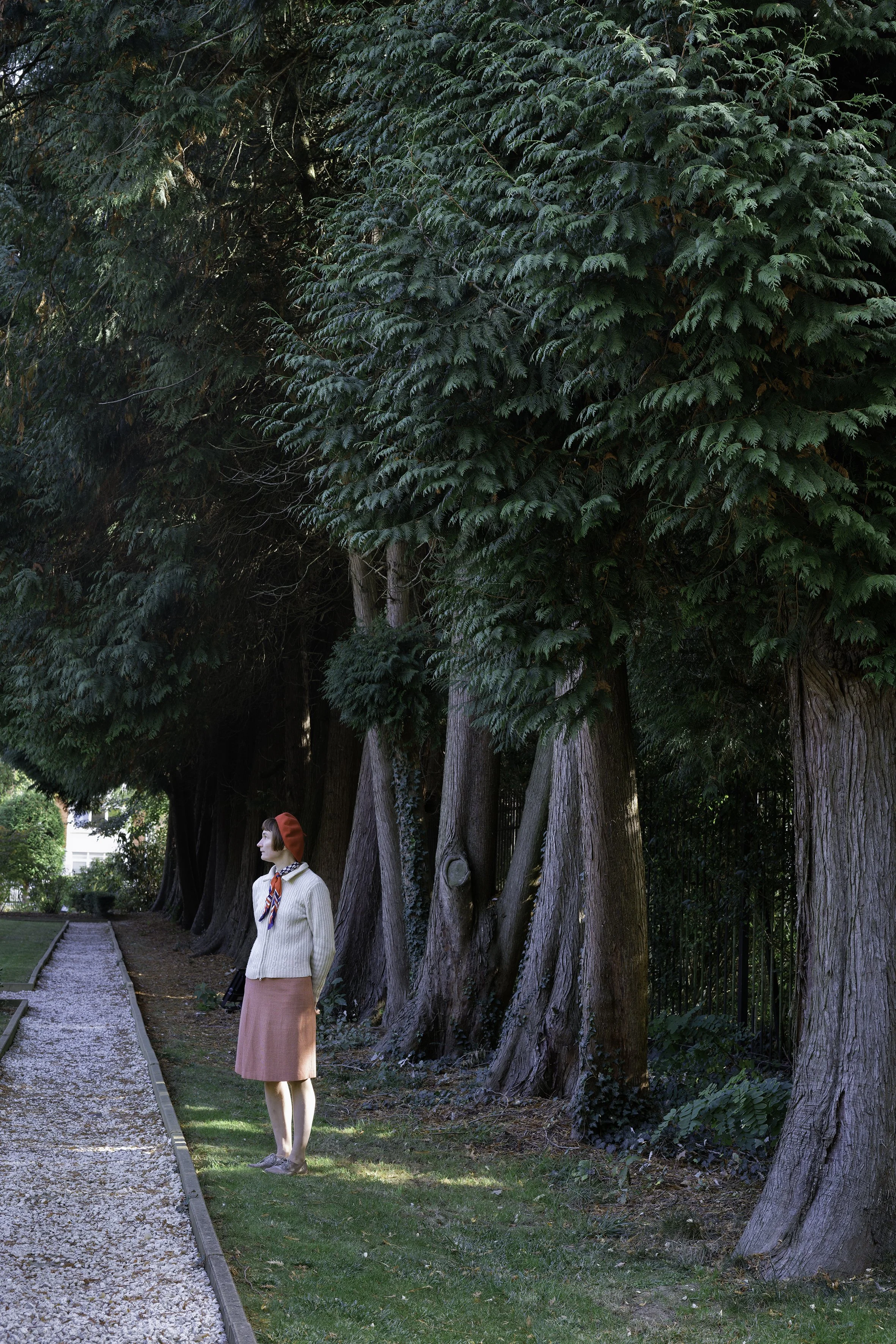
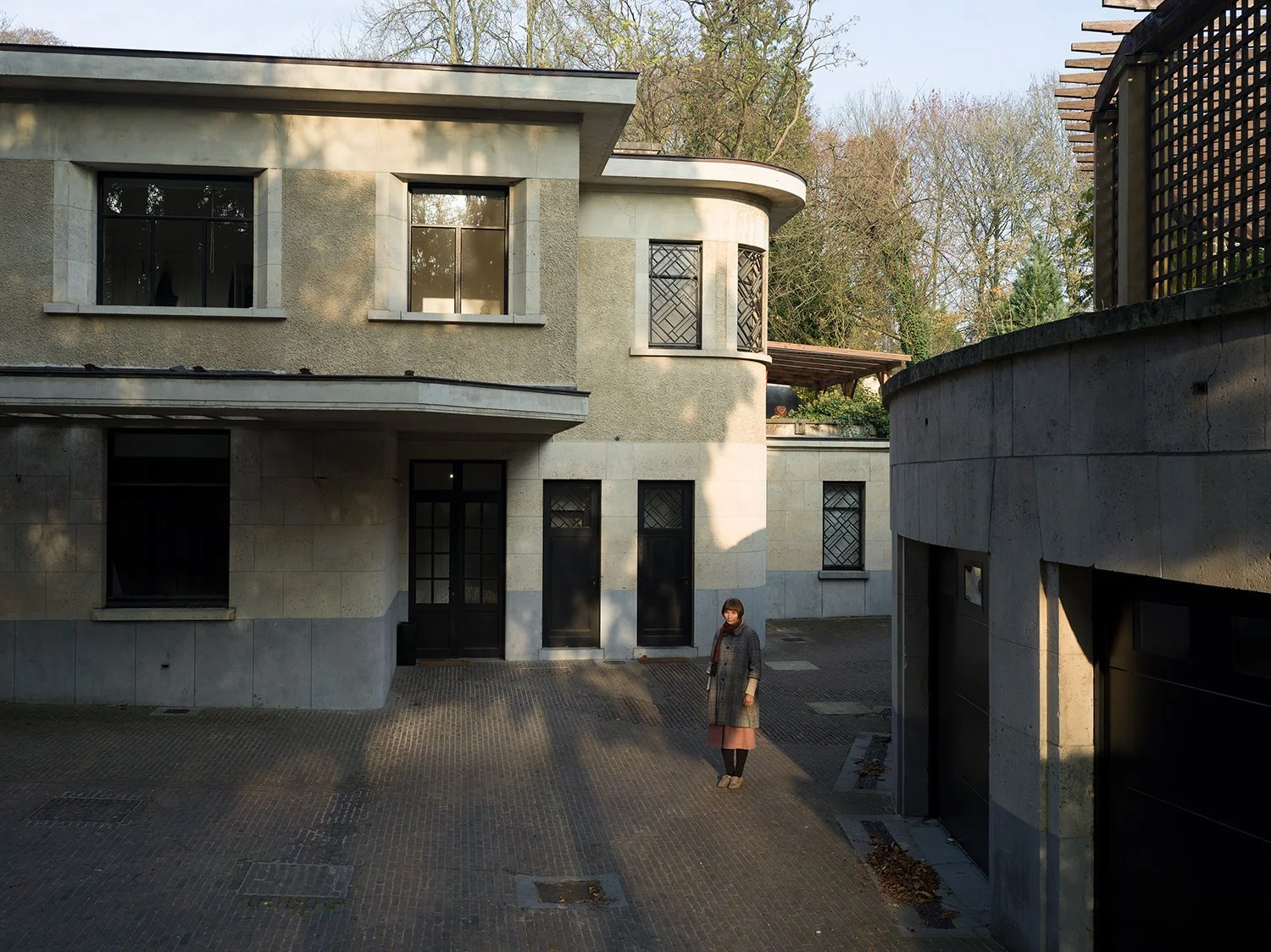
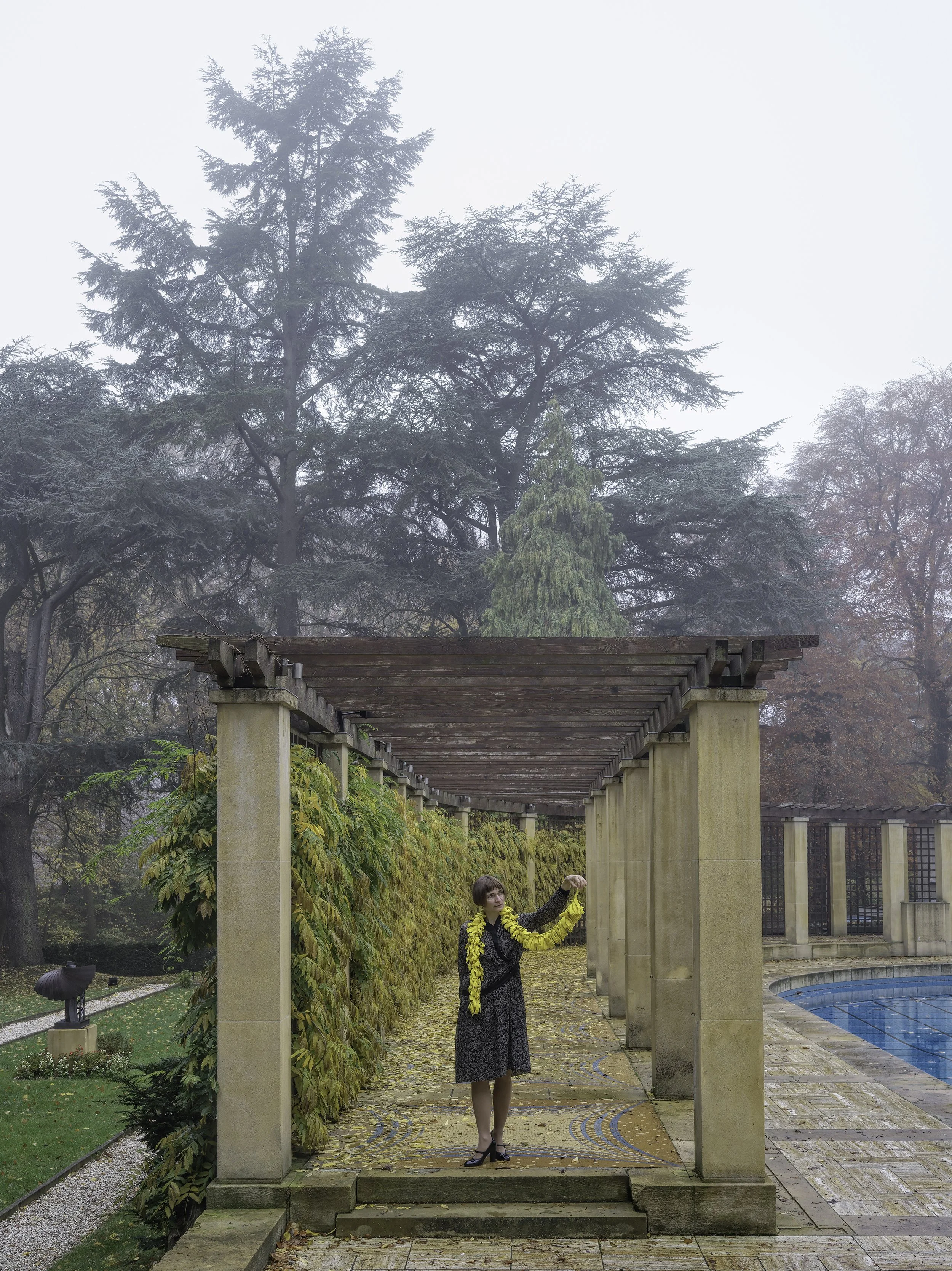
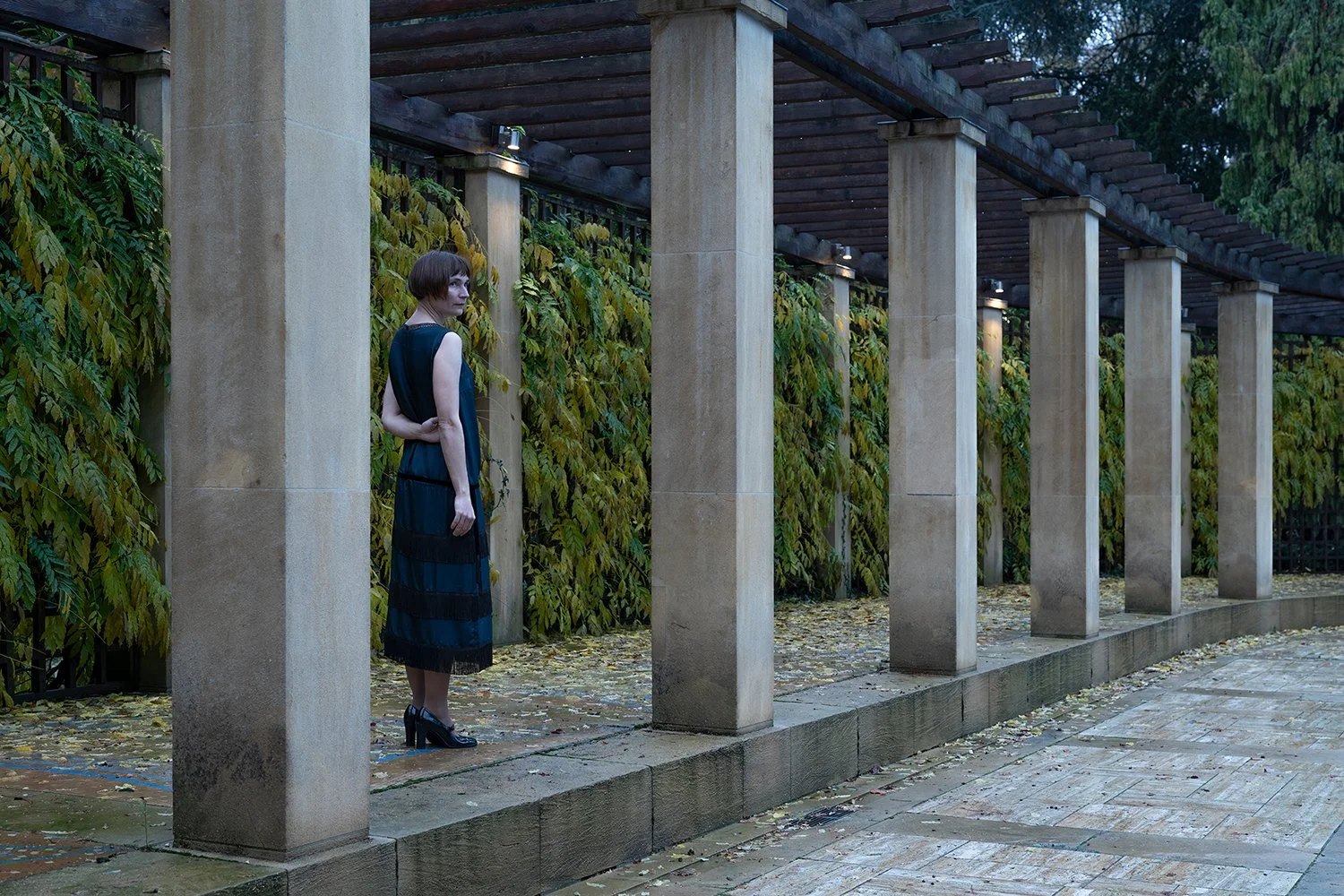
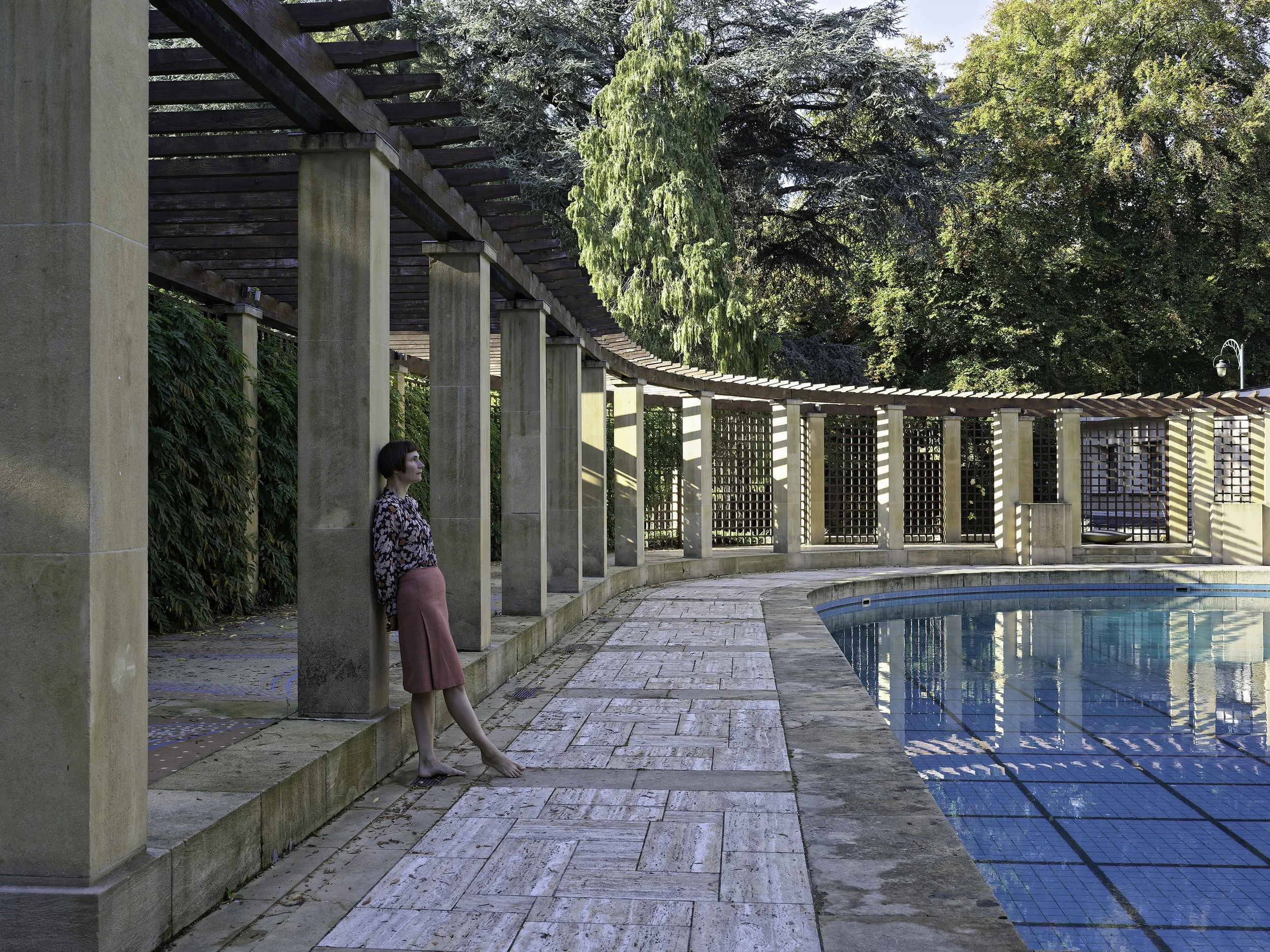
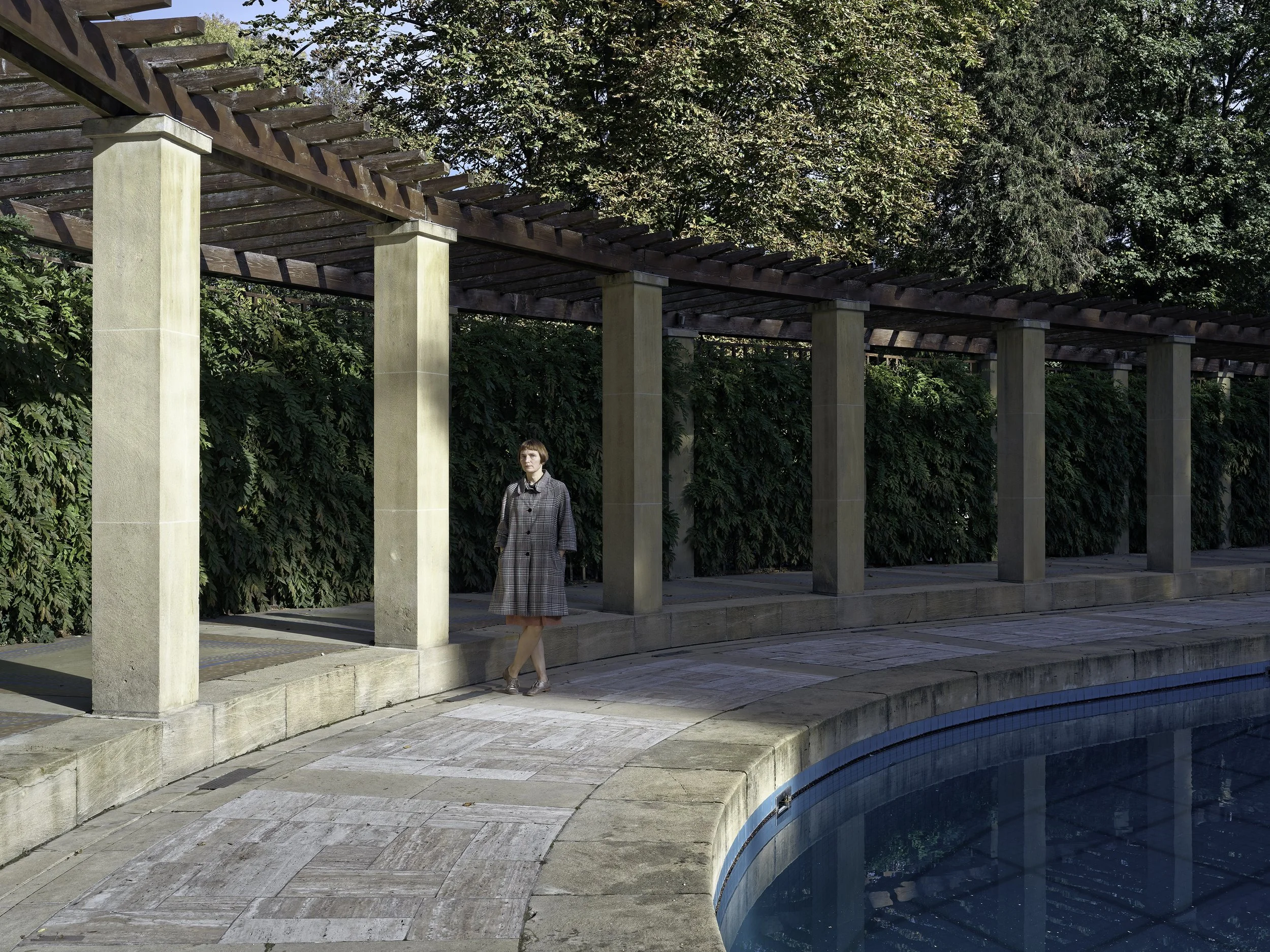
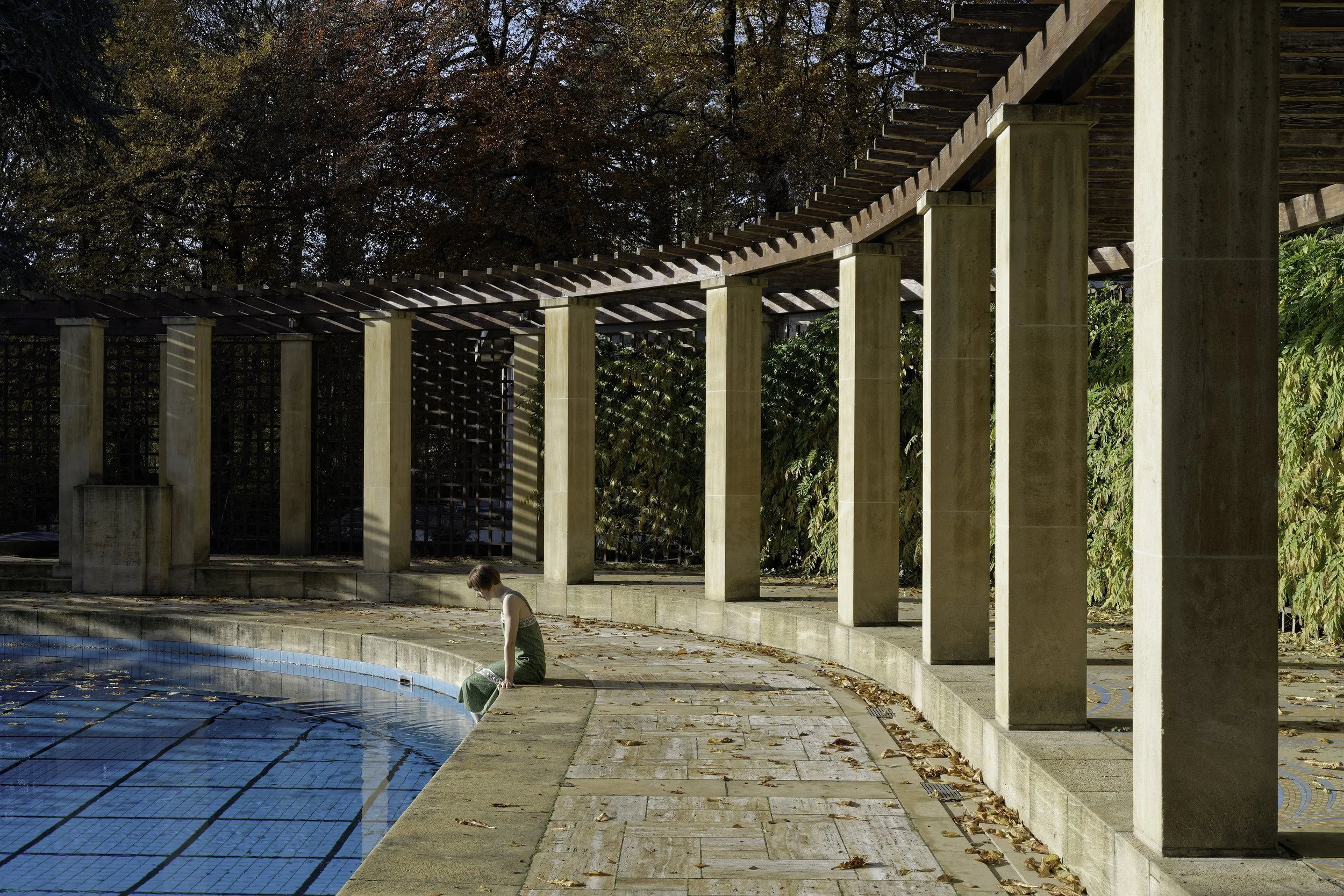
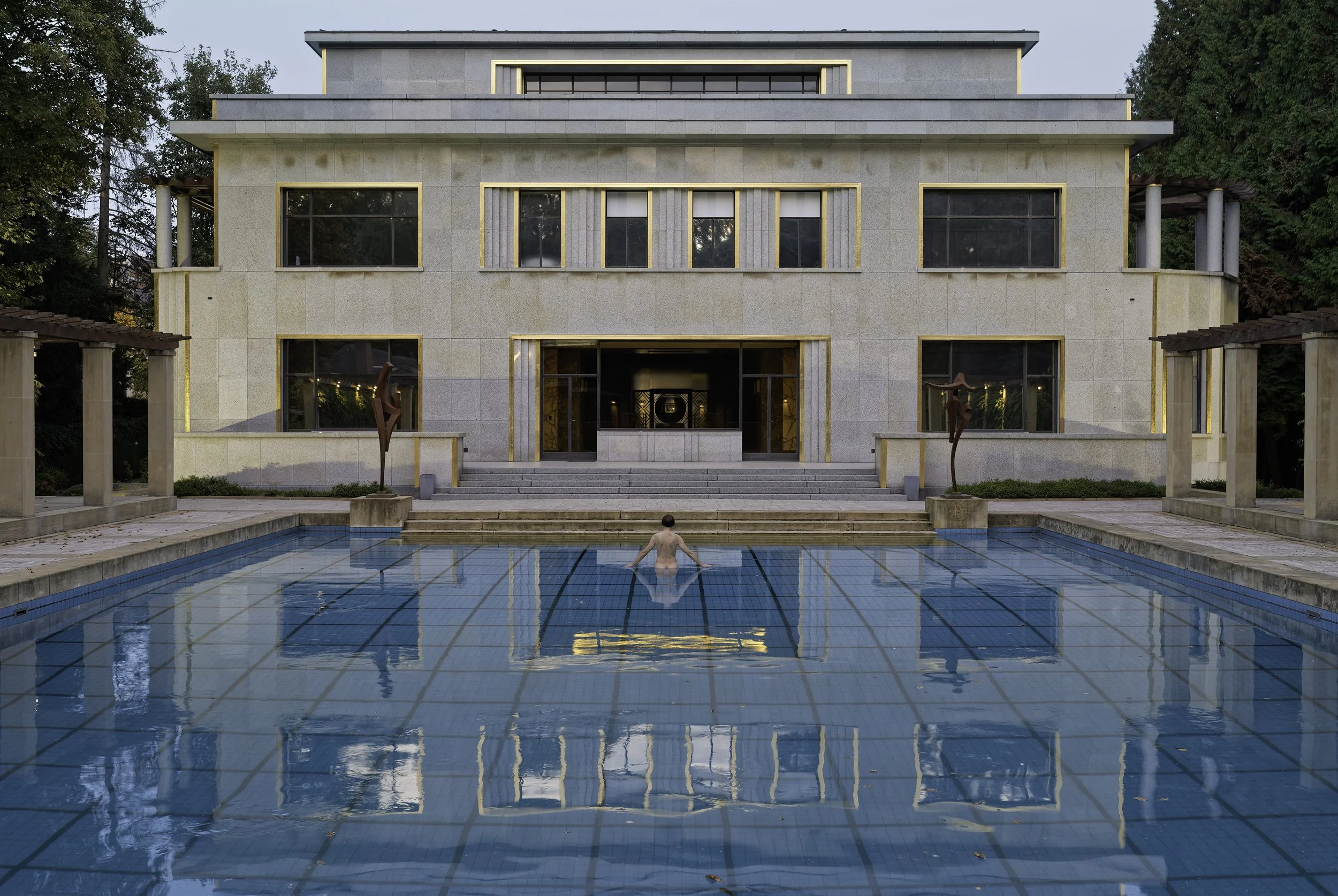
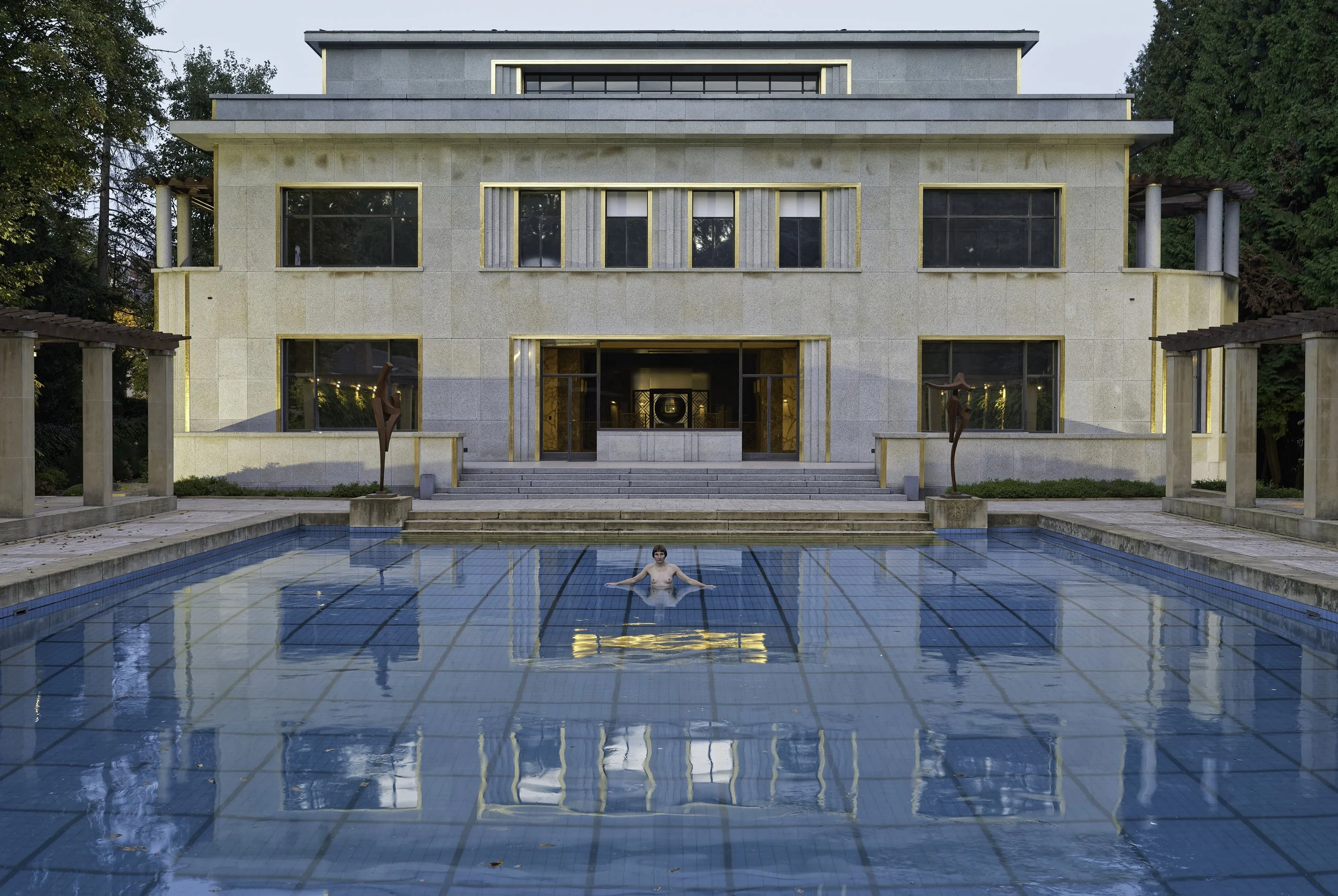
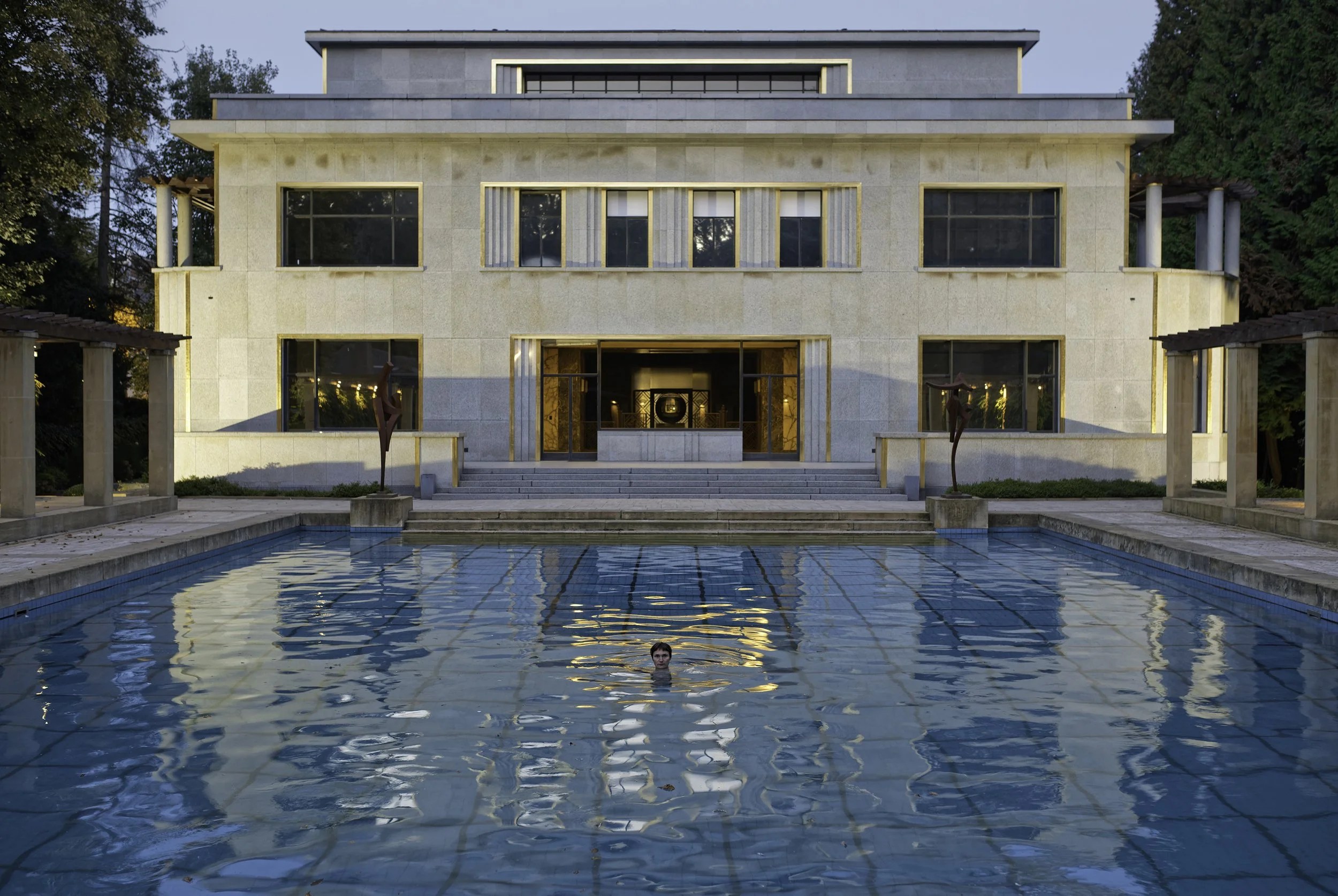
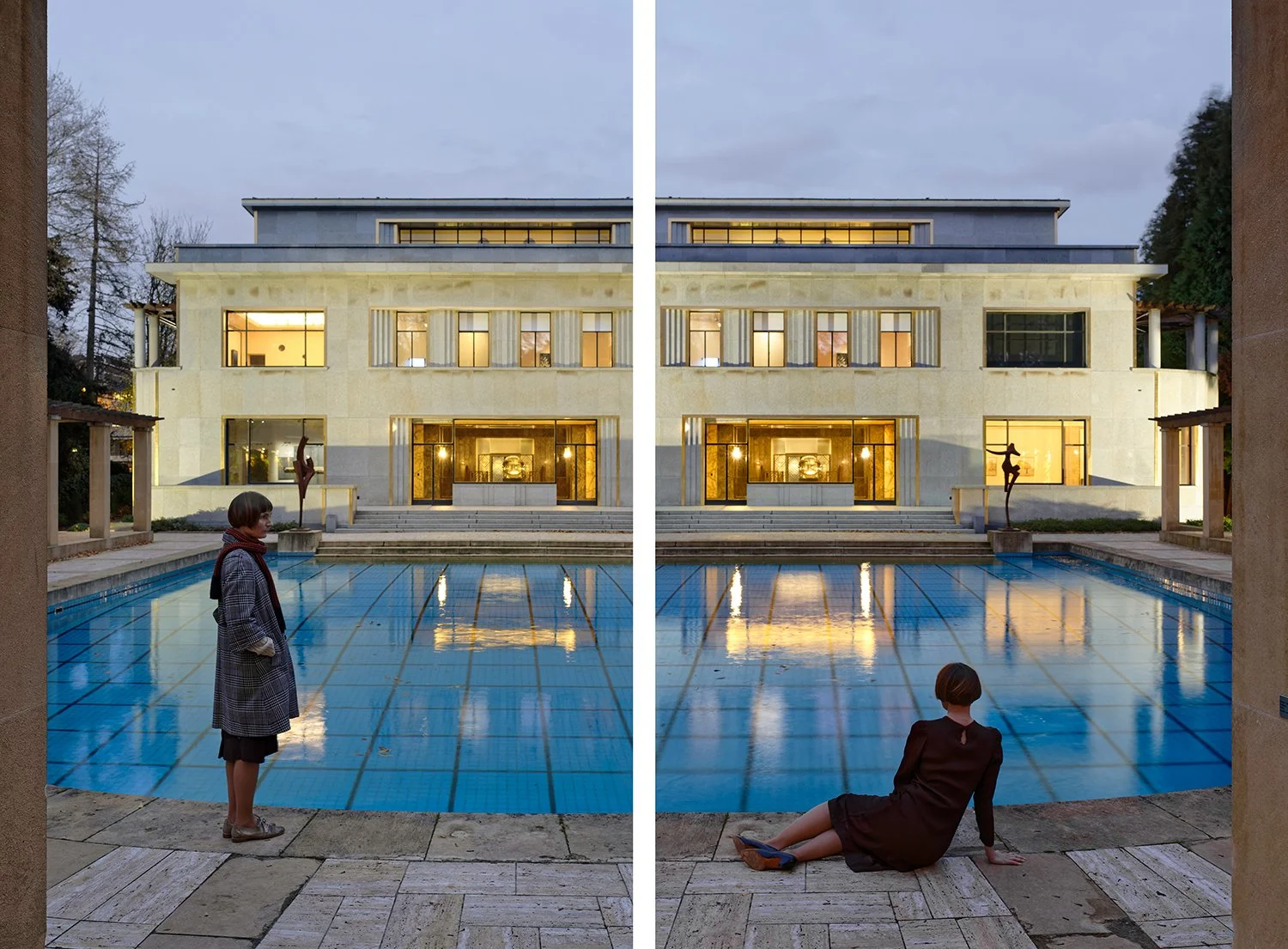
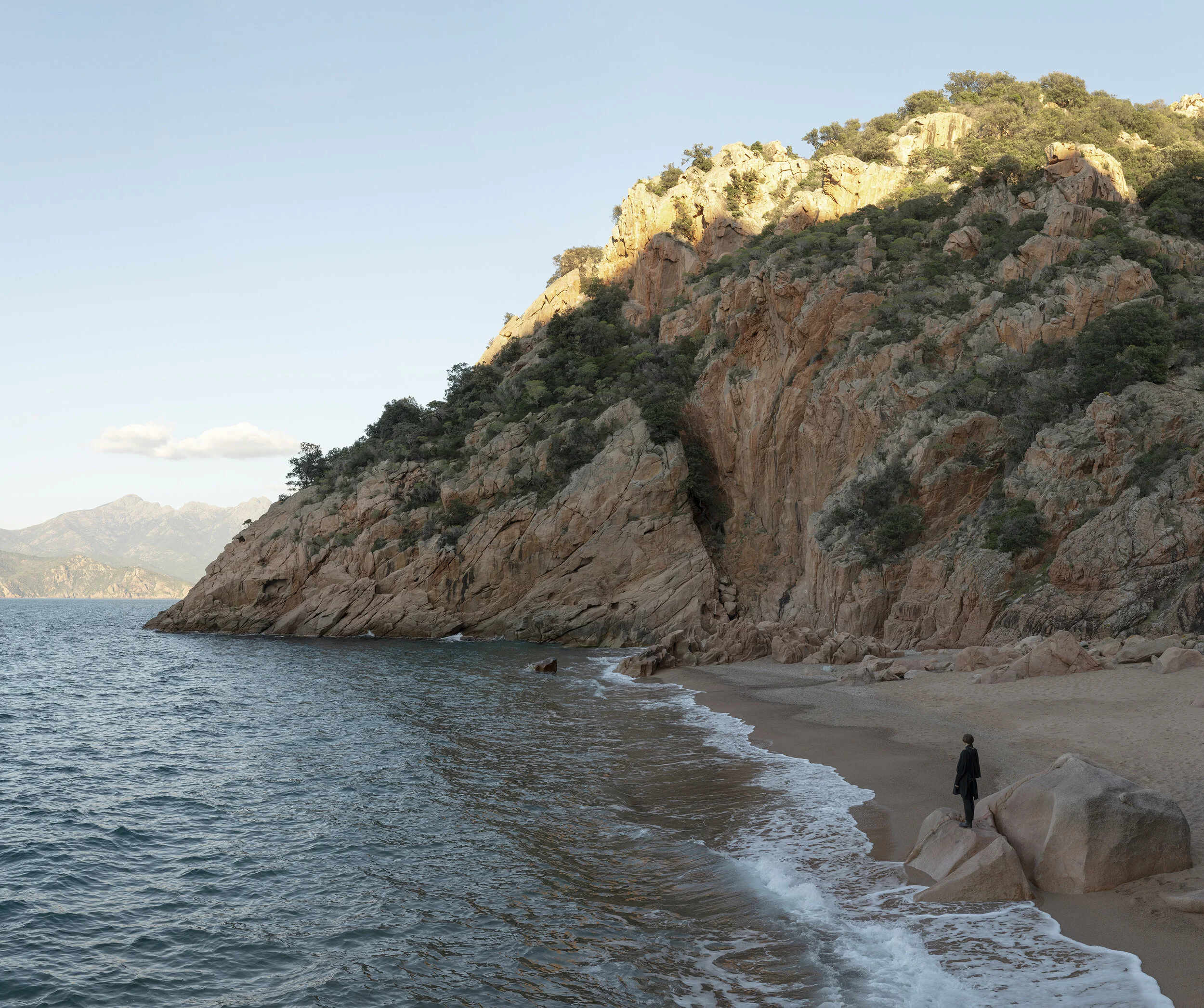
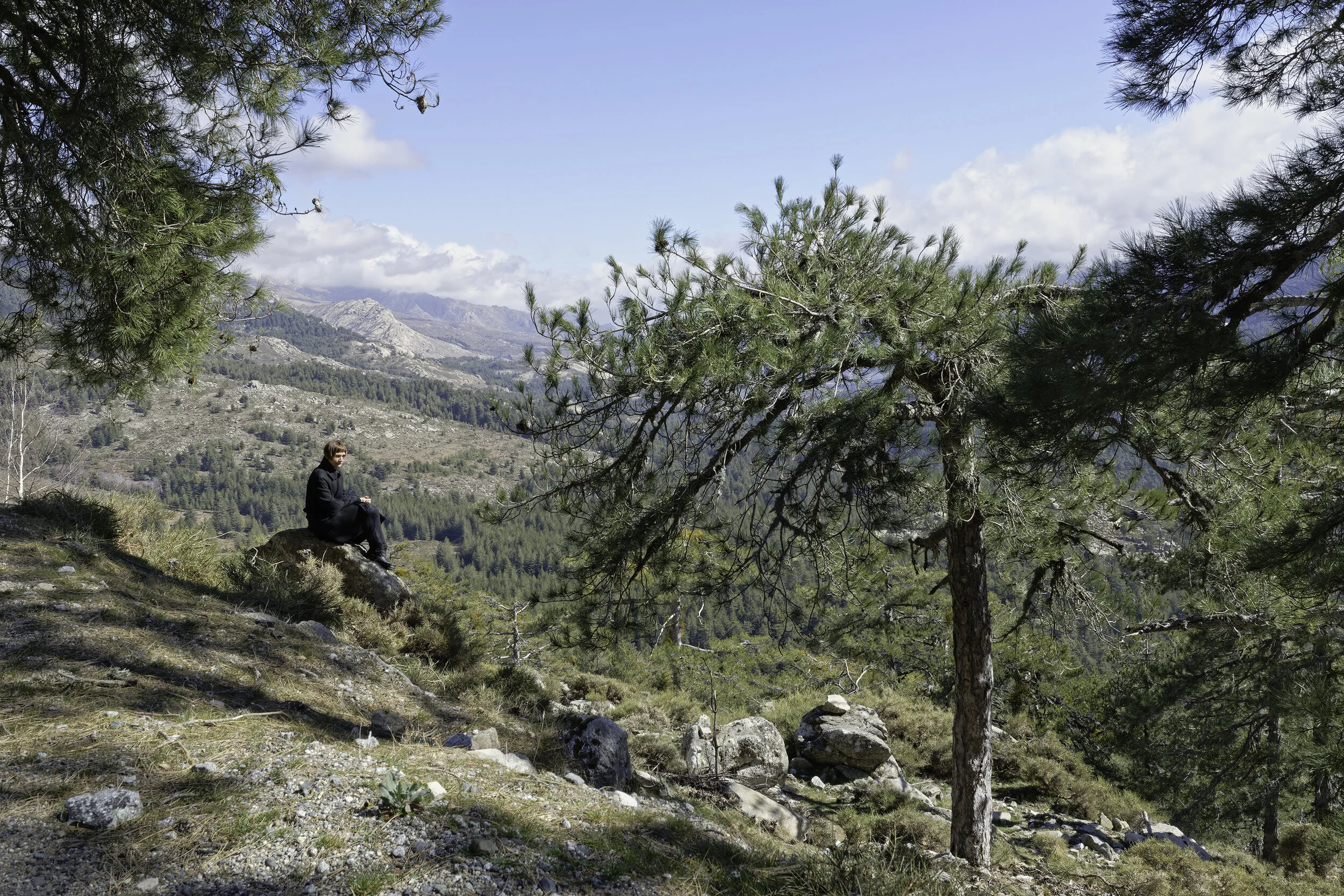
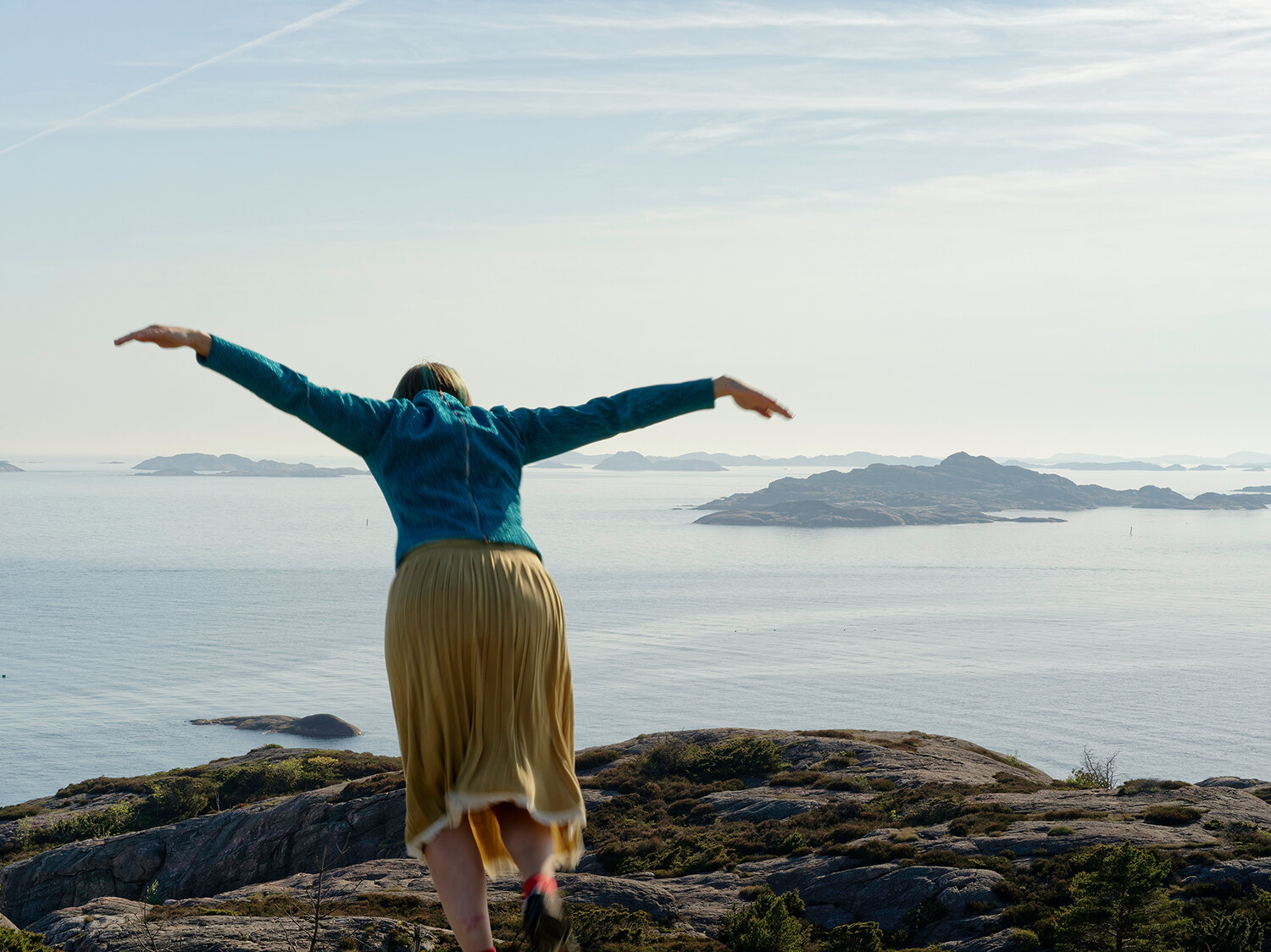
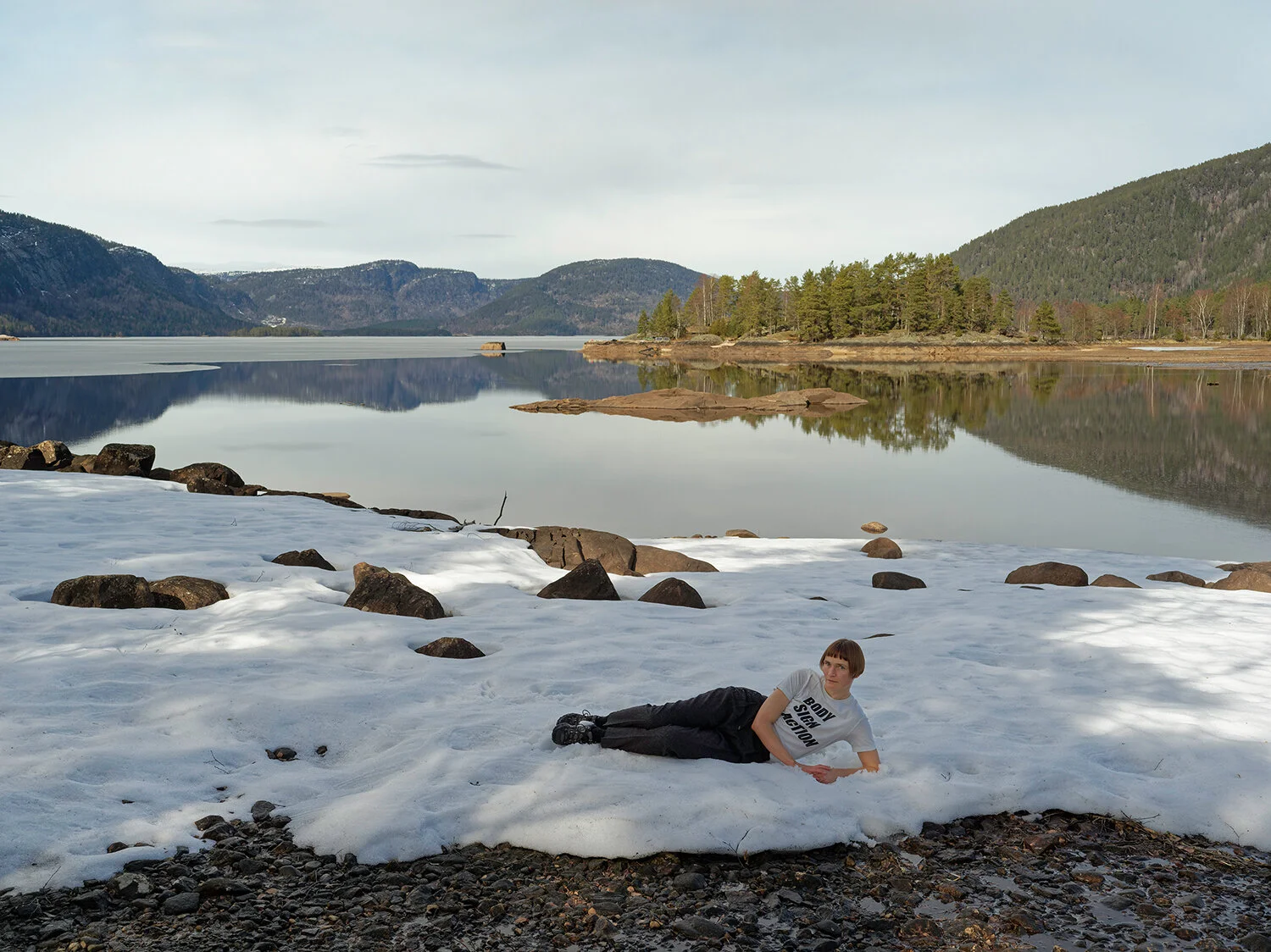
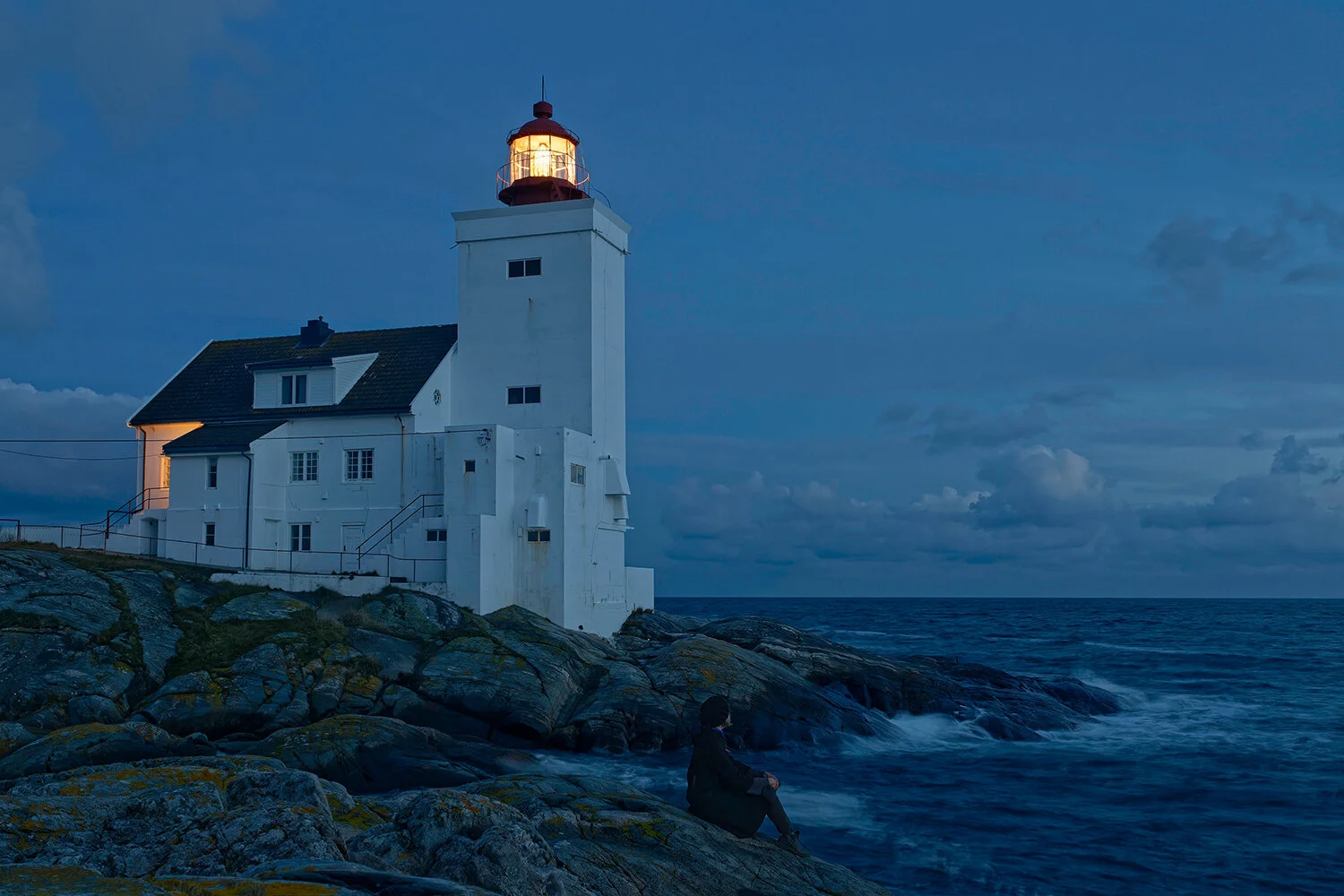
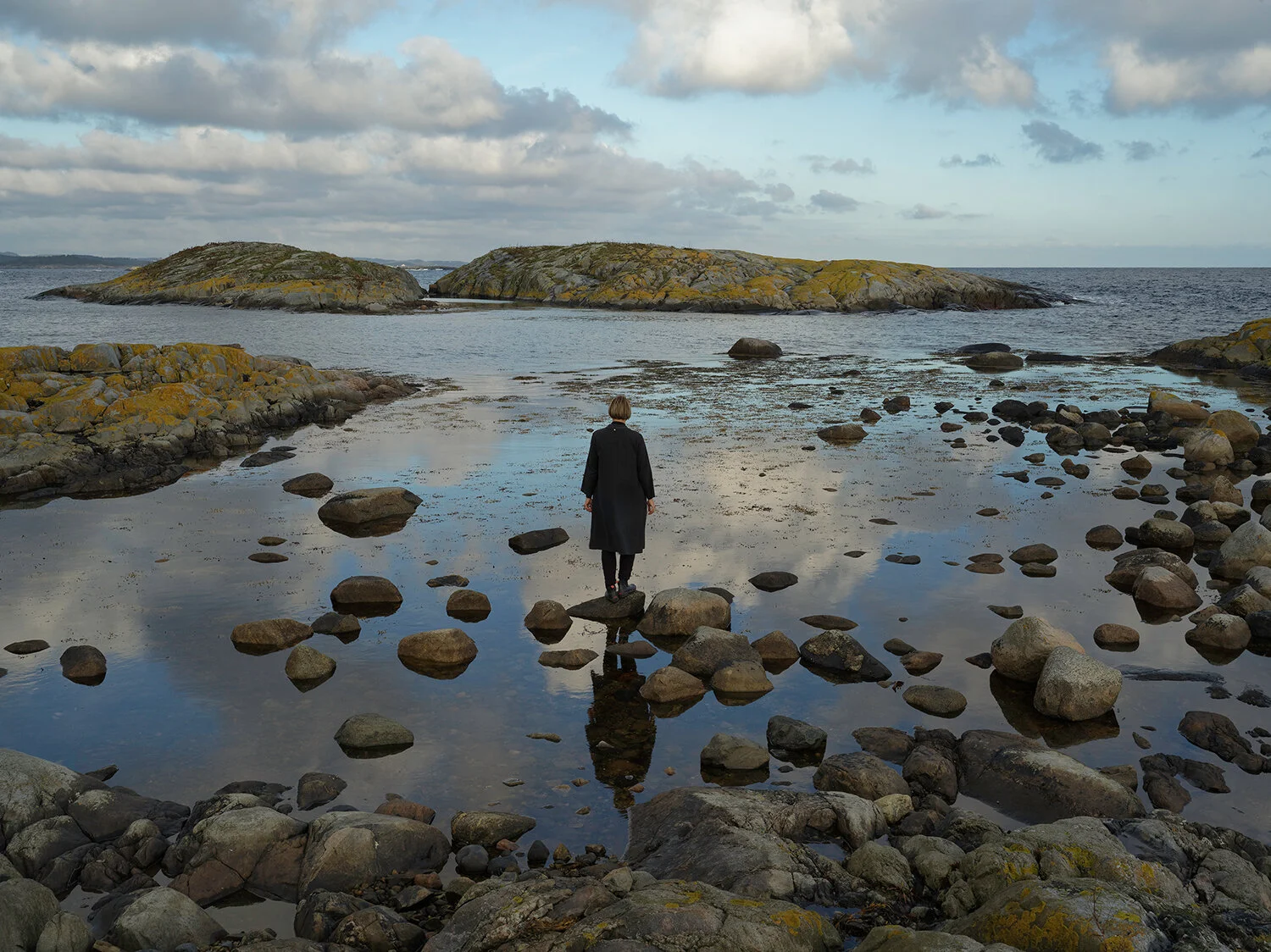
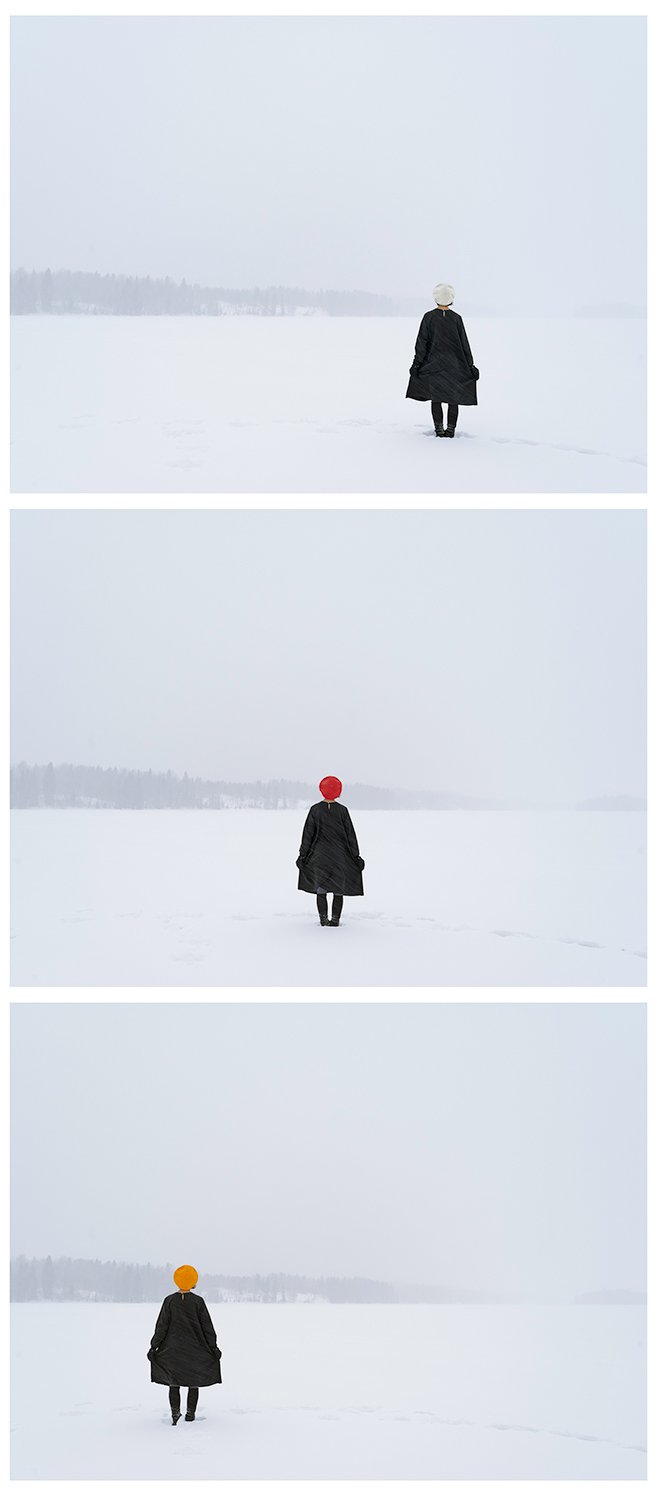
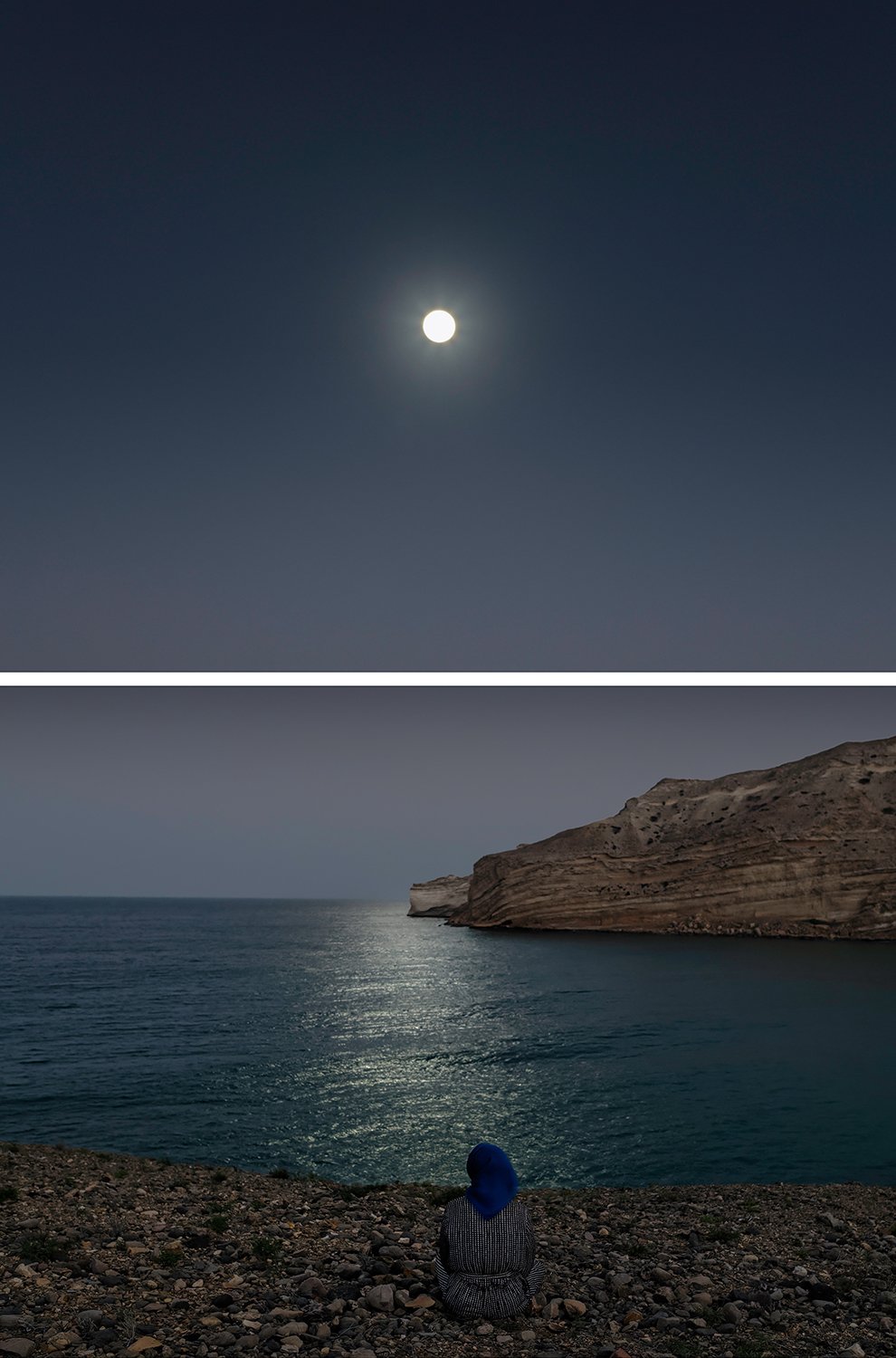
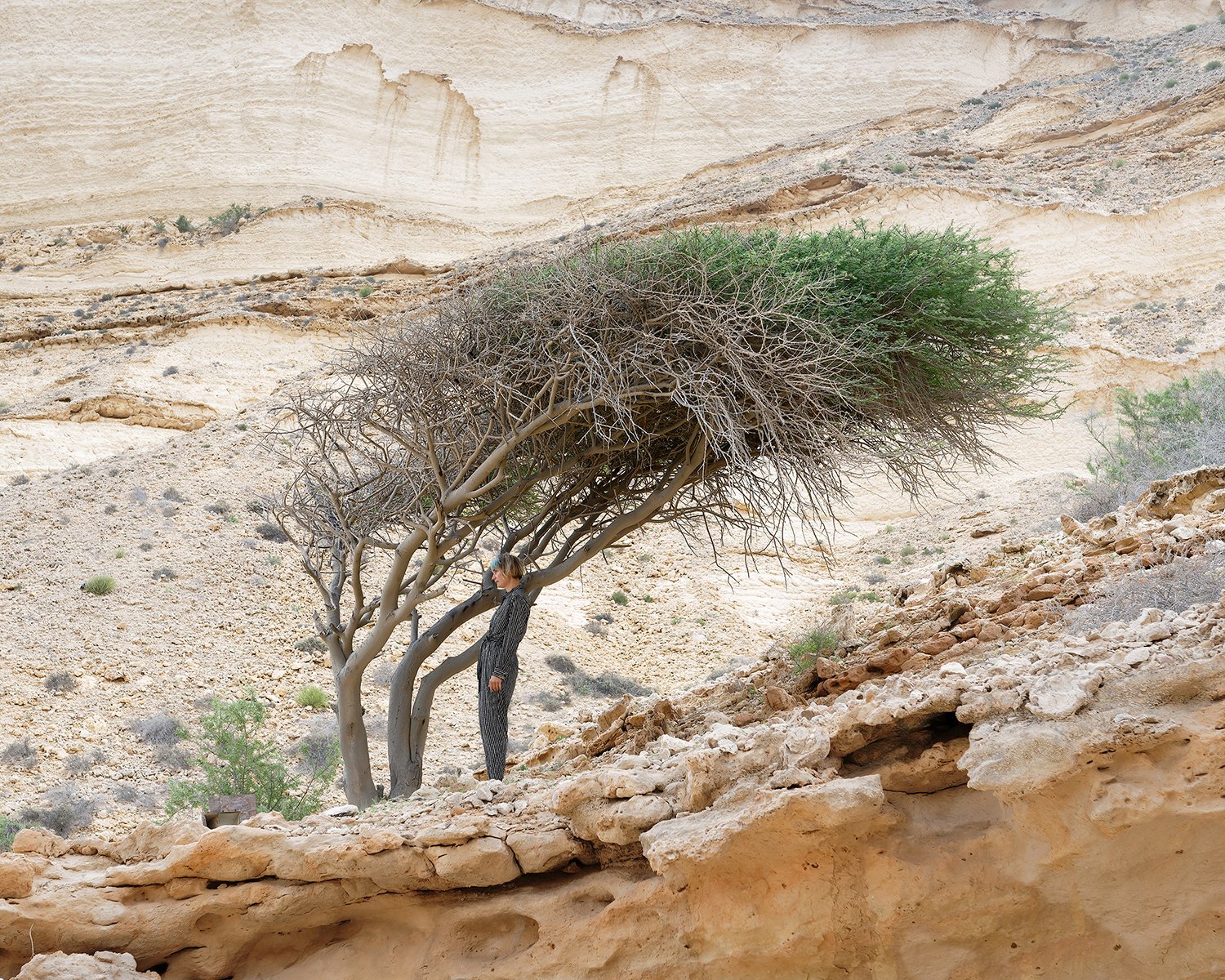
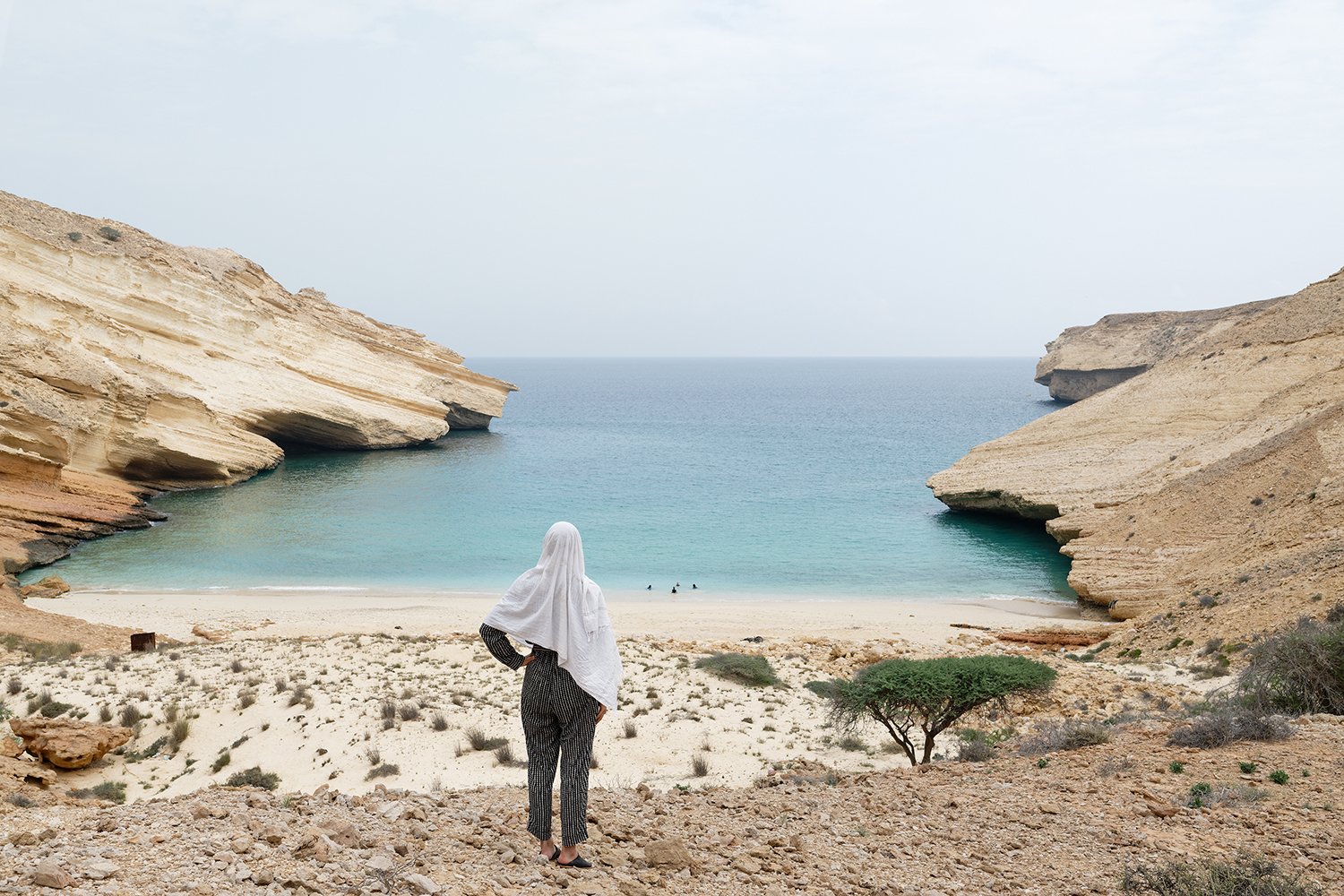
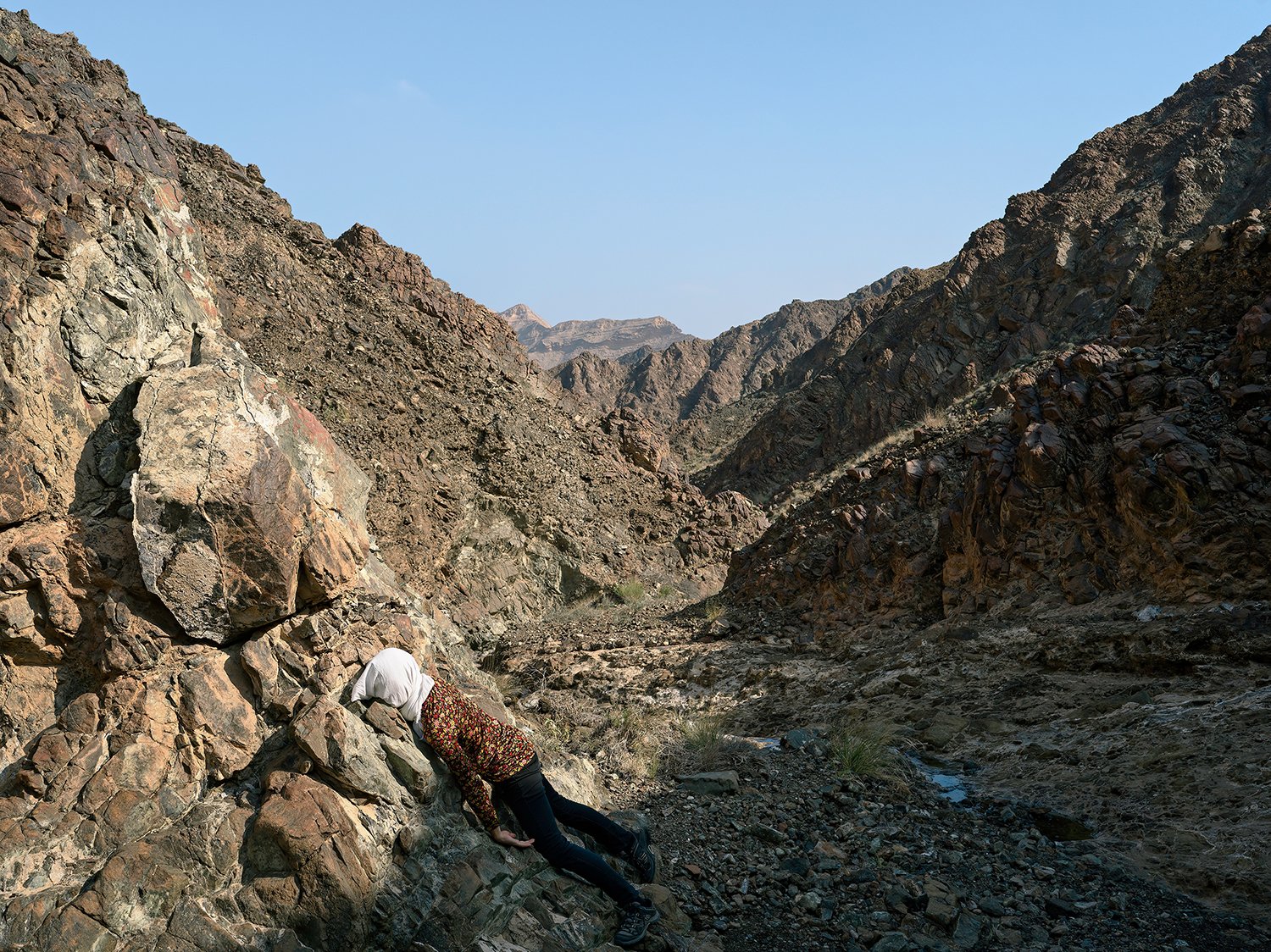
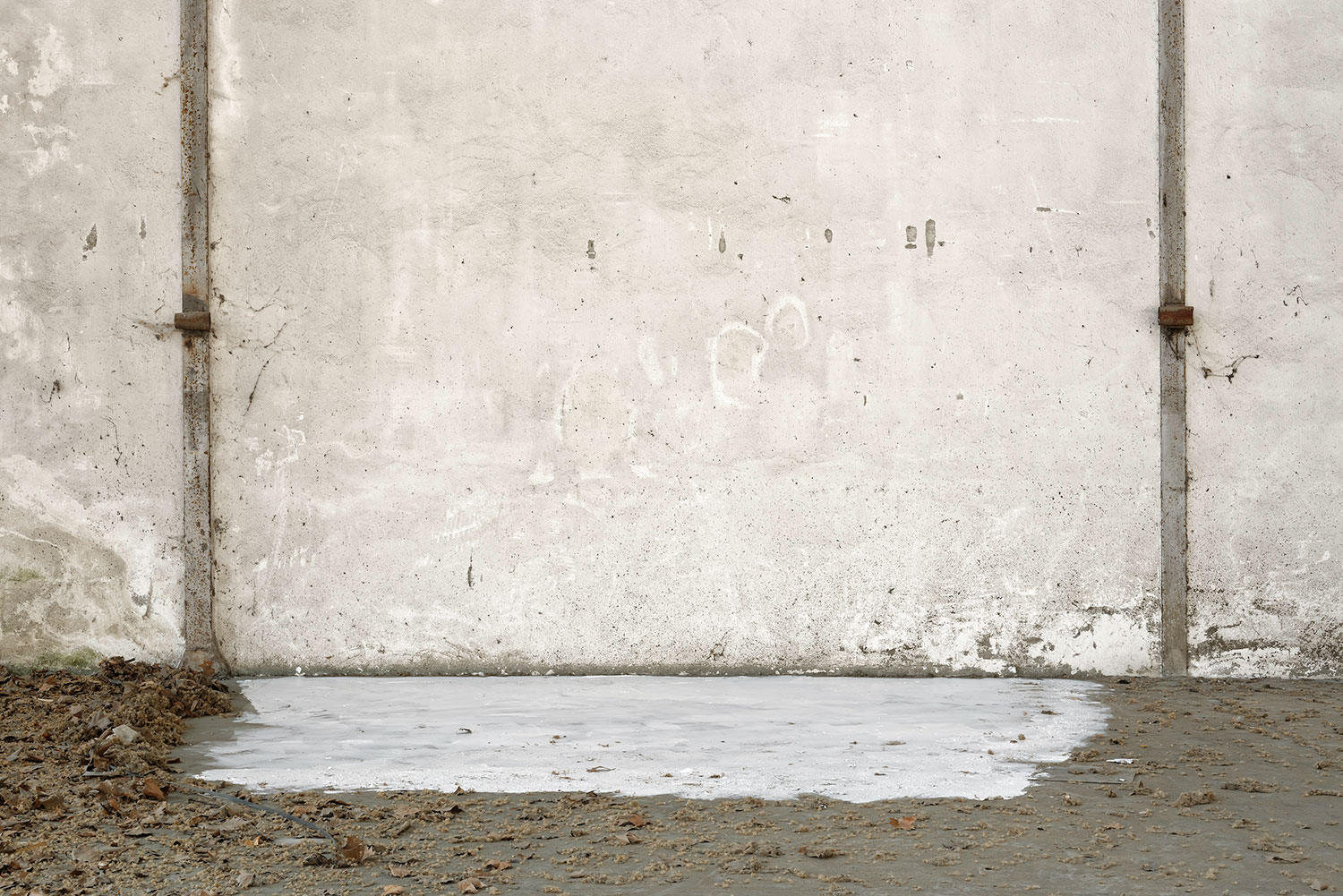
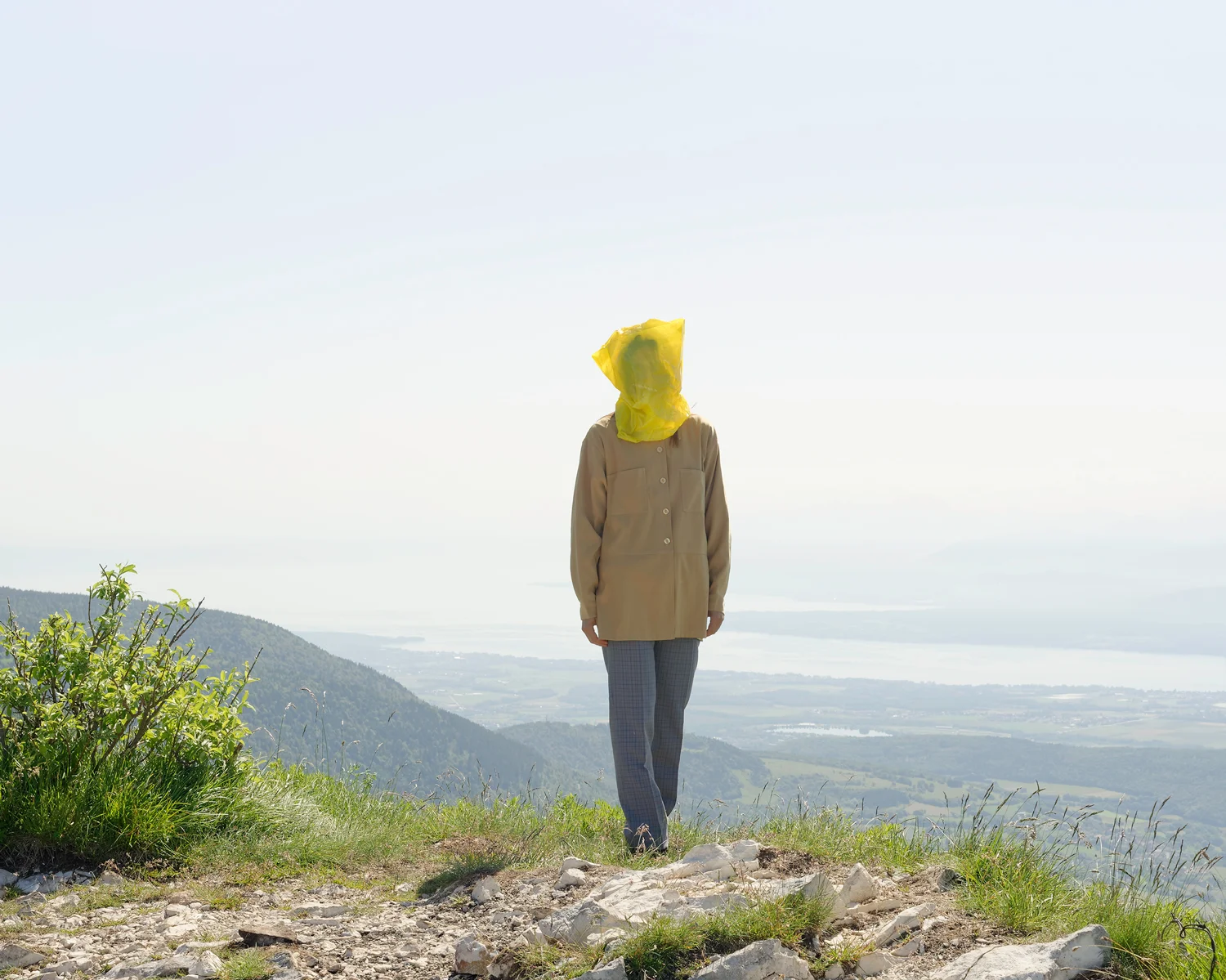
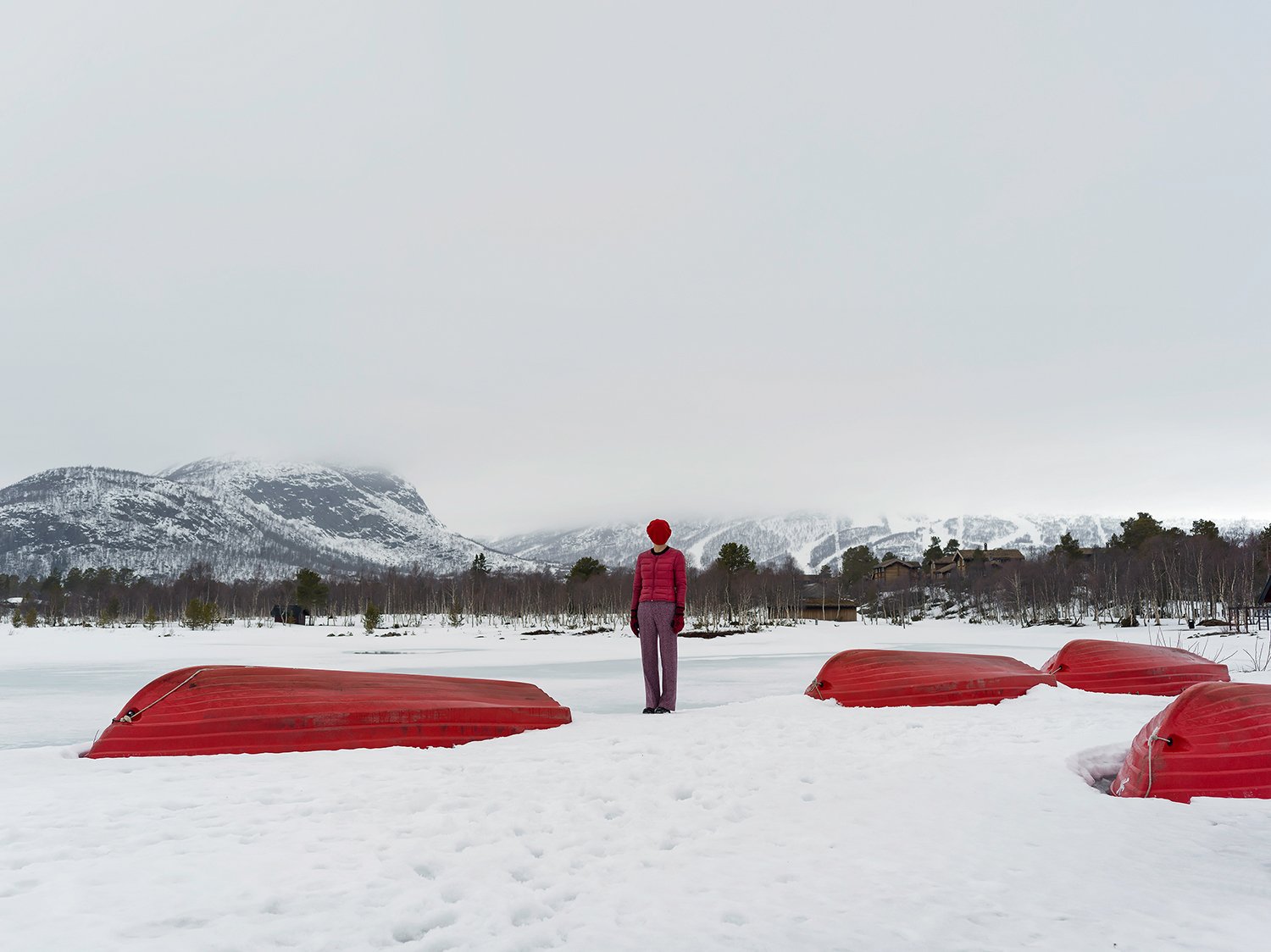
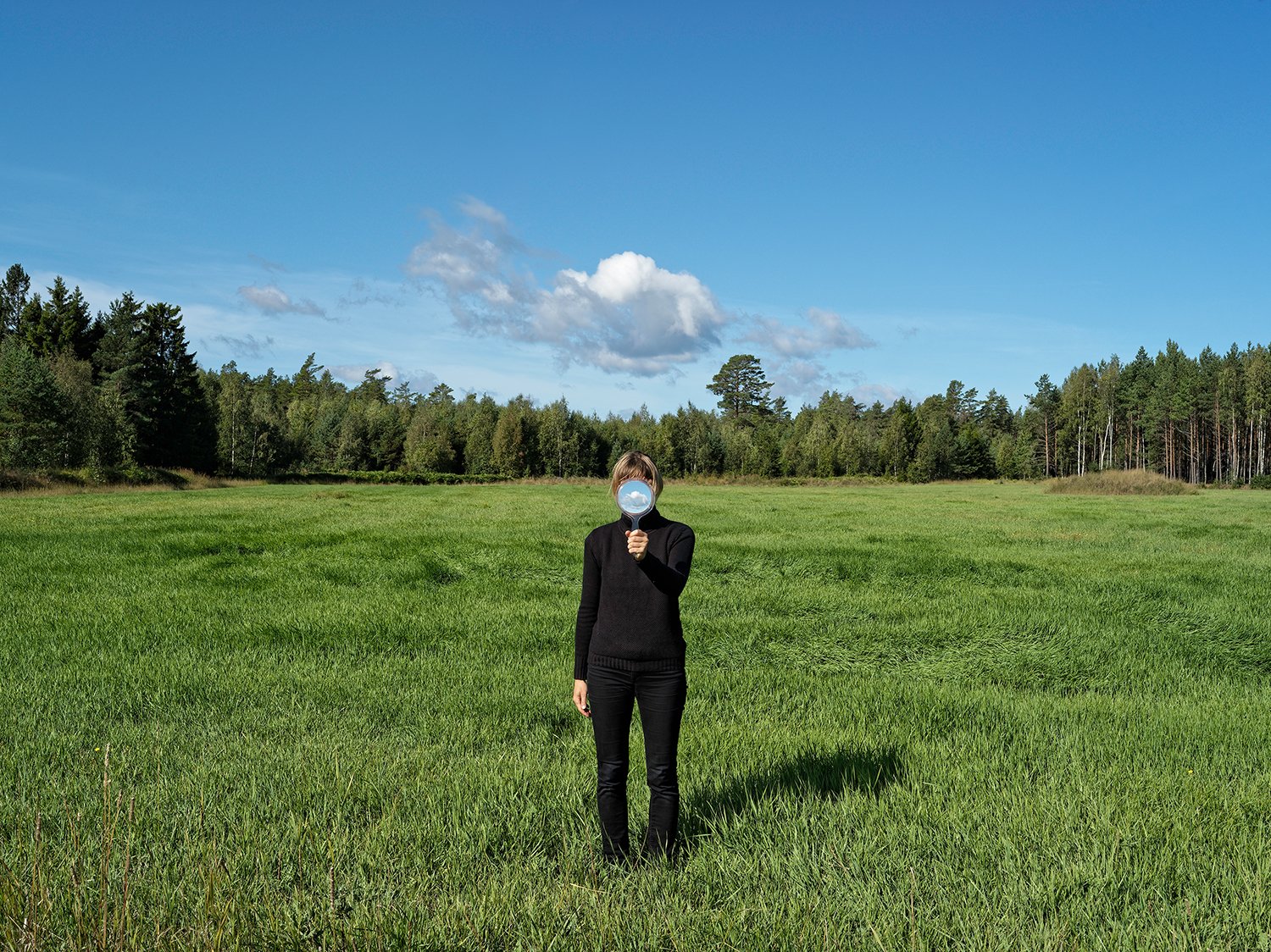
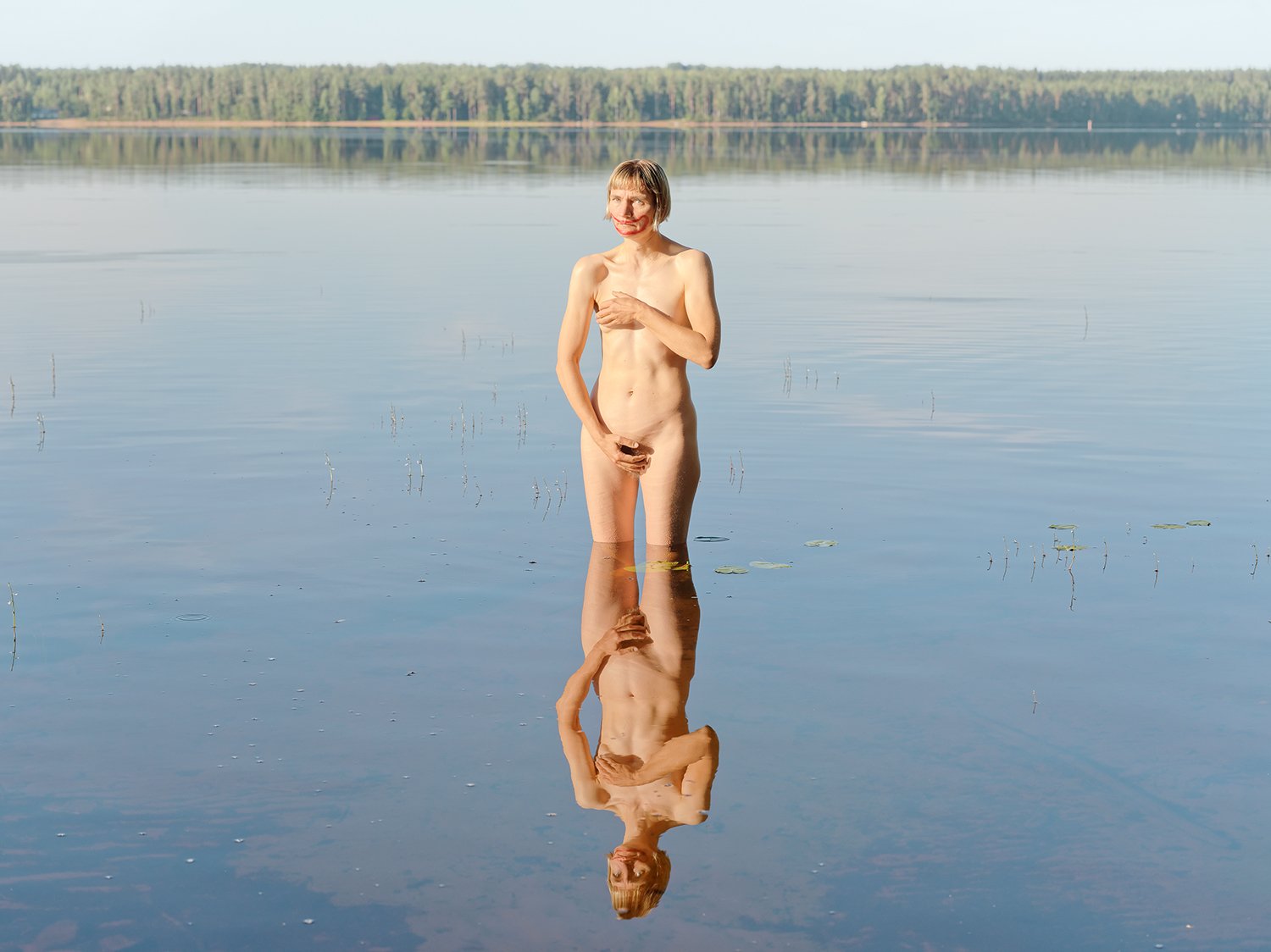
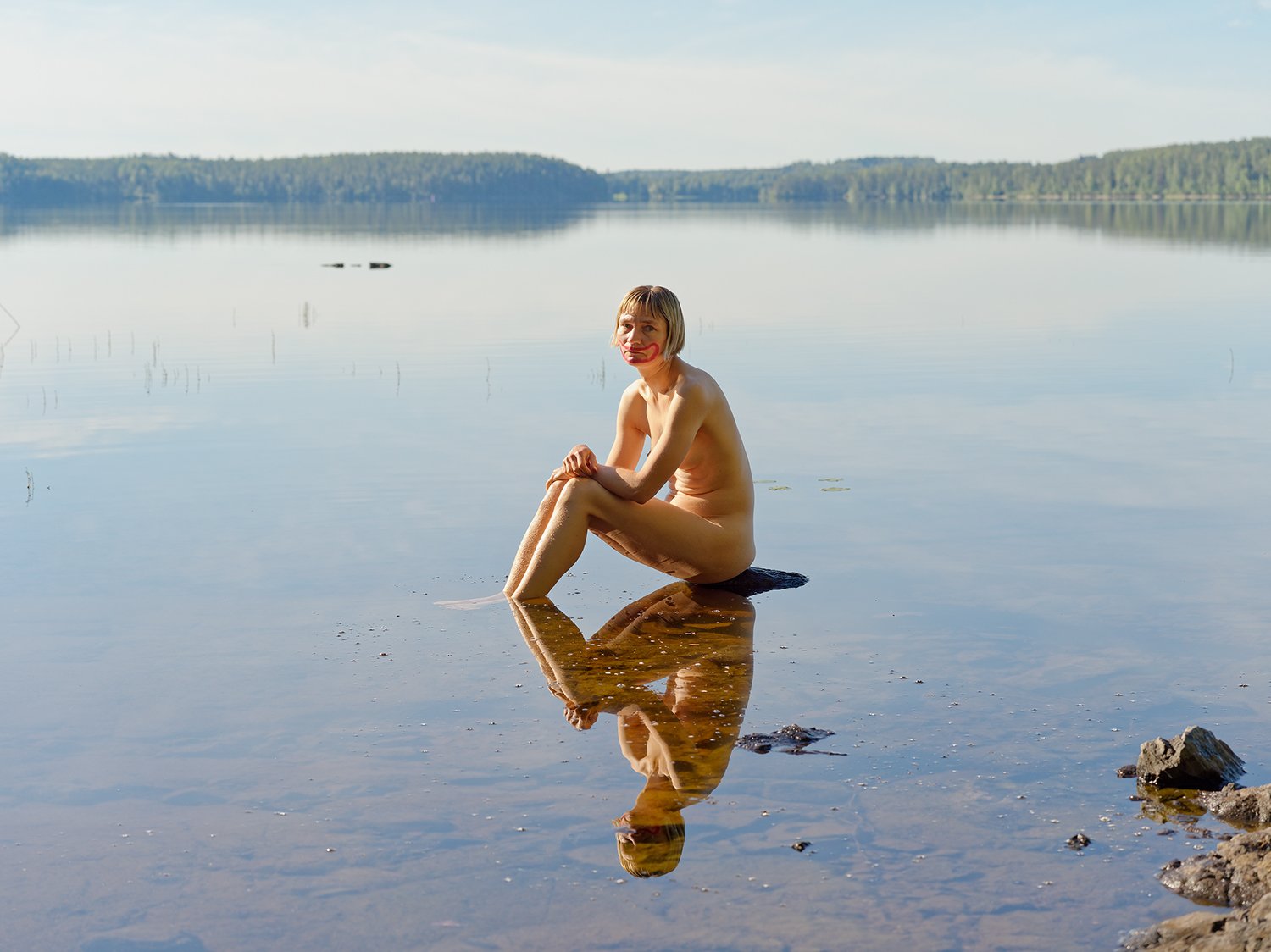
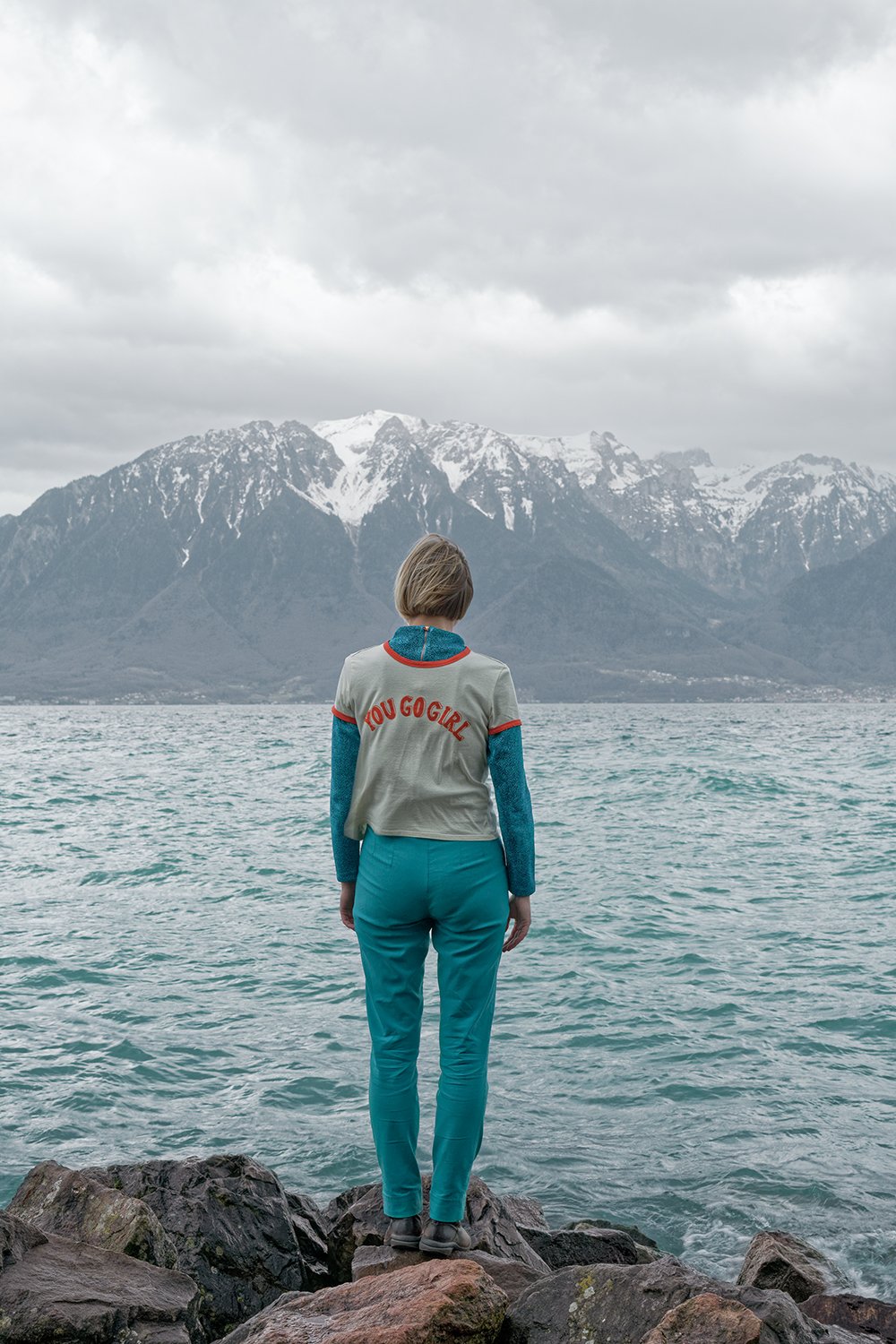
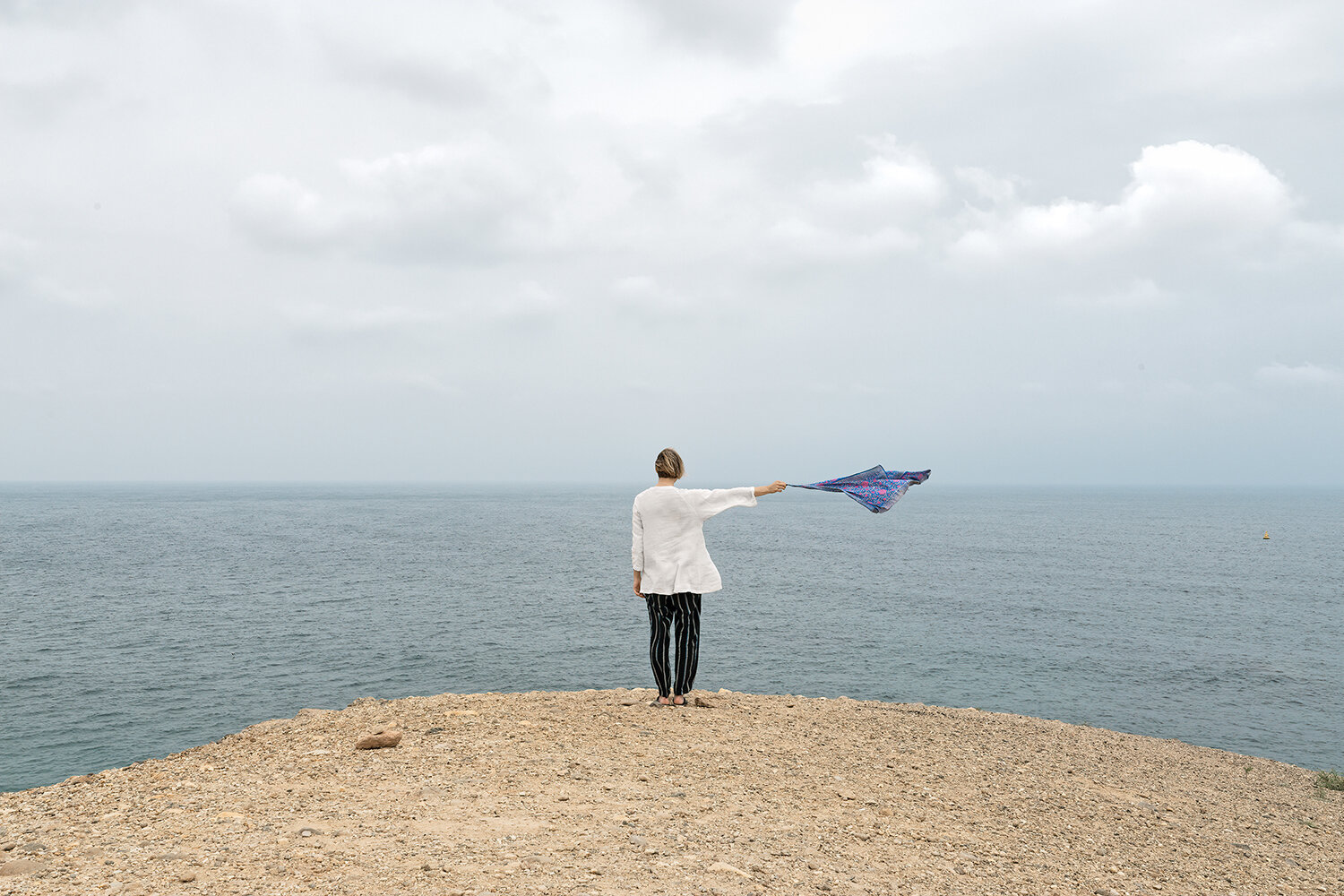
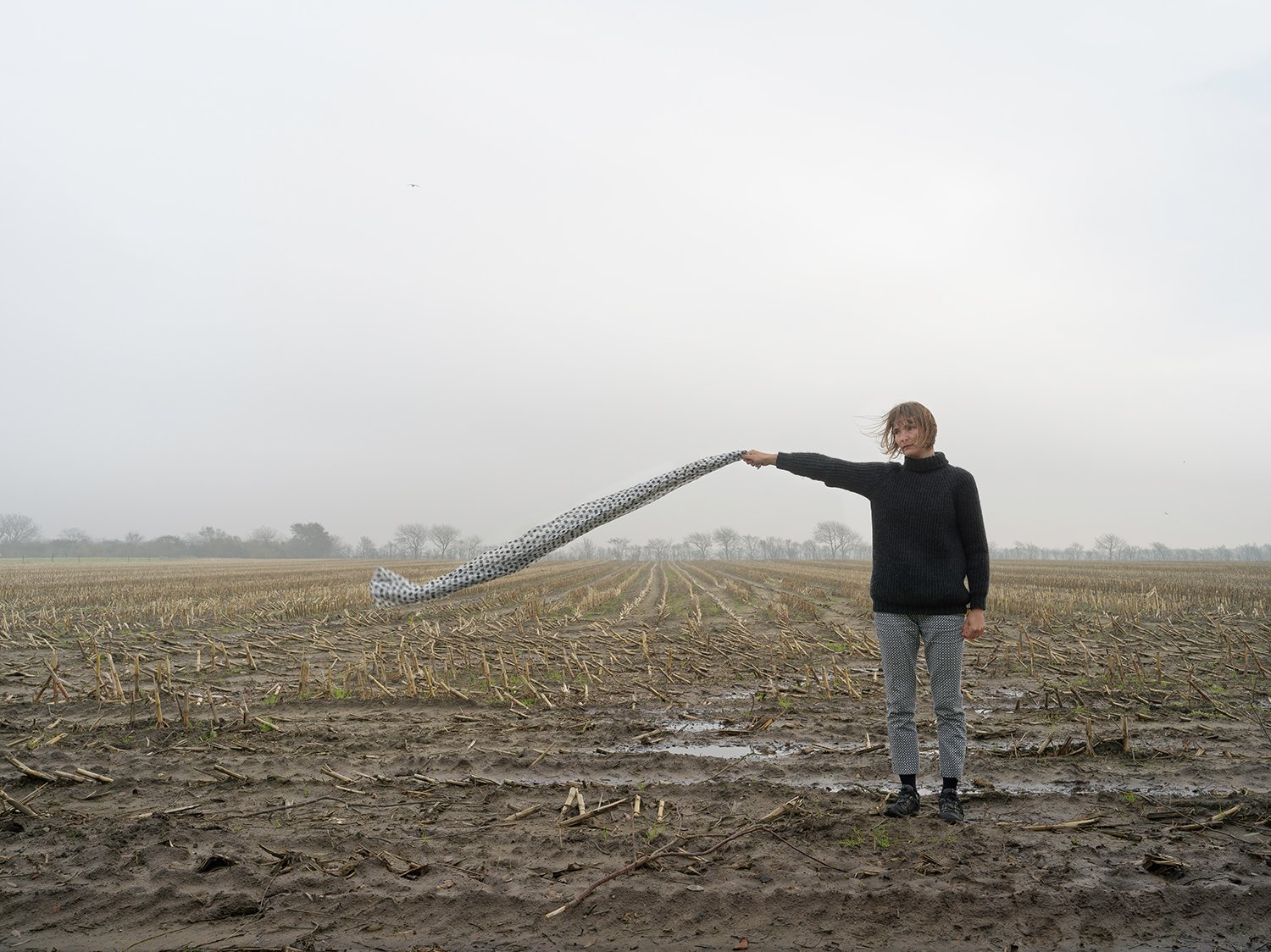
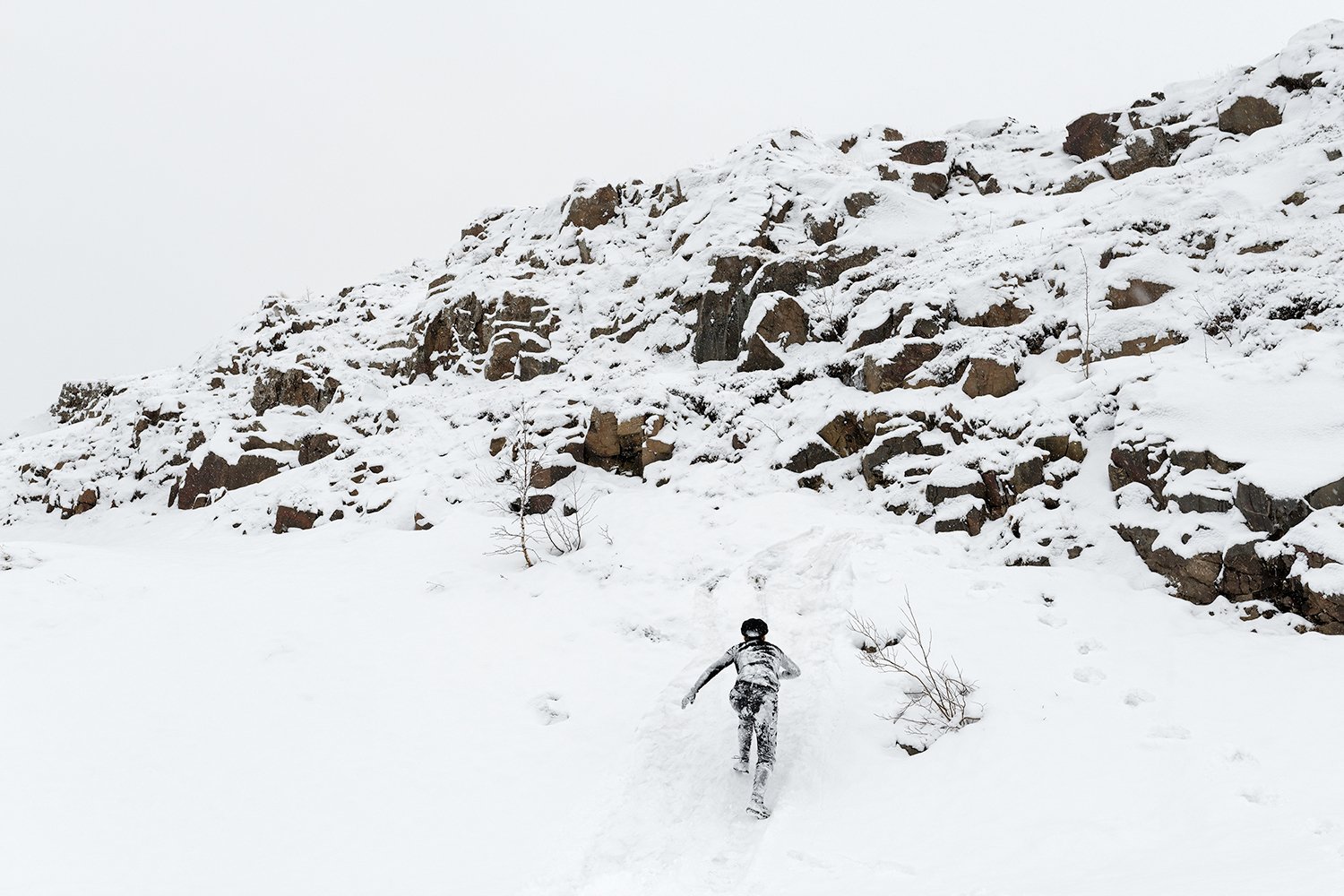
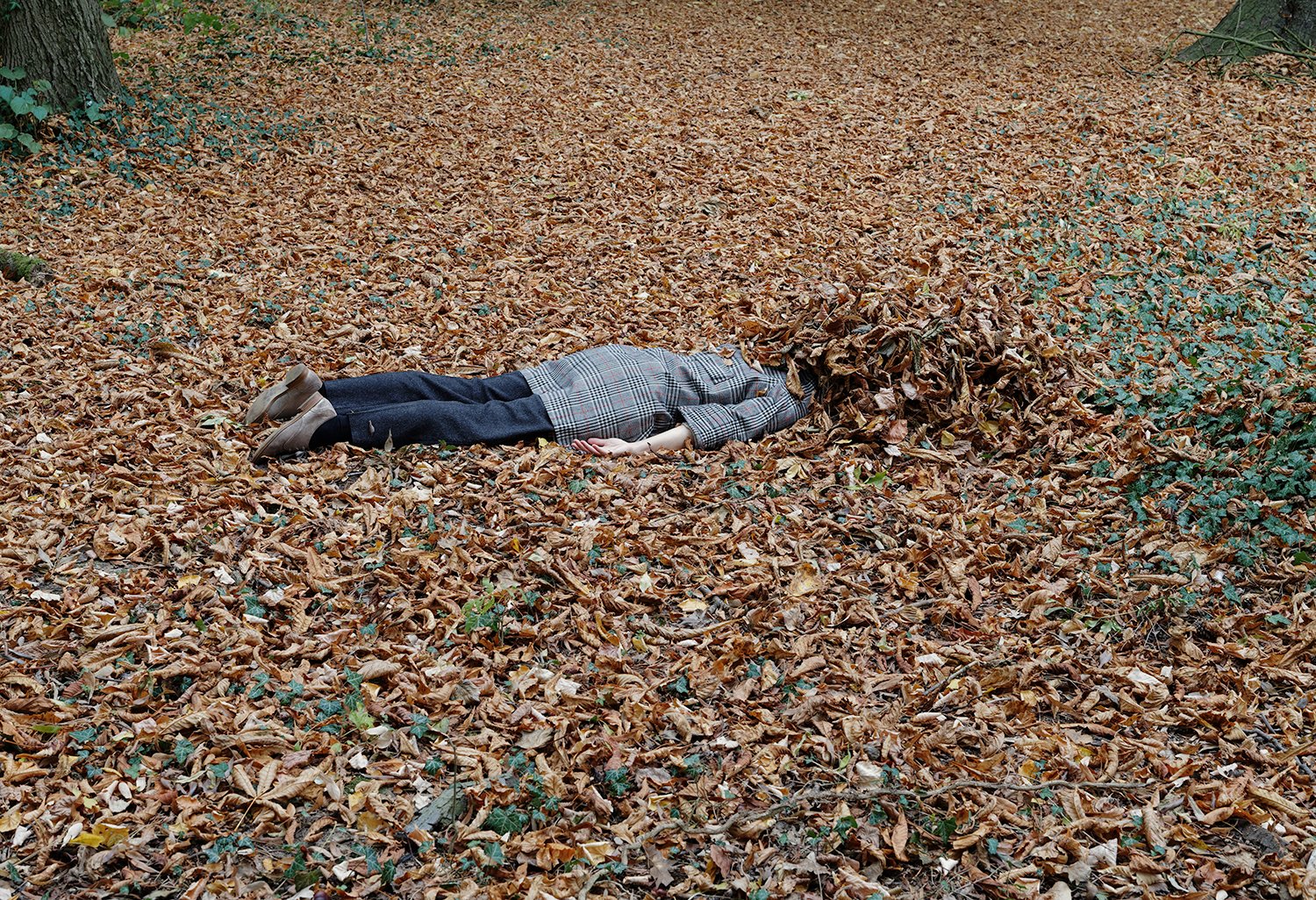
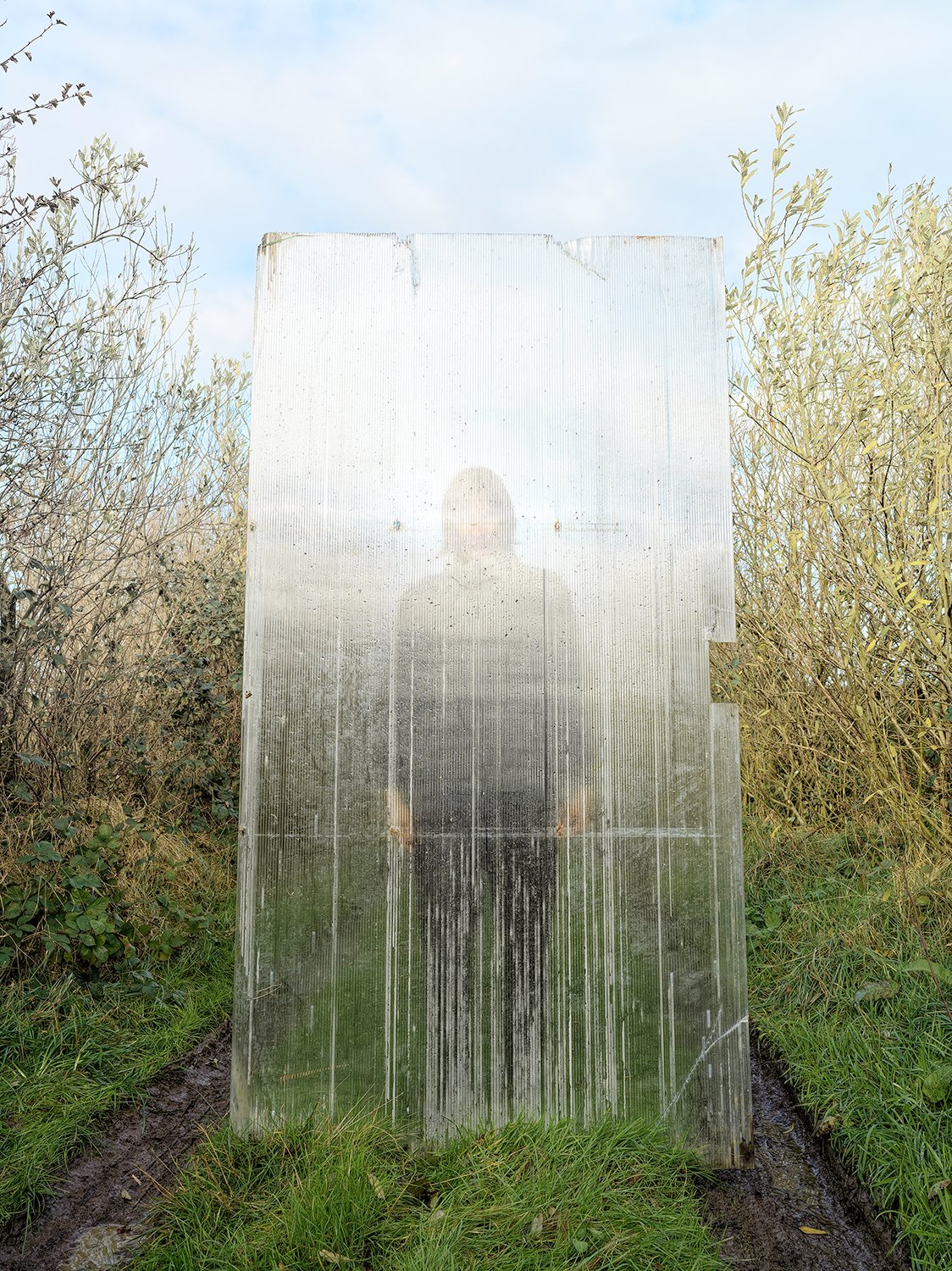
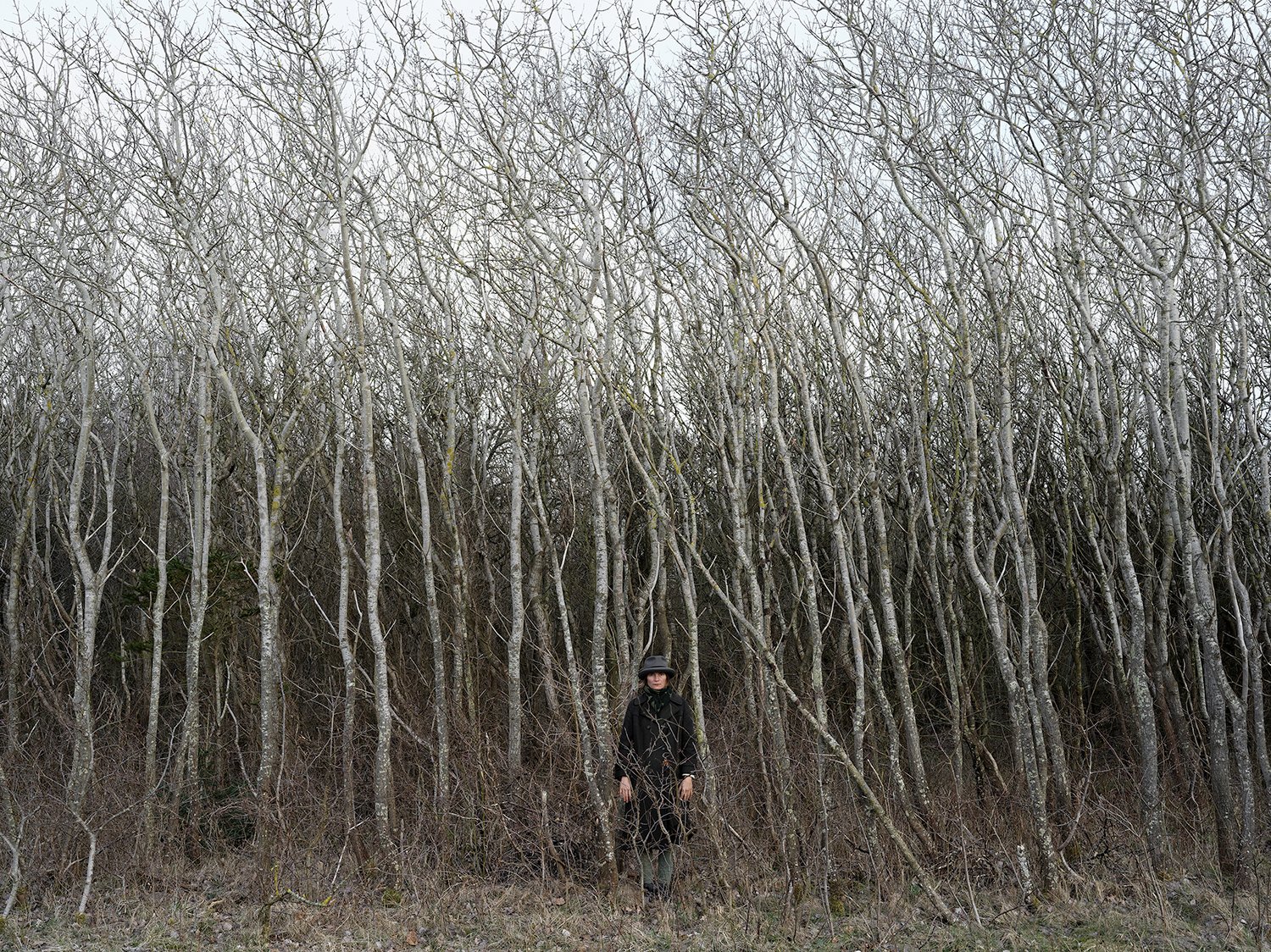
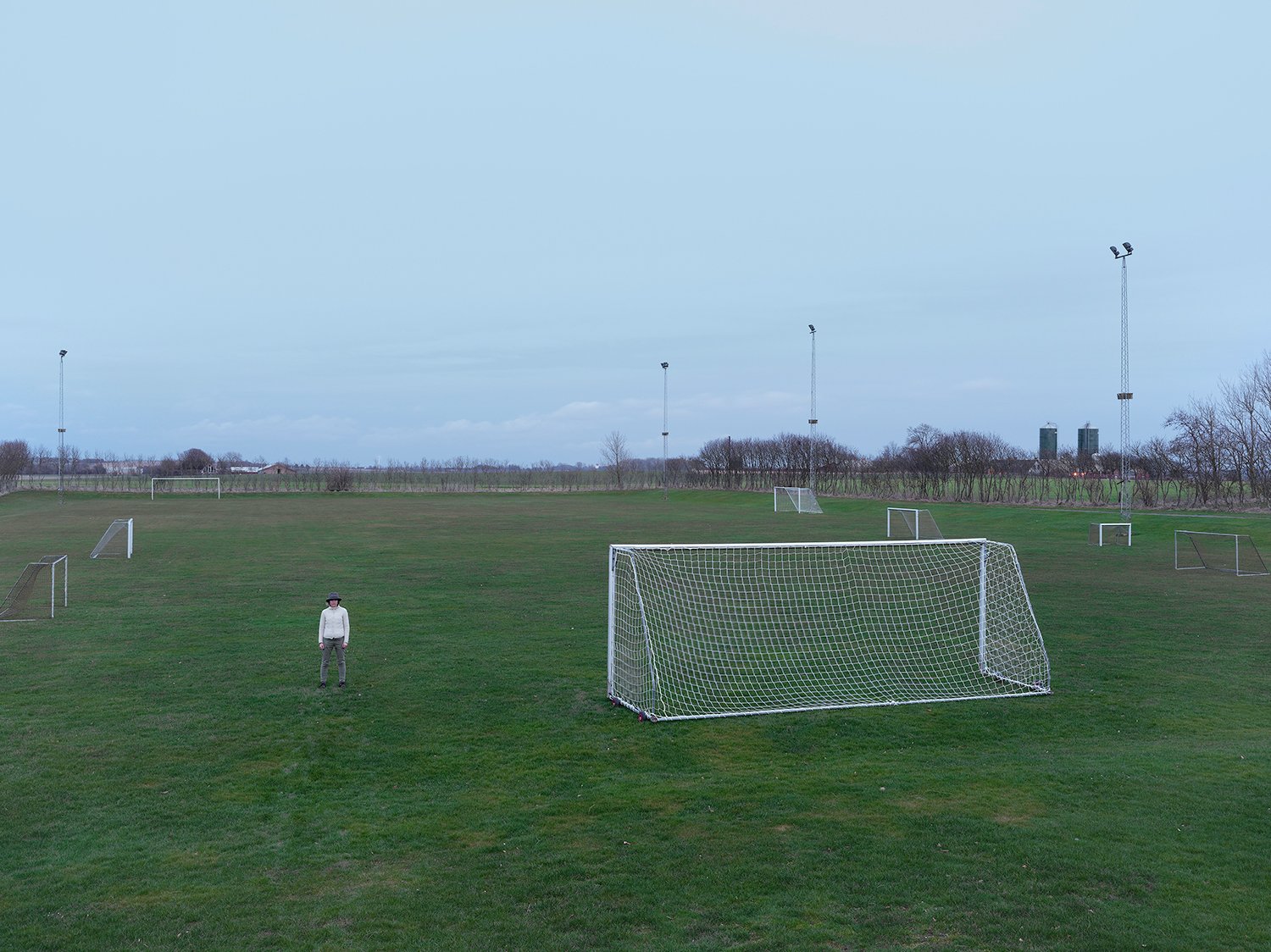
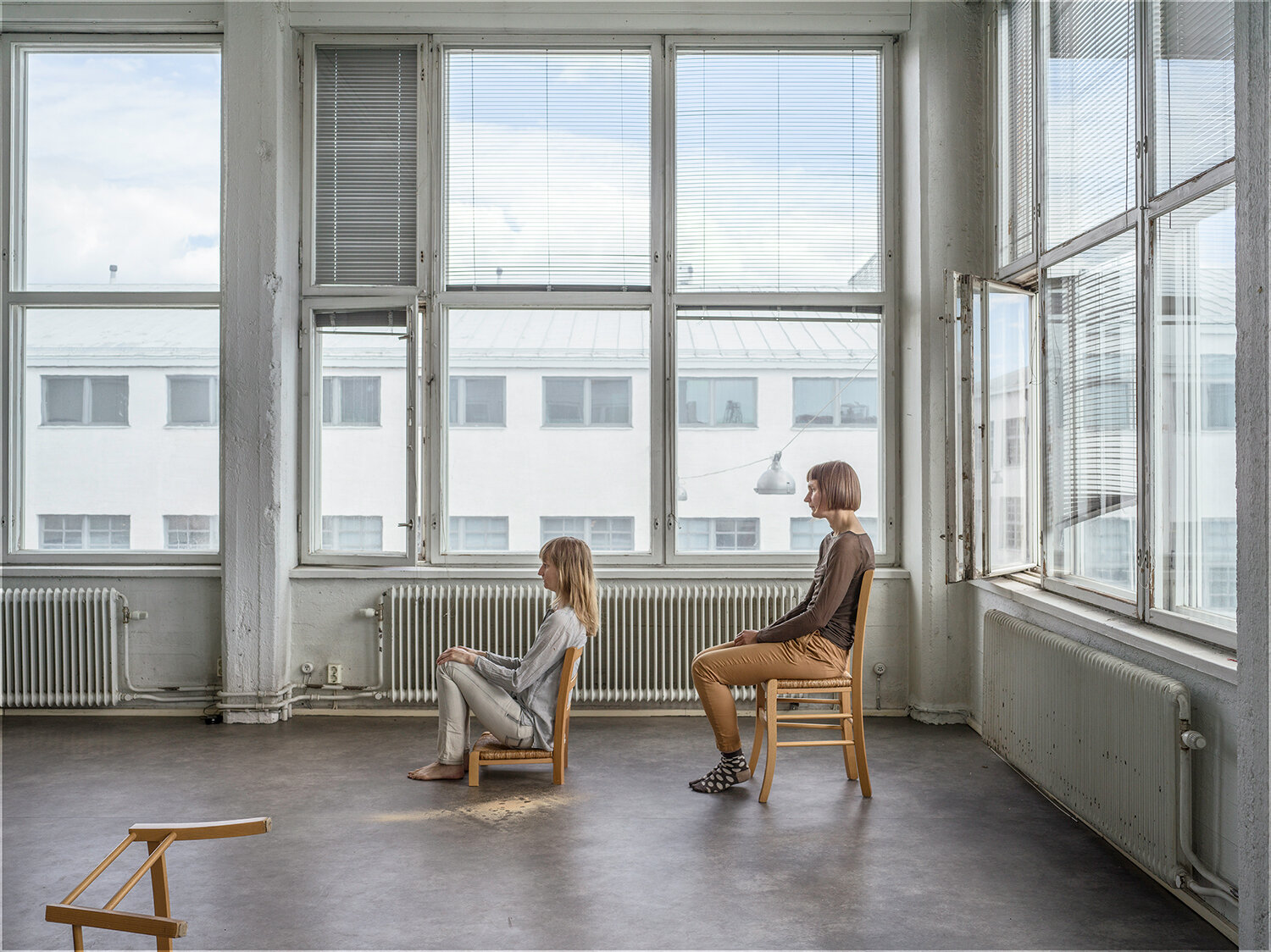
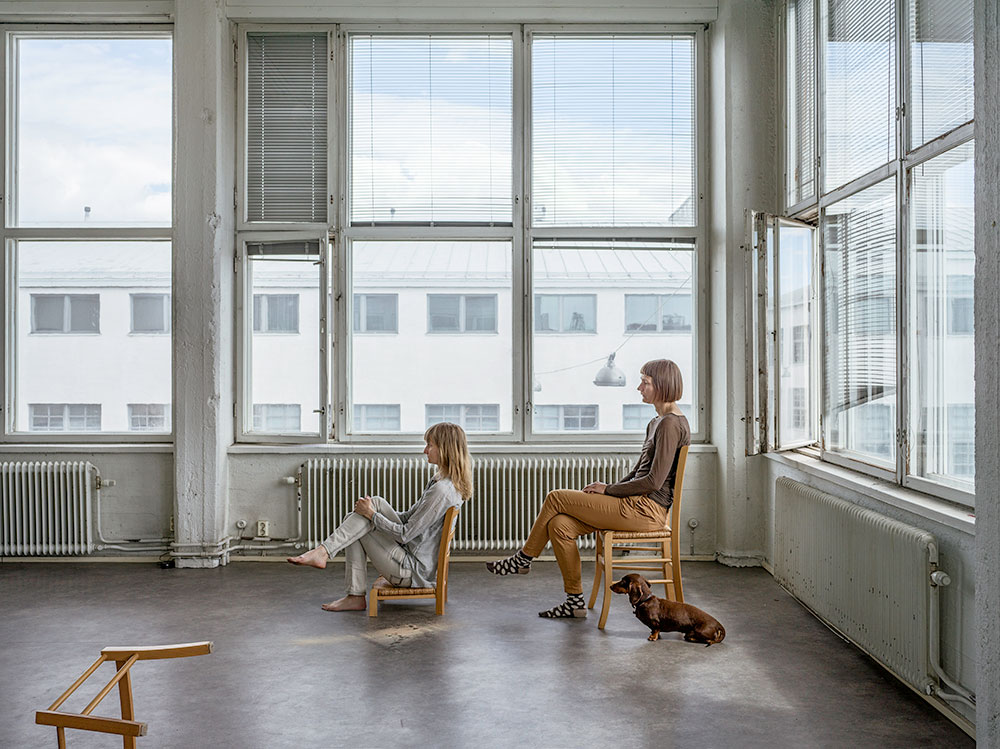
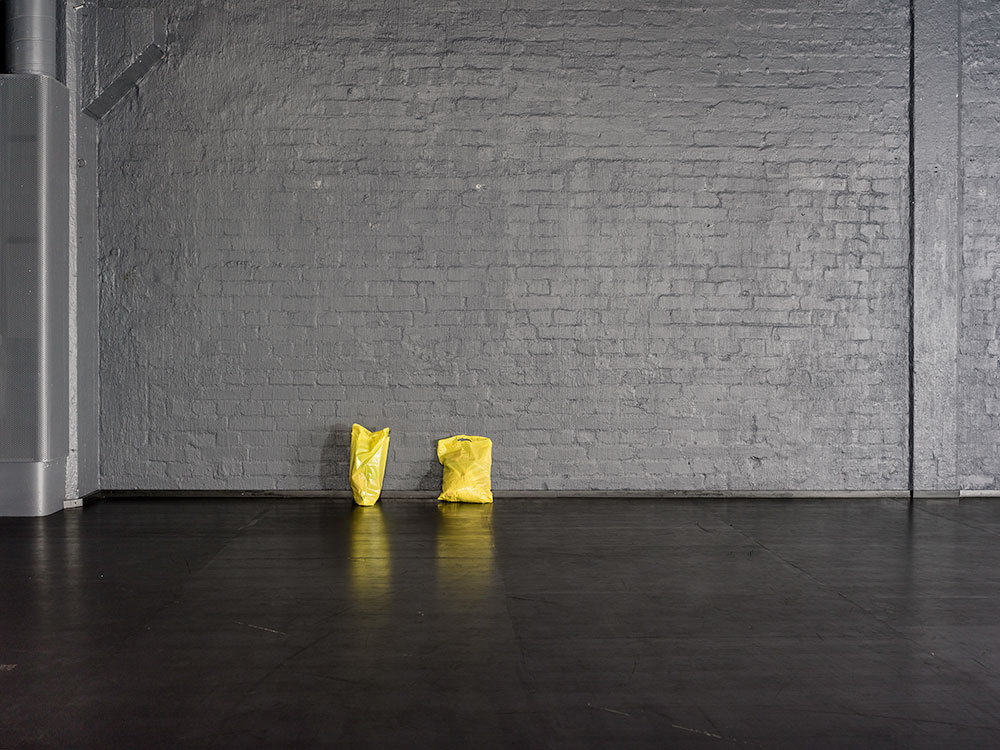
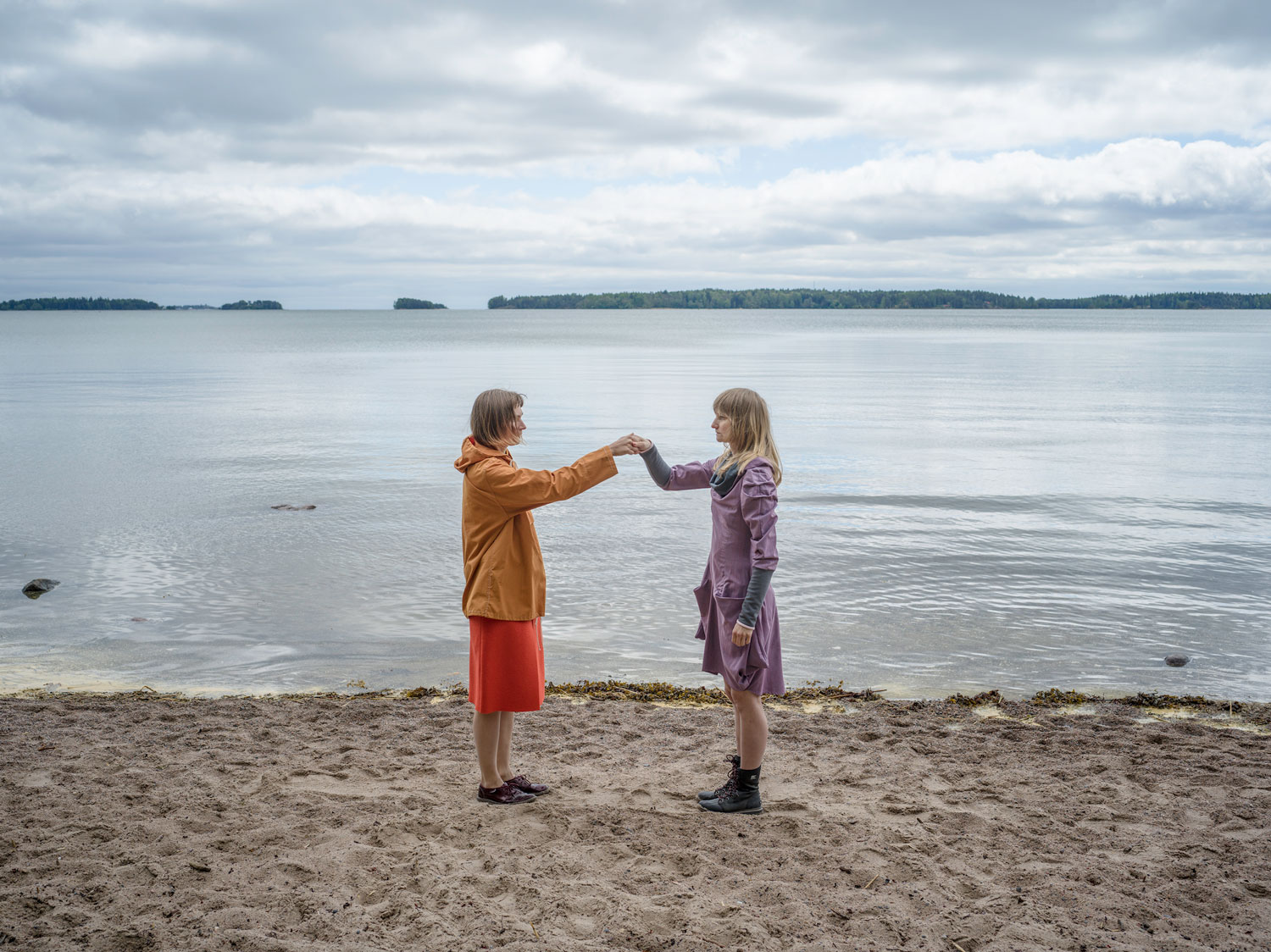
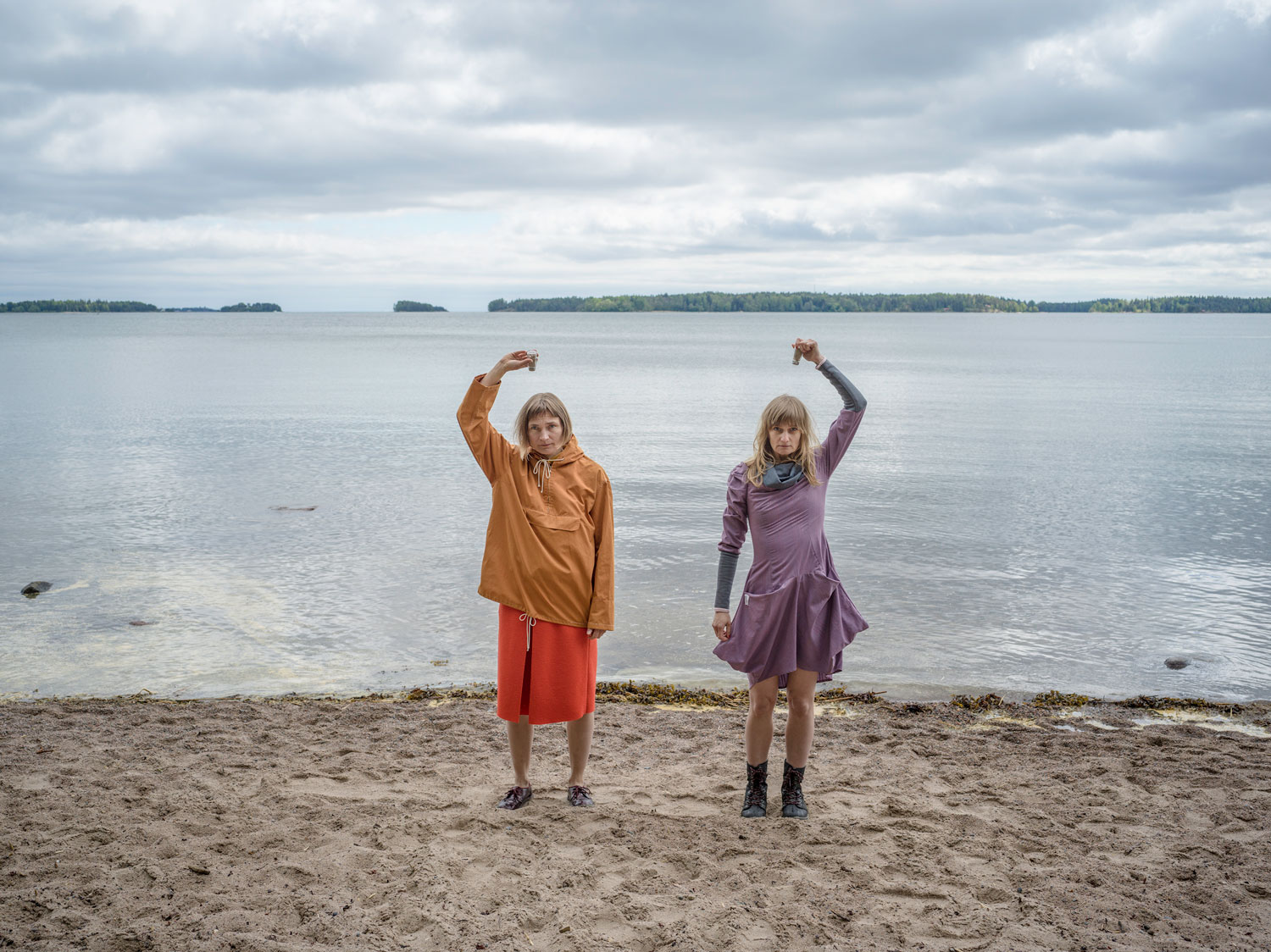
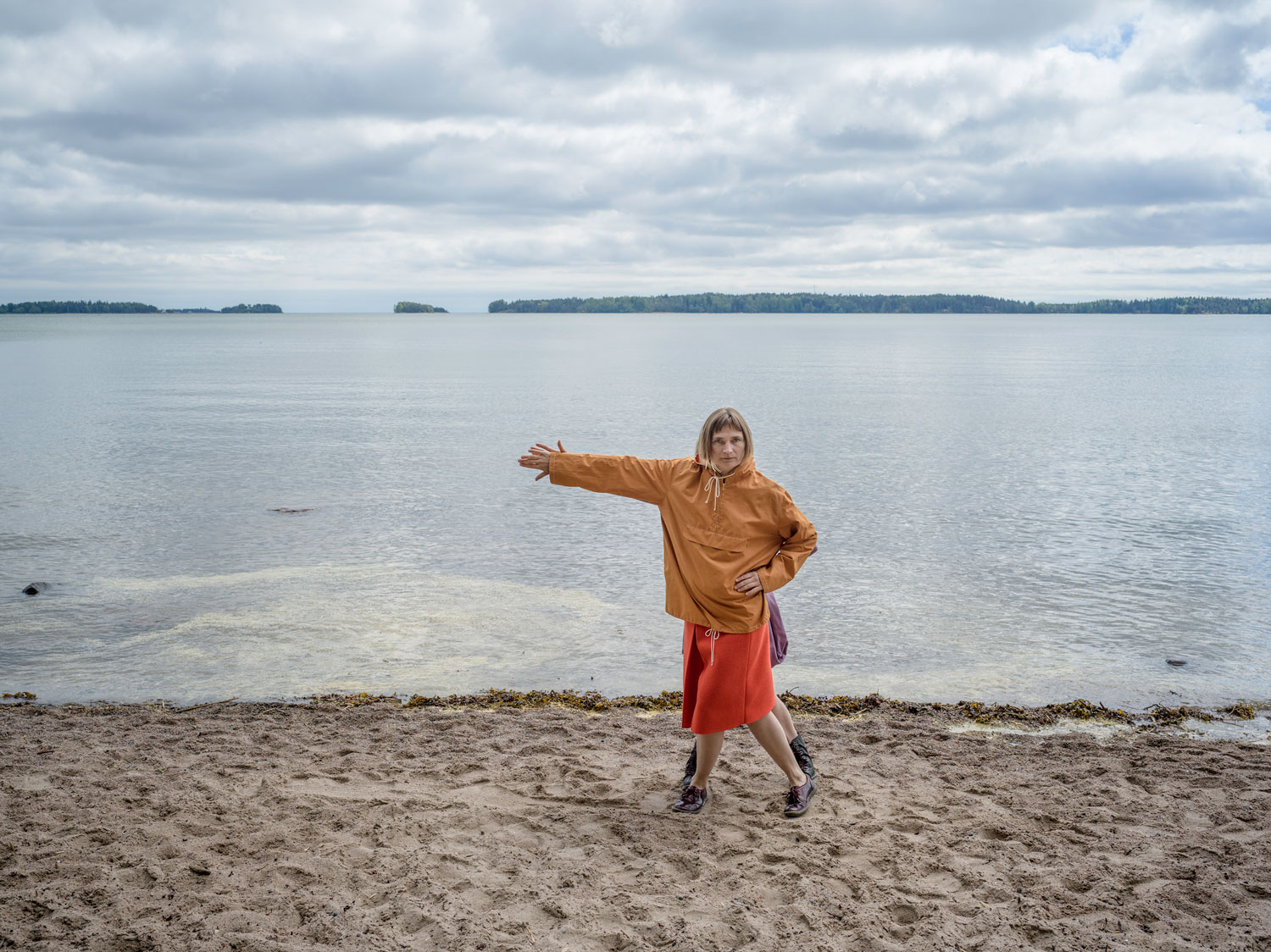
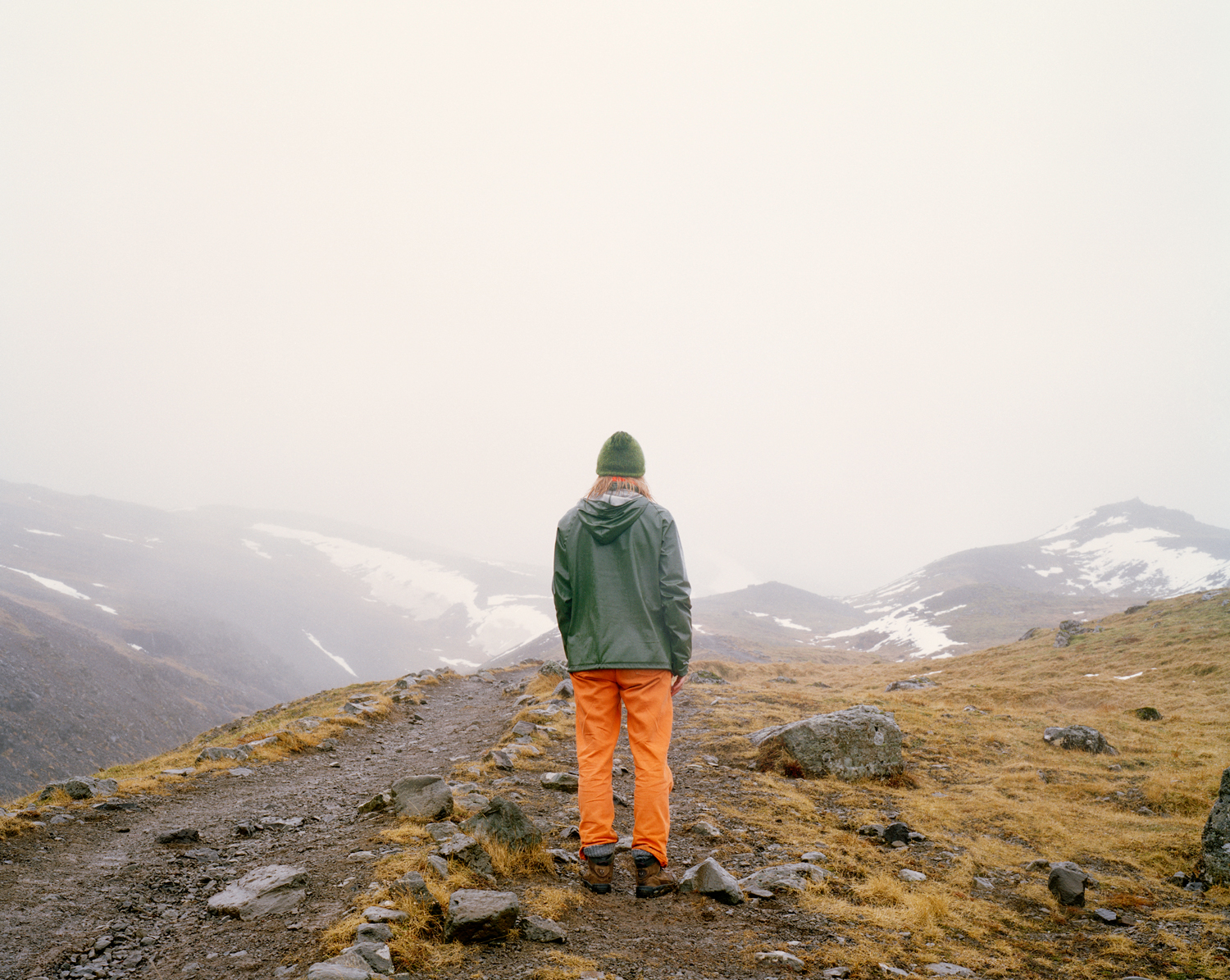
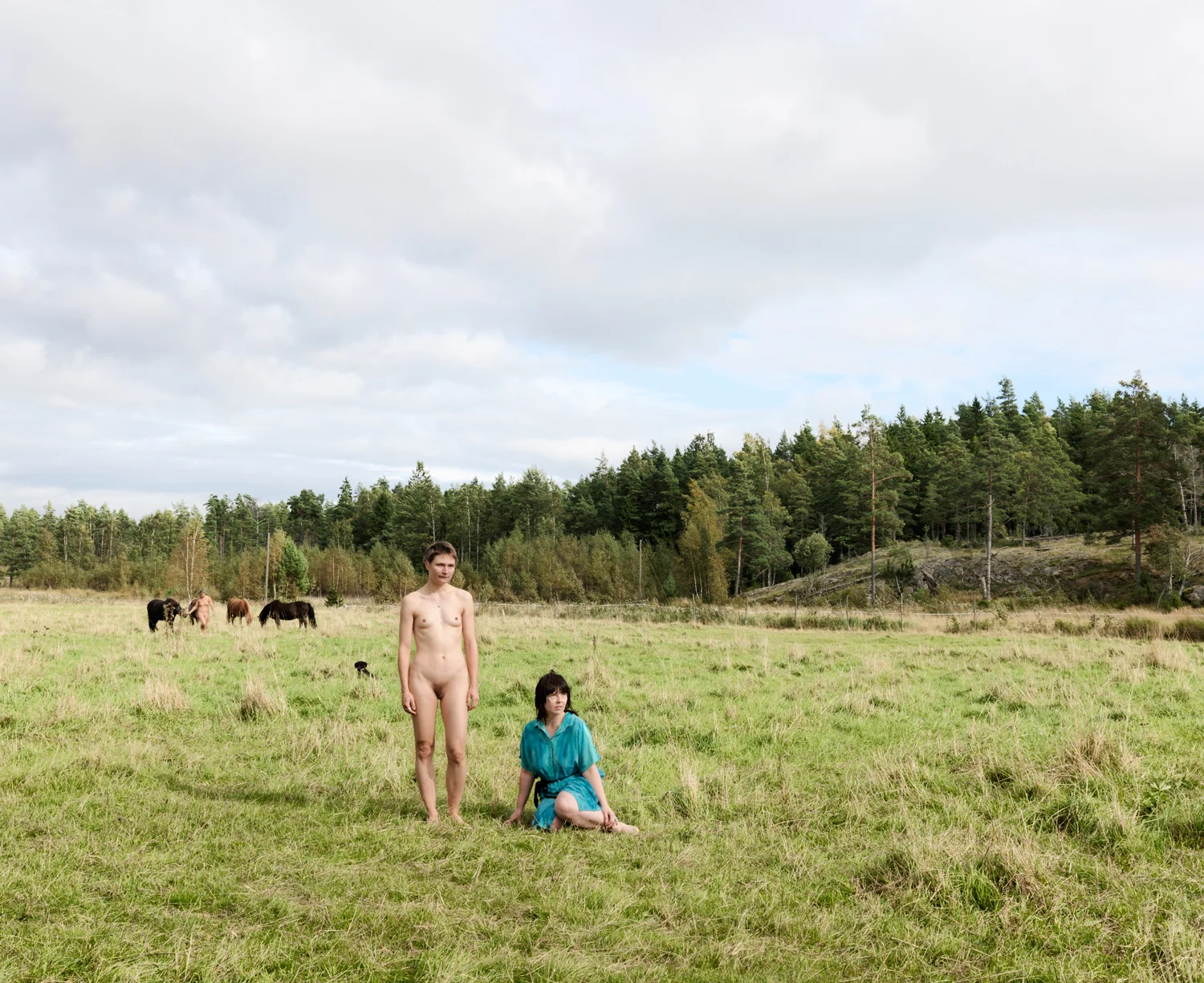
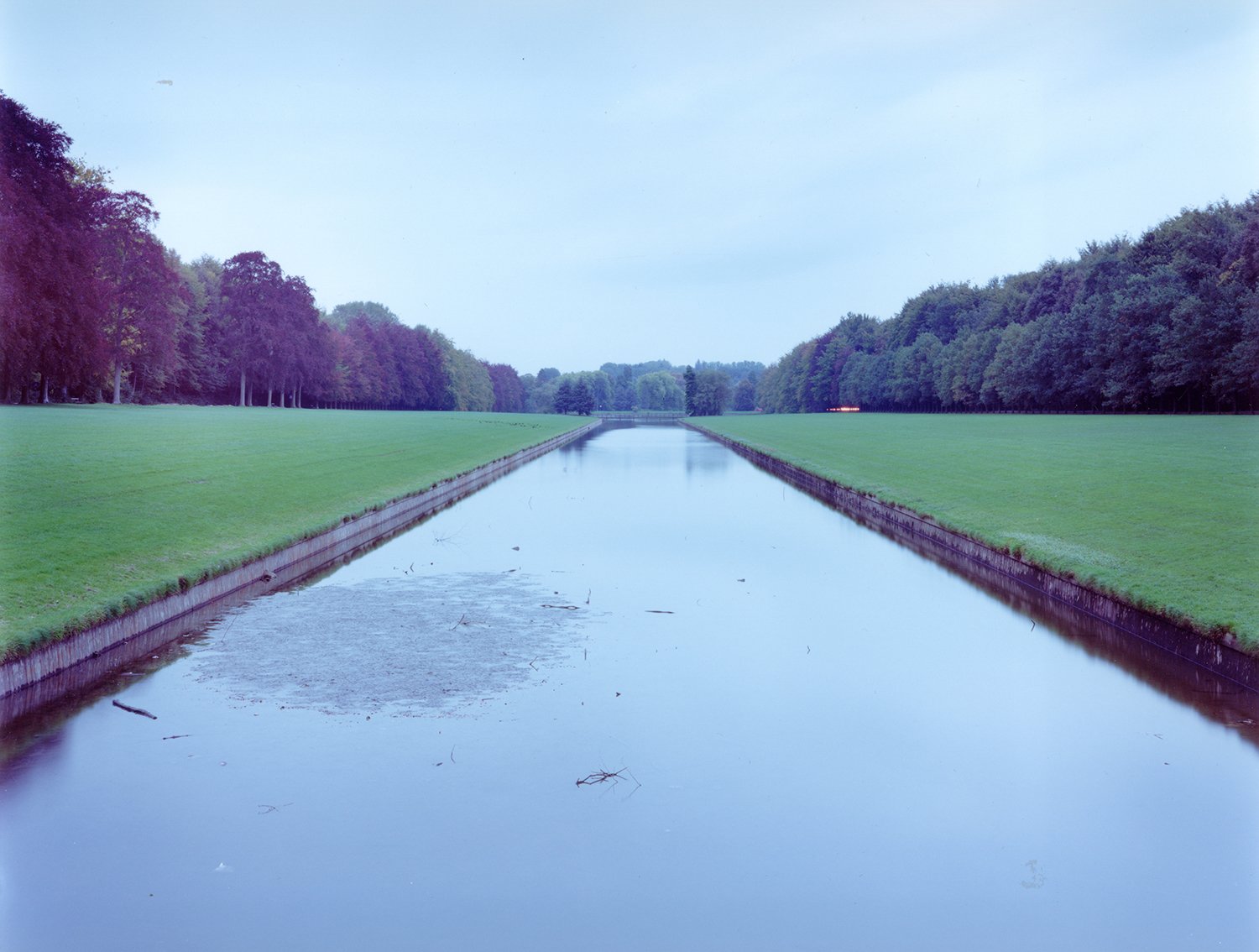
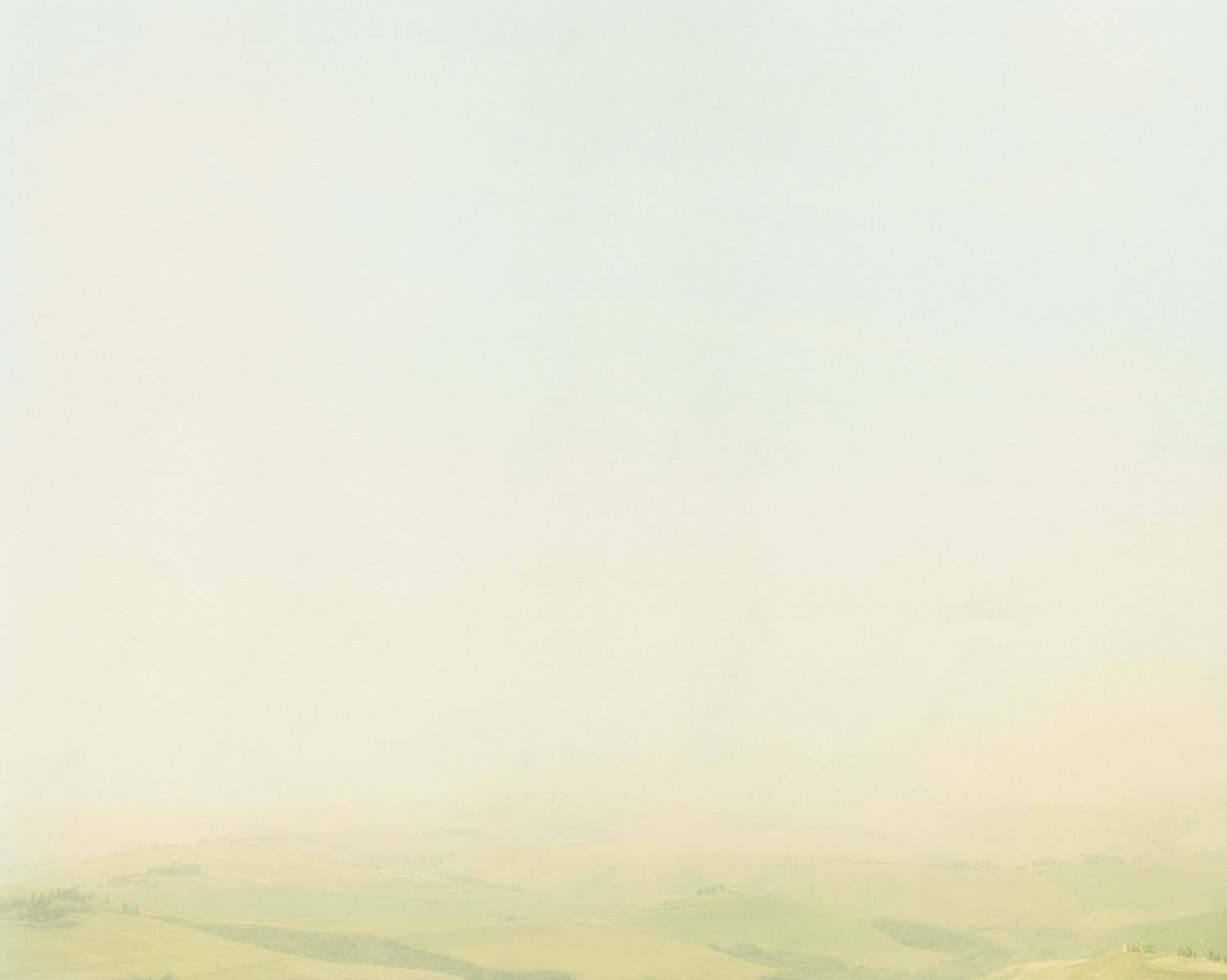
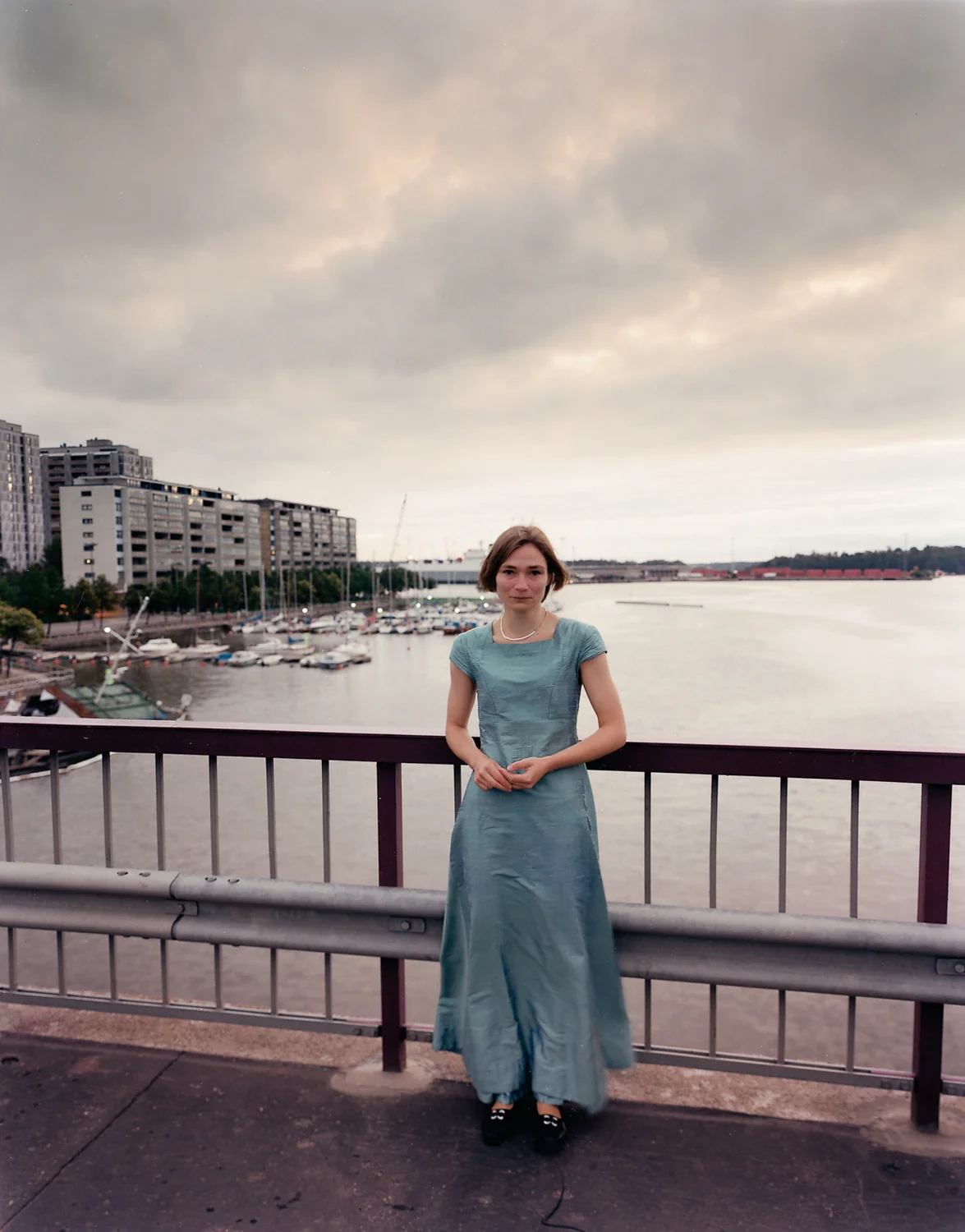
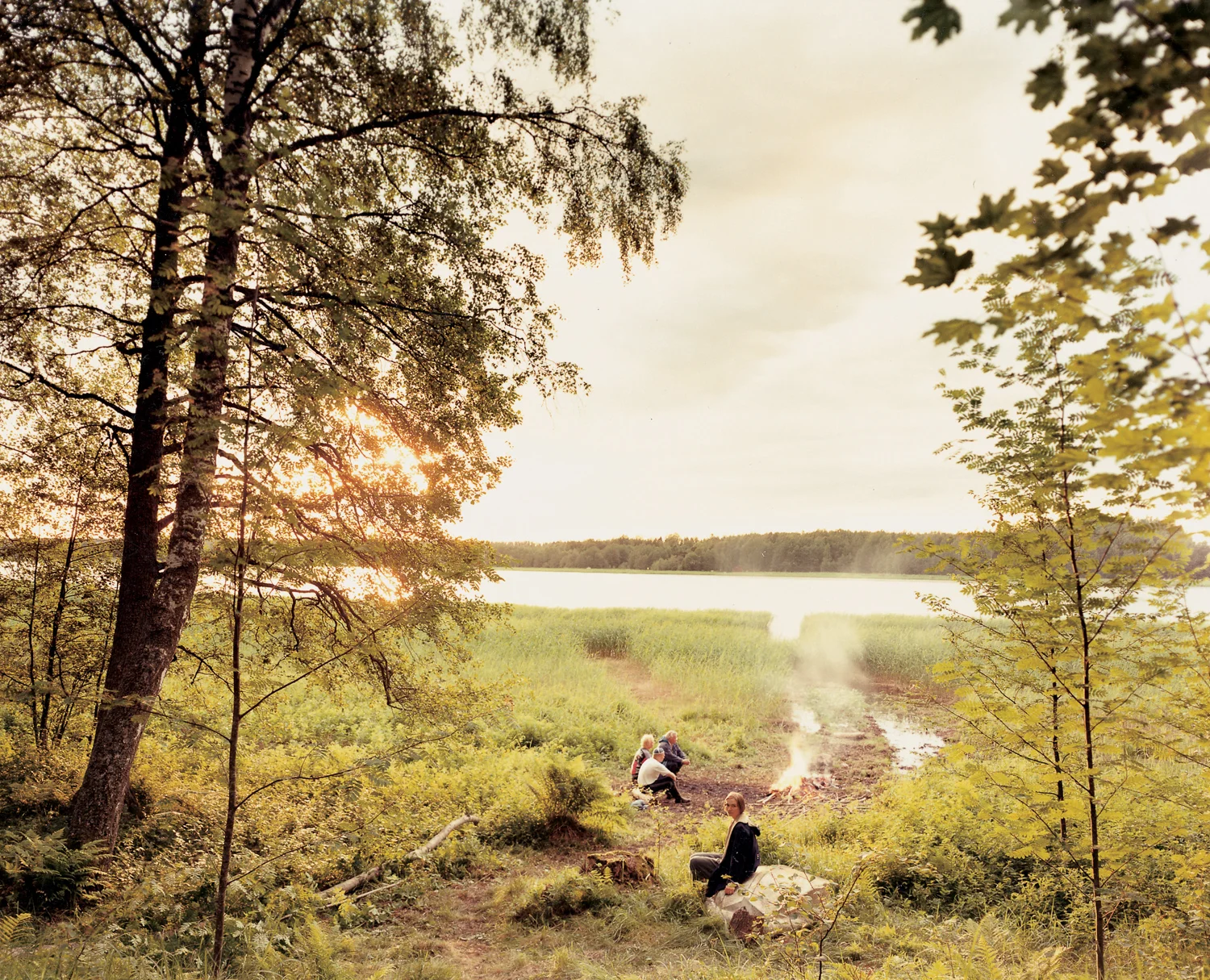
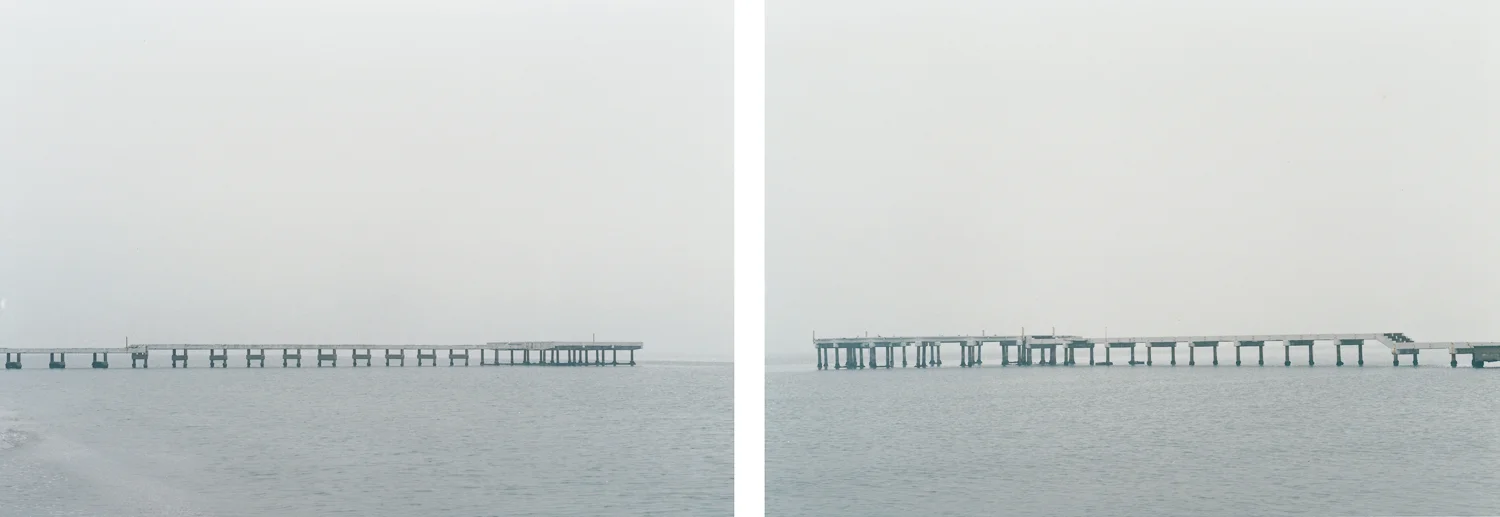
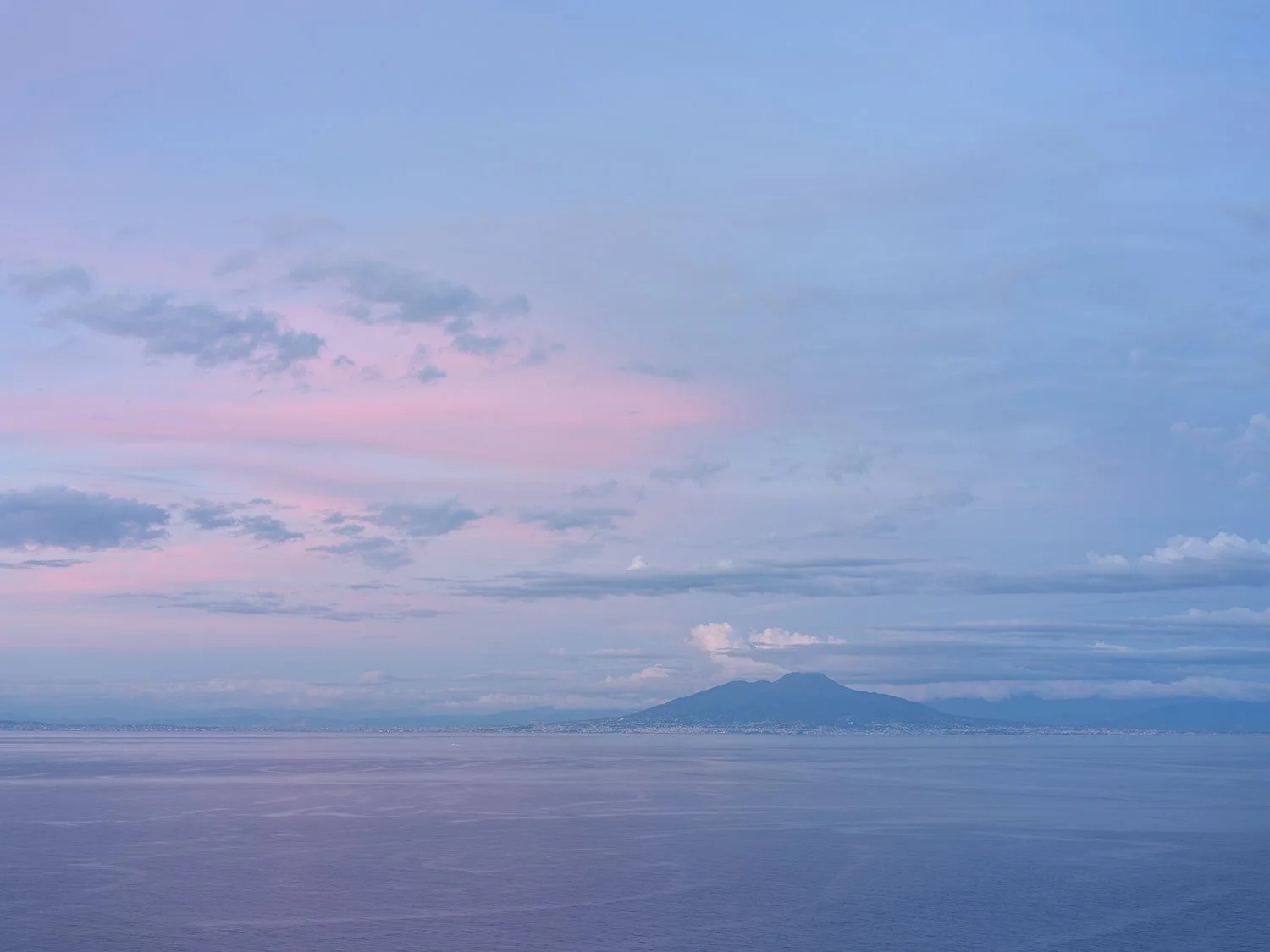
Landscape photography is often connected to a desire to invade and possess territory. In the sequence Landscapes and Escapes, I extend this thought into the realm of human relationships. I want to provide a perspective on the human emotional landscape — to explore how individuals relate both to space and to one another. Though I am not necessarily in every image, I am present through the world around me, and the world through me. The wide-open spaces I depict also serve as resting places for the viewer, offering room for thought.
I believe in the profound sameness of human beings. People die and new ones are born; people fall in love and they separate. In everyone’s life there are both large and small tragedies; happiness comes and goes. That is why fragments from my life can be recognizable to others. My images are screens for the viewers to project their own emotions and desires.
Elina Brotherus
Helsinki, May 1999
(The line “Das Mädchen sprach von Liebe” (The girl spoke of love) is a quote from the first song of Franz Schubert’s Winterreise.)